$350Median
23Sold (12 mo)
$3,000Last sale
32 in the gallery
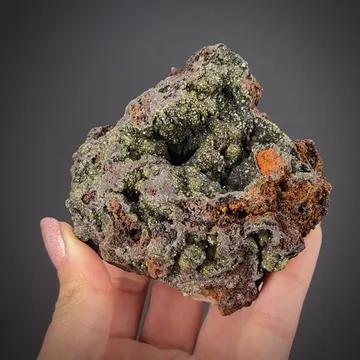
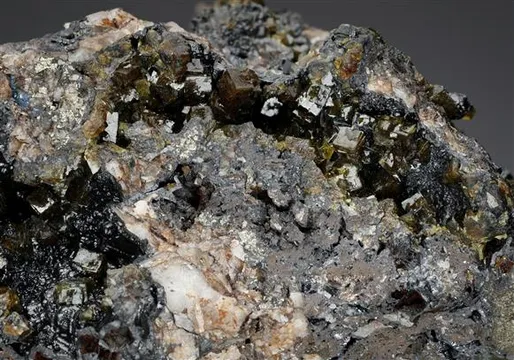
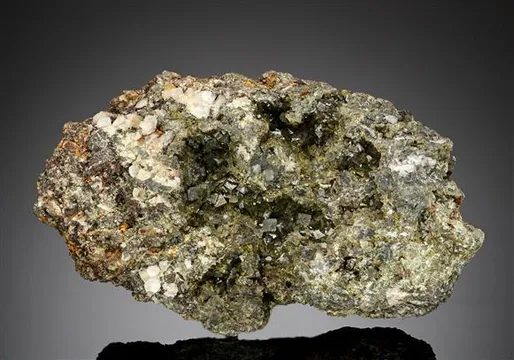
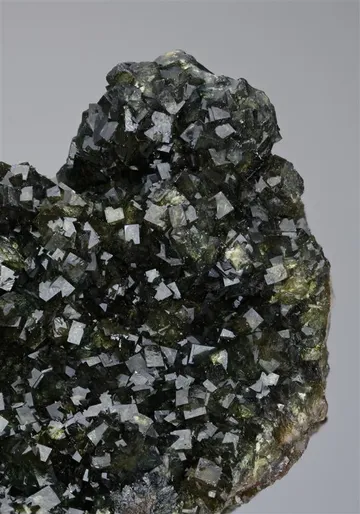
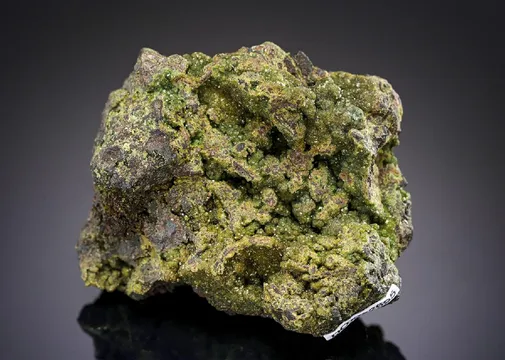
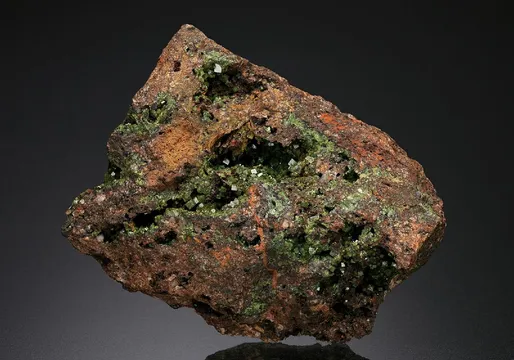
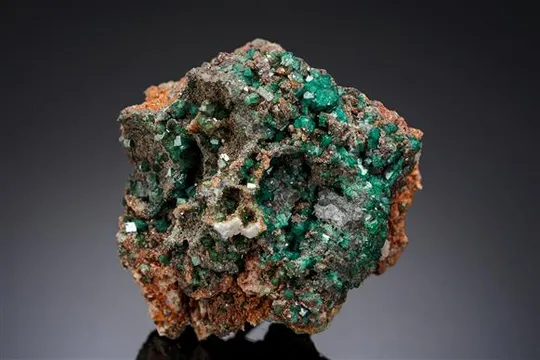
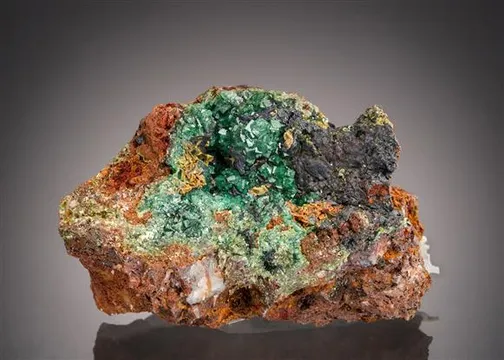
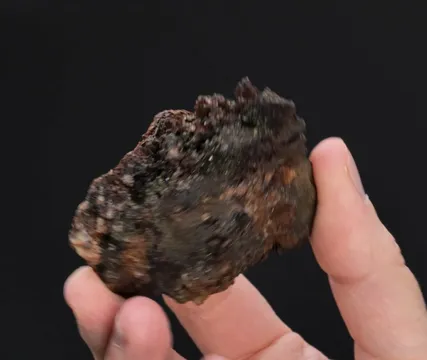
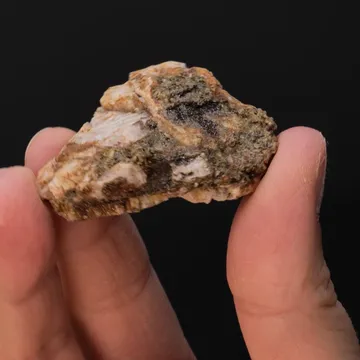
Pharmacosiderite is a hydrated potassium iron arsenate mineral that forms as greenish to yellow-green crystals and earthy to sugary masses. It commonly occurs as acicular or tabular crystals and often presents a vitreous to pearly luster, sometimes with a slightly resinous sheen. The mineral is known from several classic localities, including the UK and Germany, with other notable specimens reported from Brazil and the United States, reflecting its occurrence in oxidized arsenate-rich environments. Collectors value pharmacosiderite for its delicate, often gemmy crystals and the way hydration levels influence its appearance, sometimes producing color and luster variation within a single specimen.
In hand specimen, pharmacosiderite can be relatively soft and may dehydrate if exposed to dry conditions, so careful storage helps preserve crystal integrity. The mineral crystallizes in the monoclinic system, and its distinctive composition features arsenate groups linked with iron and potassium, contributing to its characteristic color range. While not as common as more ubiquitous minerals, pharmacosiderite remains a sought-after piece for display due to its unique chemical story, hydration behavior, and association with classic arsenate-bearing environments.