
Guide
57 for sale · $90–$265,000 USD
173 in the gallery
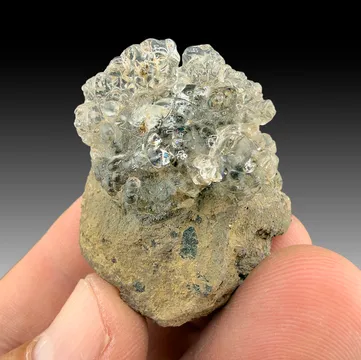
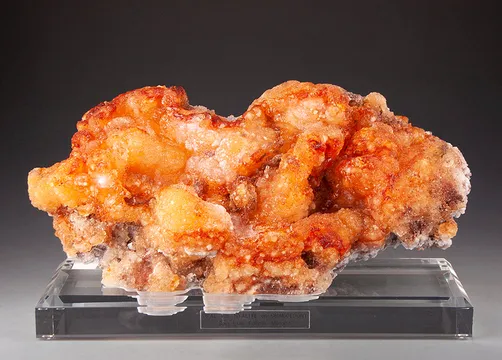
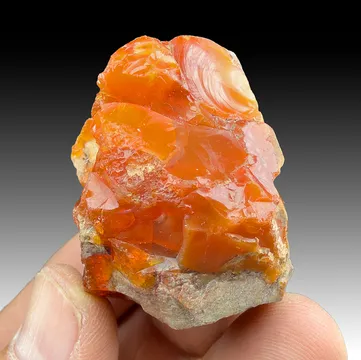
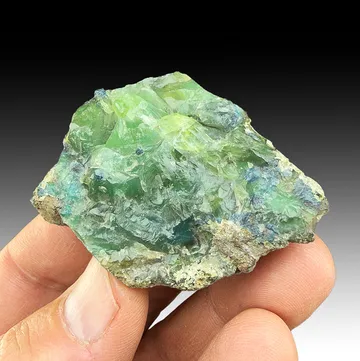
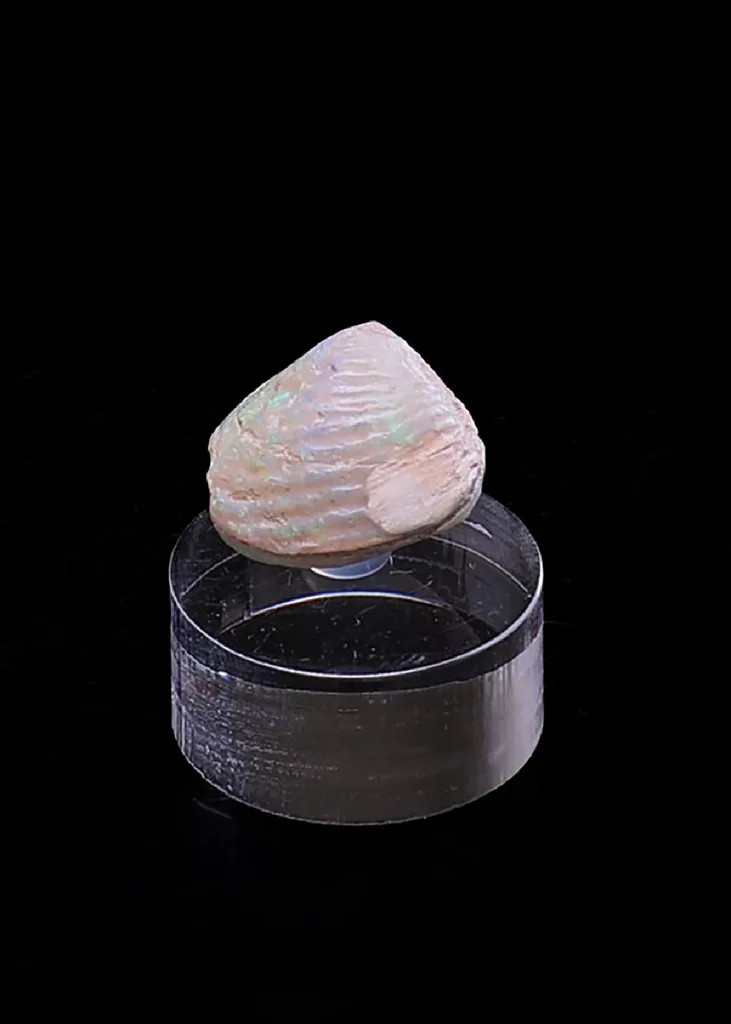
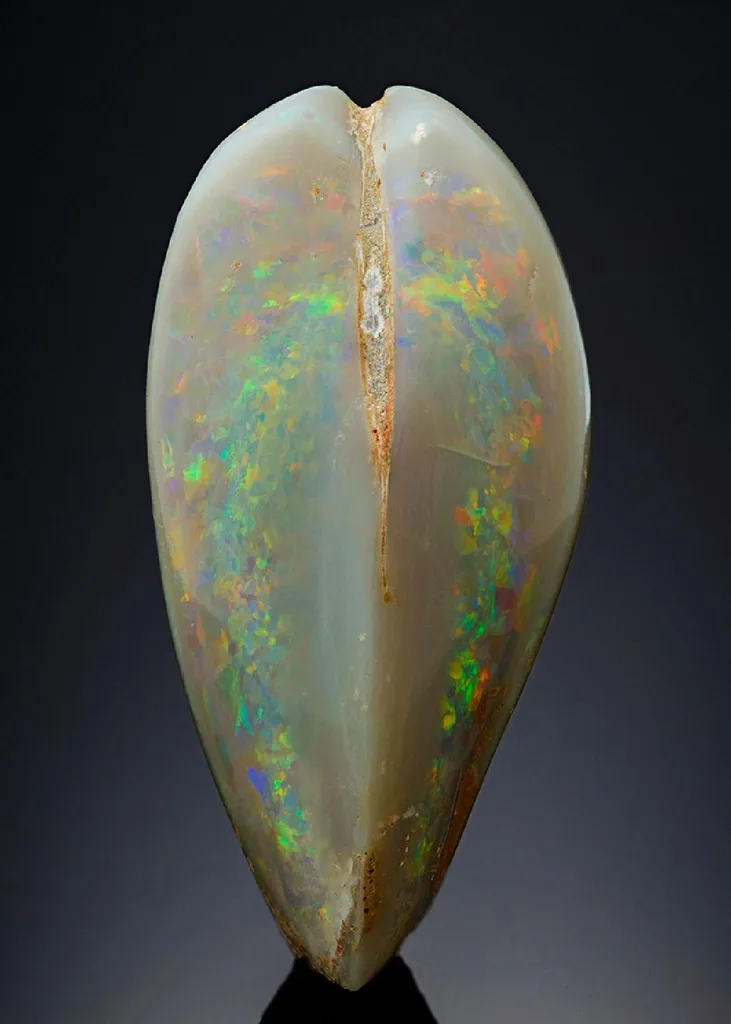
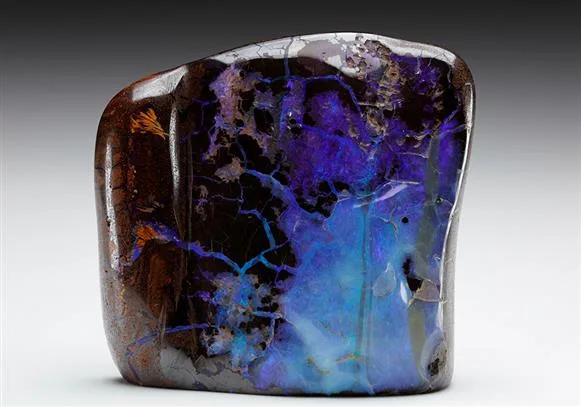
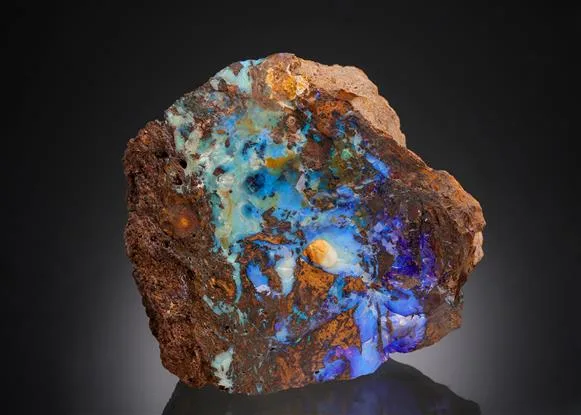
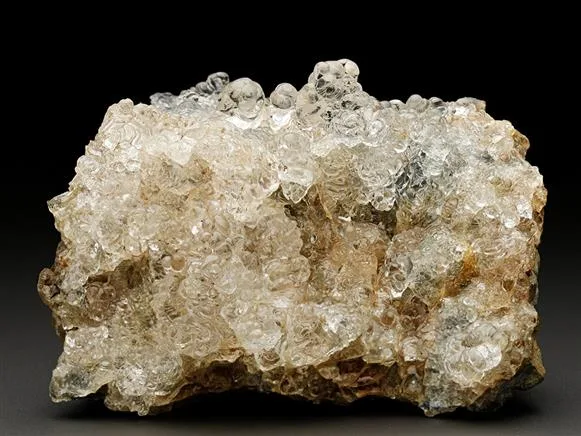
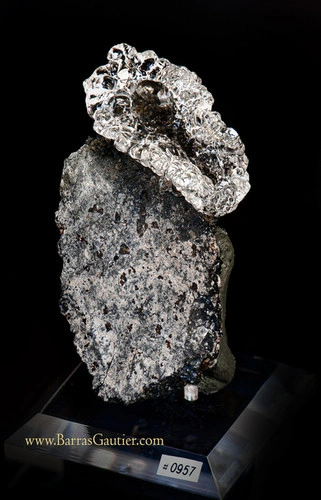
Opal is a mineraloid consisting of hydrated silica (SiO2·nH2O) that lacks a crystalline structure, giving it a smooth, glassy appearance and a soft, waxy luster. It is most renowned for its play-of-color, a diffraction phenomenon that reveals brilliant flashes of color as light interacts with its submicroscopic silica spheres. In many specimens the color range shifts with viewing angle, producing a shimmering, opalescent look prized by collectors. Opal occurs in a variety of forms, from solid, glassy-bodied pieces to porous opal and common opal with a more opaque, milky appearance.
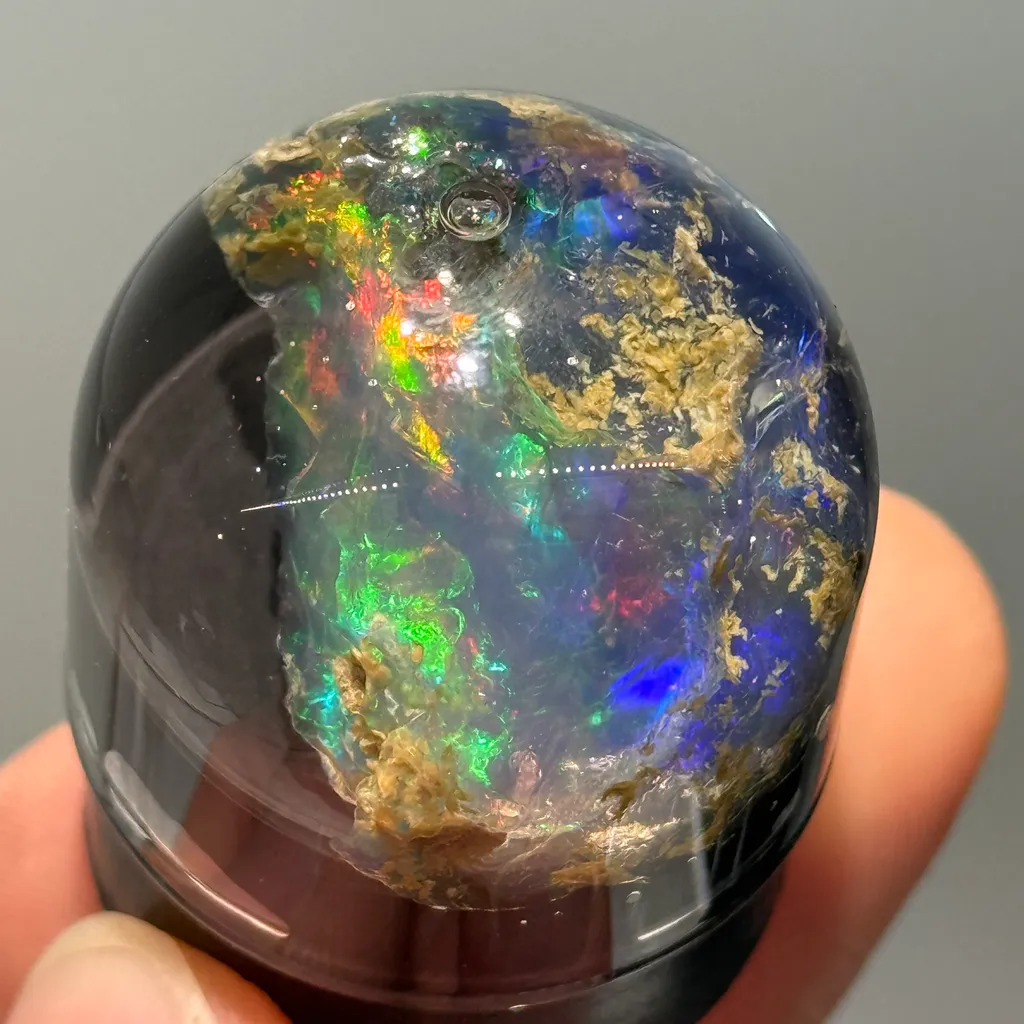
Significant specimen sources include Australia, Hungary, Mexico, Ethiopia, and the United States, where opal forms in a range of geological settings from sedimentary nodules to volcanic silica-rich veins. Australian opals, especially from fields like Coober Pedy and Lightning Ridge, are celebrated for intense play-of-color and larger, well-formed buds; Mexican and Hungarian opals are often prized for their distinctive body tones and patterning. Collectors value opal for its aesthetic versatility and the excitement of color shifts, as well as its historical significance in mineral and gem collections.