$350Median
1Sold (12 mo)
$350Last sale
1 for sale · $150 USD
16 in the gallery
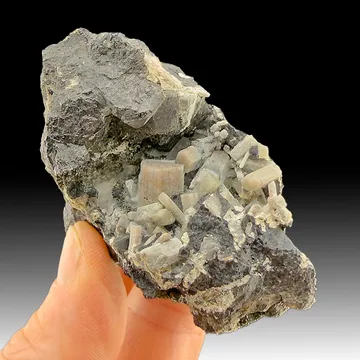
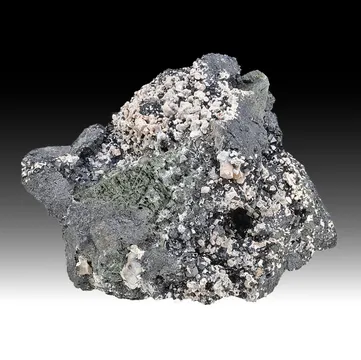
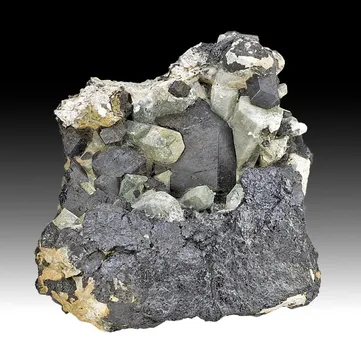
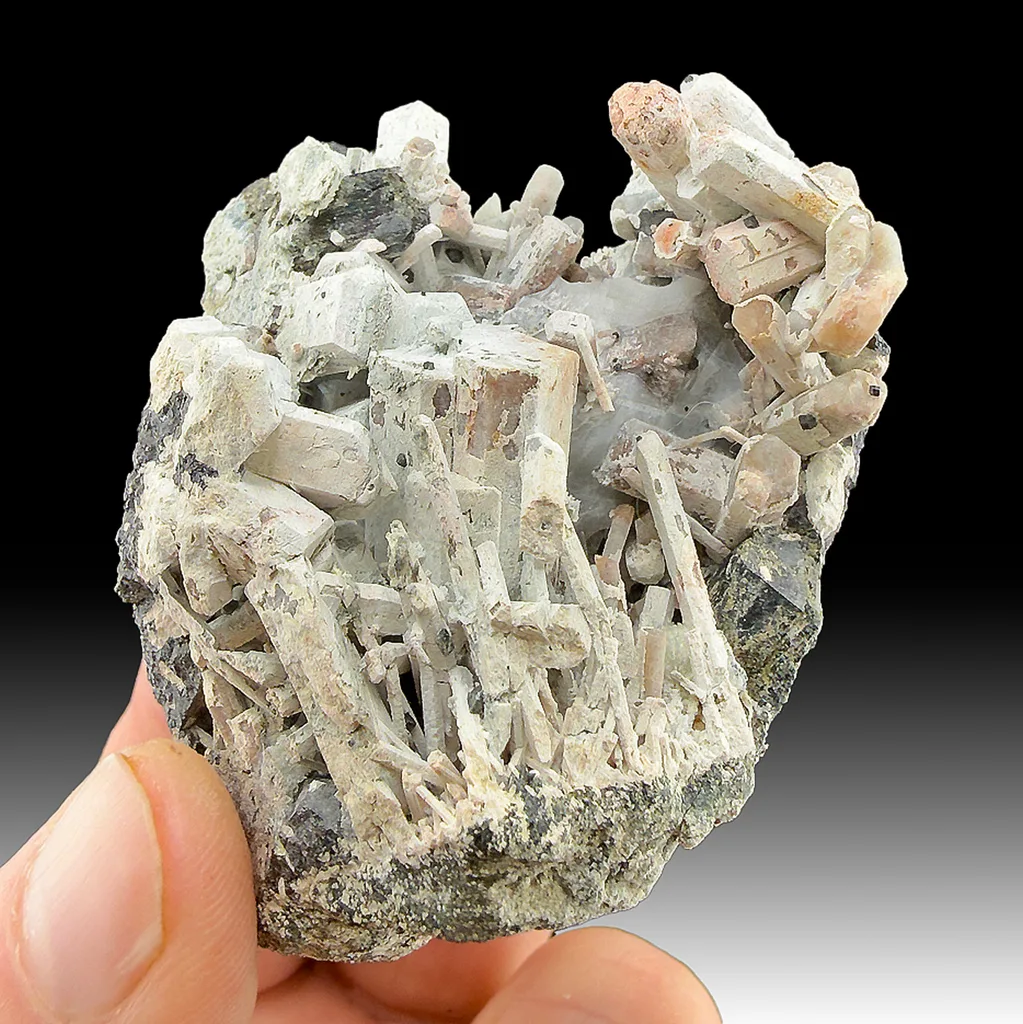
Nepheline is a feldspathoid mineral that forms in silica-undersaturated igneous rocks, often found as pale, glassy crystals or grains with a vitreous to resinous luster. It commonly occurs in prismatic to tabular habits and can display a pale, milky white to faintly yellowish color, sometimes with a hint of pink or gray depending on impurities. Notable specimens arise from deposits in Afghanistan, Morocco, Germany, and Myanmar, where nepheline occurs alongside alkali-rich minerals in peralkaline rock complexes and nepheline syenites. Collectors prize well-formed, transparent to translucent crystals that exhibit clean terminations and sharp faces, as well as larger aggregates that showcase the mineral’s distinctive crystal architecture.
As a mineral of interest to mineral enthusiasts, nepheline offers insight into the chemistry of silica-undersaturated systems and the evolution of alkali-rich igneous environments. Its occurrence with associated minerals such as alkali feldspars and nepheline-bearing syenites provides context for petrographic and crystallographic study. The clearer, more lustrous specimens with good termination points tend to be favored by collectors for display and educational value, reflecting nepheline’s role in our understanding of igneous petrology.