
Guide

25 for sale · $50–$45,000 USD
180 in the gallery
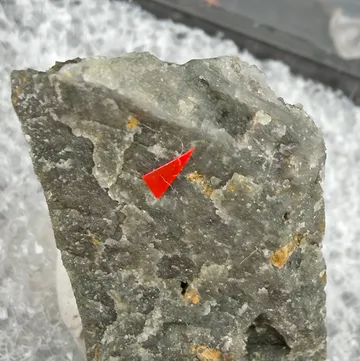
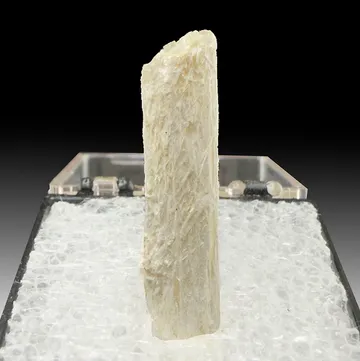
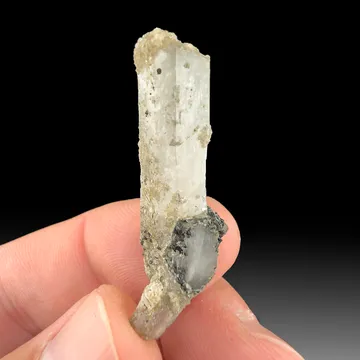
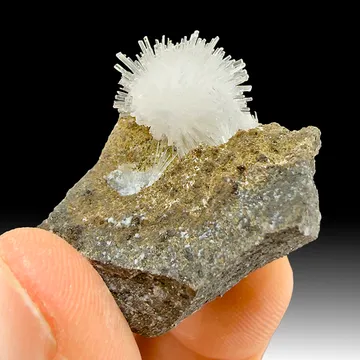
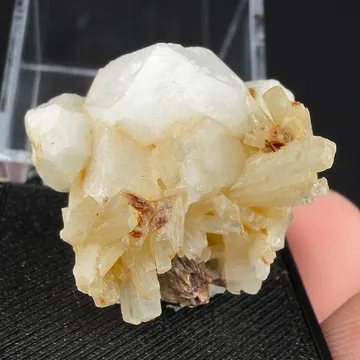
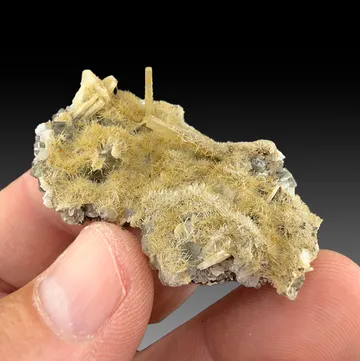
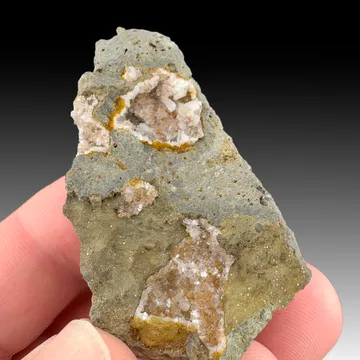
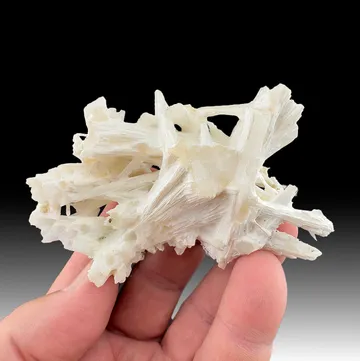
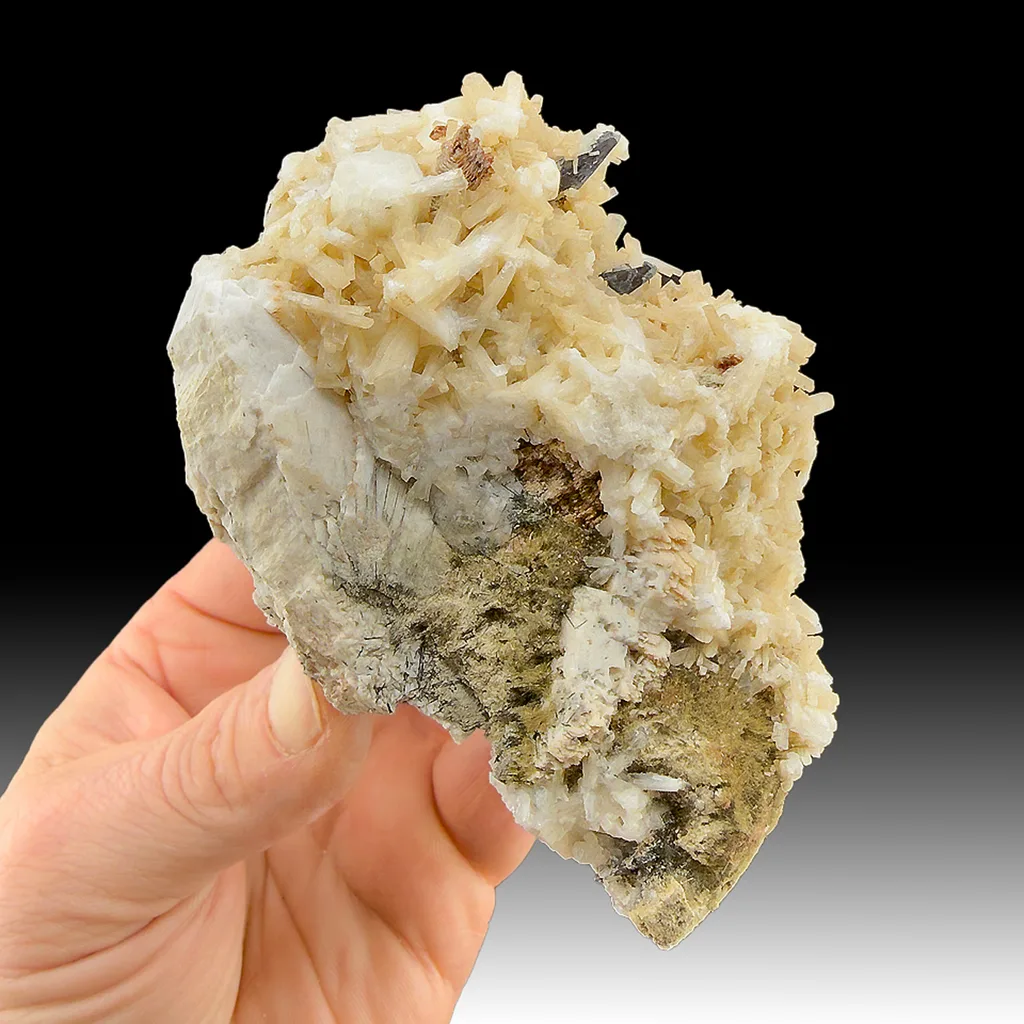
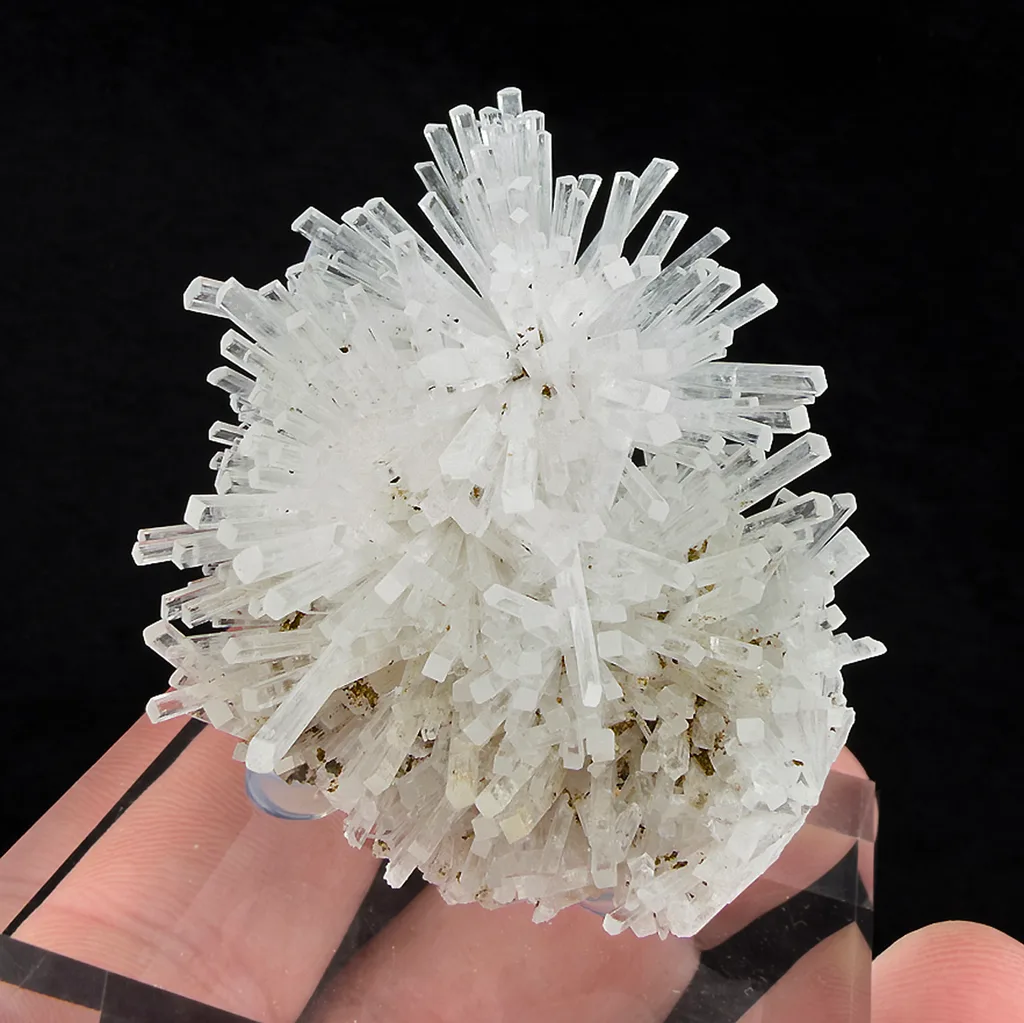
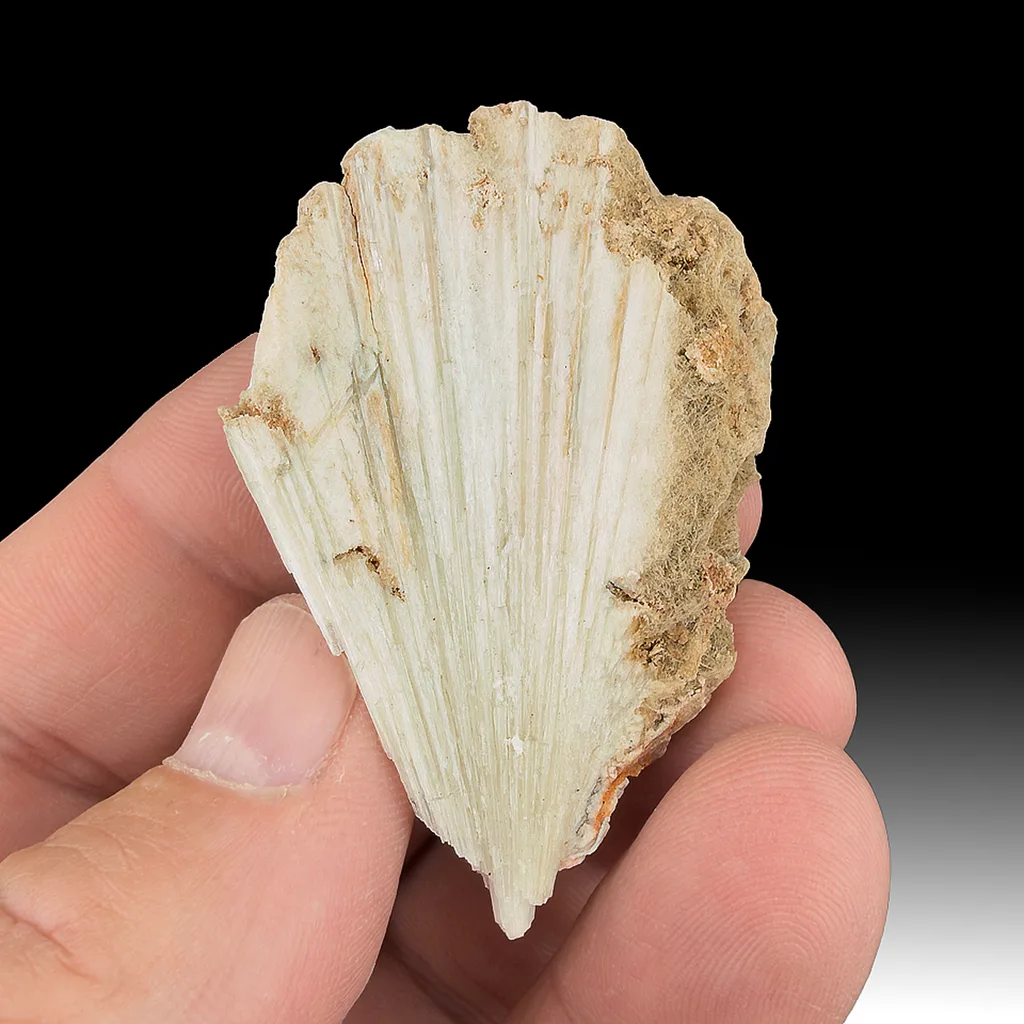
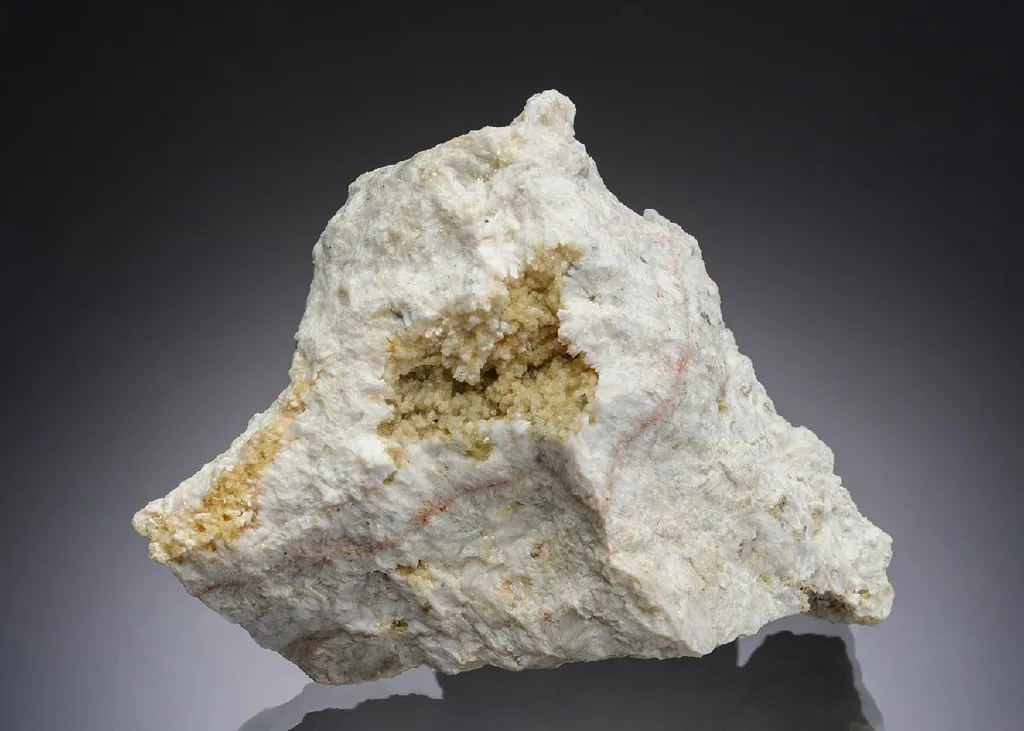
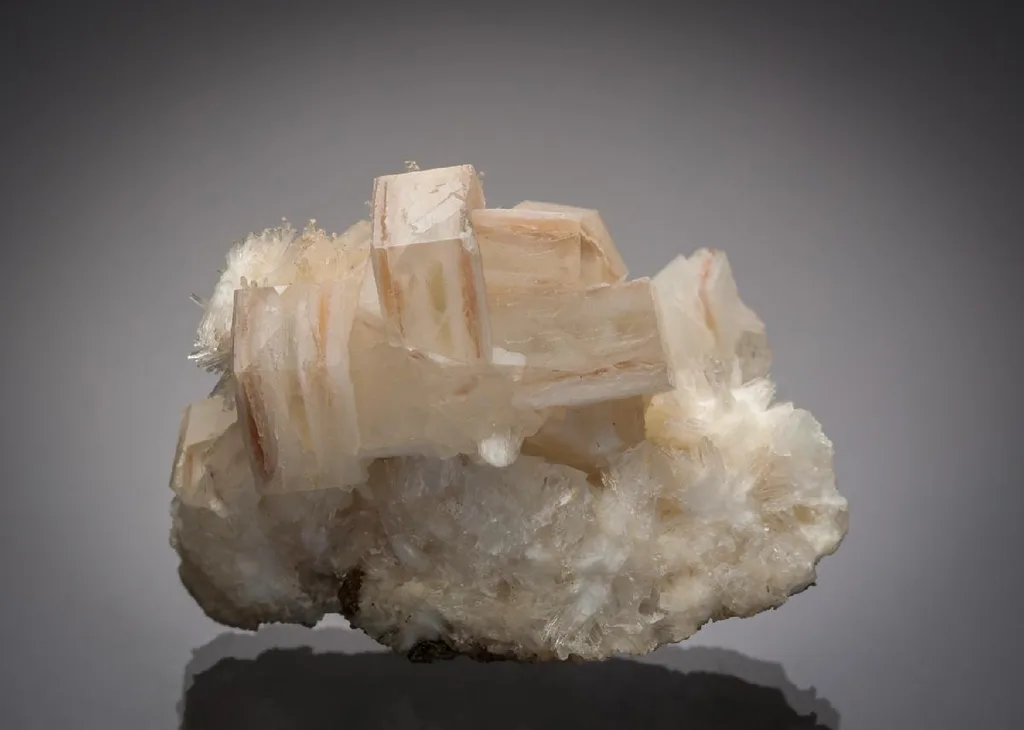
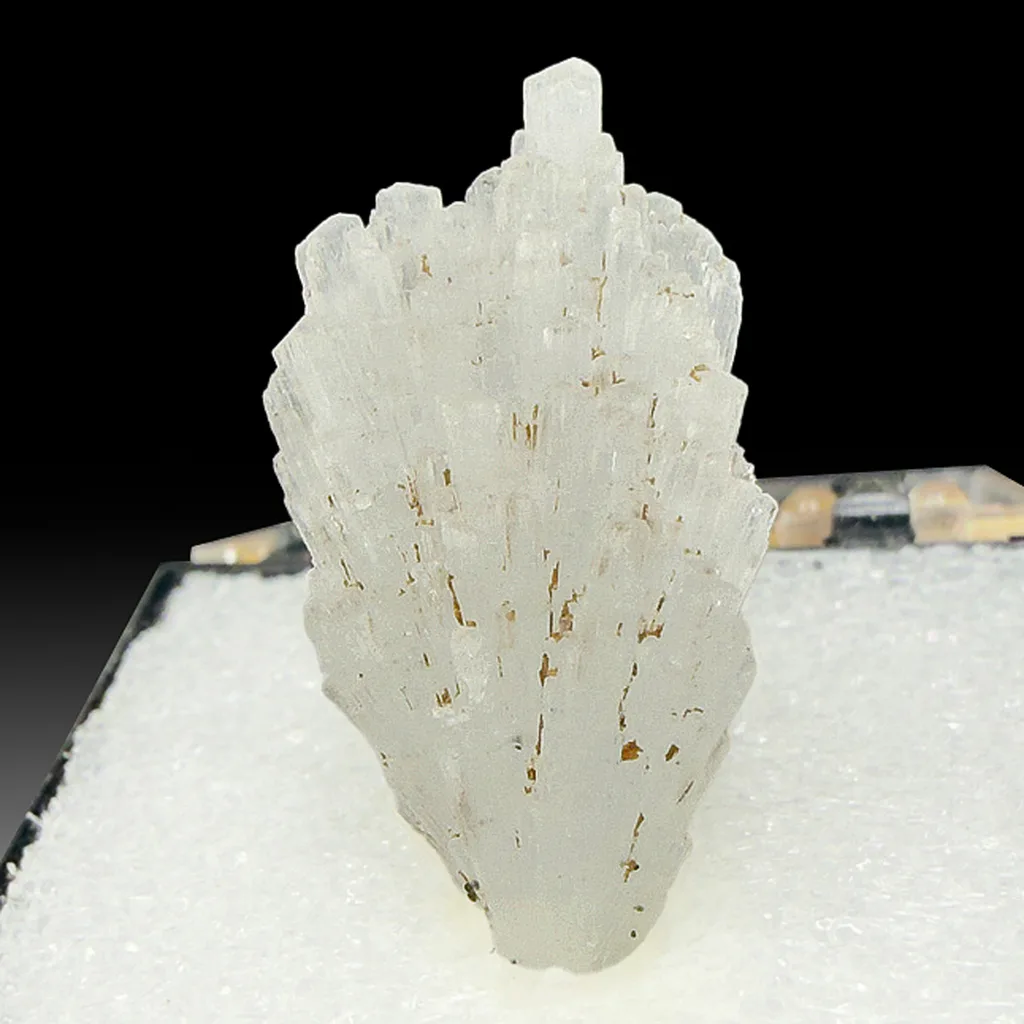
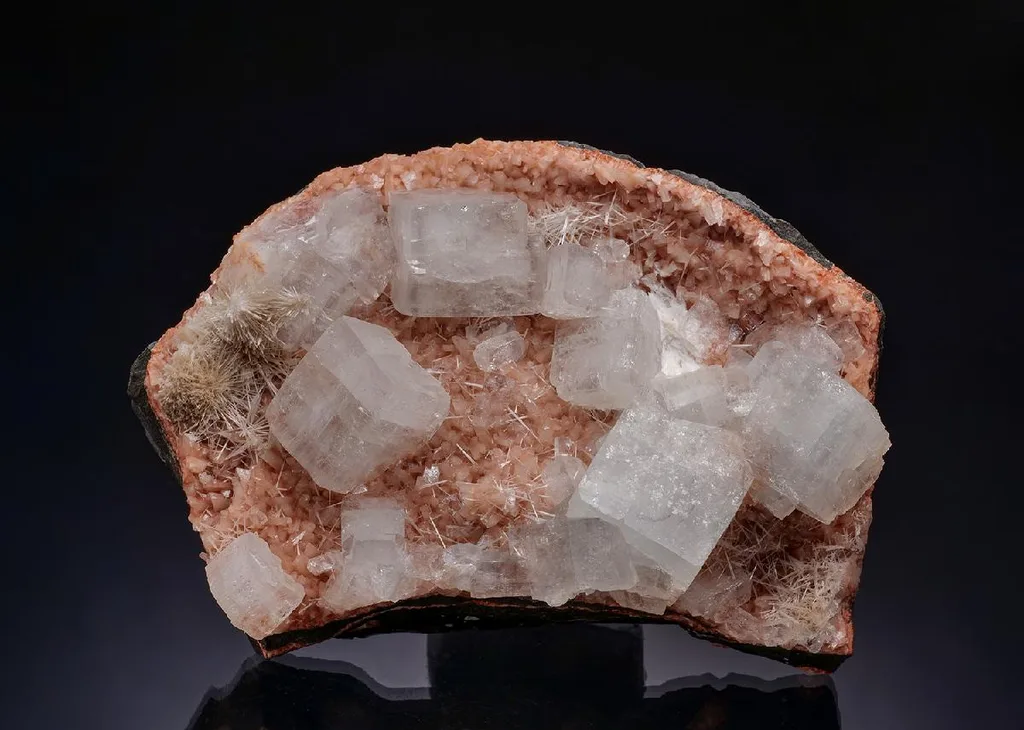
Natrolite is a tectosilicate mineral belonging to the zeolite group. It forms slender, acicular crystals and fibrous aggregates that are typically colorless to white, sometimes with a faint tint. The mineral often shows a vitreous to silky luster and occurs in clear, translucent crystals that can be highly prismatic, reflecting light with a light, almost glassy sheen.
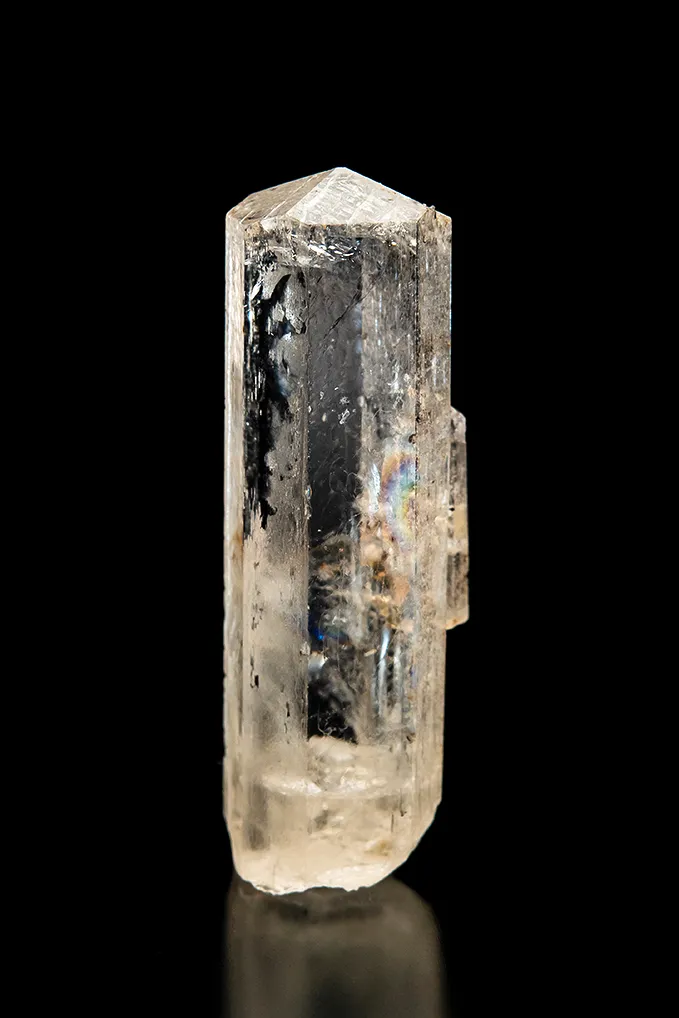
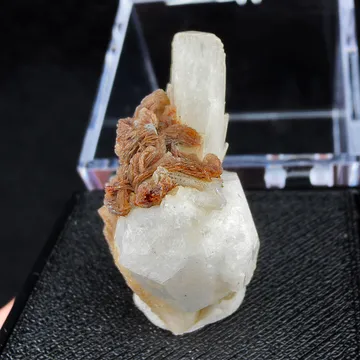
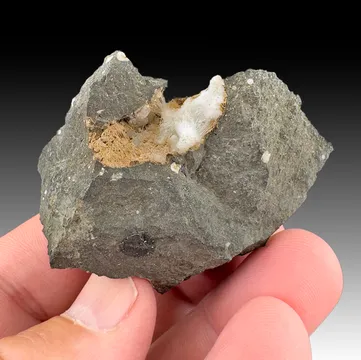
Notable specimens come from classic zeolite-rich environments in the United States and Canada, with other important sources in India, Germany, and the United Kingdom. Natrolite commonly occurs in cavities within volcanic rocks, especially basalt and rhyolite, where hydrothermally driven mineralization promotes the growth of needle-like crystals. In many localities, it forms in association with other zeolites, quartz, and calcite, contributing to varied, delicate crystal assemblages that collectors seek for their purity and form.
Collectors value natrolite for its delicate, hair-like crystals, their sharp termination, and the way light plays along the slender prisms. Specimens range from individual, fine-point crystals to radiating fans and fibrous masses, often displaying a pristine white to colorless appearance that complements other minerals in display cabinets. Its classic localities and distinctive habit make natrolite a staple for zeolite-focused collections and cabinets that highlight crystal clarity and morphology.