Manganbabingtonite
7 in the gallery
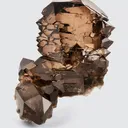
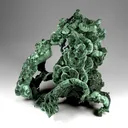
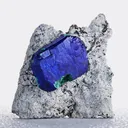
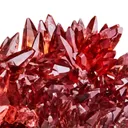
Manganbabingtonite is a silicate mineral that occurs as elongate, columnar to prismatic crystals with a vitreous to resinous luster. It typically presents in brown to black hues and can form well-formed, sharp crystals that display pleasing termination and bilateral symmetry. Associations often include silicate-rich host rocks and lithologies where manganese and calcium-rich phases are stable, with specimens sometimes showcasing contrasting mineral assemblages that highlight its crystal faces.
- Formula
- Ca2(Mn,Fe)FeSi5O14(OH)
- Rarity
- Rare
- Stability
- Stable
- Collector interest
- Very High Interest
- Classification notes
- Inosilicate, babingtonite group
Key characteristics
- Crystal system
- triclinic
- Mohs hardness
- 5.5–6
- Specific gravity
- 3.35
- Luster
- vitreous
- Transparency
- translucent, opaque
- Color
- black, green, brown
- Streak
- gray, white
- Cleavage
- good
- Fracture
- uneven, conchoidal
- Crystal habit
- prismatic, tabular, granular, massive
Where Manganbabingtonite is found
Top localities
- Fengjiashan Mine1 specimen
About Manganbabingtonite
Notable specimens have been collected from Chinese localities, where the mineral tends to crystallize in firm, well-preserved crystals that are attractive to collectors for their defined edges and dark coloration. Collectors appreciate the clean, geometric habit and the way light interacts with the crystal faces, producing subtle reflections that enhance the mineral's dimensionality. Manganbabingtonite occupies a niche among silicates valued for habit and specimen quality, rather than sheer abundance, making well-formed examples especially sought after by long-term collectors.