Guide
8 for sale · $100–$295,000 USD
184 in the gallery
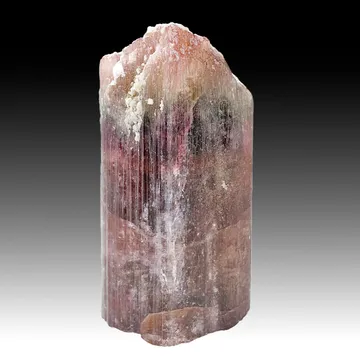
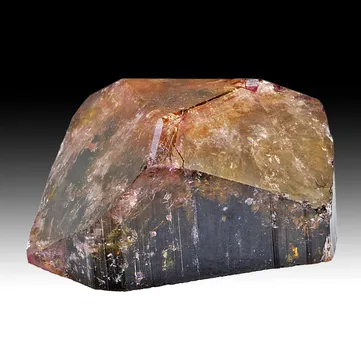
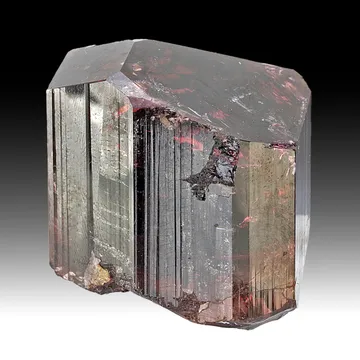
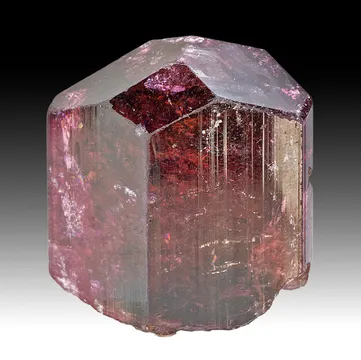
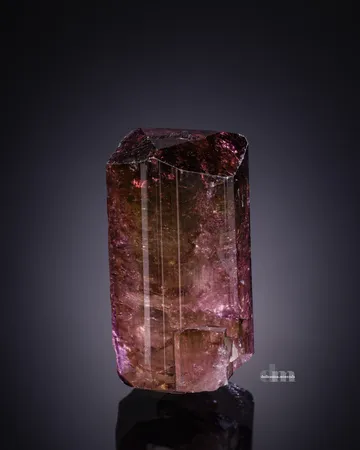
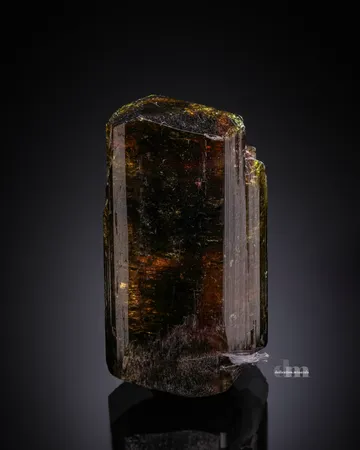
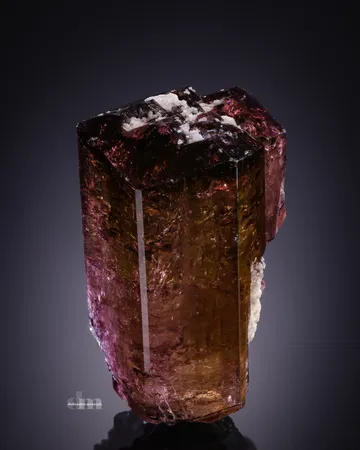
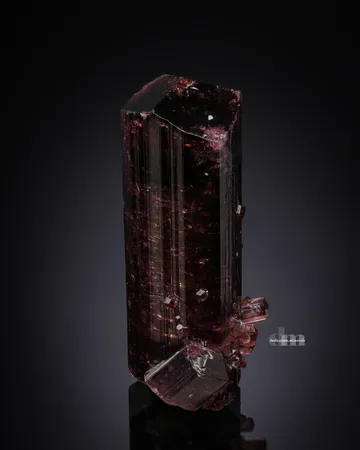
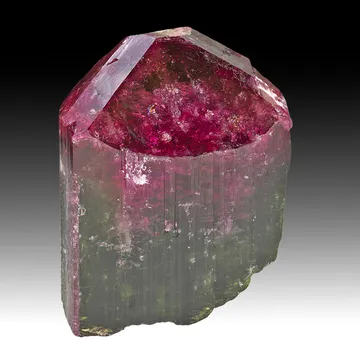
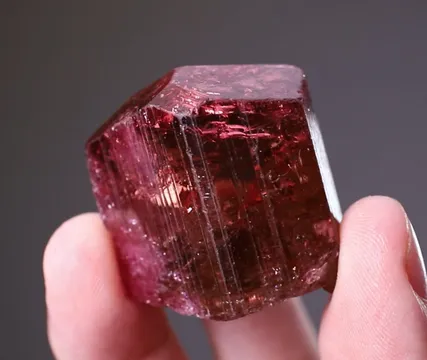
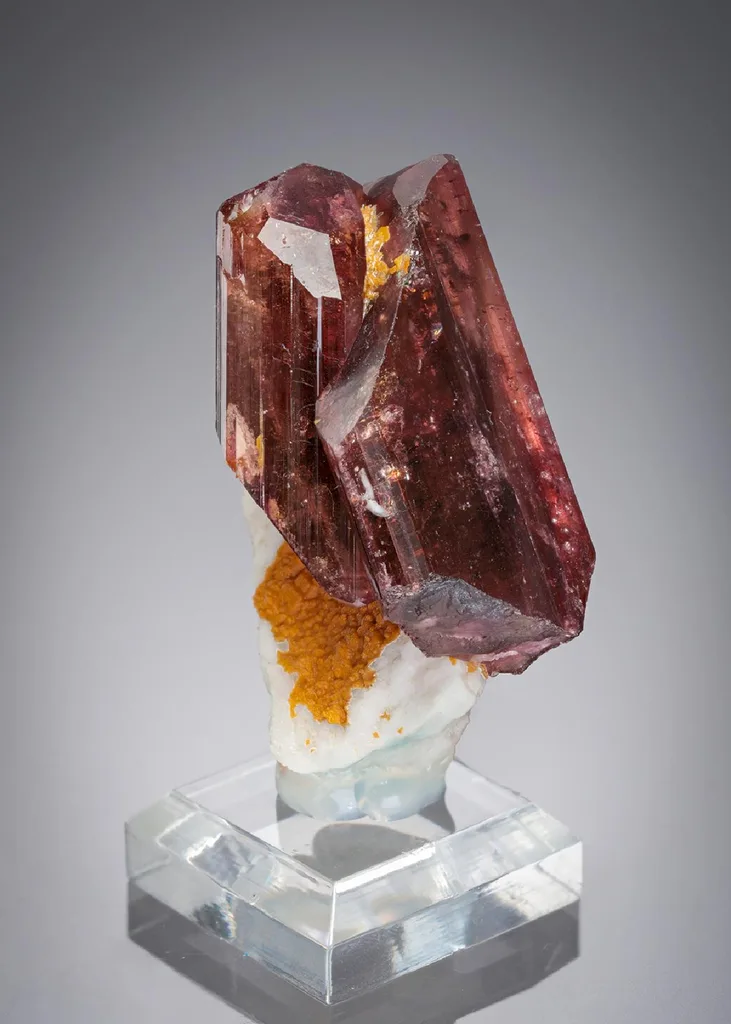
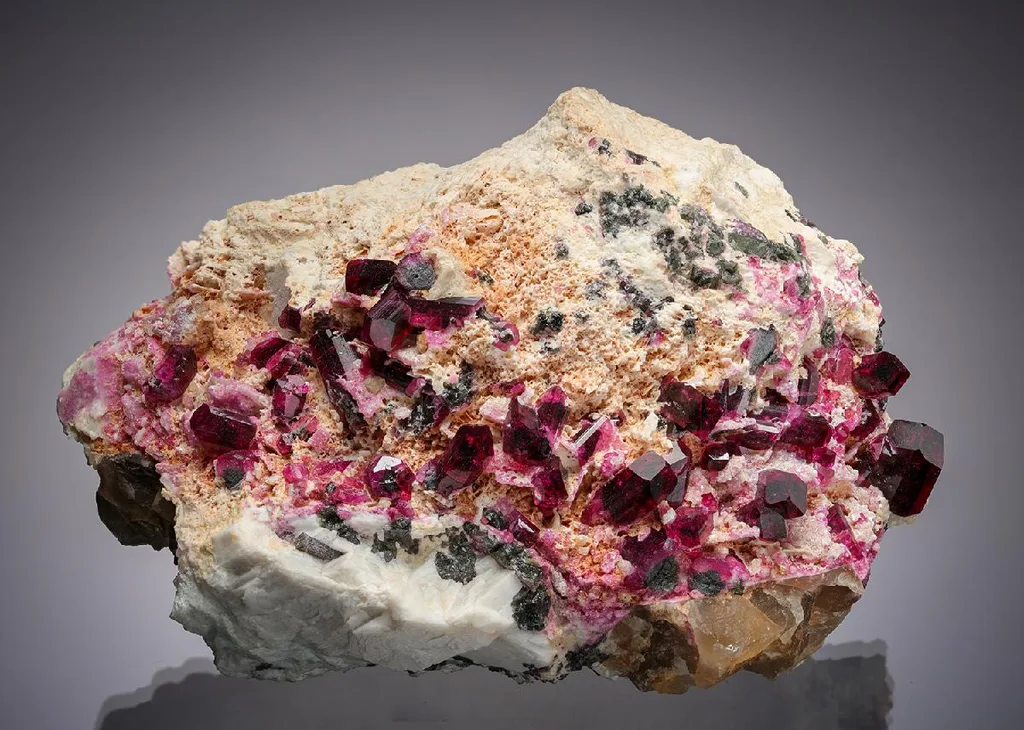
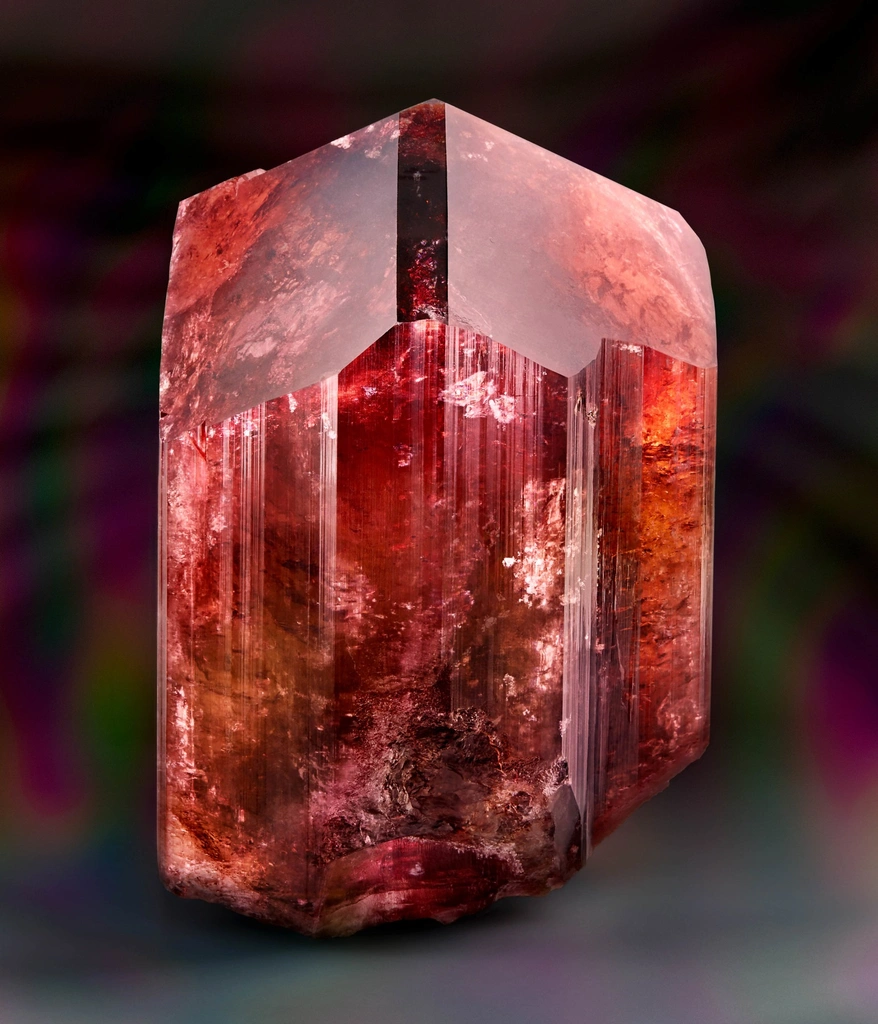
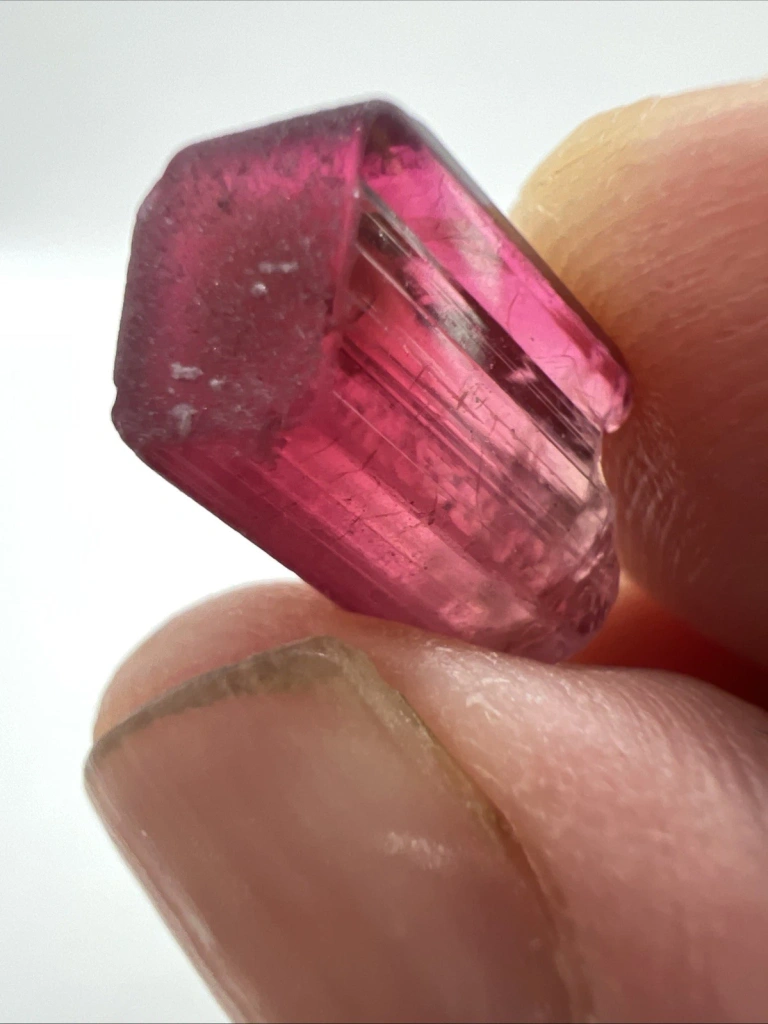
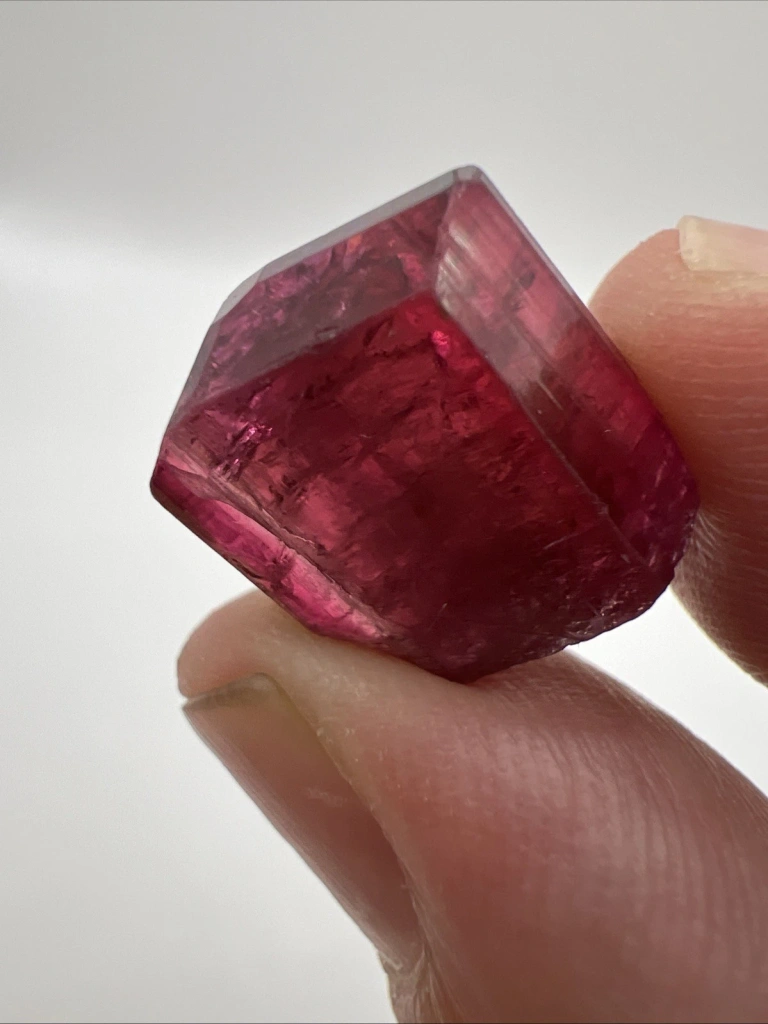
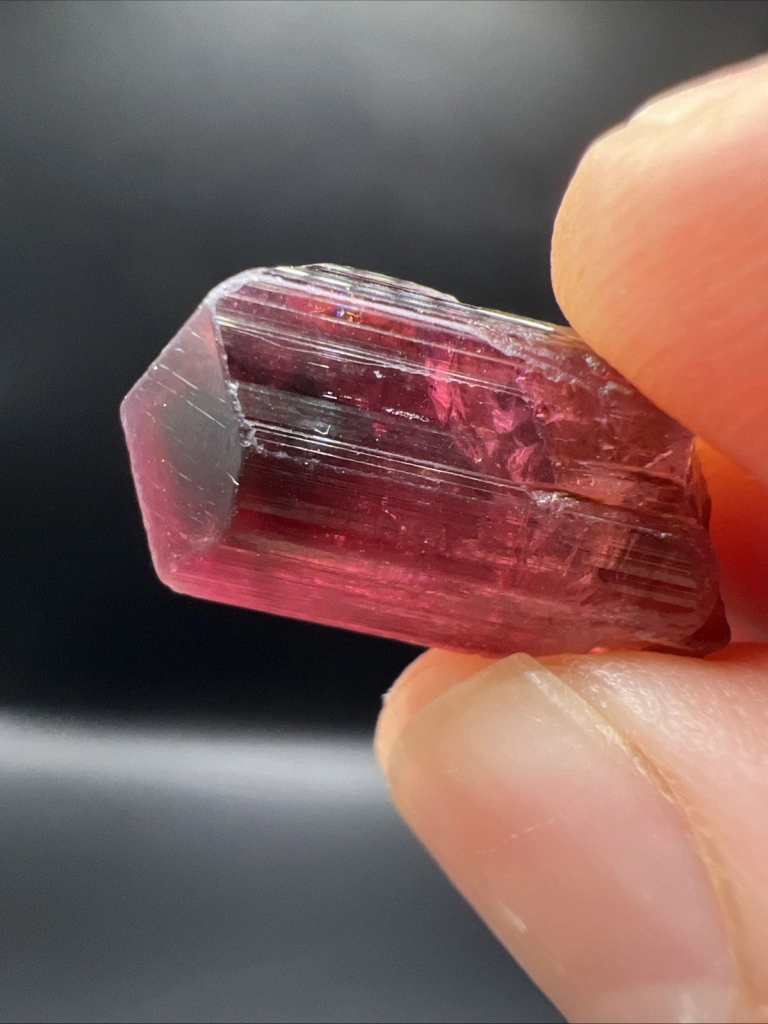
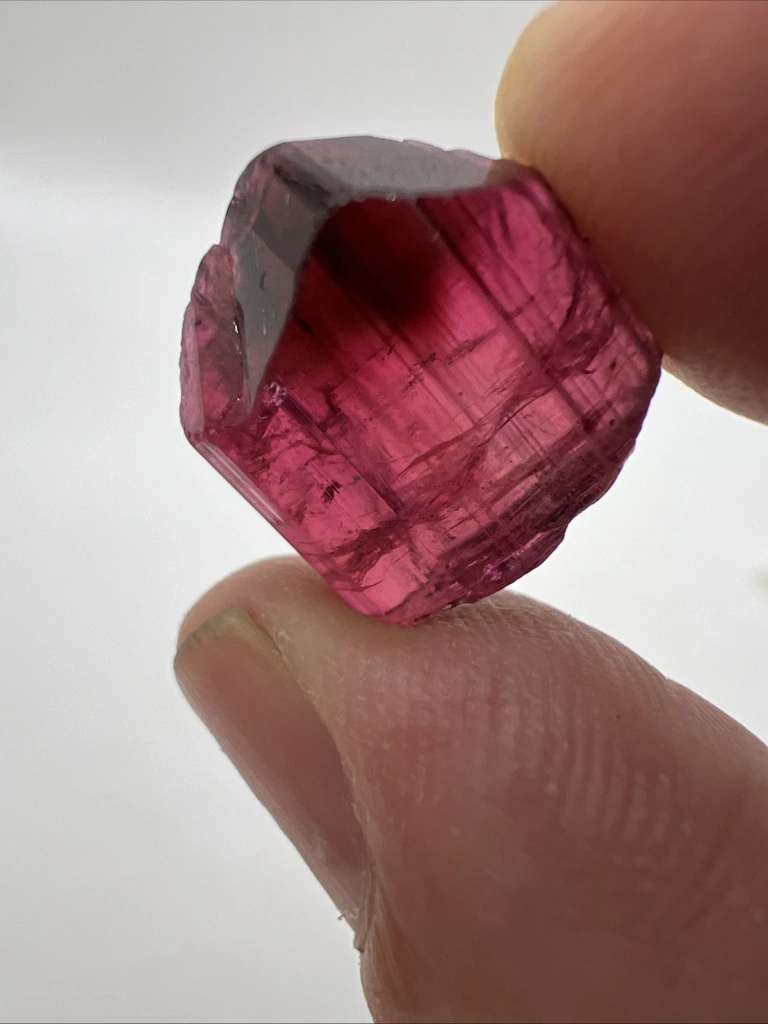
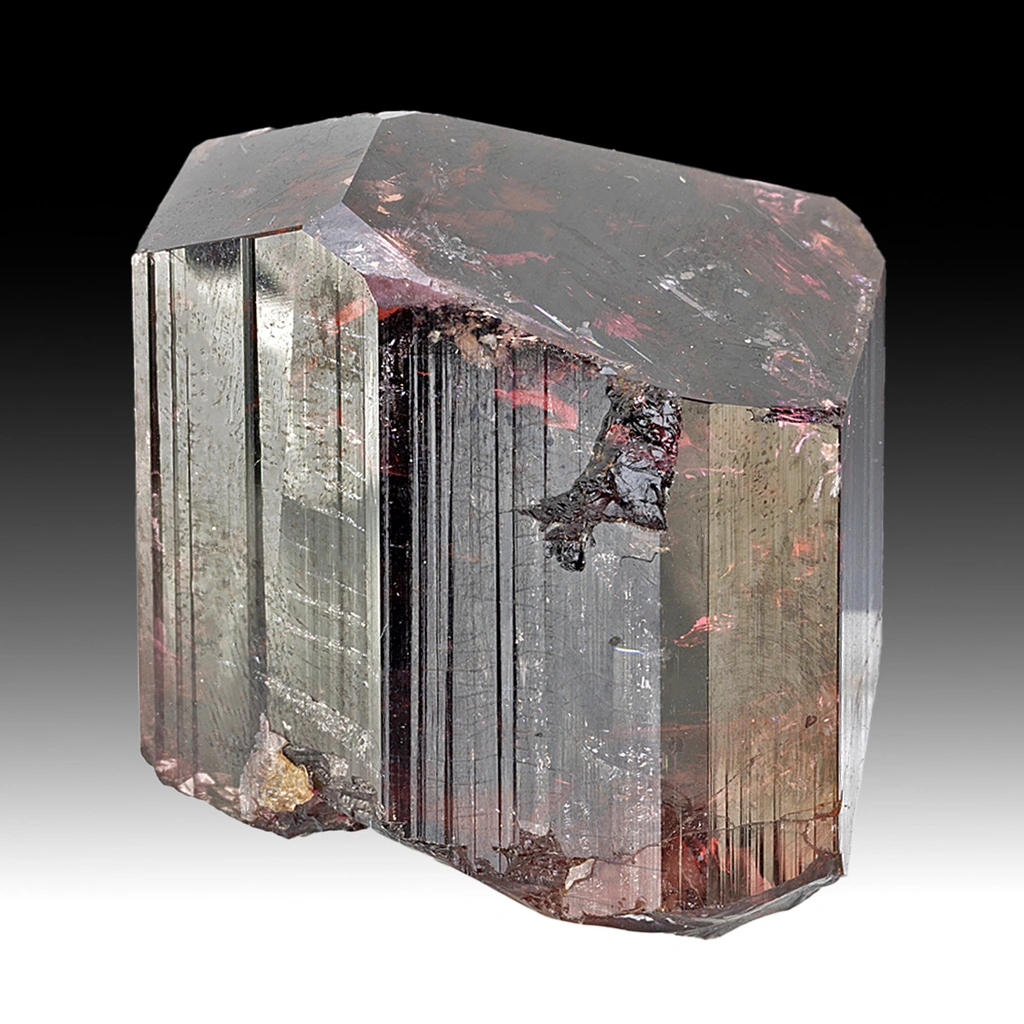
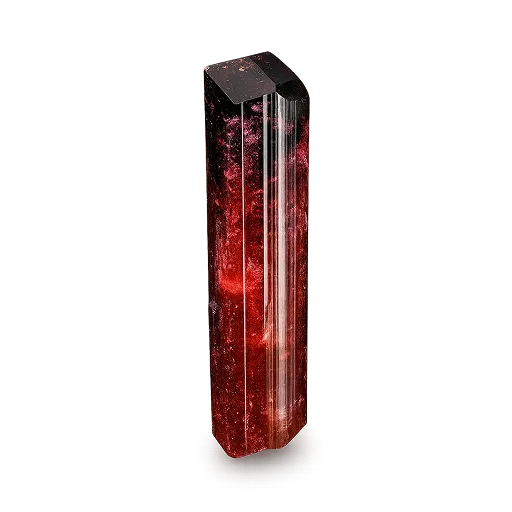
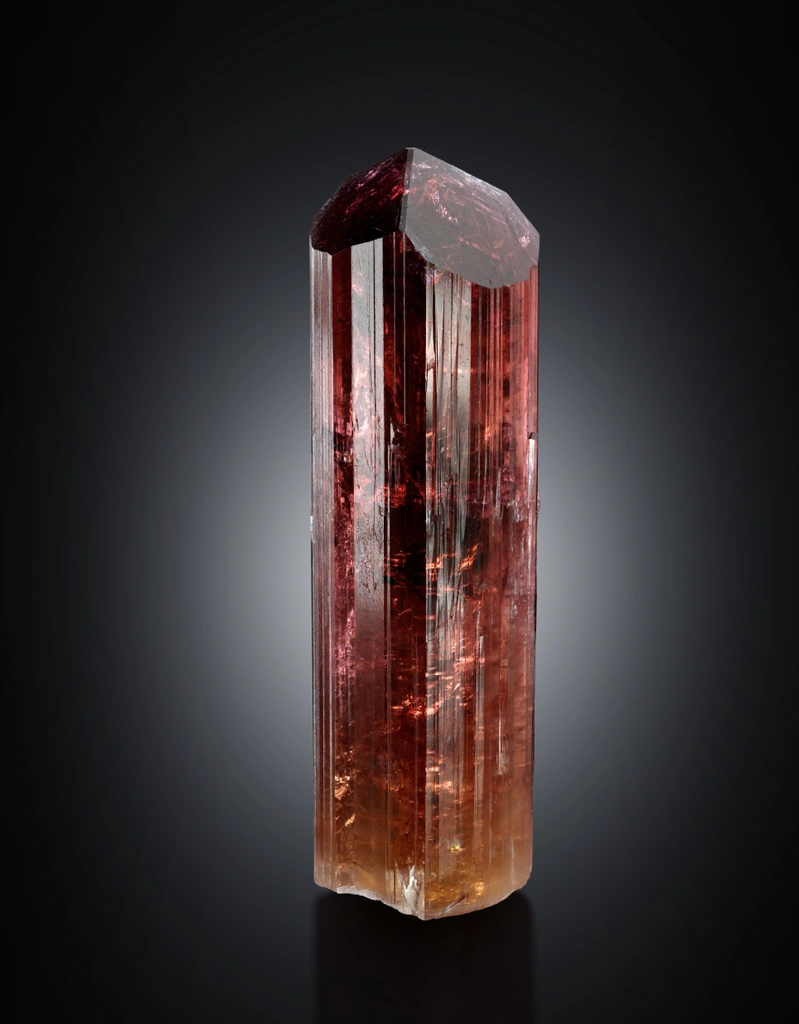
Liddicoatite is a tourmaline variety that forms in elongated, prismatic crystals often with strong pleochroism and a vitreous to resinous luster. The mineral commonly shows a range of colours due to trace elements, and specimens can present complex zonation along the crystal faces. Crystals frequently occur in pegmatites and hydrothermal environments, producing well-formed, tabular to prismatic habits that attract collectors seeking bold colour and rare growth forms.
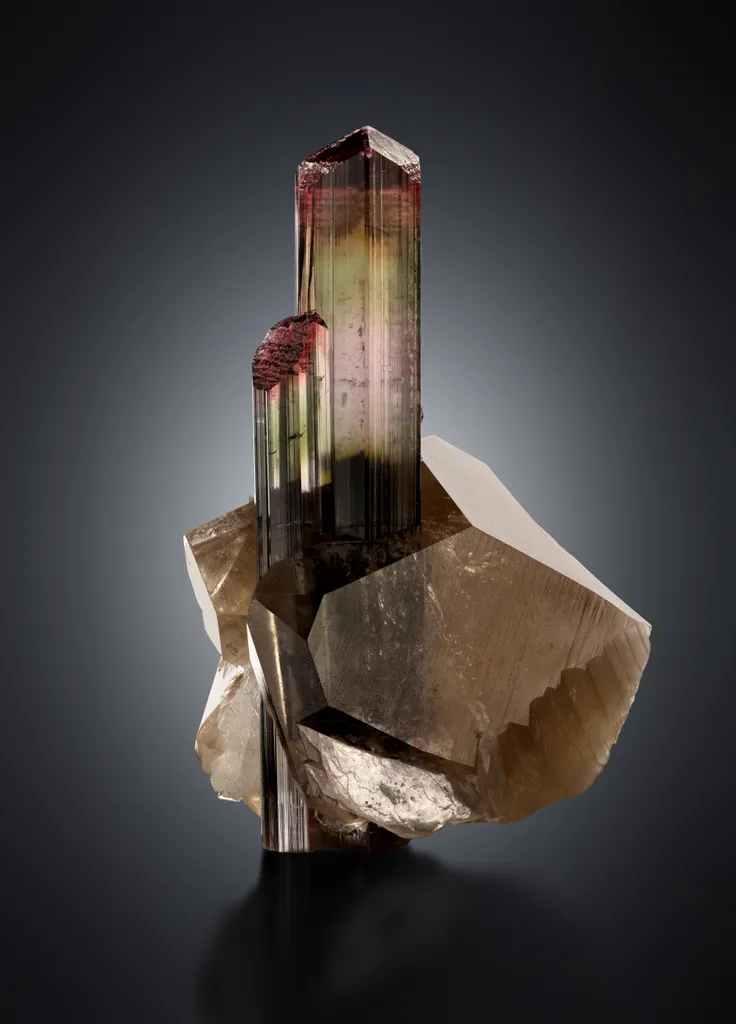
Notable specimens come from Madagascar, Vietnam, Brazil, and Switzerland, where rich pegmatite pockets yield notable terminations and clean, gemmy crystals. Collectors value Liddicoatite for its aesthetic colour distribution and good crystal integrity, often cut as cabinet specimens or retained as pristine crystals for display. The species sits within the broader tourmaline family, sharing its characteristic prismatic habit, hexagonal cross-sections, and layered, chambered termination patterns, while offering distinctive colour zoning and sometimes intense pleochroism that enhances its display appeal.