$475Median
2Sold (12 mo)
$100Last sale
10 in the gallery
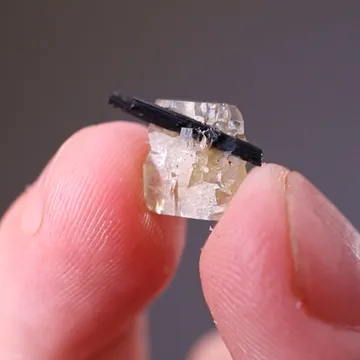
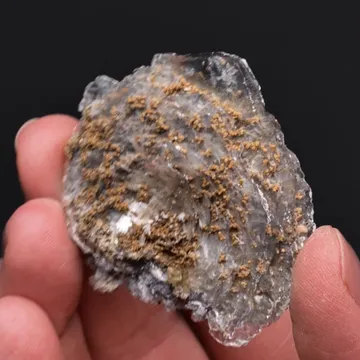
Leucophanite is a silicate mineral in which sodium, calcium, beryllium, and aluminum form a framework that hosts fluorine. Crystals are typically transparent to translucent with a vitreous to subadamantine luster and color that ranges from pale colorless to faint yellow. It often occurs as well-formed, prismatic or tabular crystals in pegmatite veins, sometimes associated with other beryllium- and lithium-rich minerals, which makes field localities and collecting a compelling pursuit for mineral enthusiasts.
Notable specimens come from Canada, where pegmatite deposits have yielded well-crystallized leucophanite crystals. In hand specimens the mineral presents a clean, glassy appearance that can reveal faint zoning and internal clarity, making it a desirable addition to a cabinet of minerals. Collectors value leucophanite for its rarity in the field and its crisp crystal habit when pristine, as well as for its connection to the complex geochemistry of Be-bearing pegmatites.