
Guide

13 for sale · $75–$2,500 USD
112 in the gallery
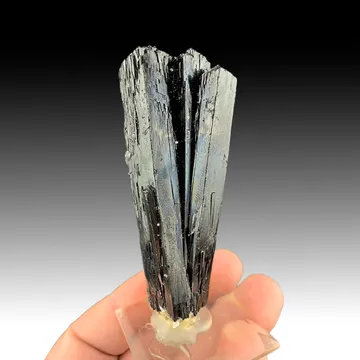
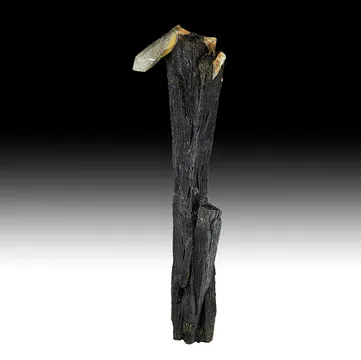
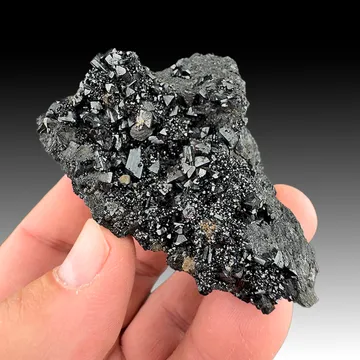
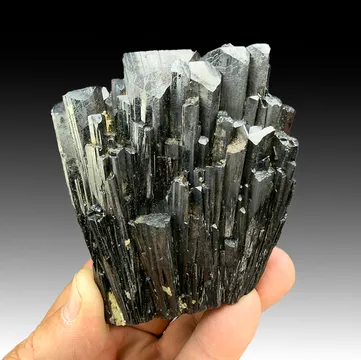
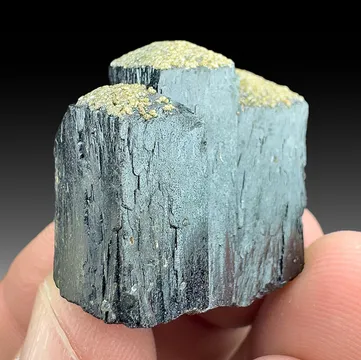
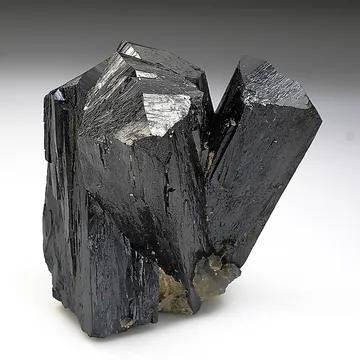
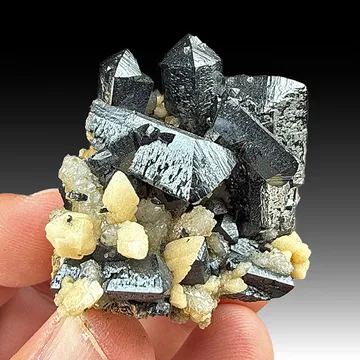
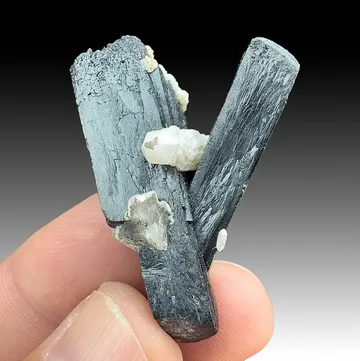
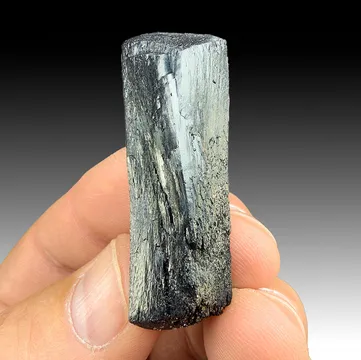
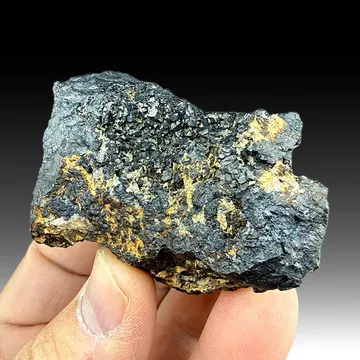
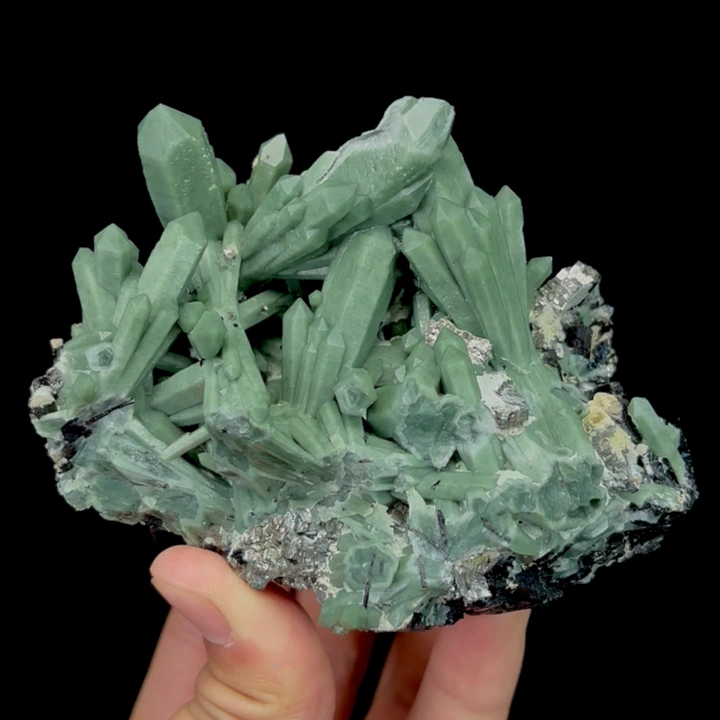
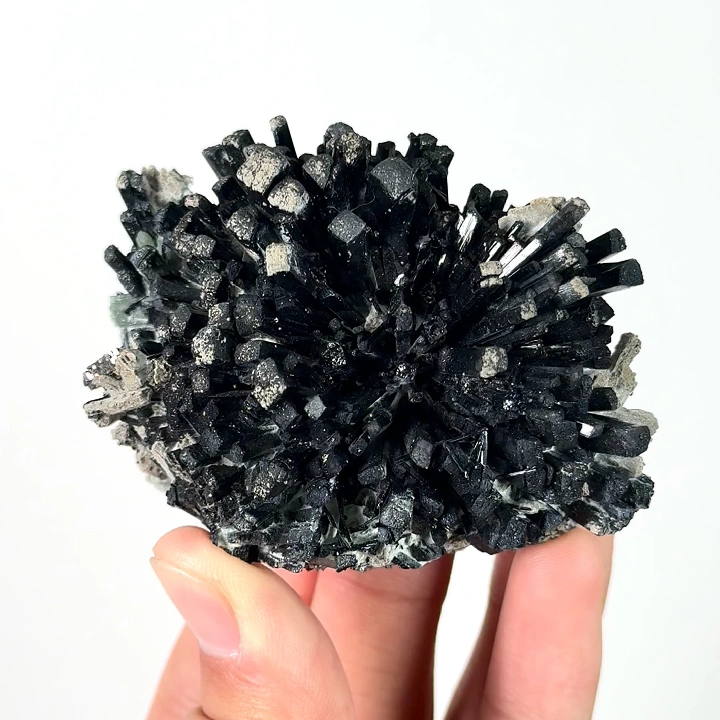
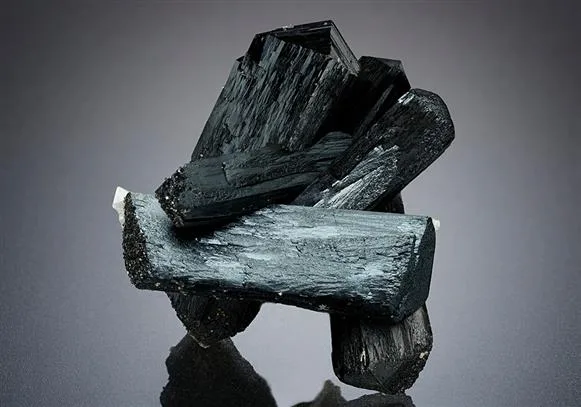
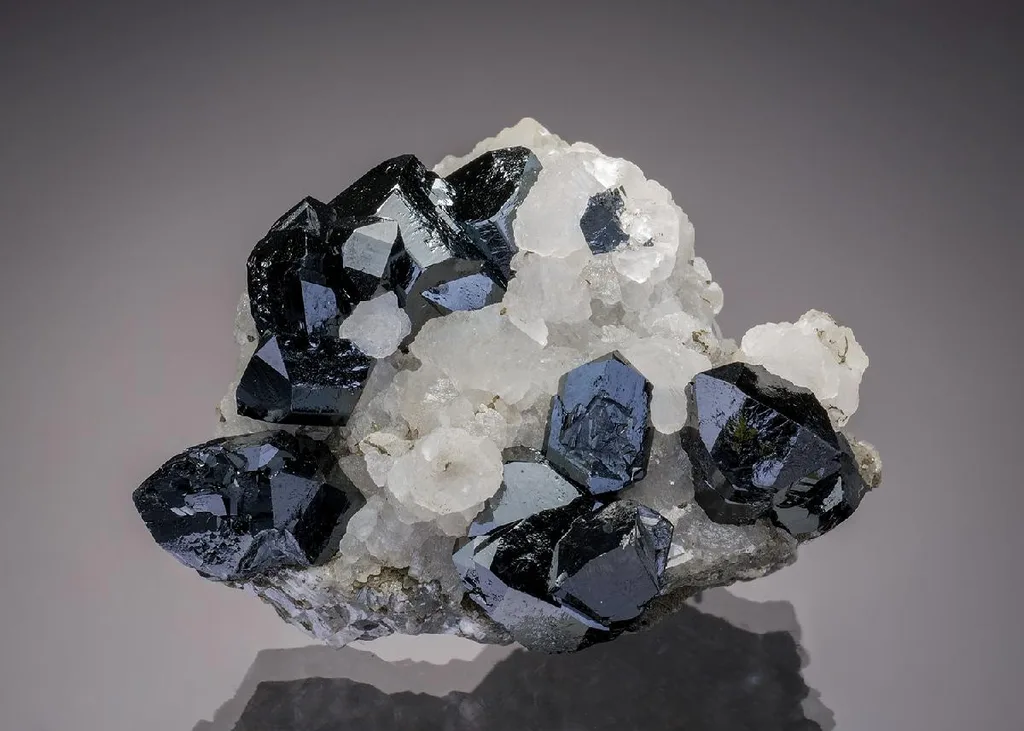
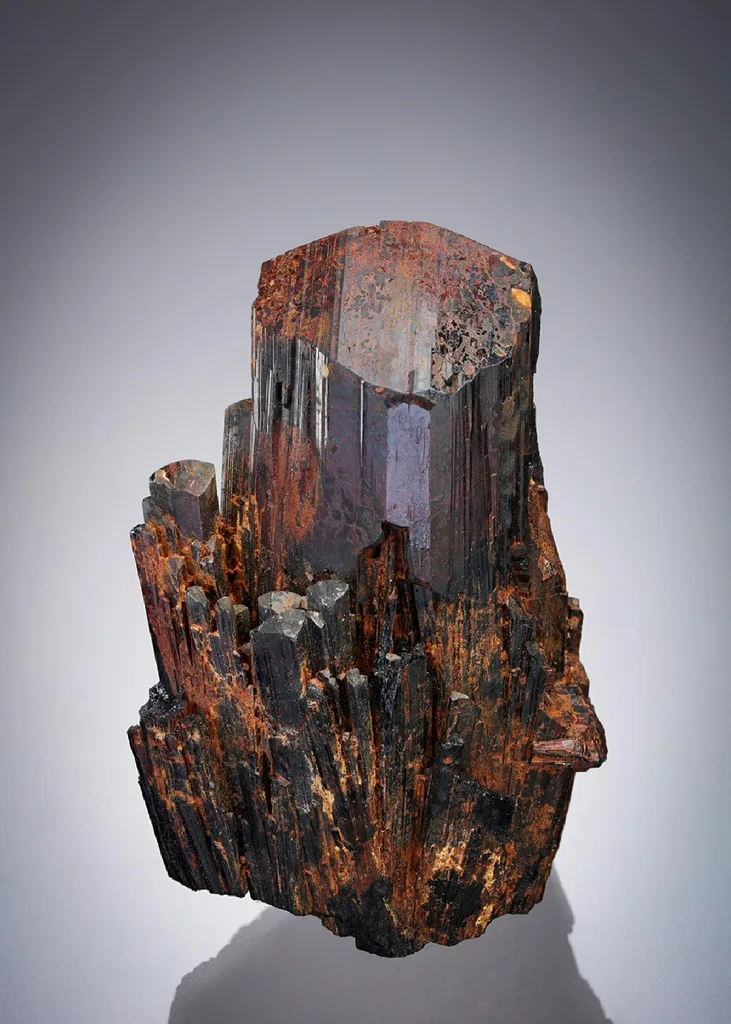
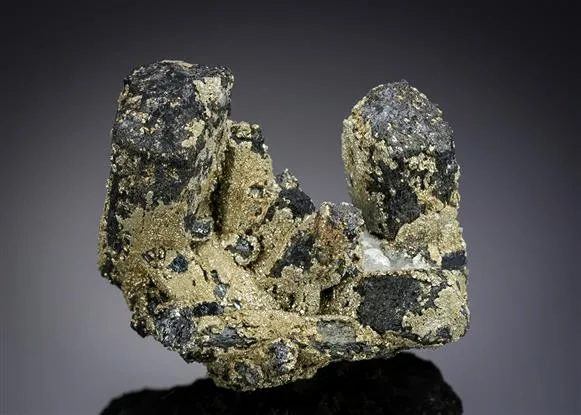
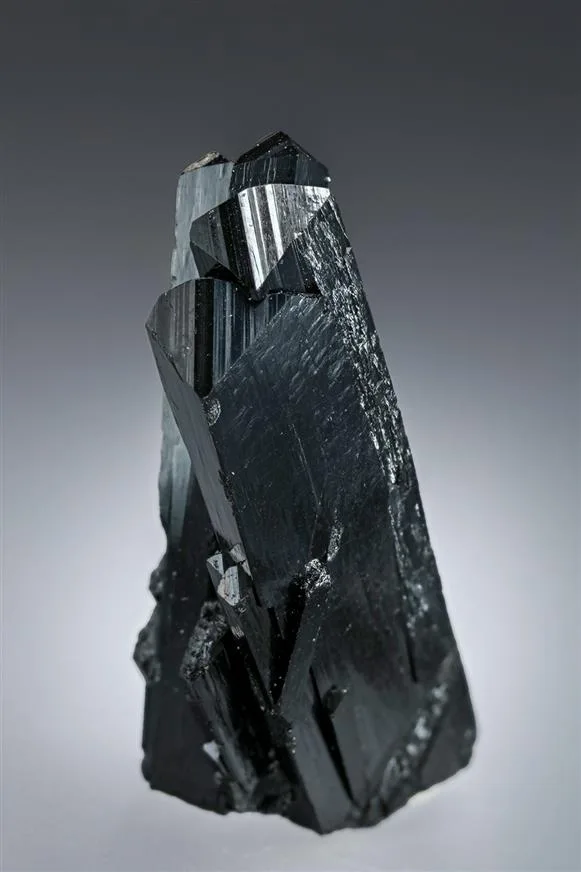
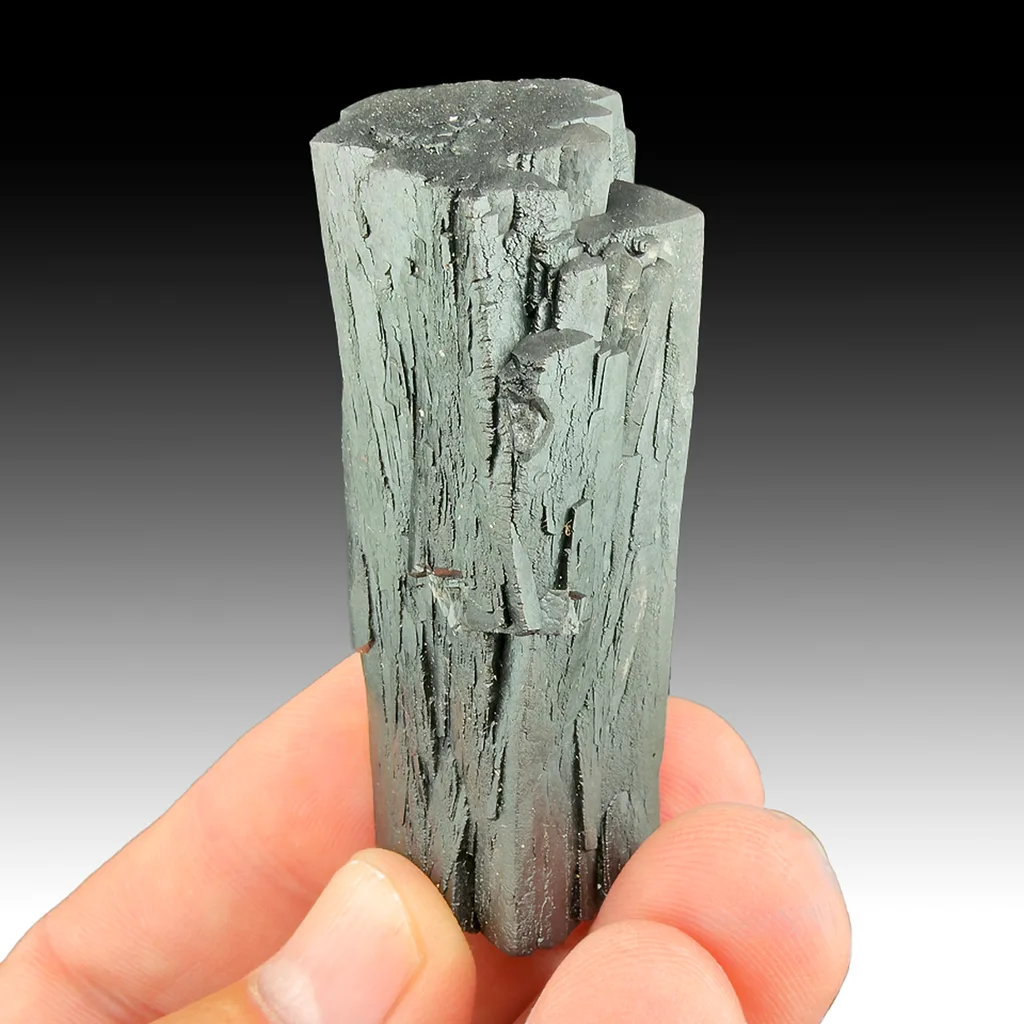
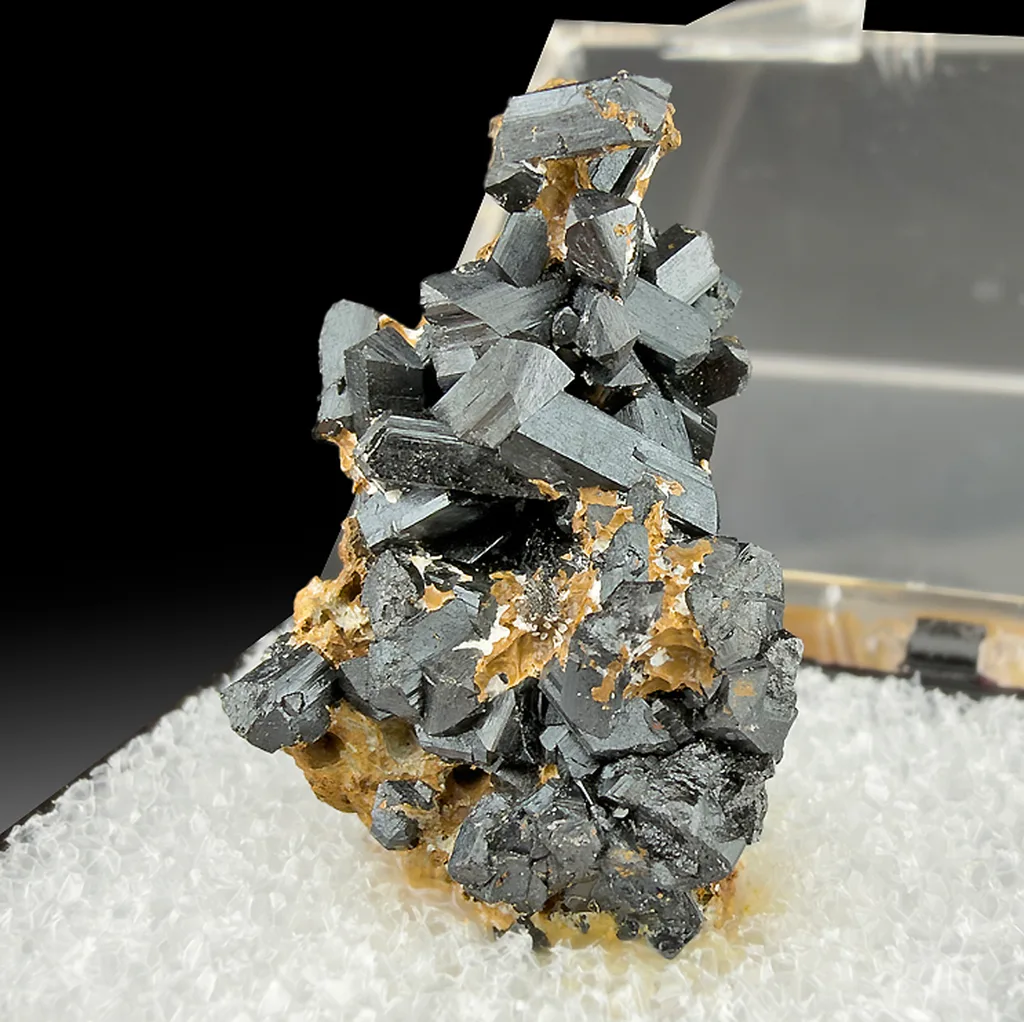
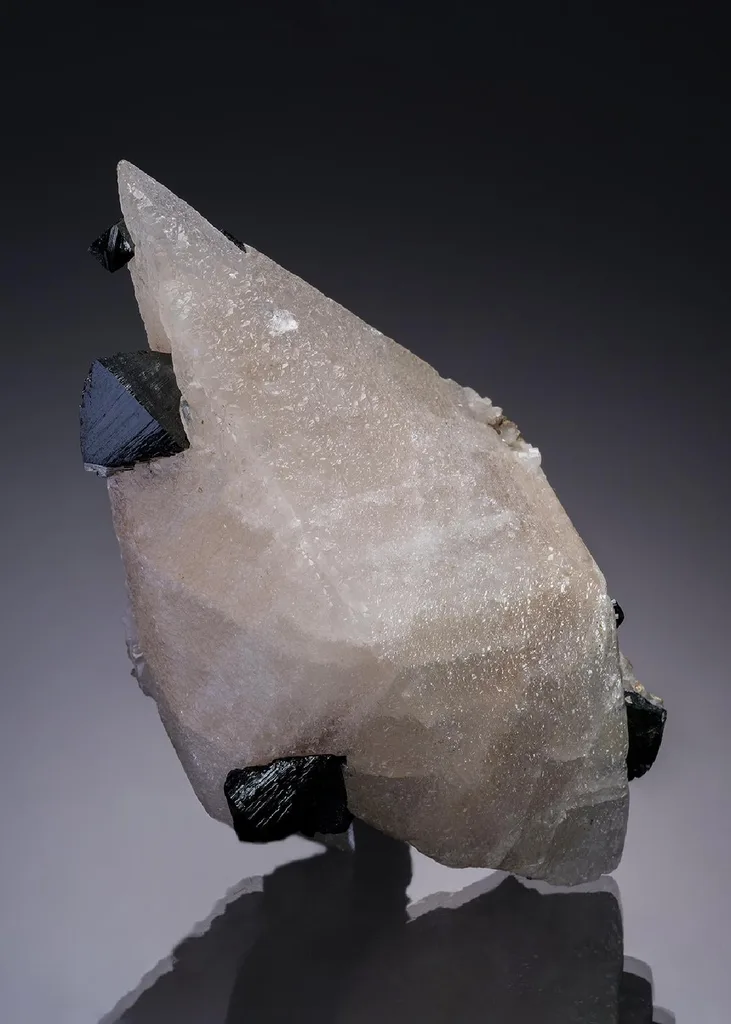
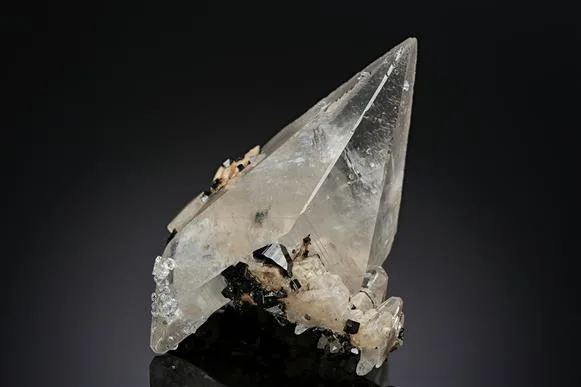
Ilvaite is a calcium iron silicate mineral that forms in monoclinic crystals and compact masses. It typically presents a dark brown to black to olive-green color with a glassy to sub-metallic lustre and a somewhat vitreous appearance. The mineral commonly occurs in hydrothermal veins and skarn deposits, often intergrown with magnetite, calcite, and other iron-rich minerals, producing clusters that are attractive to collectors for their distinctive elongated prismatic habits. Superior specimens show well-formed crystals with sharp terminations and occasional black, metallic surfaces that catch the light in cabinet displays.
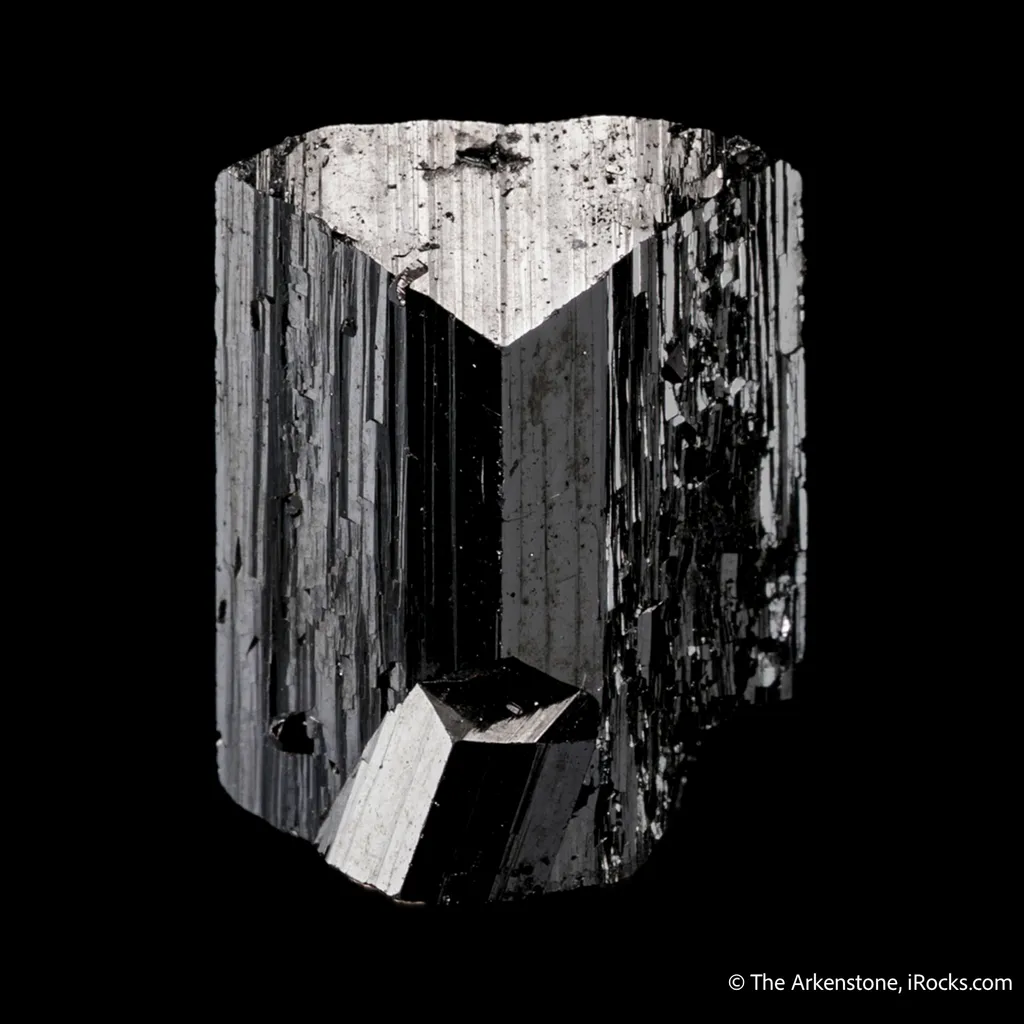
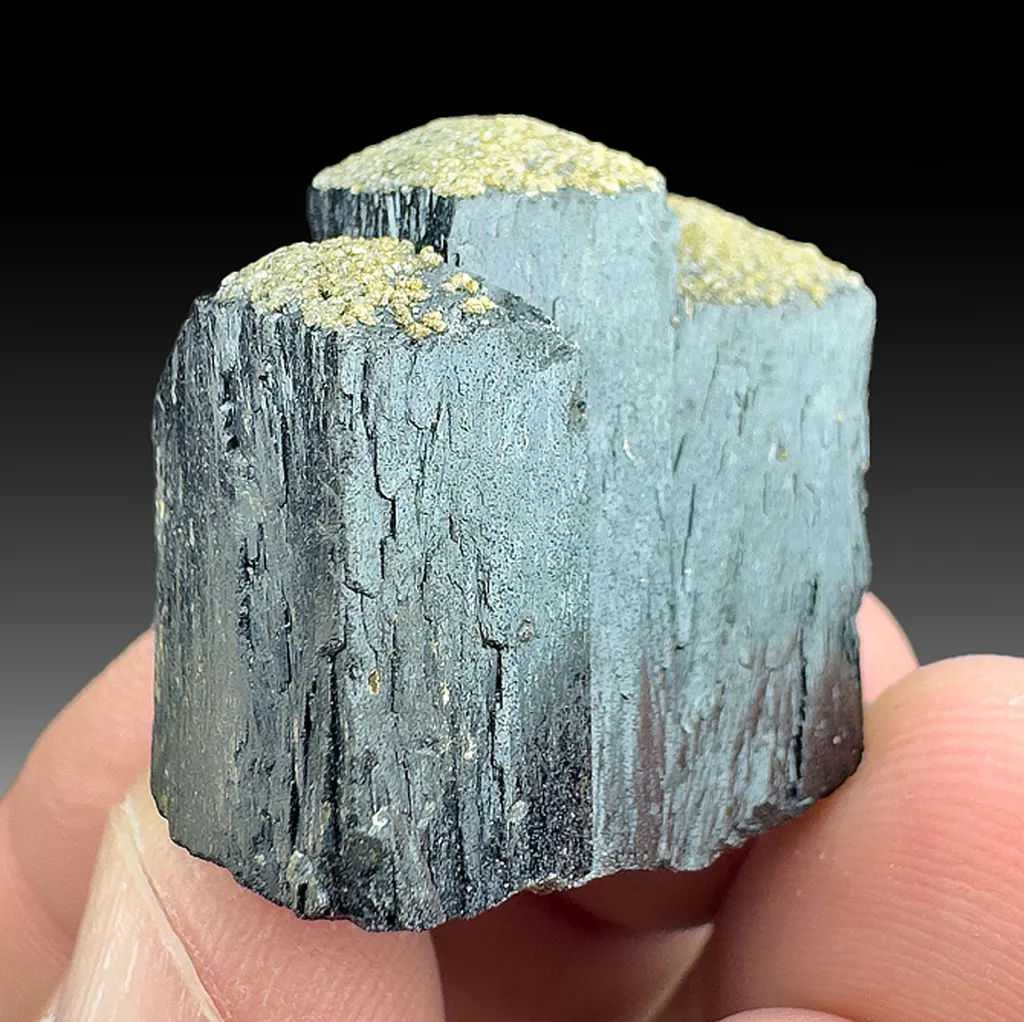
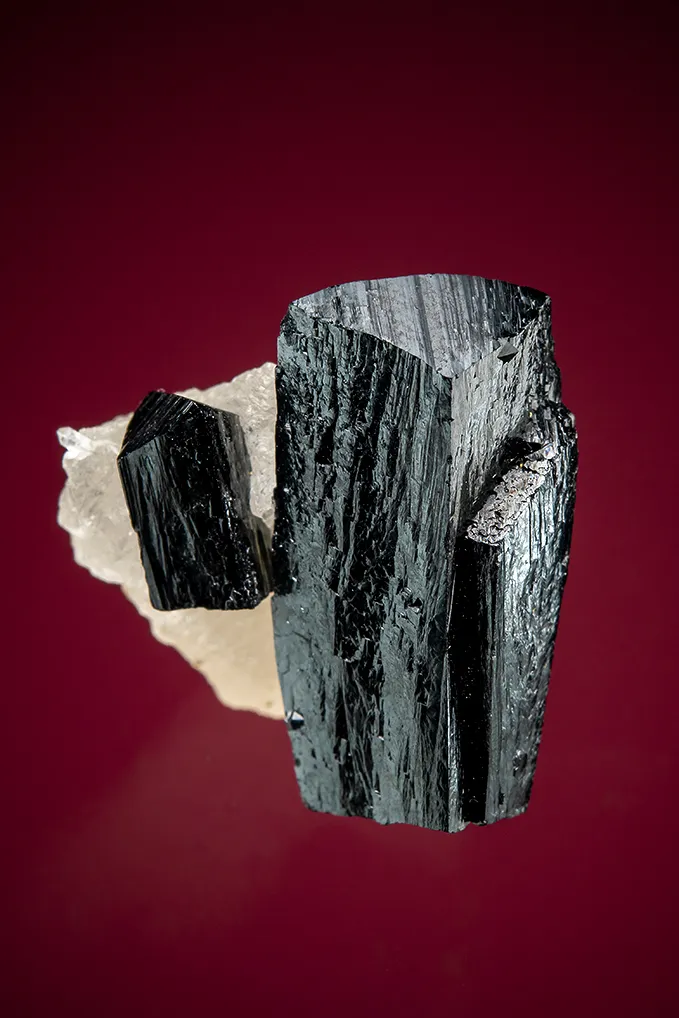
Notable specimens come from several key sources around the world, including China and Russia, with important occurrences in the United States, Greece, and Italy. Localities known to yield well-crystallized ilvaite contribute to both the mineral's scientific interest and an appealing aesthetic for showpieces and educational samples. Collectors prize ilvaite for its dense crystal form, its rich iron-containing composition, and the contrast it can provide when paired with lighter minerals in a display. Its presence in hand specimens or cabinet-sized pieces adds a bold, crystalline accent.