$1,443Median
2Sold (12 mo)
$2,830Last sale
2 for sale · $900–$2,830 USD
16 in the gallery
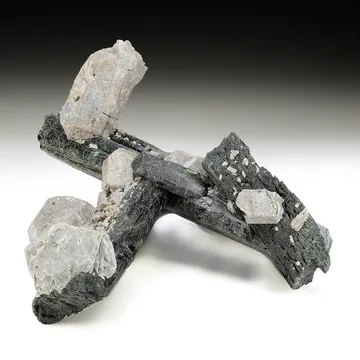
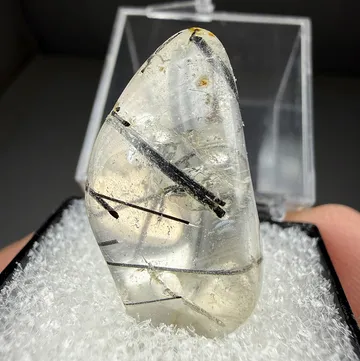
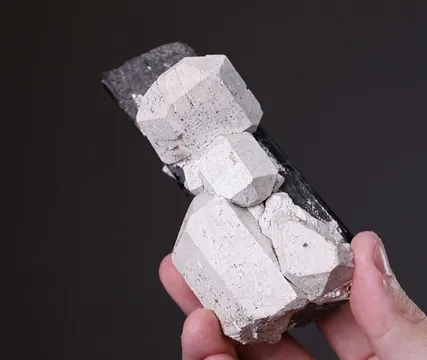
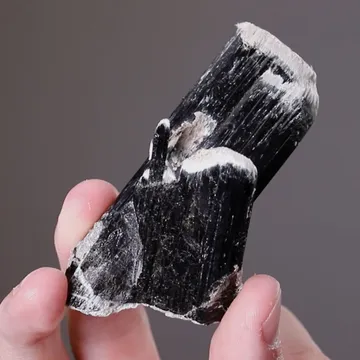
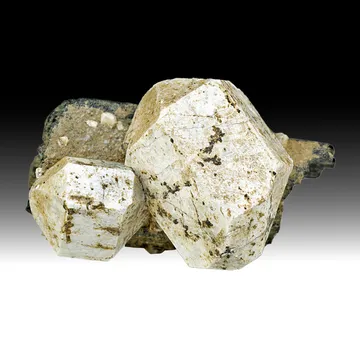
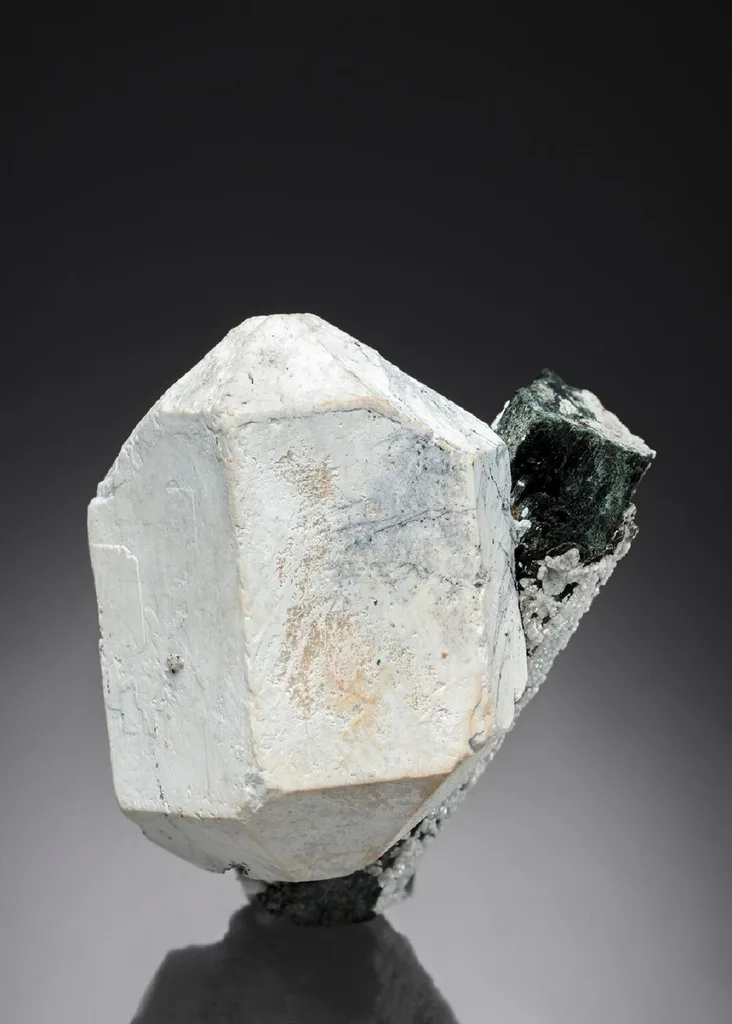
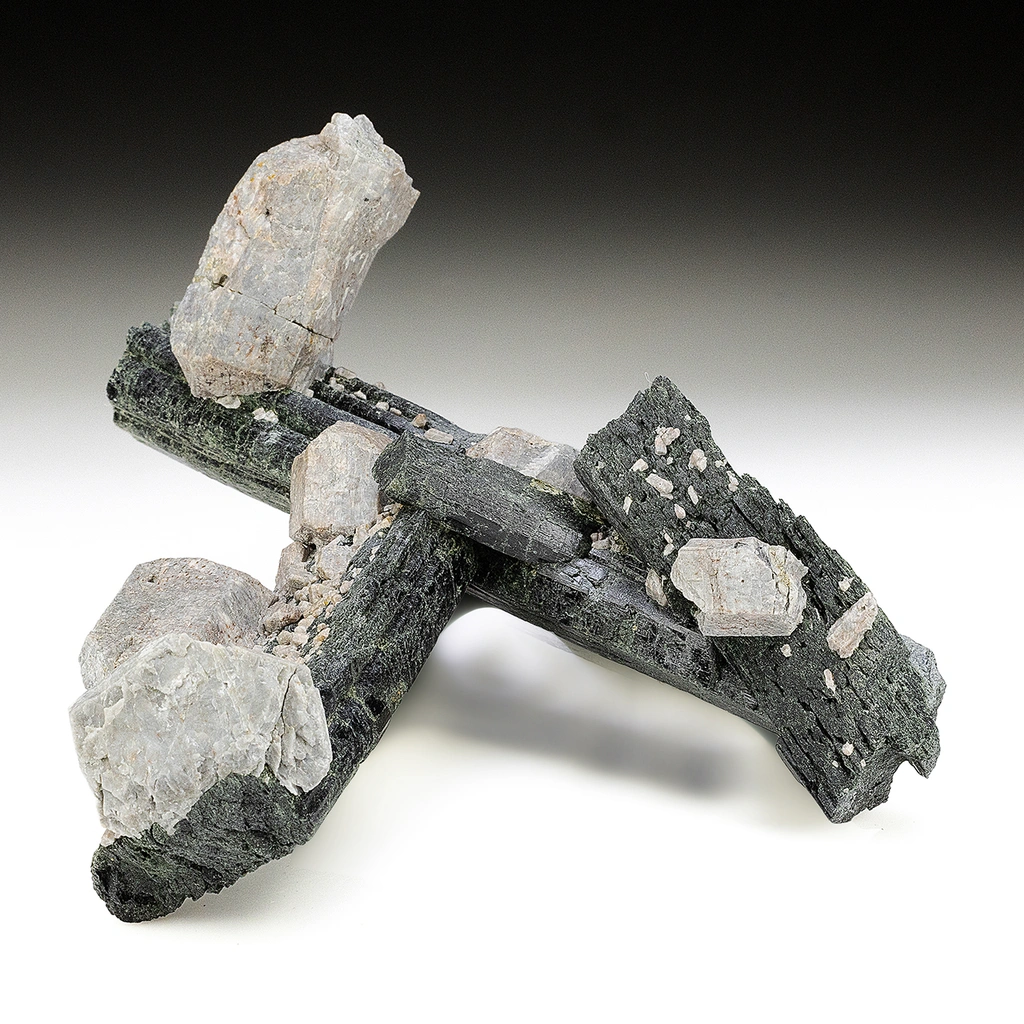
Hornblende is a common amphibole mineral that forms in dark green to black crystals with a characteristic elongated, prismatic habit and a vitreous to silky lustre. It often occurs in foliated to granular metamorphic rocks and intrusive igneous environments, where it can appear as slender prisms or as intergrown masses that reflect light with a subtle sheen. Colors range from deep green to brownish hues, and twinning or acicular aggregates are frequently observed in hand specimens. Notable localities include Norway, Iran, Germany, the USA, and Myanmar, where hornblende occurs in a variety of rock types, from granulites to schists and diorites, sometimes forming sizable, well-formed crystals suitable for display.
Collectors prize hornblende for its strong crystal forms and its role as a window into the conditions of metamorphism and magmatic differentiation. Specimens with well-defined, elongated prisms, sharp terminations, and clean faces are especially sought after, as they reveal the mineral’s robust crystal chemistry and the textures produced during cooling and deformation of rocks. While not rare, high-quality, aesthetic displays that clearly show cleavage and lustre can be highly attractive to mineral enthusiasts seeking classic amphibole morphology.