$300Median
1Sold (12 mo)
$300Last sale
2 in the gallery
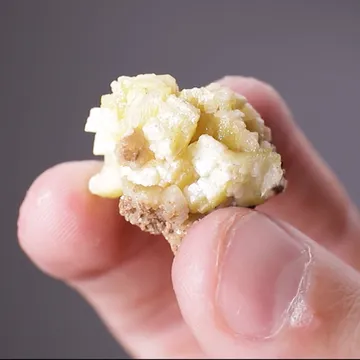
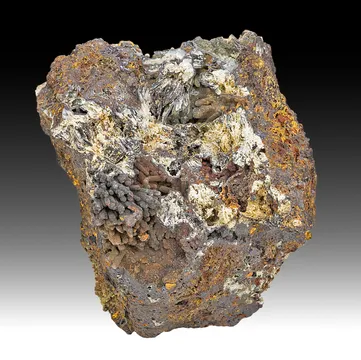
Hinsdalite is a phosphate-sulfate mineral that forms as elongated or tabular crystals in secondary hydrothermal settings. It commonly exhibits a pale yellow to colorless or light brown color and a vitreous to resinous luster, often occurring as prismatic to tabular aggregates. The mineral’s composition includes lead, aluminum, phosphate, sulfate, and hydroxide, and it can appear in radiating or layered habits in specific alteration zones.
Notable specimens have been reported from Australia, where secondary deposits can provide well-formed crystals under suitable host rocks and fracturing. Collectors prize Hinsdalite for its structural variety and the way its crystal faces reflect light, offering bright, clean prisms in hand specimens and cabinets. While it may be less common globally, high-quality examples with sharp form and minimal alteration stand out in mineral displays and curated collections.