$280Median
3Sold (12 mo)
$250Last sale
2 for sale · $29–$1,200 USD
9 in the gallery
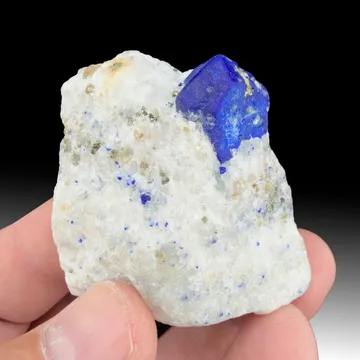
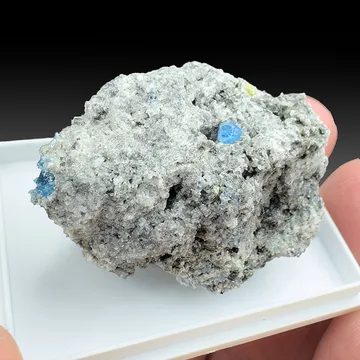
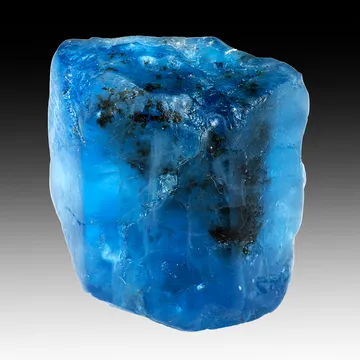
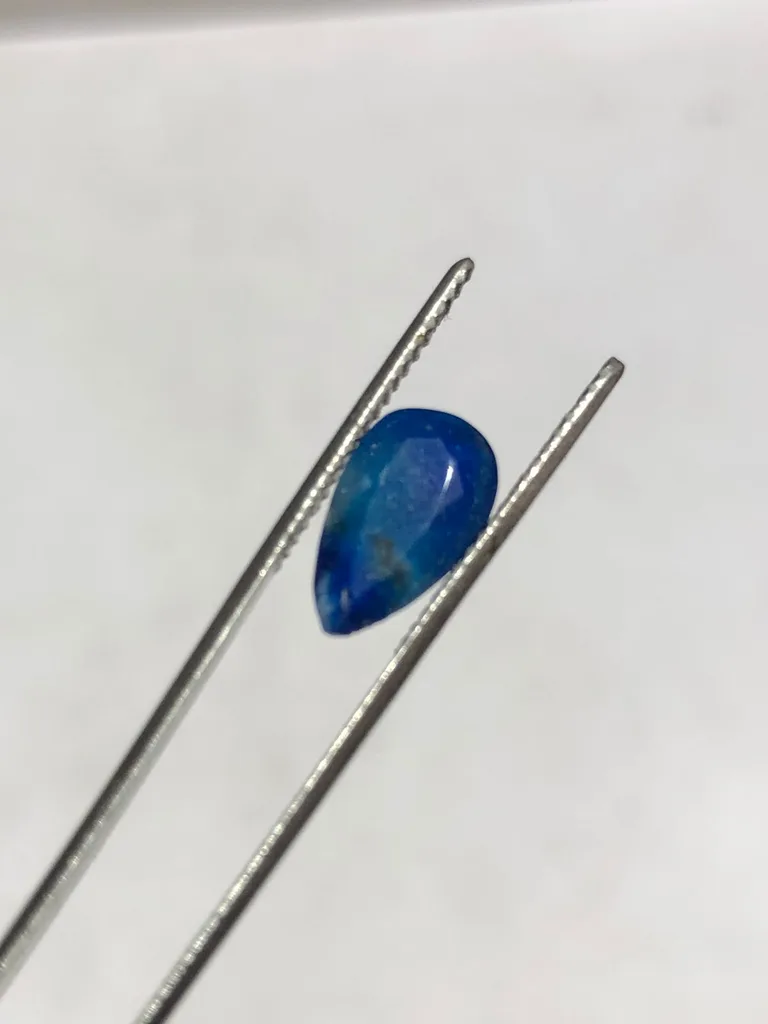
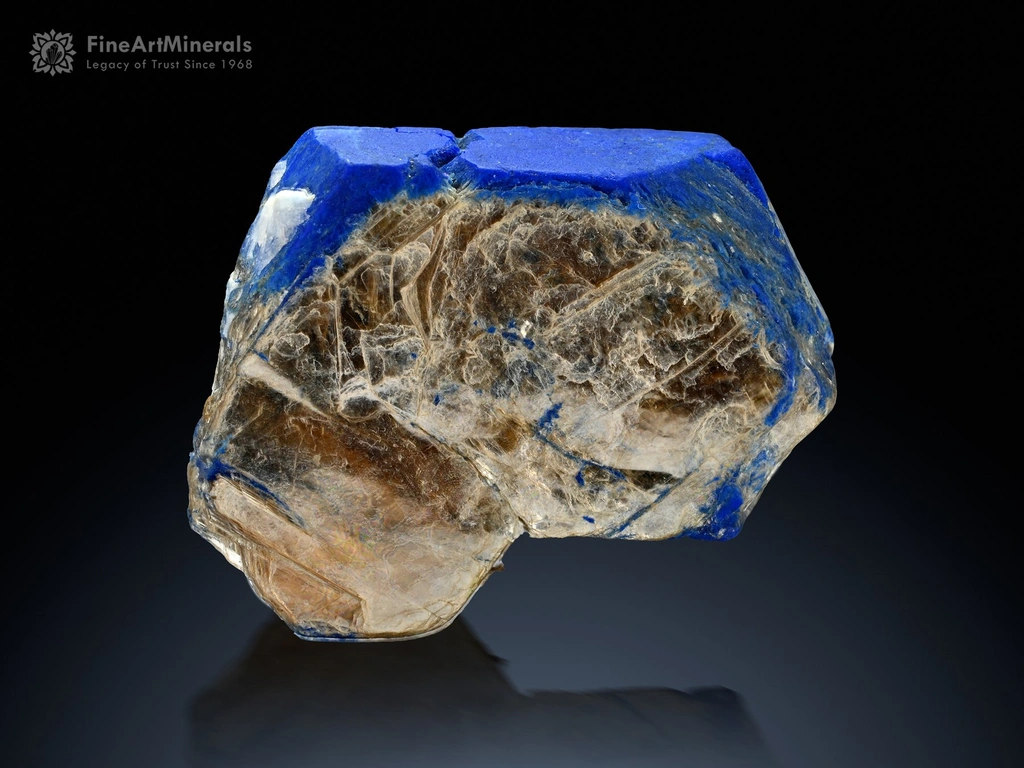
Haüyne is a blue to violet feldspathoid mineral that forms in low-silica igneous rocks such as nephelinite and melilitite. It typically occurs as prismatic to tabular crystals or masses with a vitreous to adamantine luster and a distinctive blue to violet color due to sulfur-related substitutions in its structure. Crystals can be transparent to translucent and often show good relief against contrasting matrix, making them highly prized by collectors.
Notable localities include Afghanistan, Germany, Italy, and France, where Haüyne specimens have been recovered from alkaline igneous complexes and carbonatite-associated deposits. Specimens from these regions can display strong color zoning and well-formed crystals, sometimes accompanied by associated minerals like nepheline and sodalite, which help confirm the geological setting. Collectors value Haüyne for its saturated color, rarity in well-formed crystals, and the striking contrast against host rocks or matrix. Its optical clarity and the rarity of sizable, gem-grade pieces add to its appeal for display and study alike.