
Guide
9 for sale · $100–$3,000 USD
57 in the gallery
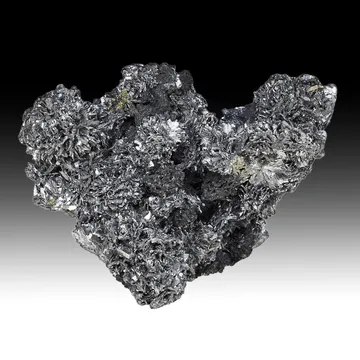
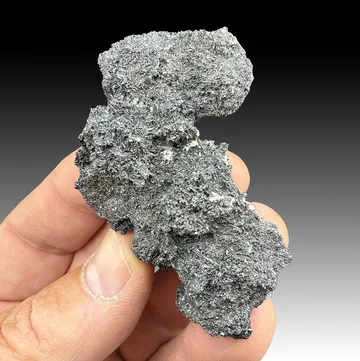
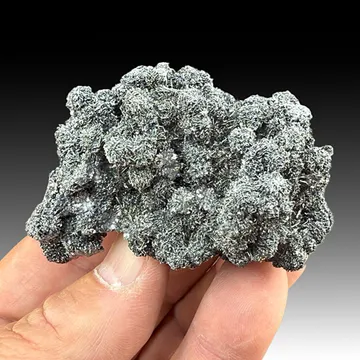
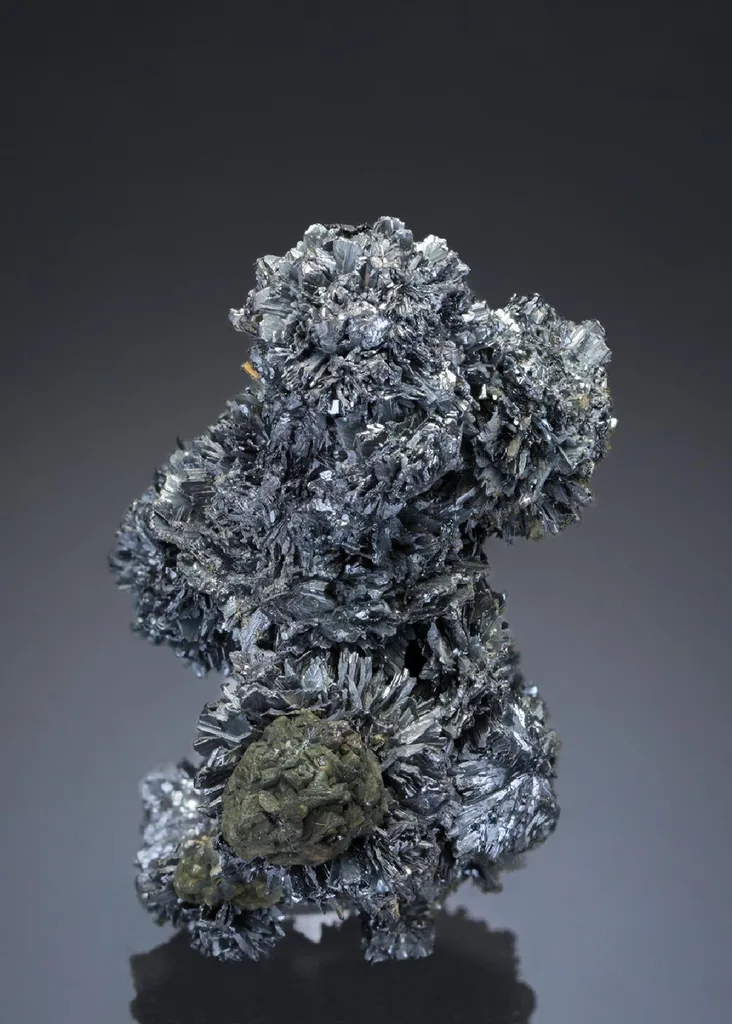
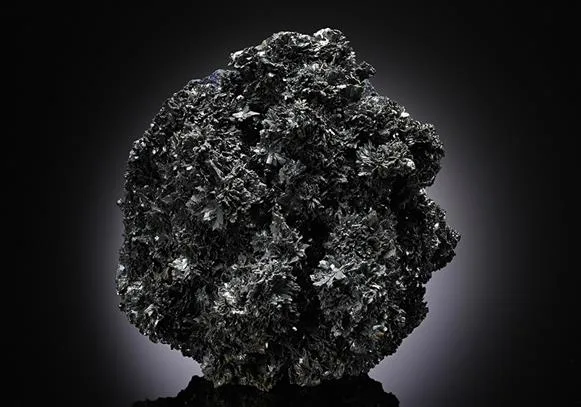
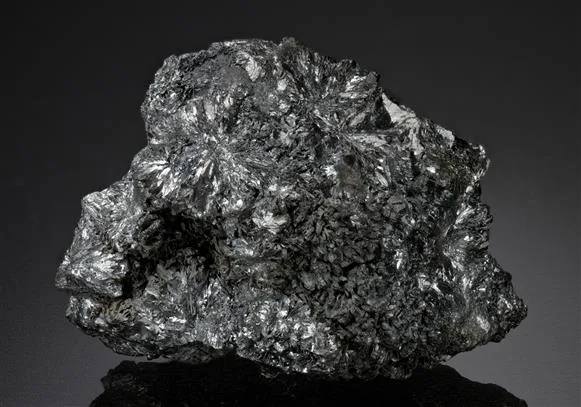
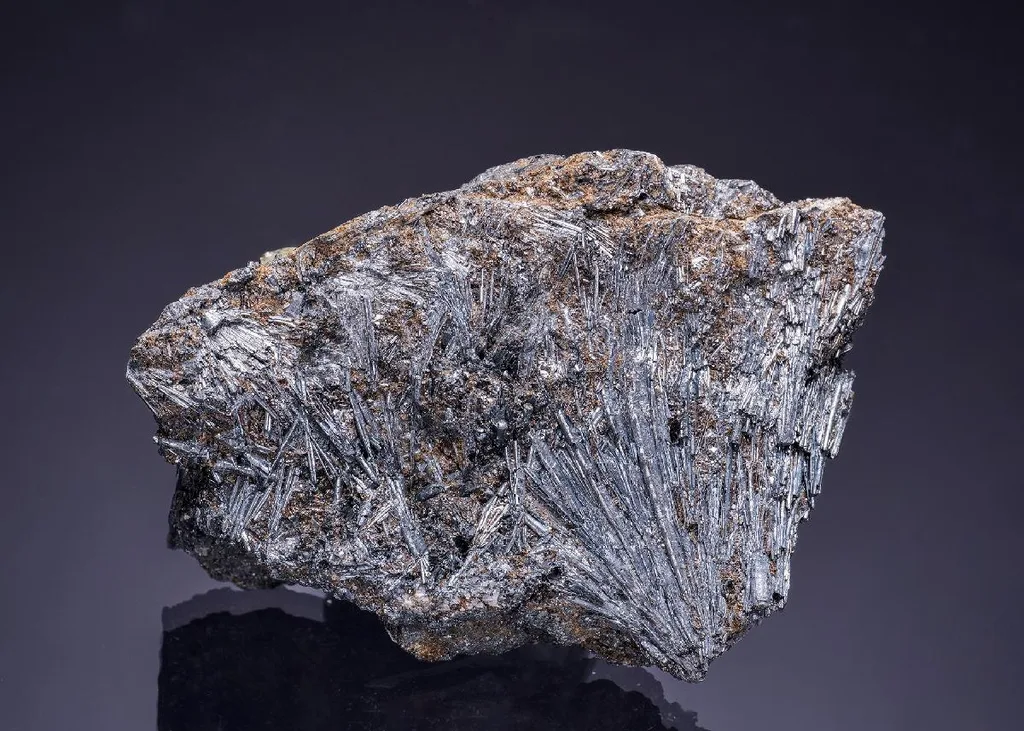
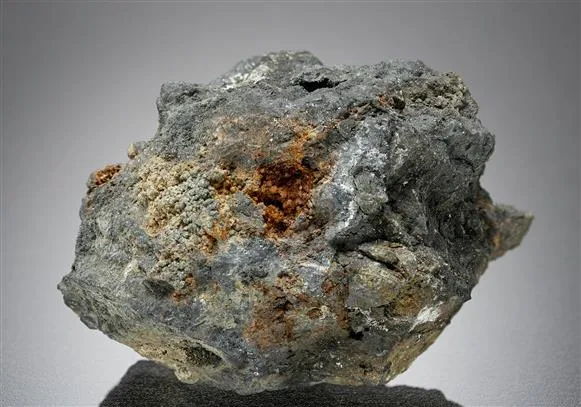
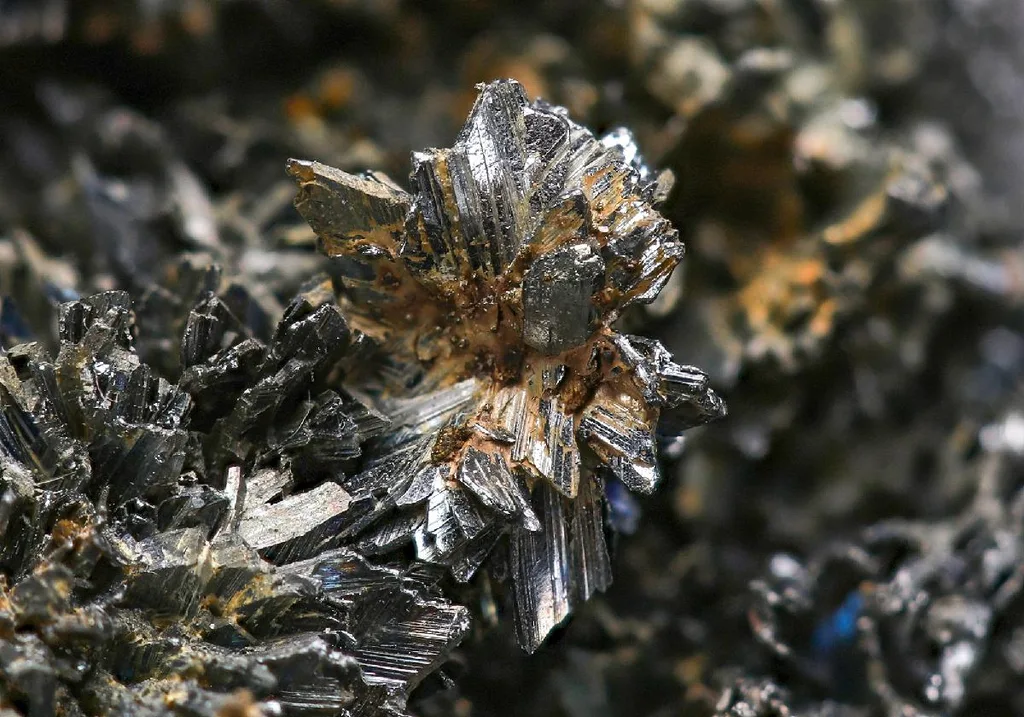
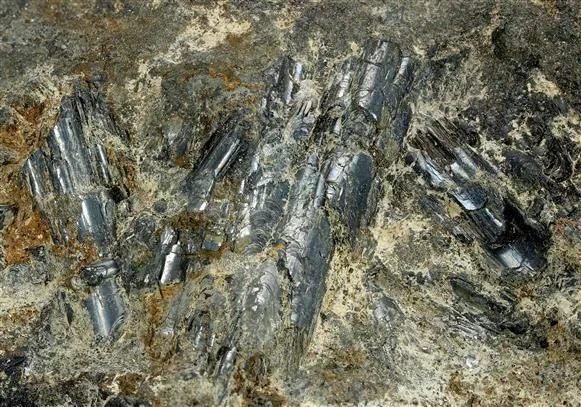
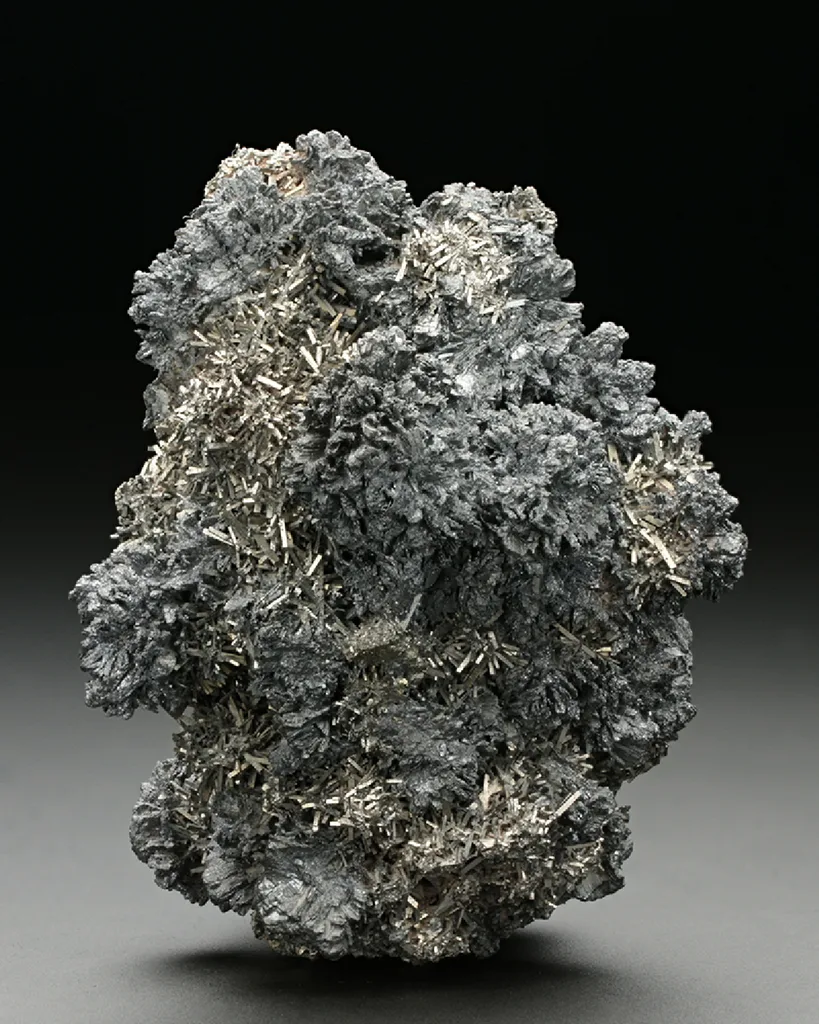
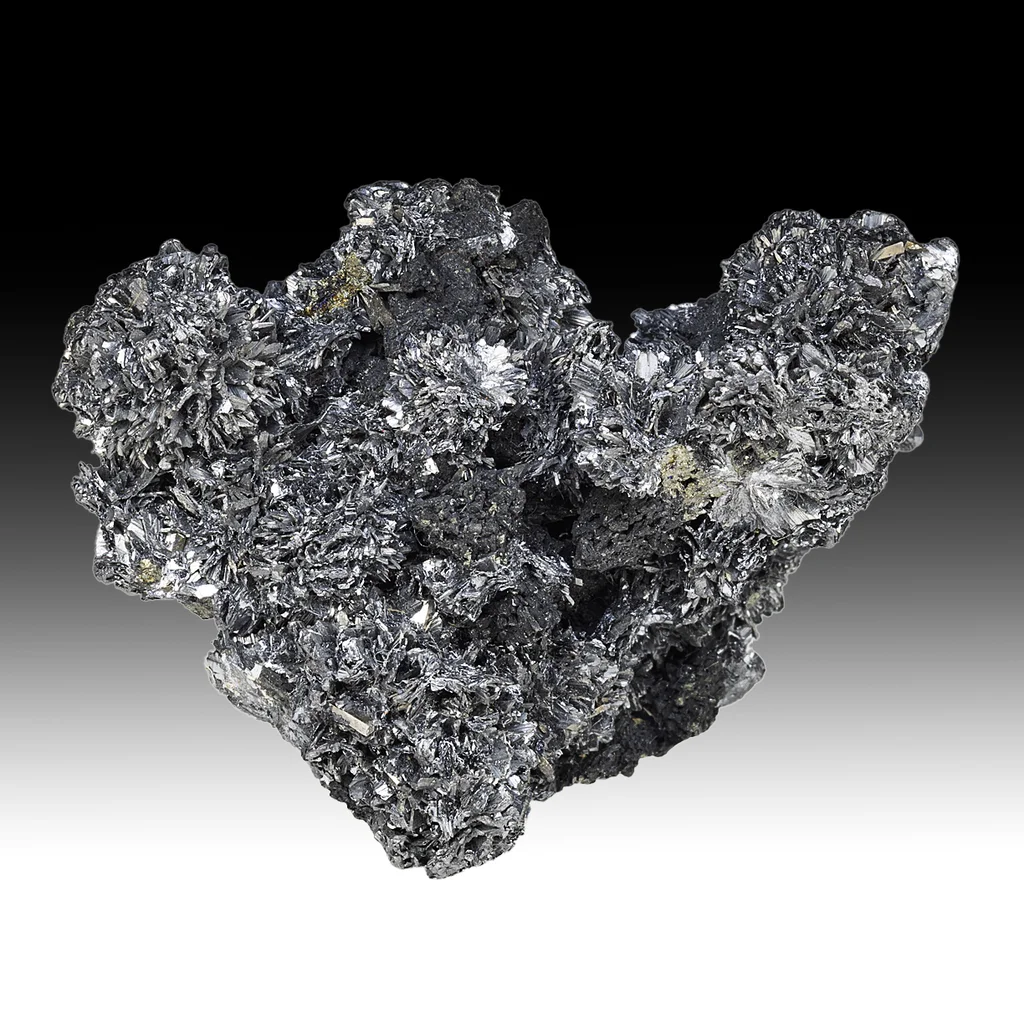
Franckeite is a sulfosalt mineral with a complex layered structure that combines iron(II), lead, tin and antimony sulfides. It typically forms as foliated to bladed aggregates with a platy to micaceous habit and a metallic to sub-metallic lustre that can range from pale gray to brass-like when underlying sulfides reflect light. Crystals and crusts are often intergrown with other sulfide minerals, producing intricate, banded textures that are striking under reflected light. The mineral’s color and sheen, along with its distinctive stacking, make it recognizable to experienced collectors, even in compact nodular specimens.
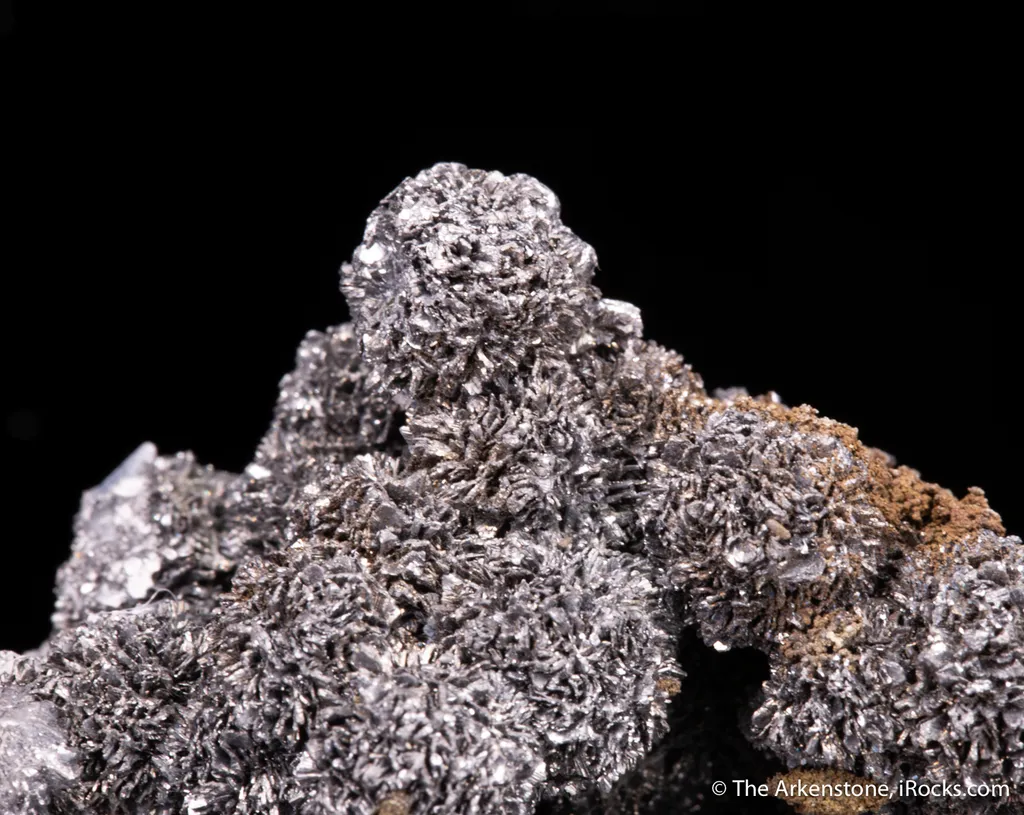
Notable specimens come from Bolivia and Argentina, where Franckeite is associated with hydrothermal ore veins and skarn environments. Historical and ongoing collecting localities yield sheets and crusts that show the mineral’s characteristic alternating layers and near-surface weathering halos. The interest for collectors lies in its unique, layered habit, the interplay of dark metallic surfaces with lighter reflective facets, and the way Franckeite can paradoxically display both brilliance and subdued tones in a single specimen. Fine examples often accompany other sulfides, providing contextual mineral associations for field and cabinet displays.