



$905Median
11Sold (12 mo)
$120Last sale
14 for sale · $100–$1,765 USD
123 in the gallery
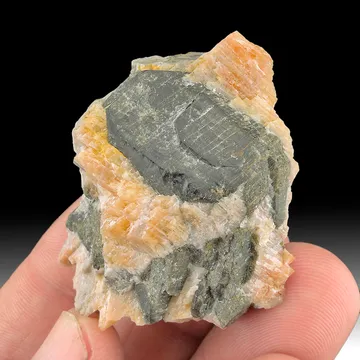
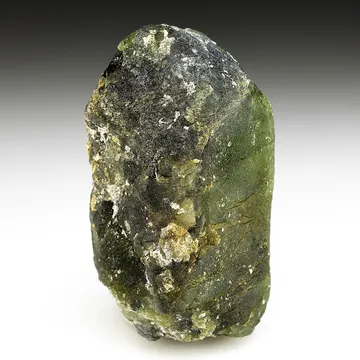
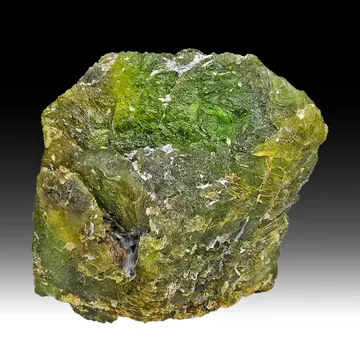
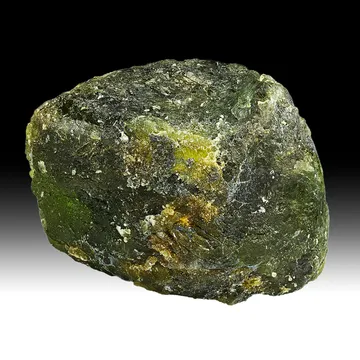
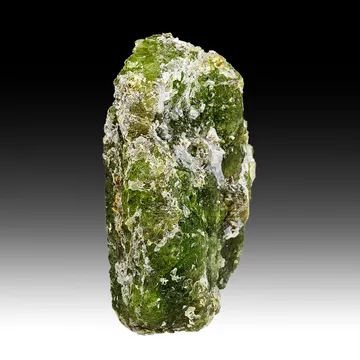
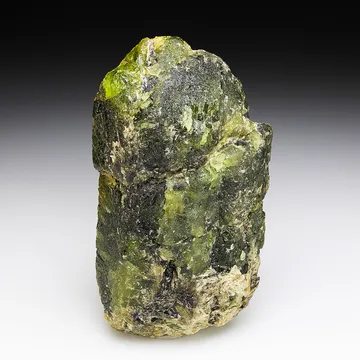
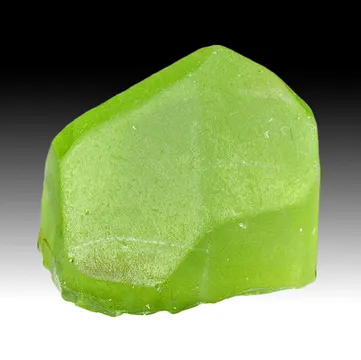
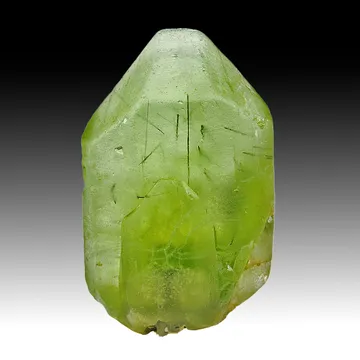
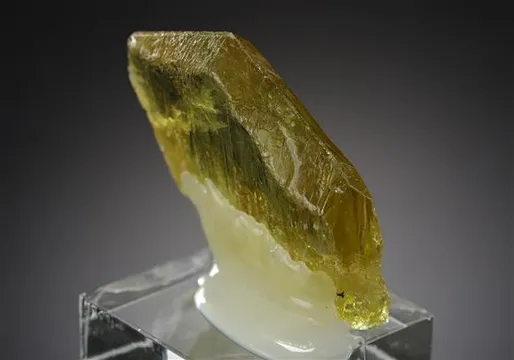
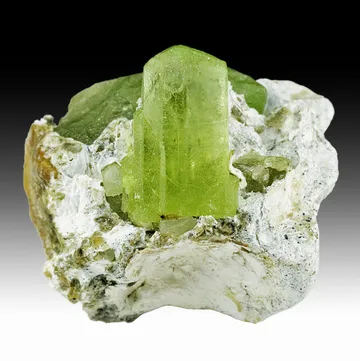
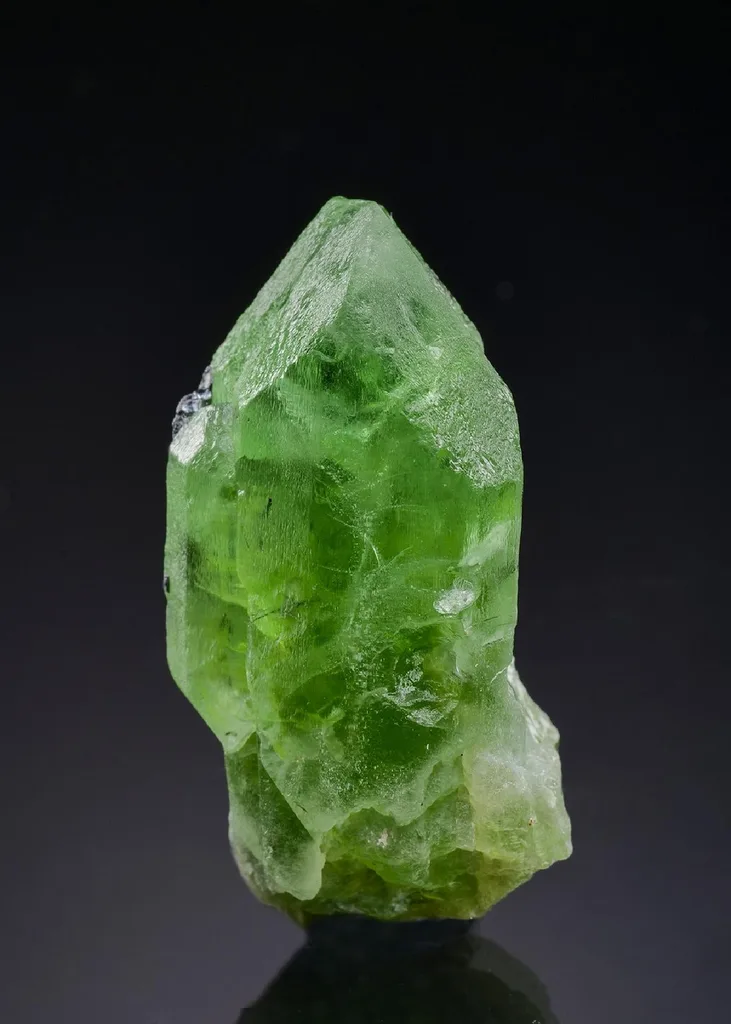
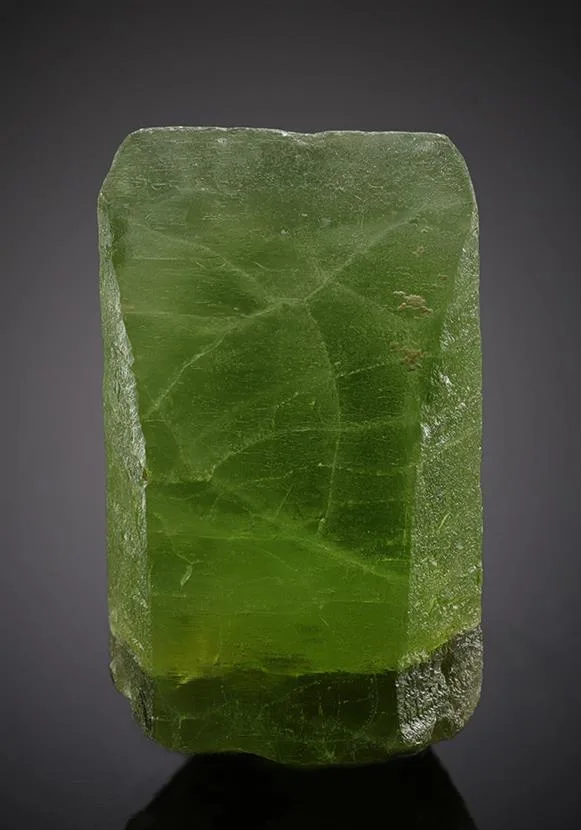
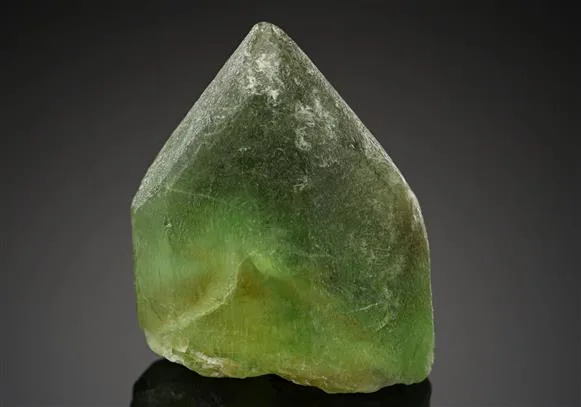
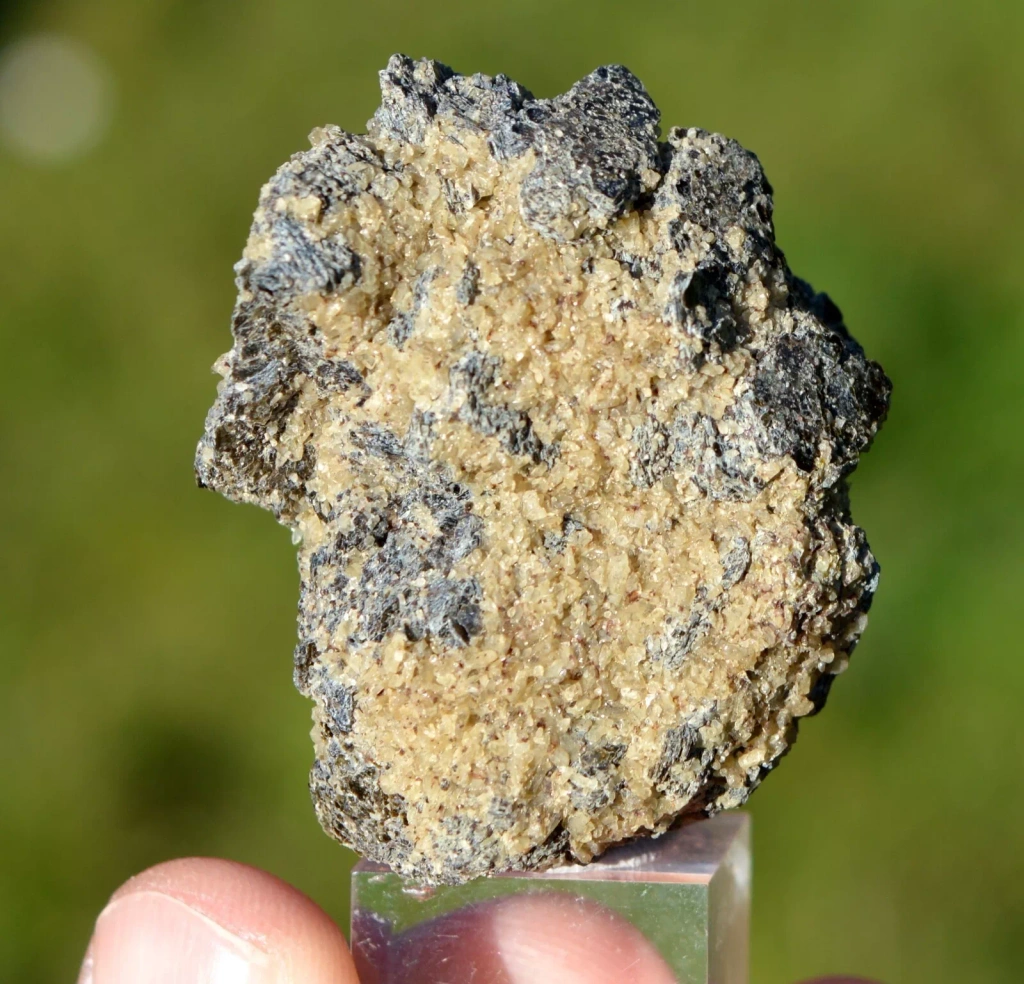
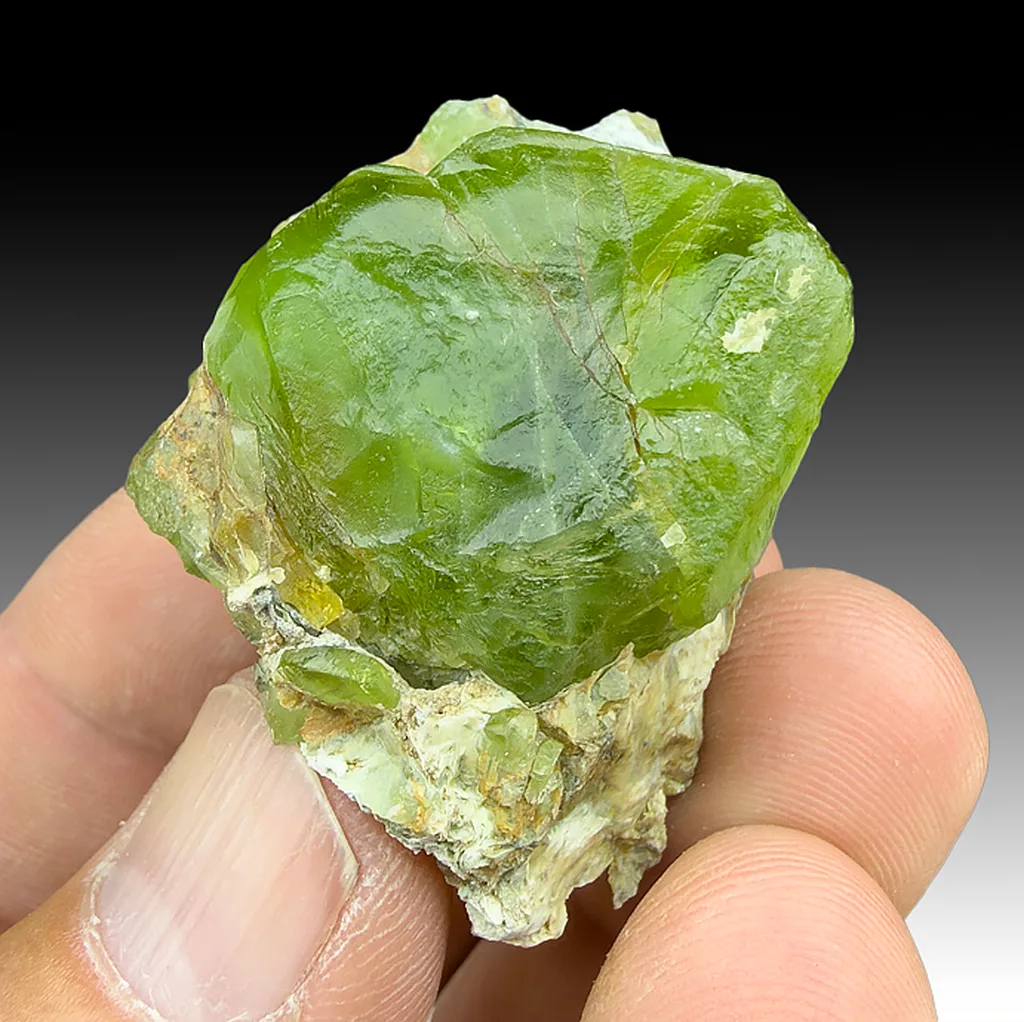
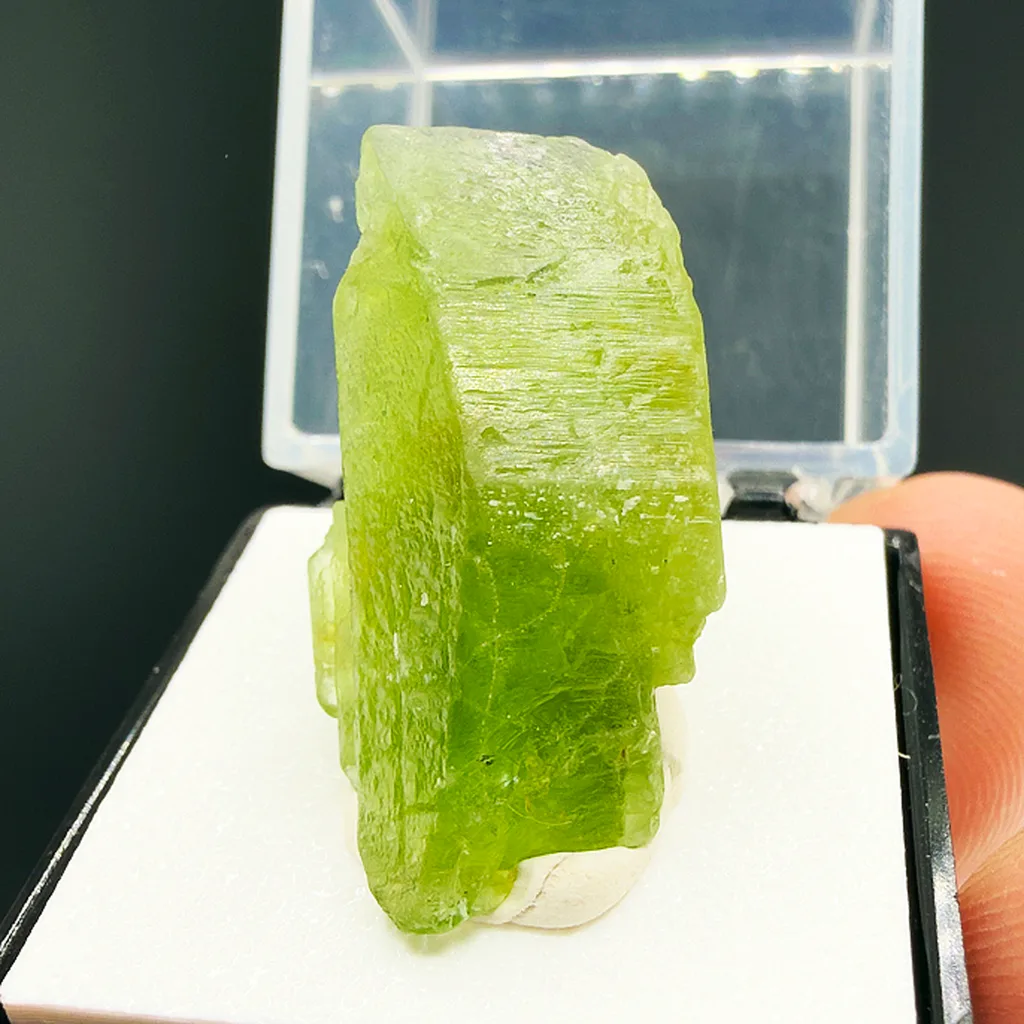
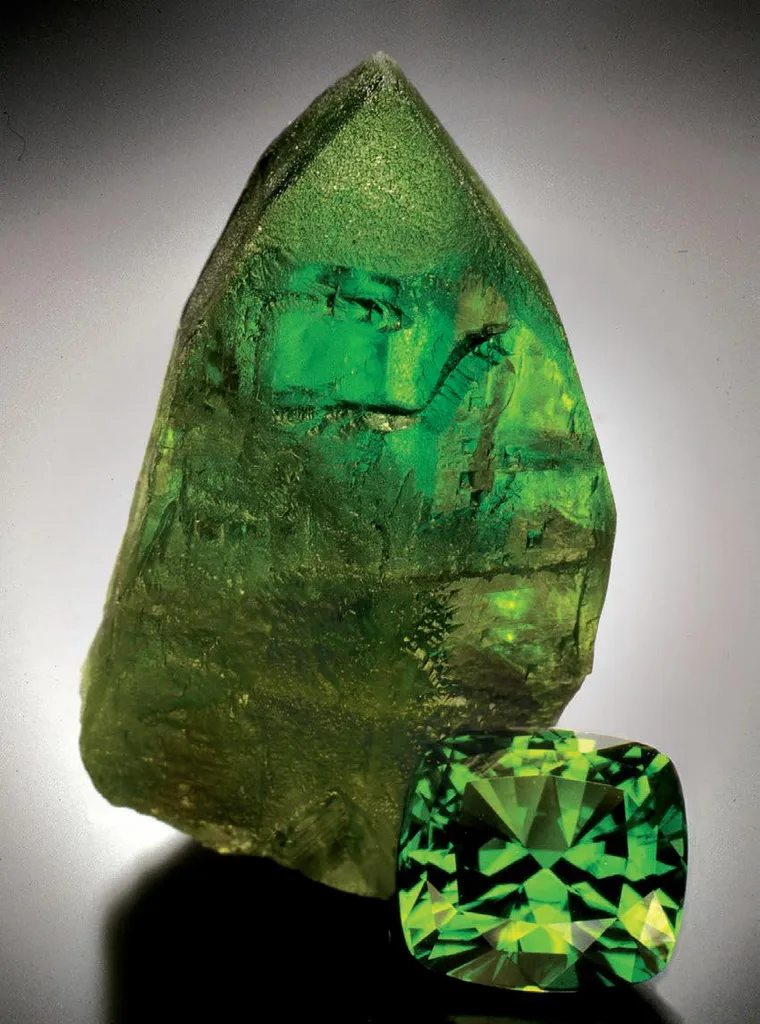
Forsterite is the magnesium-rich end member of the olivine group, a nesosilicate mineral that typically forms in high-temperature, low-silica environments. It commonly presents as elongated to prismatic crystals with a glassy to vitreous lustre and a characteristic olive-green to yellow-green color, though color can fade in exposed specimens. The crystal habit often includes well-formed dipyramids and the mineral’s granular to massive aggregates are frequent in mafic and ultramafic rocks. Specimens from classic localities tend to display bright faces and sharp edges, illustrating the mineral’s durability under geologic conditions of crystallization.
Notable specimens come from remote ultramafic belts and high-grade metamorphic terrains in places like Pakistan, Myanmar, Egypt, Afghanistan, and Norway. In Pakistan and Myanmar, Forsterite-bearing rocks are commonly associated with peridotites and dunites, offering collectors the chance to find clean, well-formed crystals in a dramatic green. Egypt and Afghanistan provide additional historic collecting contexts, while Norway showcases Alpine and ophiolitic exposures where pristine crystals can be recovered.
Collectors value Forsterite for its classic olivine appearance, its place in mantle-derived rock stories, and the thrill of finding crisp, gem-like crystals that reflect light with a vitreous sheen. Its straightforward crystal chemistry and robust habit make it a staple for mineral cabinets and for comparative studies within the olivine group.