






Florencite specimens for sale
3 for sale · $150–$950 USD
11 in the gallery
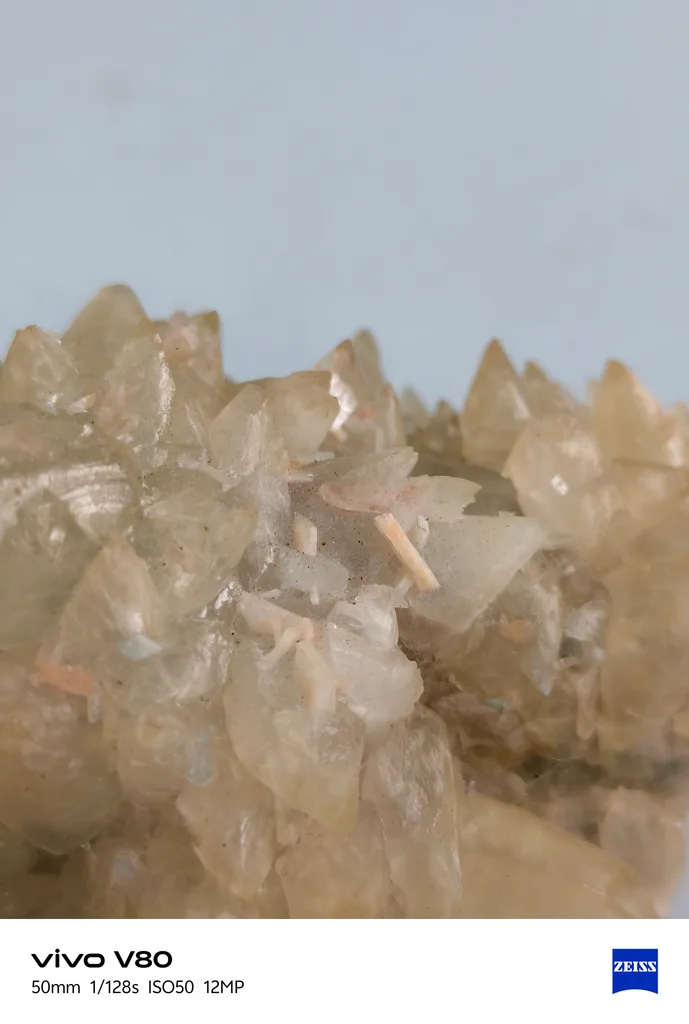
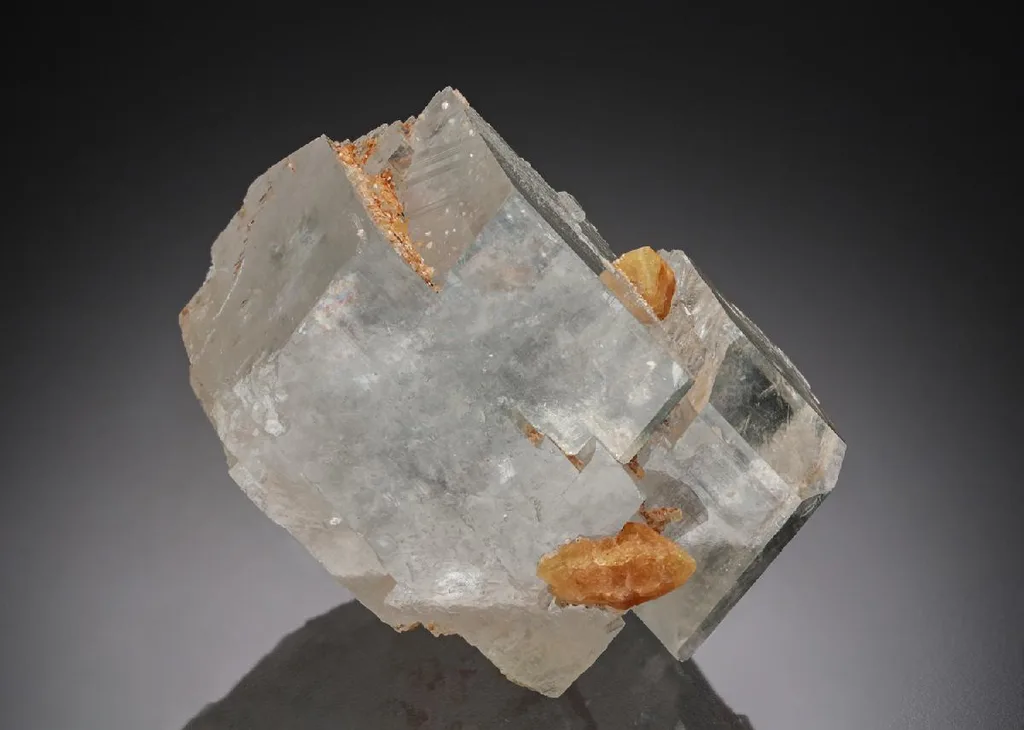
Florencite is a hydrated phosphate mineral with a complex cerium and related RE E composition, commonly forming in phosphate-rich hydrothermal or pegmatitic environments. It typically occurs as nodular aggregates or prismatic, bladed crystals with a vitreous to resinous luster and pale to greenish hues, reflecting its REE content and water-rich structure. Notable specimens have been reported from Brazil, where pegmatitic pockets and hydrothermal veins yield well-formed crystals that attract collectors seeking unusual REE phosphate habit and subtle color. As a relatively rare mineral, florencite captures attention for its rarity and distinctive appearance among phosphate minerals, and specimens often display a soft sheen that differentiates it from more common phosphate minerals.
- Formula
(RE)Al₃(PO₄)₃(OH)₆ · 6H₂O - Rarity
- Uncommon
- Stability
- Stable
- Collector interest
- Moderate Interest
- Classification notes
- Phosphate; alunite supergroup, crandallite group
Key characteristics
- Crystal system
- trigonal
- Mohs hardness
- 5
- Specific gravity
- 3.5–3.7
- Luster
- vitreous, resinous, pearly
- Transparency
- transparent, translucent
- Color
- yellow, brown, orange, red, green
- Streak
- white
- Cleavage
- distinct
- Fracture
- uneven, conchoidal
- Crystal habit
- rhombohedral, tabular, prismatic, granular, massive
Buy Florencite specimens
View all 3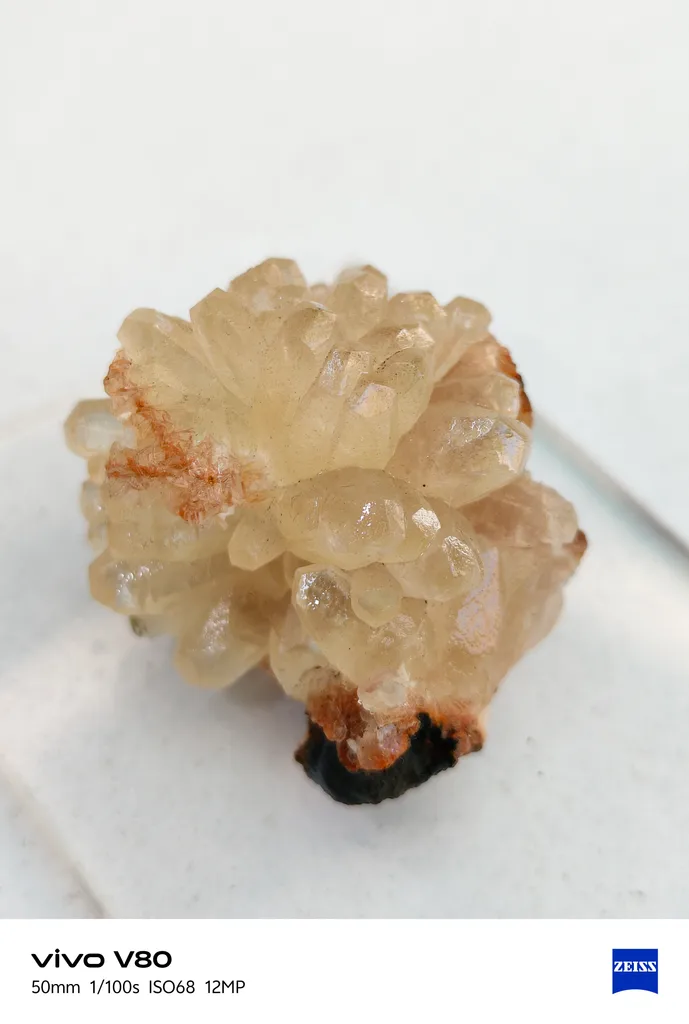
Where Florencite is found
Top localities
- Brumado2 specimens
About Florencite
Collectors value florencite for its scarcity and the intrigue of REE-bearing phosphates. The mineral’s modest size and unique crystal forms invite careful handling and display, while the association with Brazilian localities adds regional interest for field and cabinet collections alike. Its varied hydration and phosphate framework can lead to a range of microcrystal habits, making each specimen a potential focal point for mineral enthusiasts who appreciate mineral chemistry and mineralogical diversity.