
Guide
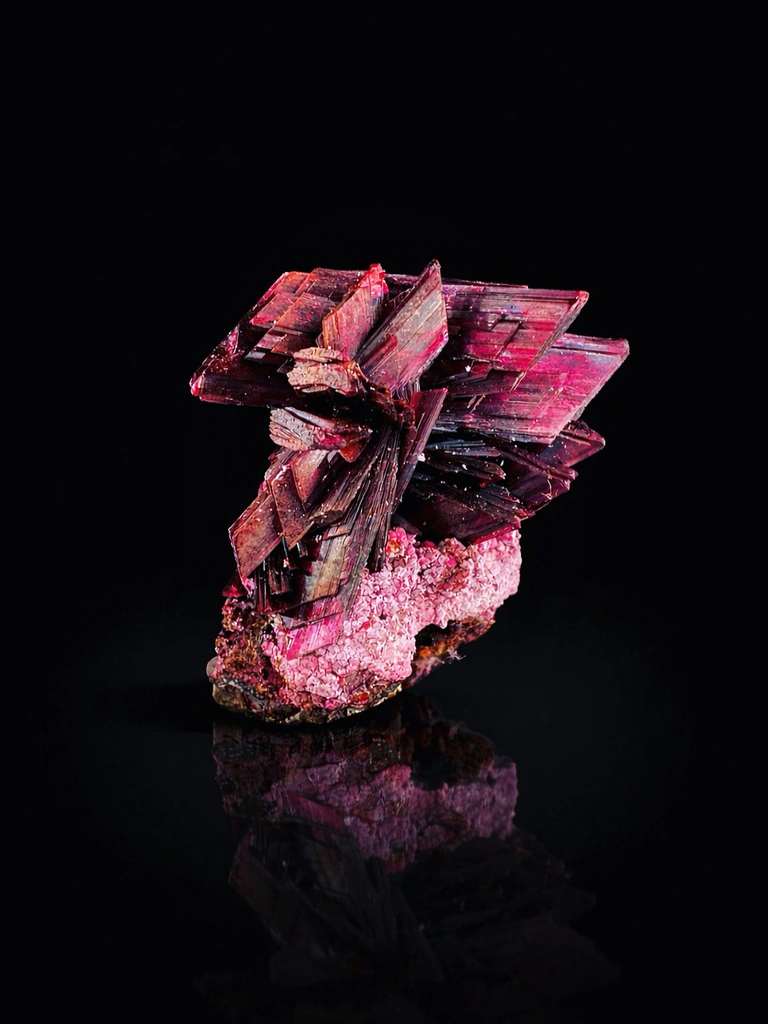
27 for sale · $190–$7,500 USD
137 in the gallery
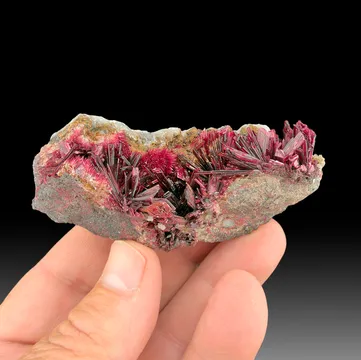
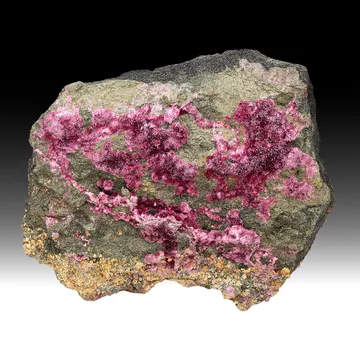
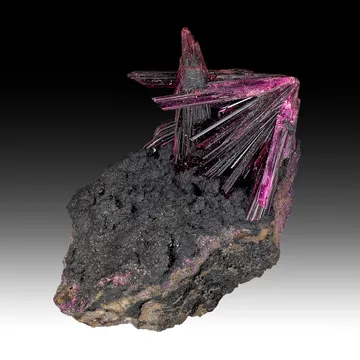
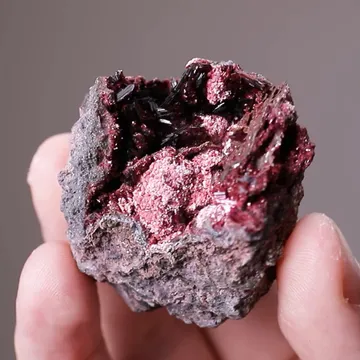
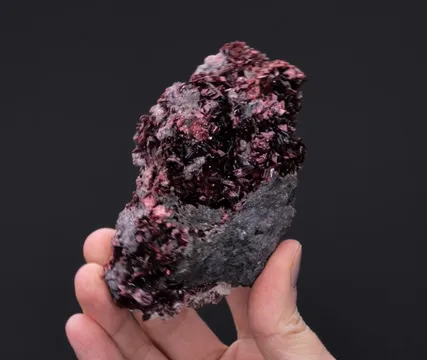
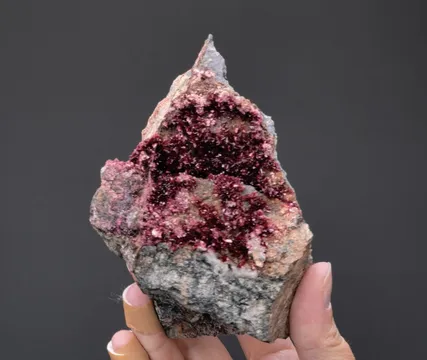
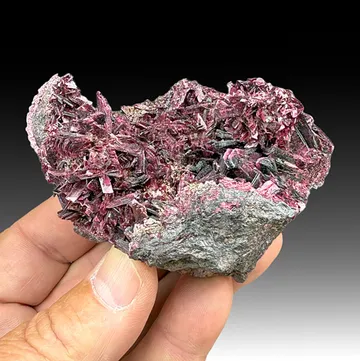
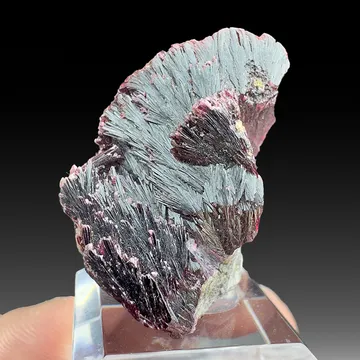
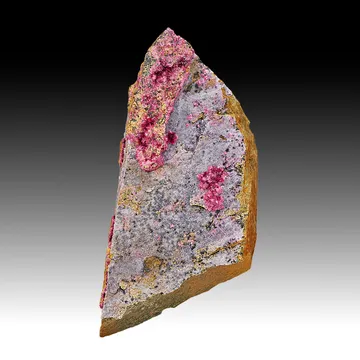
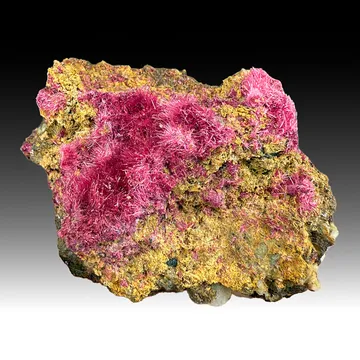
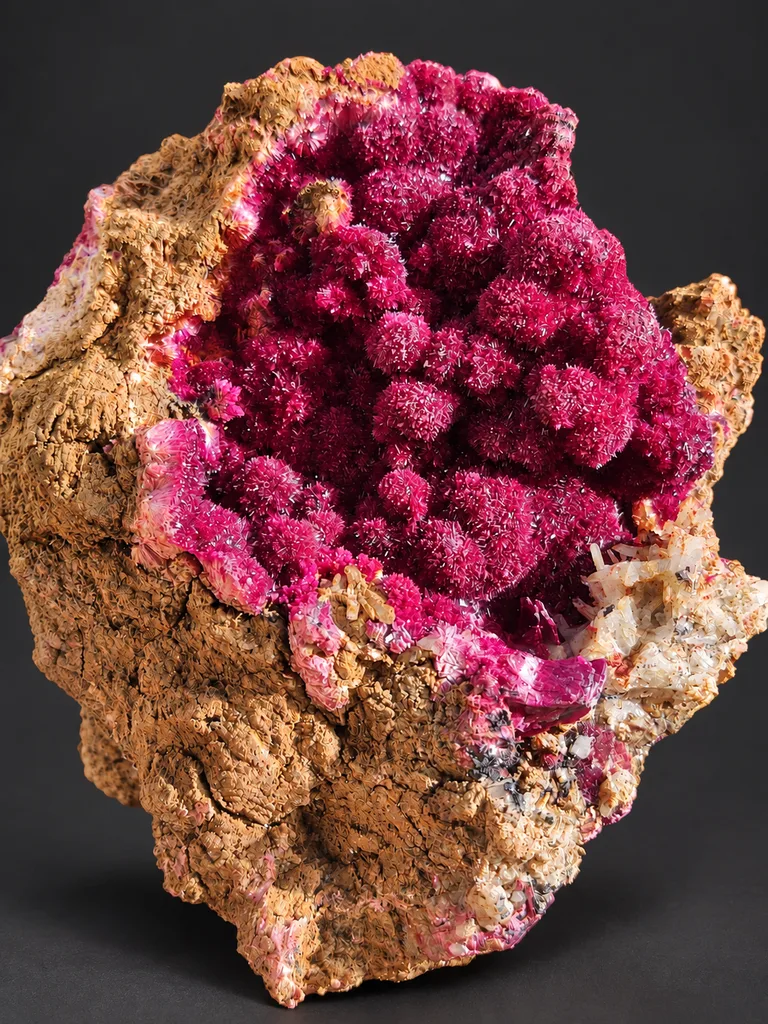
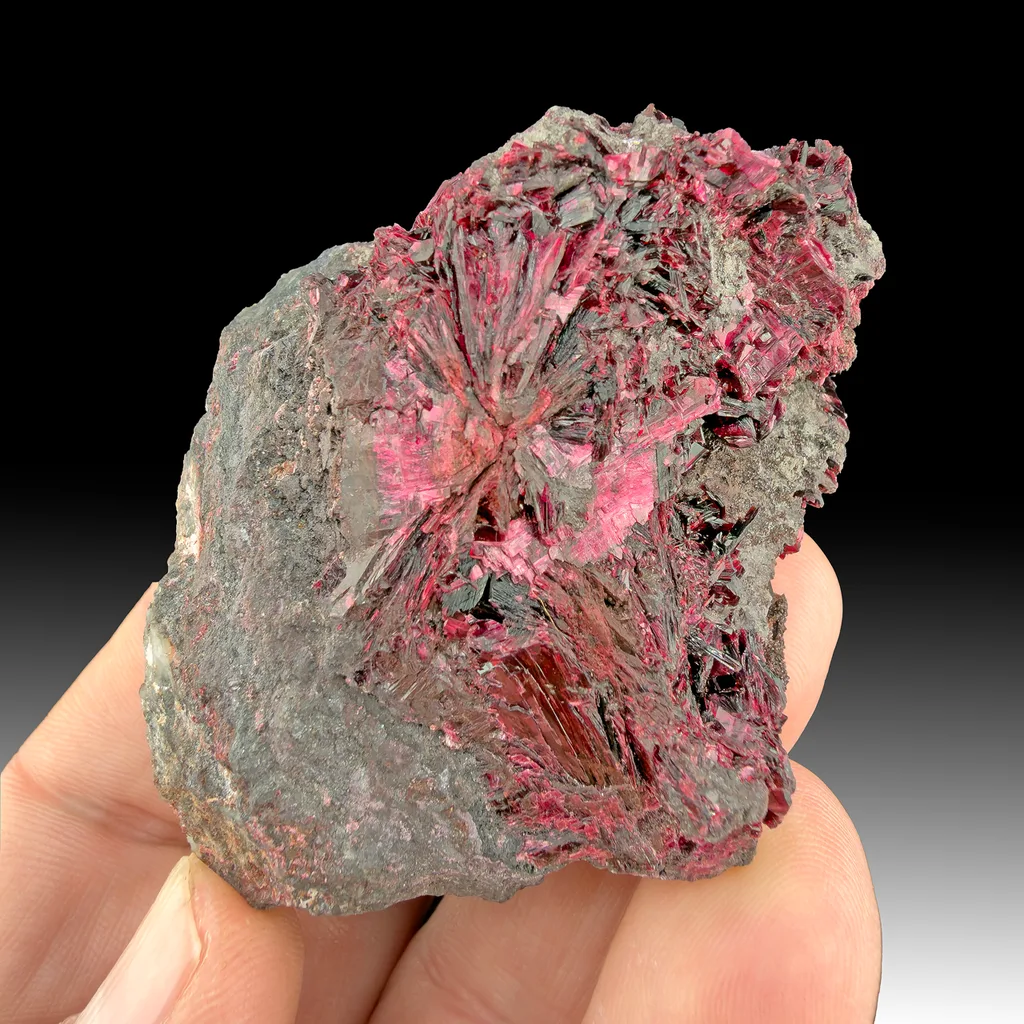
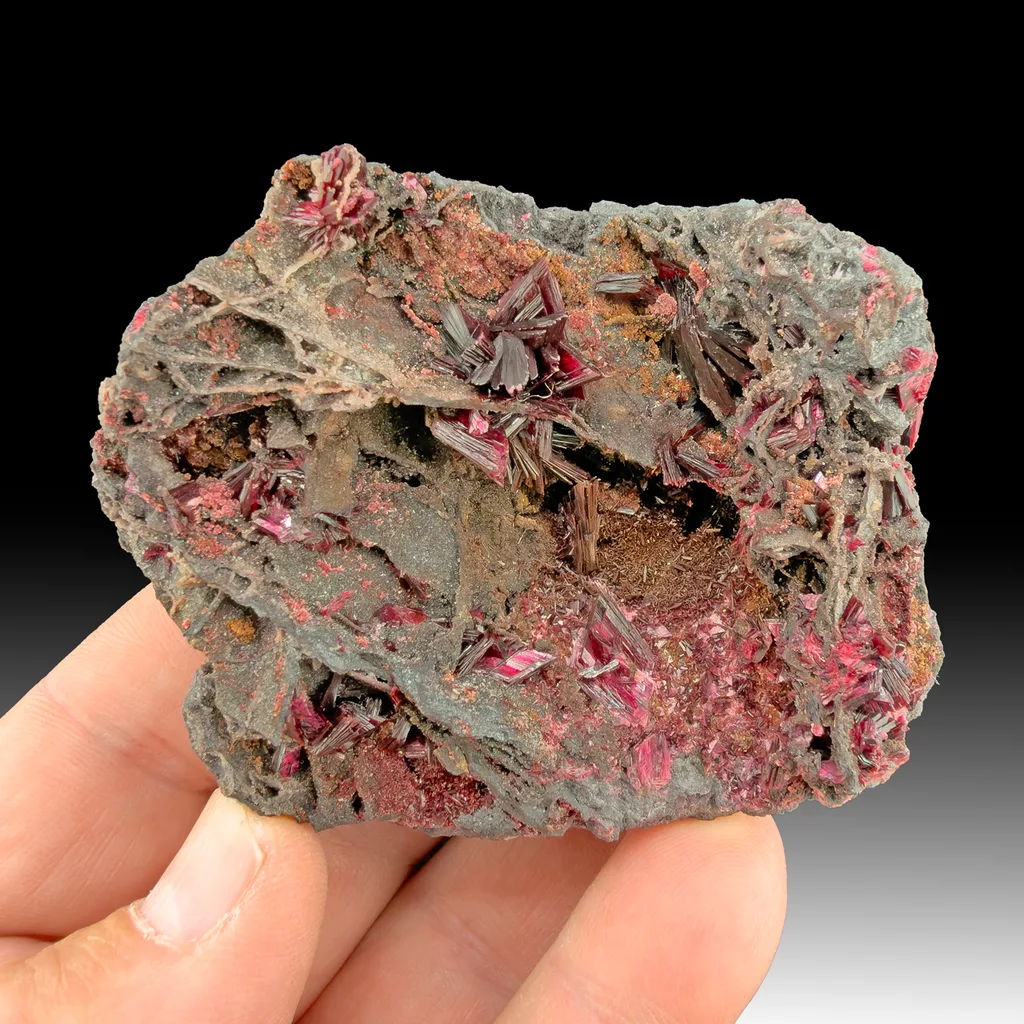
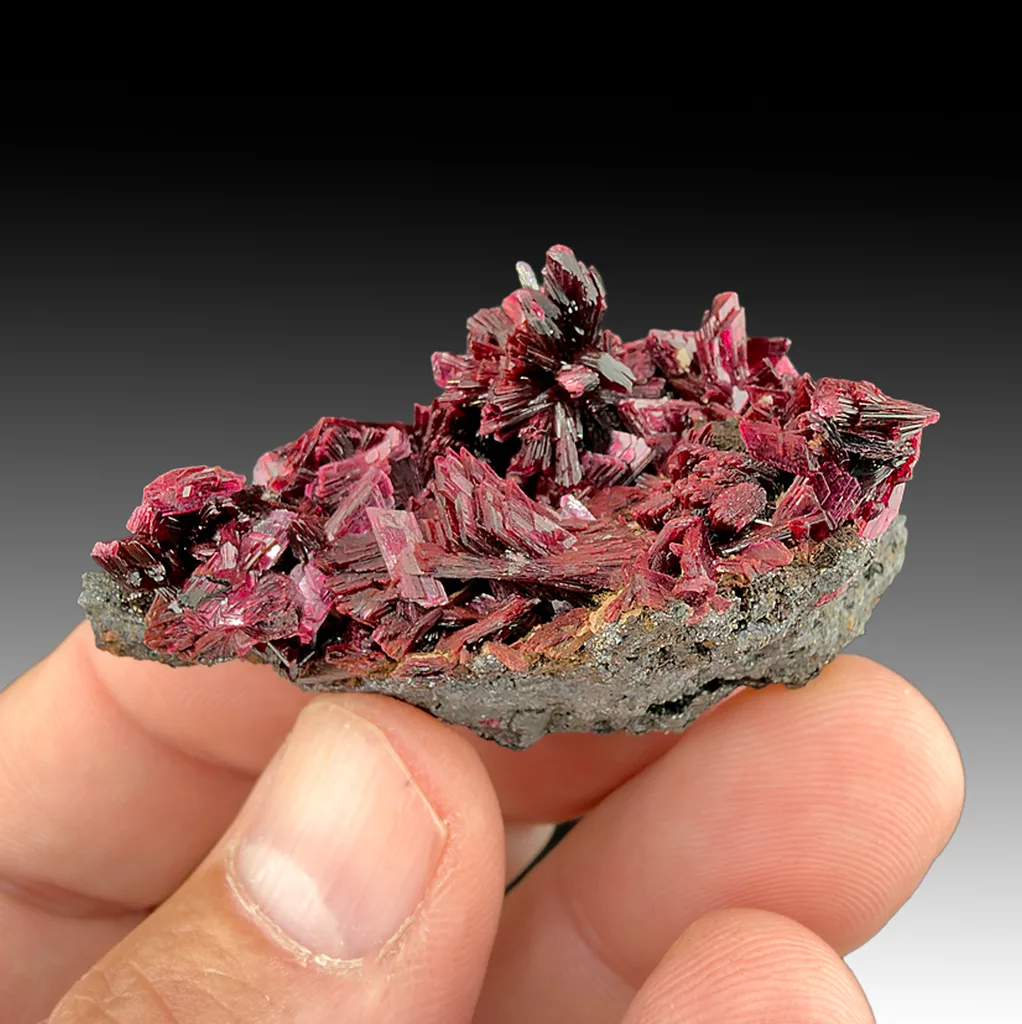
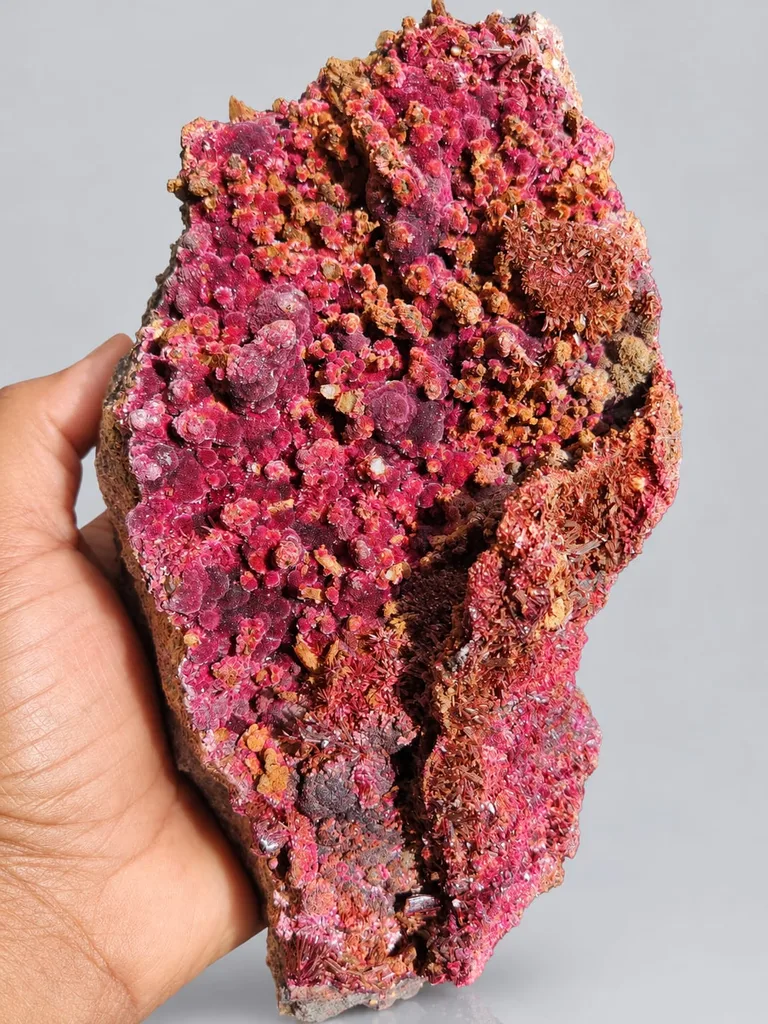
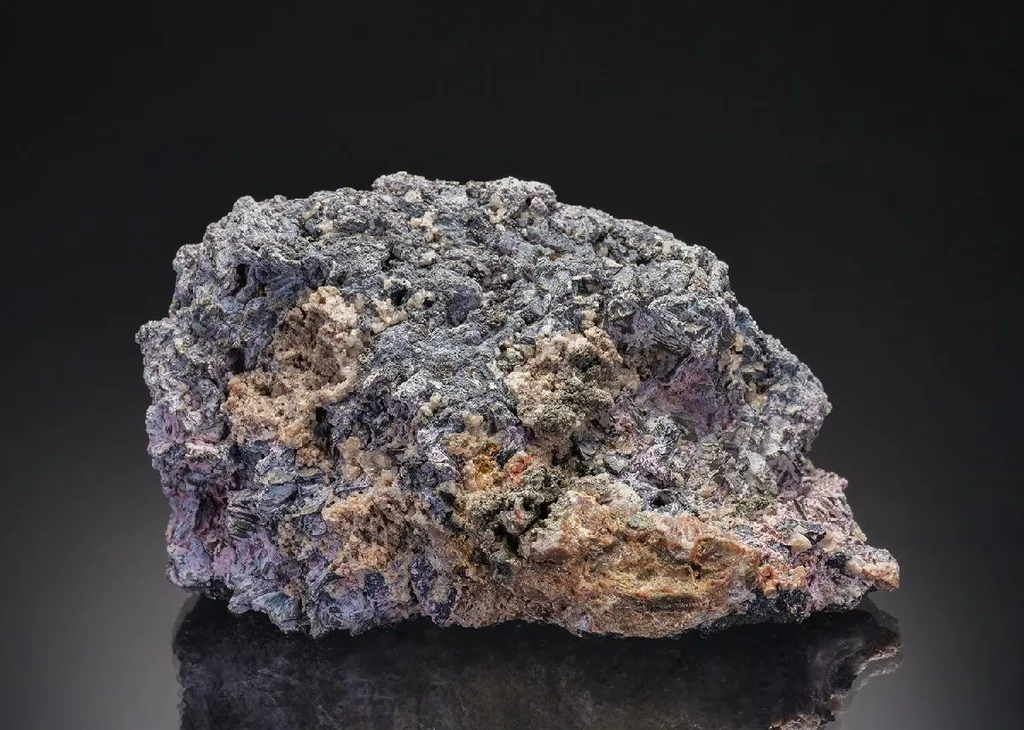
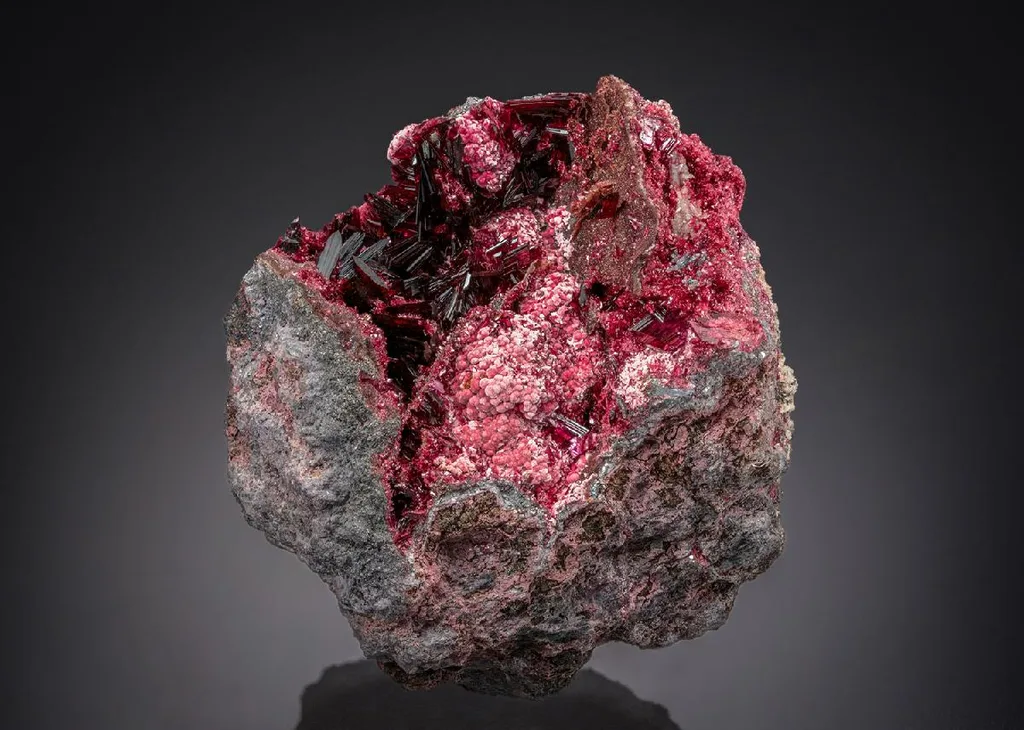
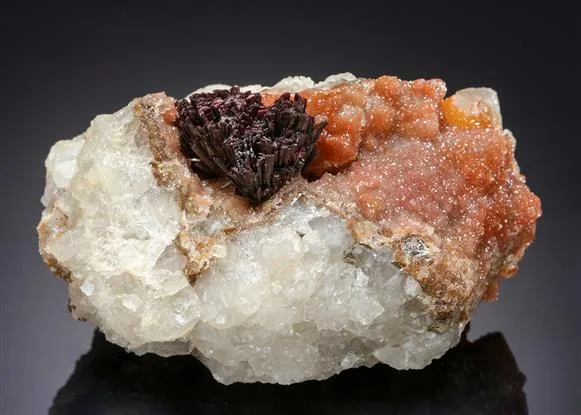
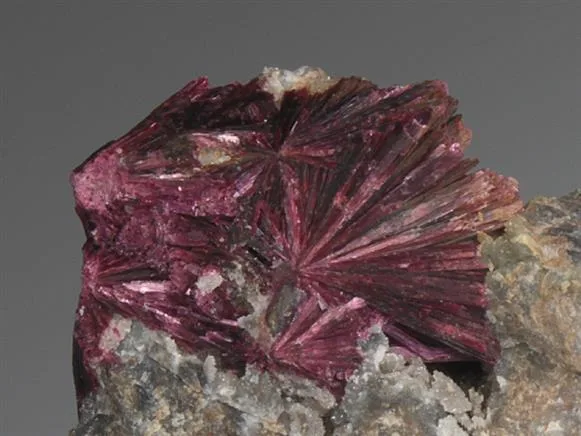
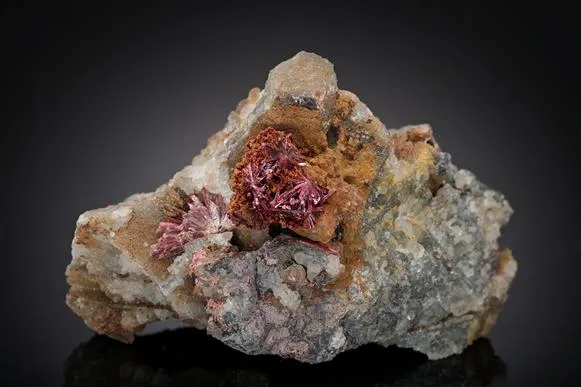
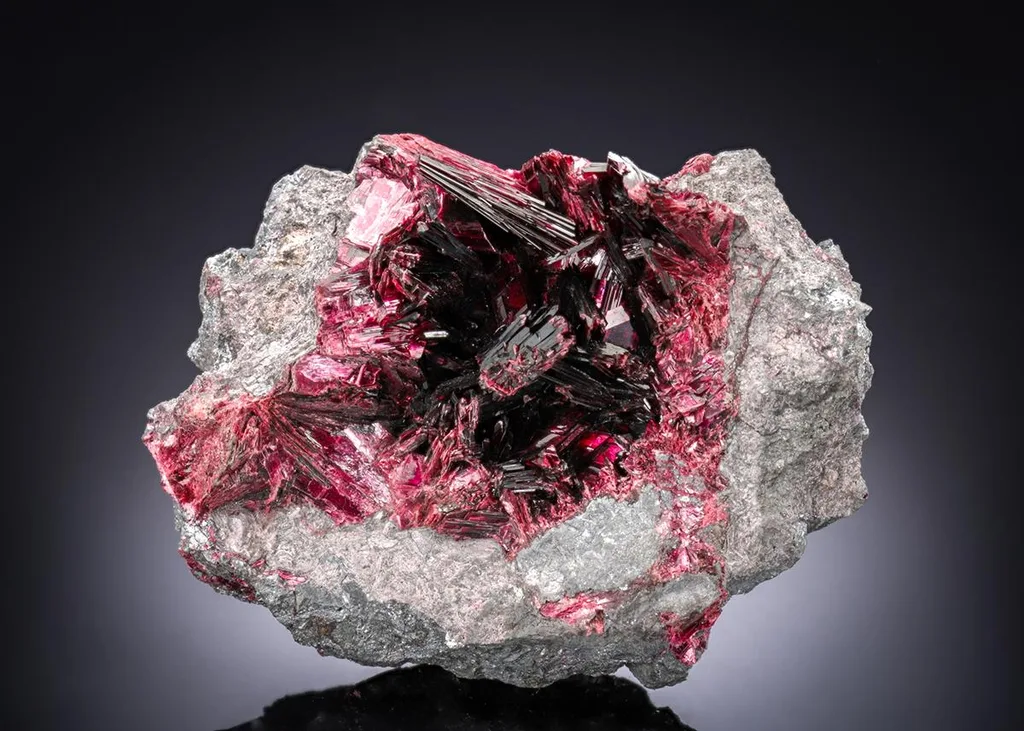
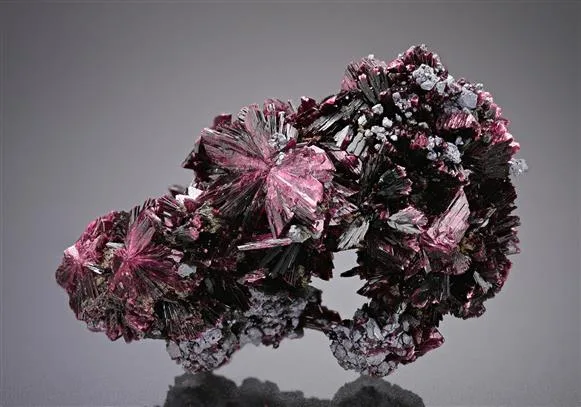
Erythrite is a cobalt arsenate mineral, typically forming bright pink to rose-red crystals that can display a delicate yet striking luster. Crystals commonly occur as well-formed prismatic and needle-like habits, frequently translucent and sometimes gemmy under proper lighting. Associations with secondary hydrothermal gangues and closely related cobalt arsenates help explain its occurrence in oxidized zones of cobalt-rich ore deposits.
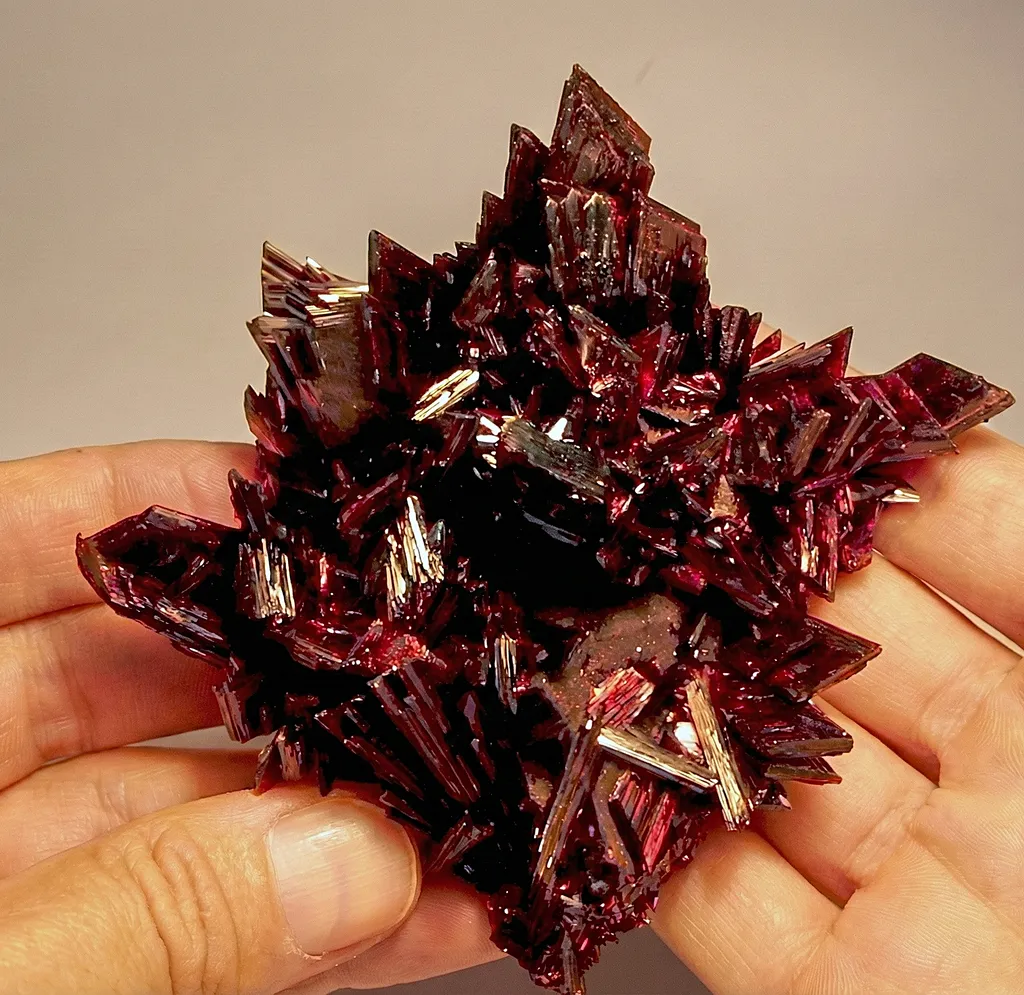
Notable specimens have come from a number of classic localities, with Morocco and Mexico among the most respected sources, alongside discoveries in Germany, Australia, and Chile. The mineral often crystallizes in cavities within altered rocks, and can form striking rose-red aggregates that collect in clusters or as singular, well-formed crystals. Collectors value erythrite for its intense color along with the rarity and beauty of its crystal forms, especially when bright, well-terminated faces are preserved. It also serves as an indicator mineral for zones rich in cobalt and arsenate minerals, adding geographical and paragenetic interest to field and cabinet displays.