$48Median
16Sold (12 mo)
$45Last sale
22 in the gallery
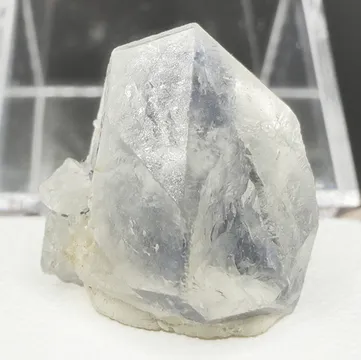
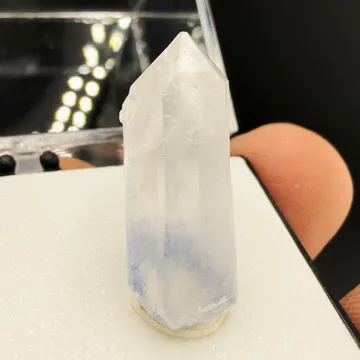
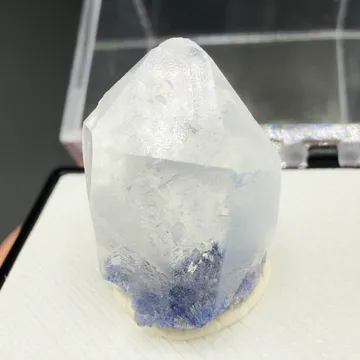
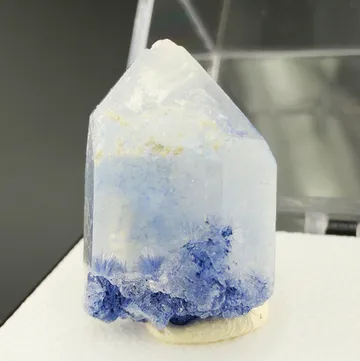
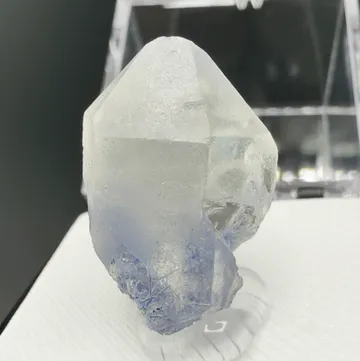
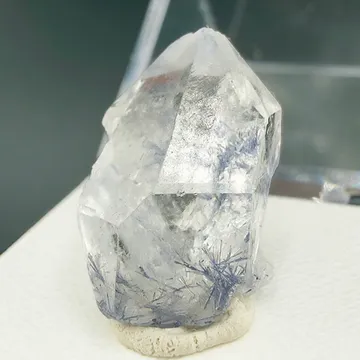
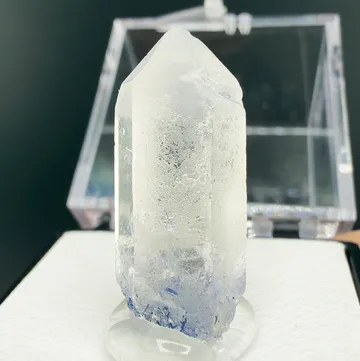
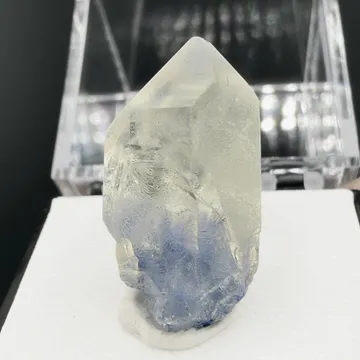
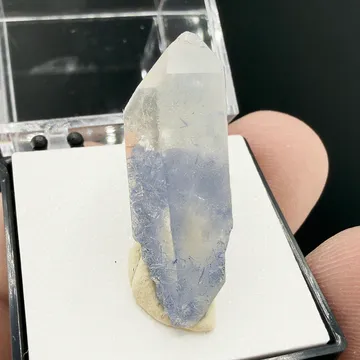
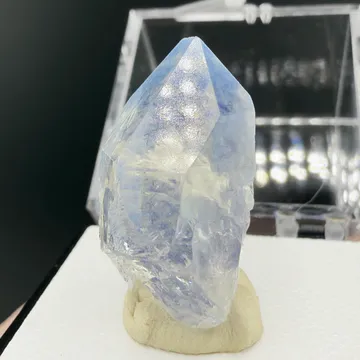
Dumortierite is a mineral species that forms in close association with aluminous and silicate-rich environments. It typically occurs as elongated, prismatic crystals or fibrous aggregates with a distinctive blue to violet color that can deepen in rich, well-formed crystals. The mineral’s lustre is vitreous to pearly, and it often displays zoned color patterns that are especially attractive in cut or polished specimens. Crystals may appear in crustlike masses or as compact fibrous aggregations, and they can be found in association with other aluminum-rich minerals in metamorphic and metasomatic settings.
Notable localities include Brazil and the United States, where Dumortierite-bearing rocks yield well-formed specimens that attract collectors for their characteristic coloration and crystal habit. Specimens from these sources can showcase sharp faces, good transparency in small crystals, and interesting microstructure details that reveal the mineral’s complex crystal chemistry. Collectors value Dumortierite for its unique palette and the ease with which its color effects can be observed in hand-size pieces or in carefully prepared clusters.