
Guide

28 for sale · $110–$6,100 USD
69 in the gallery
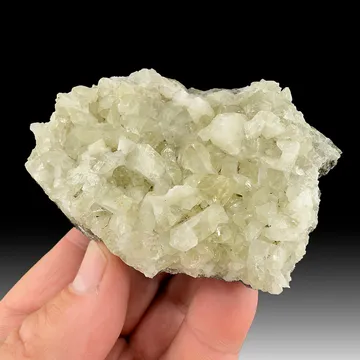
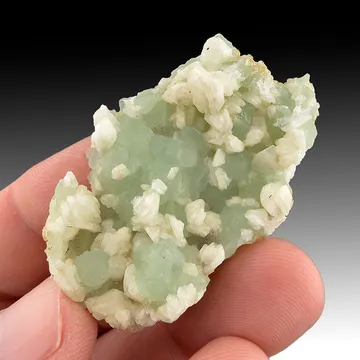
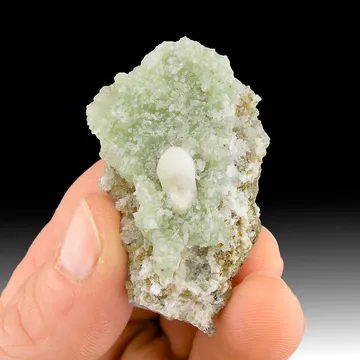
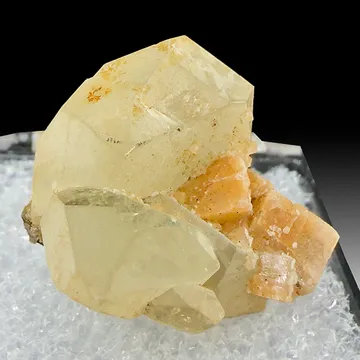
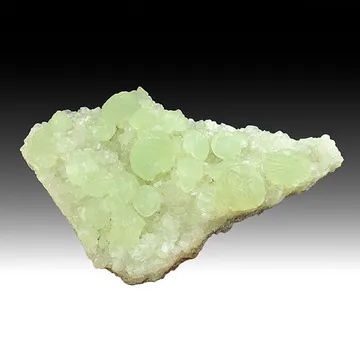
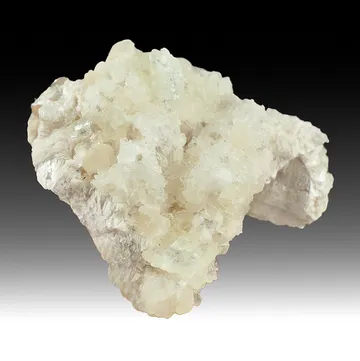
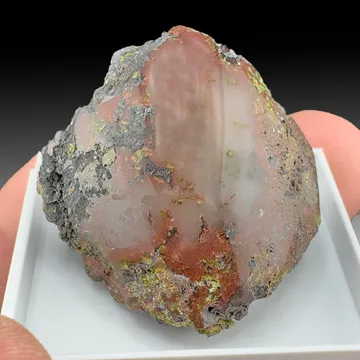
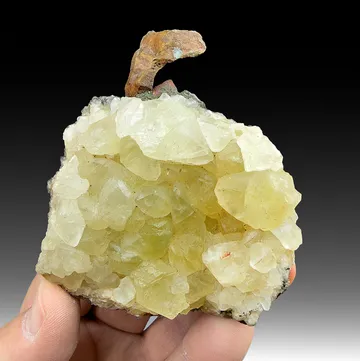
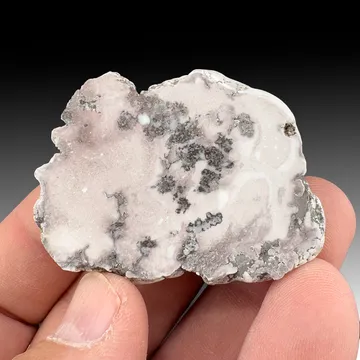
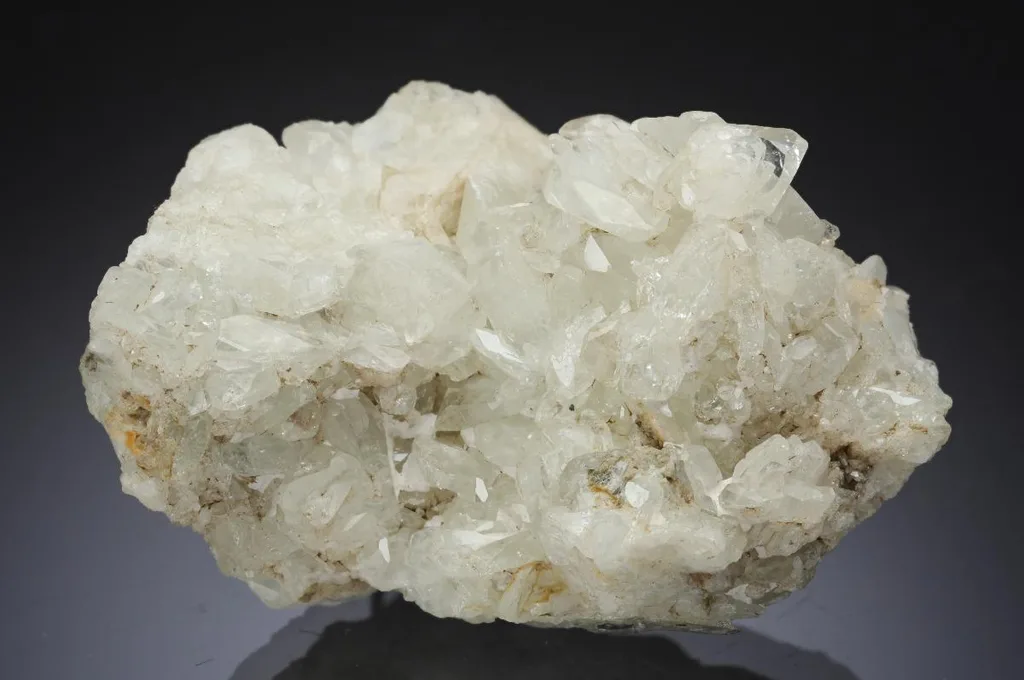
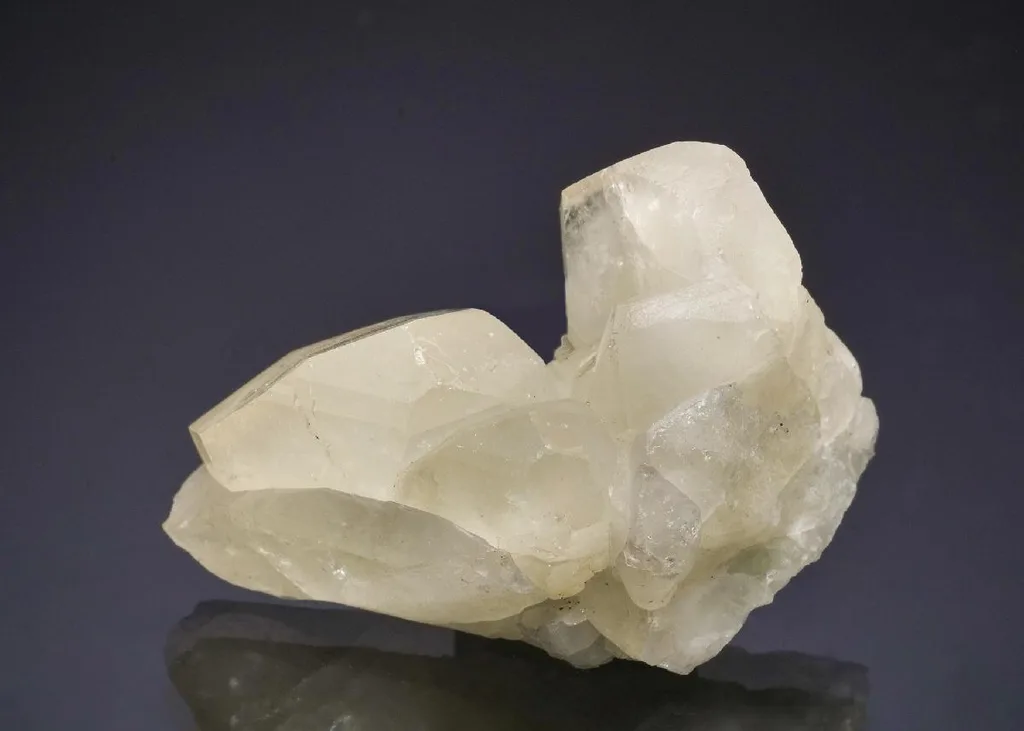
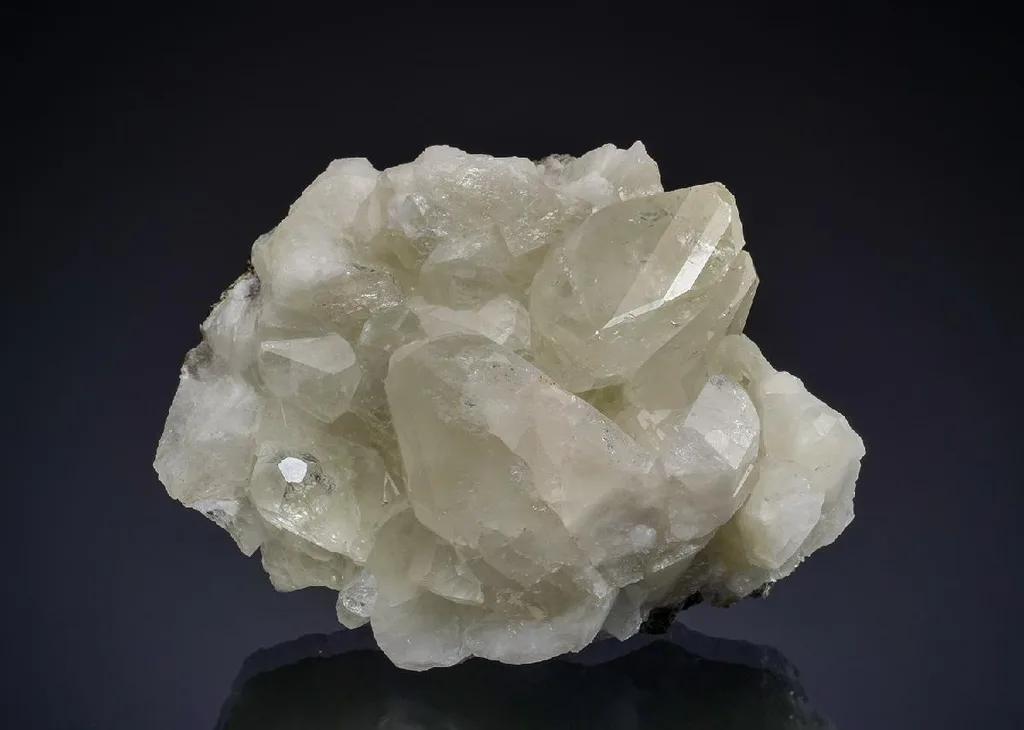
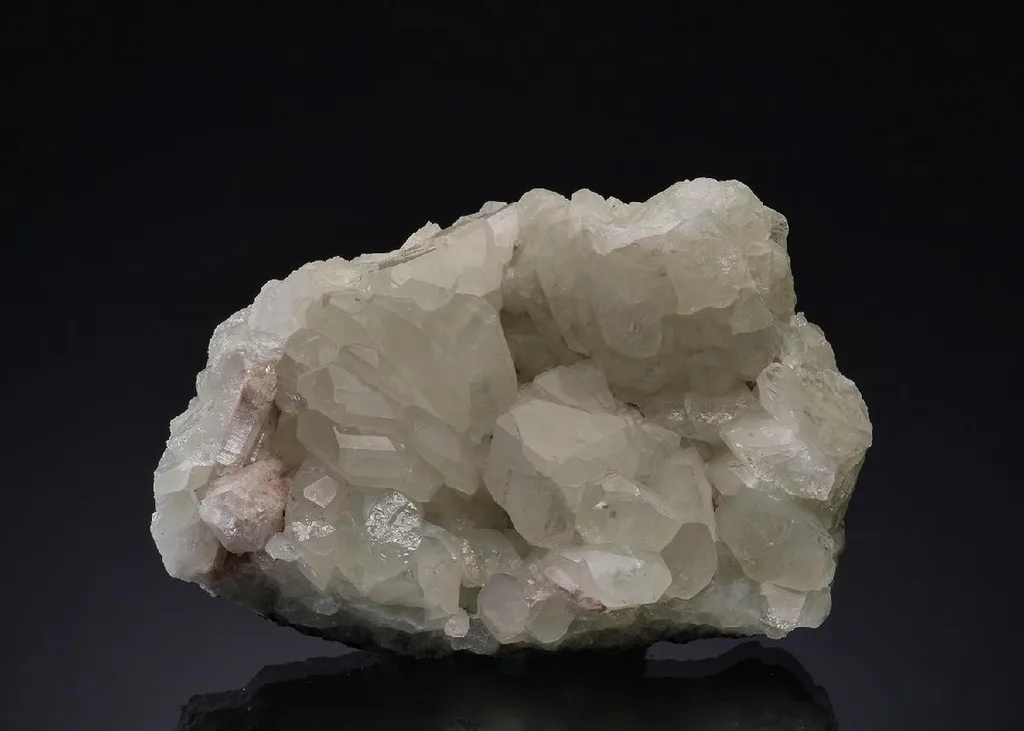
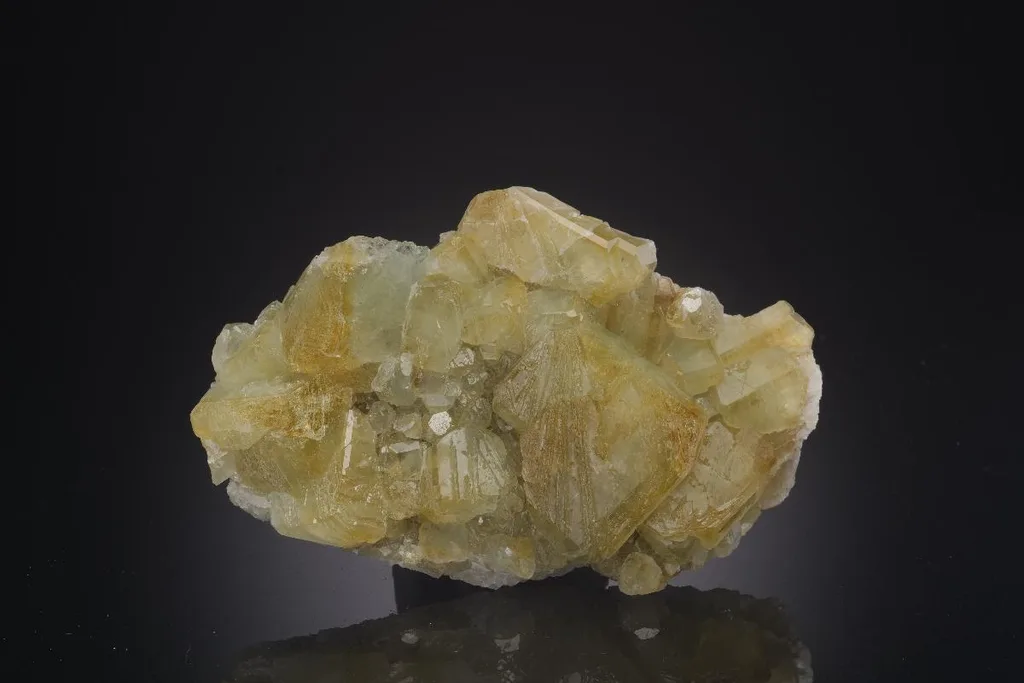
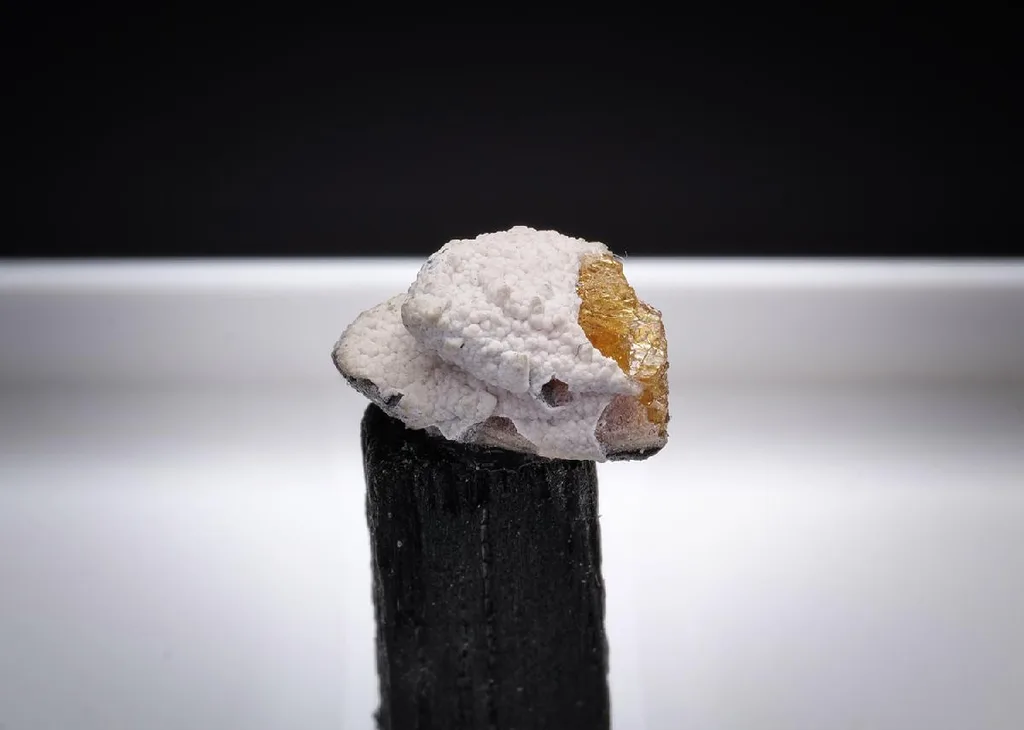
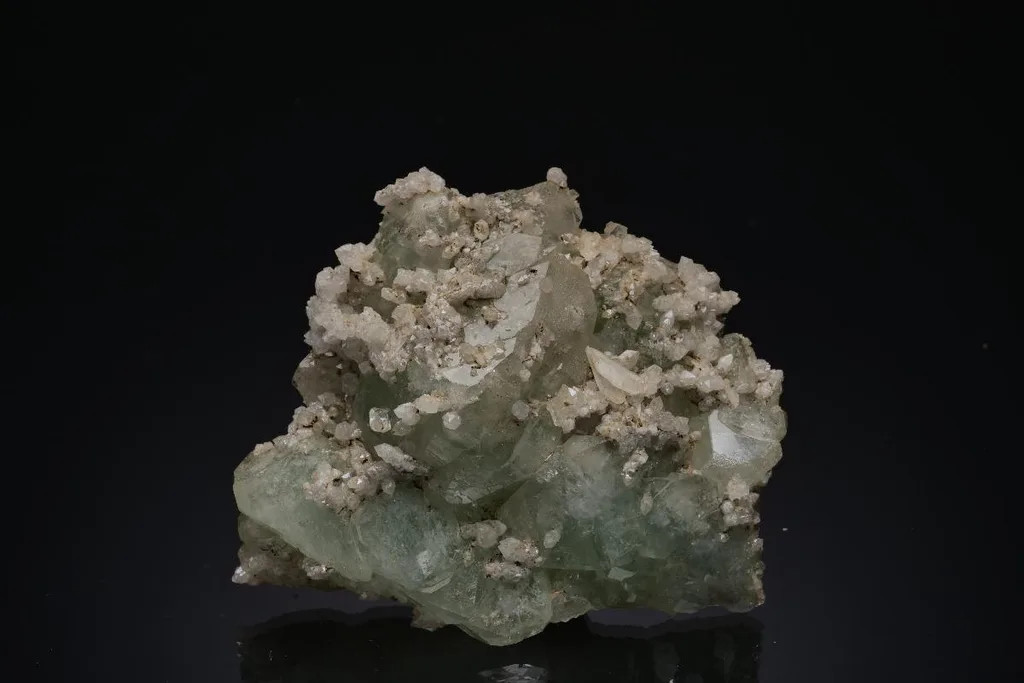
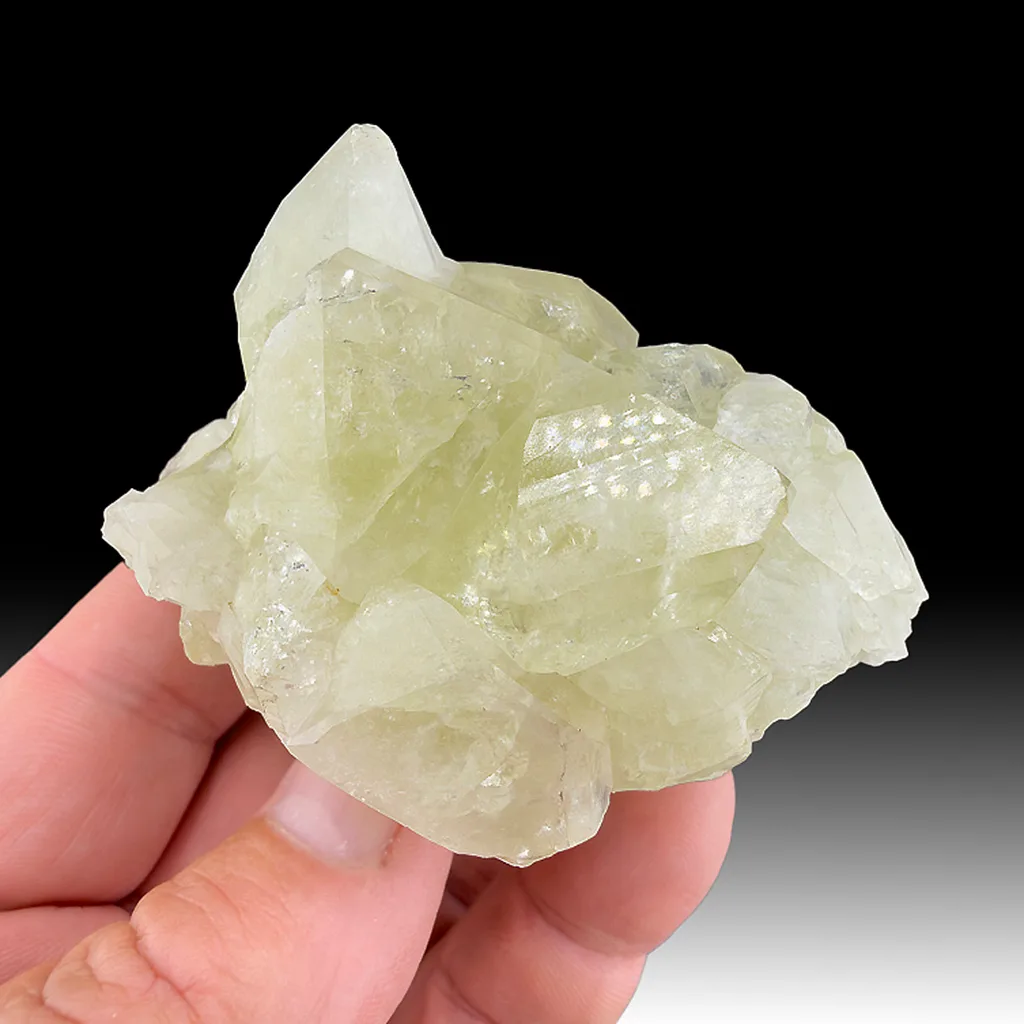
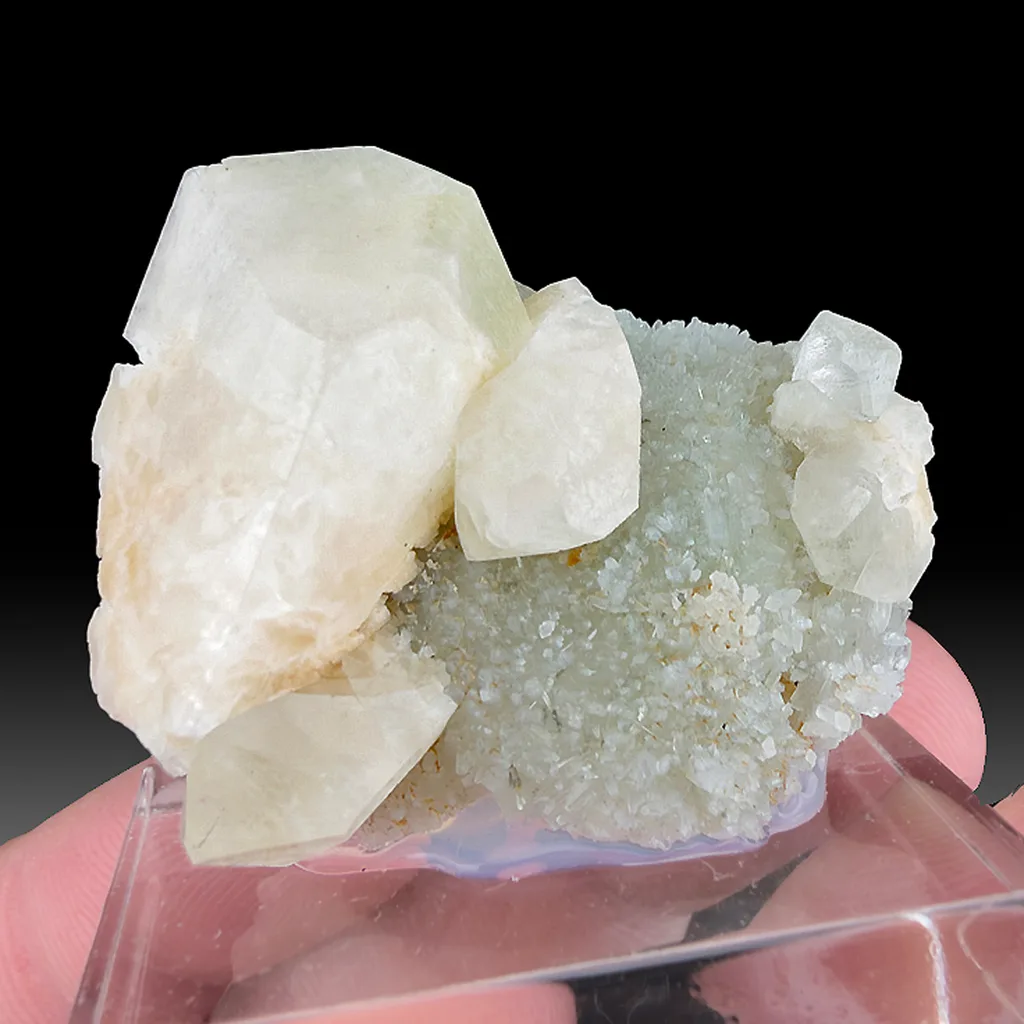
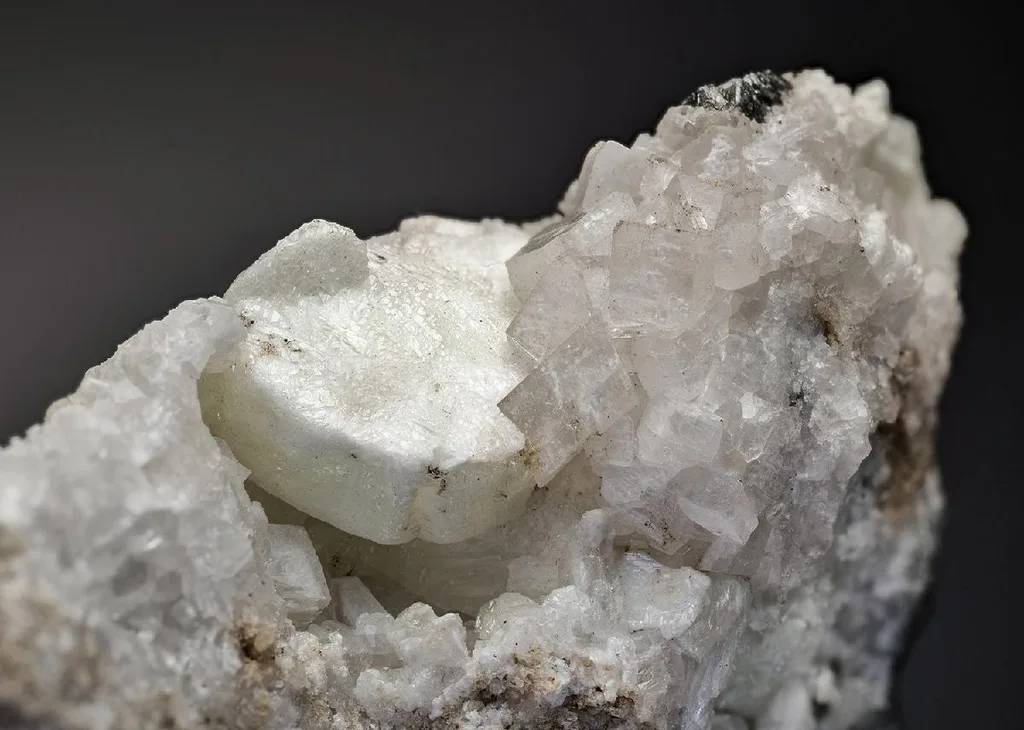
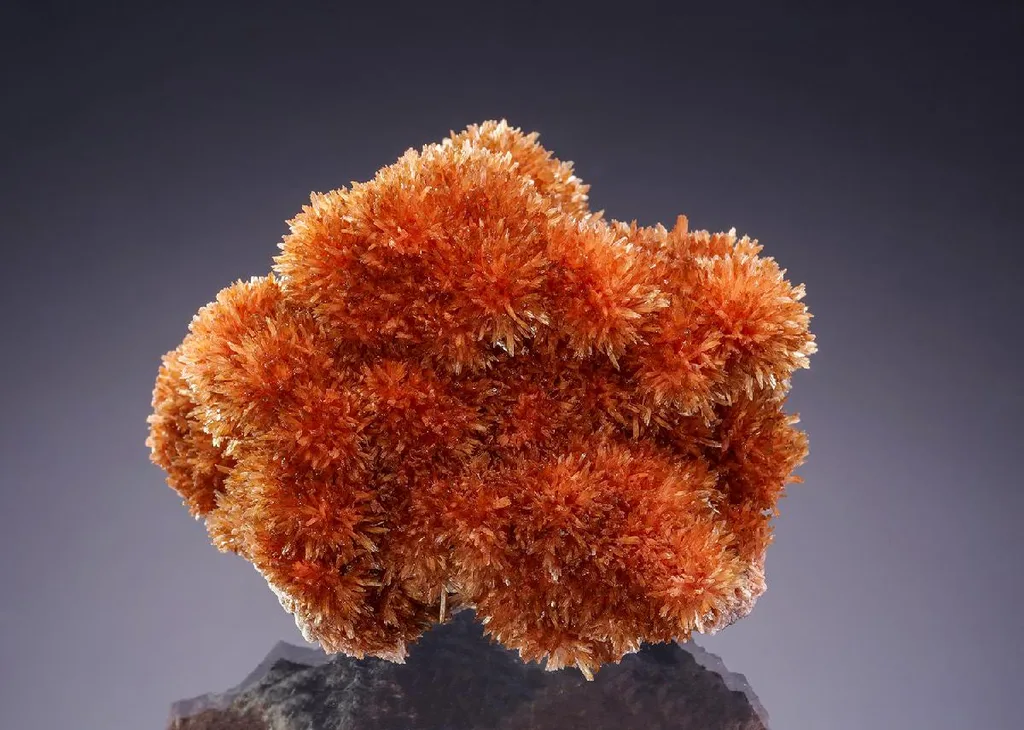
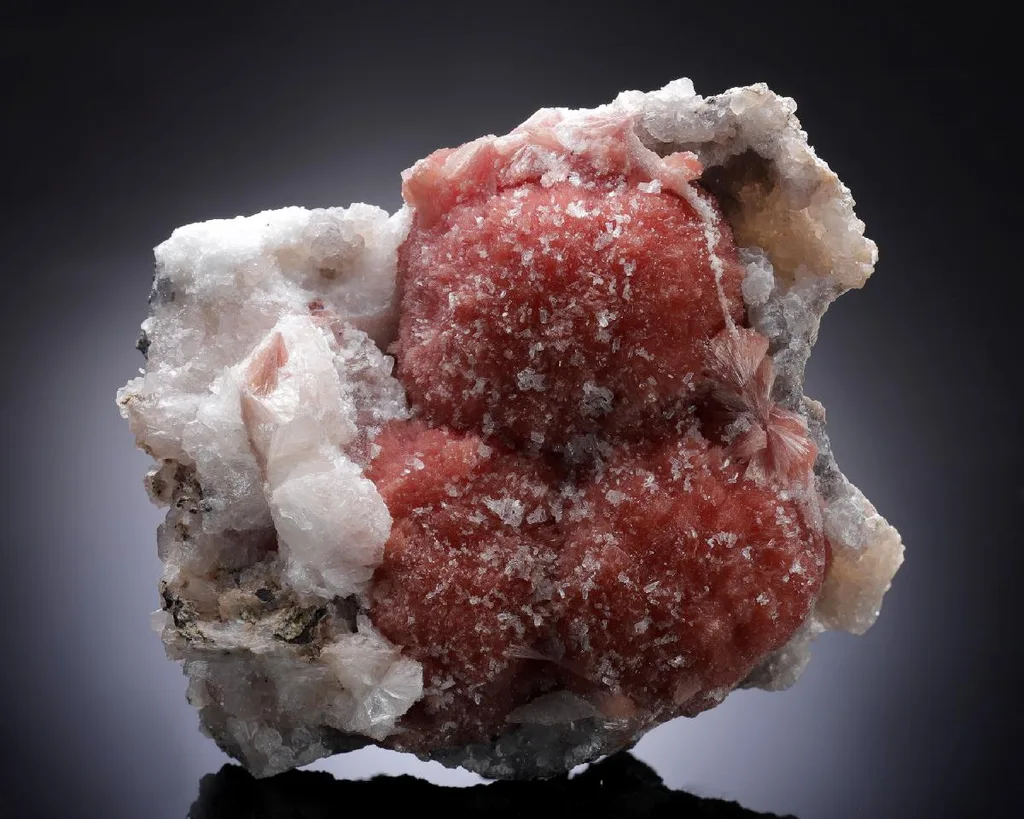
Datolite is a calcium borosilicate mineral that forms colorless to pale green to brownish crystals, often displaying a vitreous to resinous luster and a blocky, prismatic habit. It frequently occurs in hydrothermal veins and contact metamorphic rocks, and is known for its clear to translucent crystals that can form rosettes or aggregates, sometimes coated with secondary minerals. Notable specimens originate from classic mining districts in the United States and Mexico, with other important localities in Russia and South Africa contributing equally striking crystals. Collectors prize datolite for its varied crystal forms, delicate color zoning, and the way it can fluoresce under UV light in some samples, making it a compelling feature in cabinet displays.
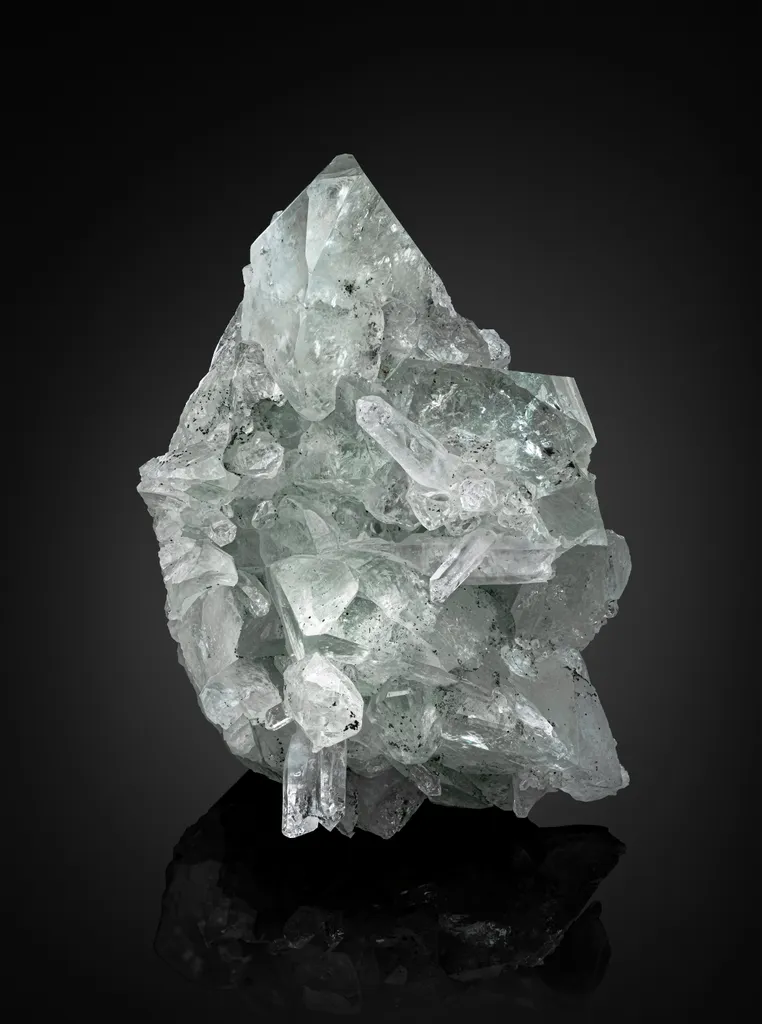
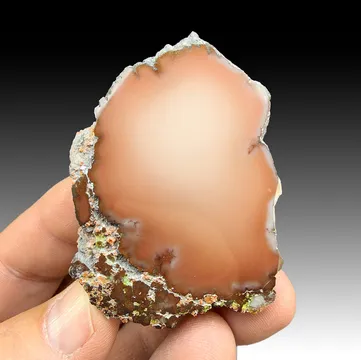
Datolite’s appeal lies in its combination of rarity in certain colors, accessibility in common matrixes, and the way delicate crystals can be embedded within iron-rich gangue. This, along with its historical significance from early mineral collections, helps explain why datolite remains a staple for those building comprehensive mineral cabinets. Its relatively wide color range and room-temperature crystallization in several parageneses give collectors many variants to seek, from simple colorless prisms to softly tinted, gemmy crystals that catch light at a small scale.