Guide
18 for sale · $65–$2,300 USD
188 in the gallery
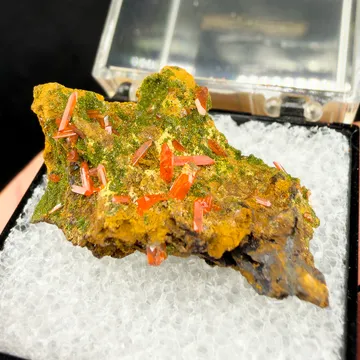
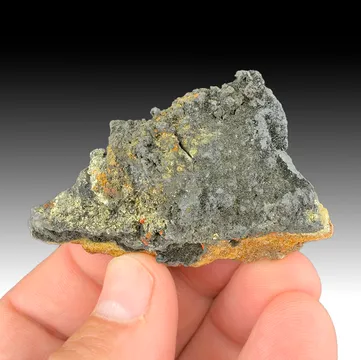
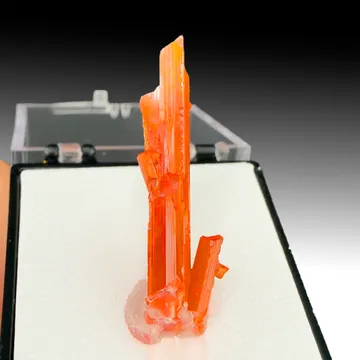
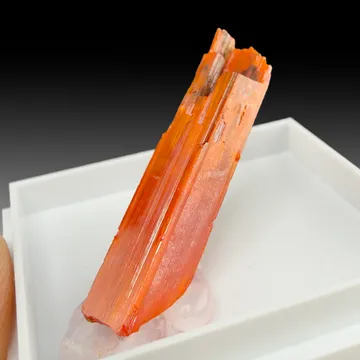
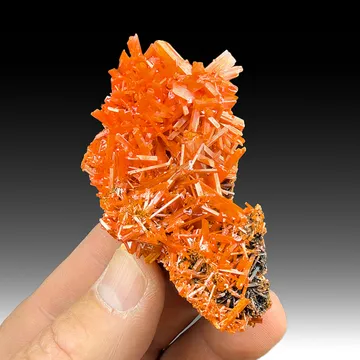
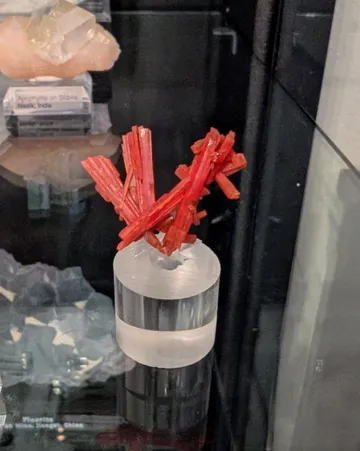
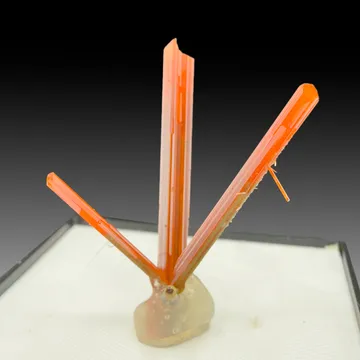
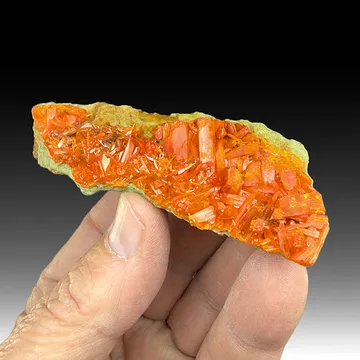
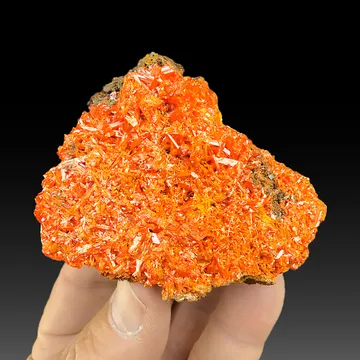
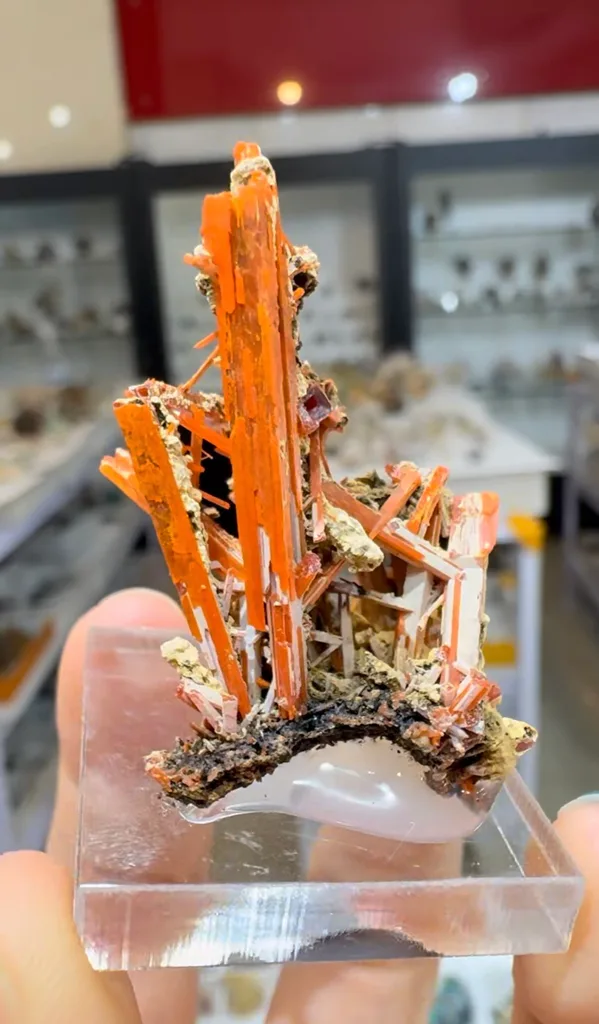
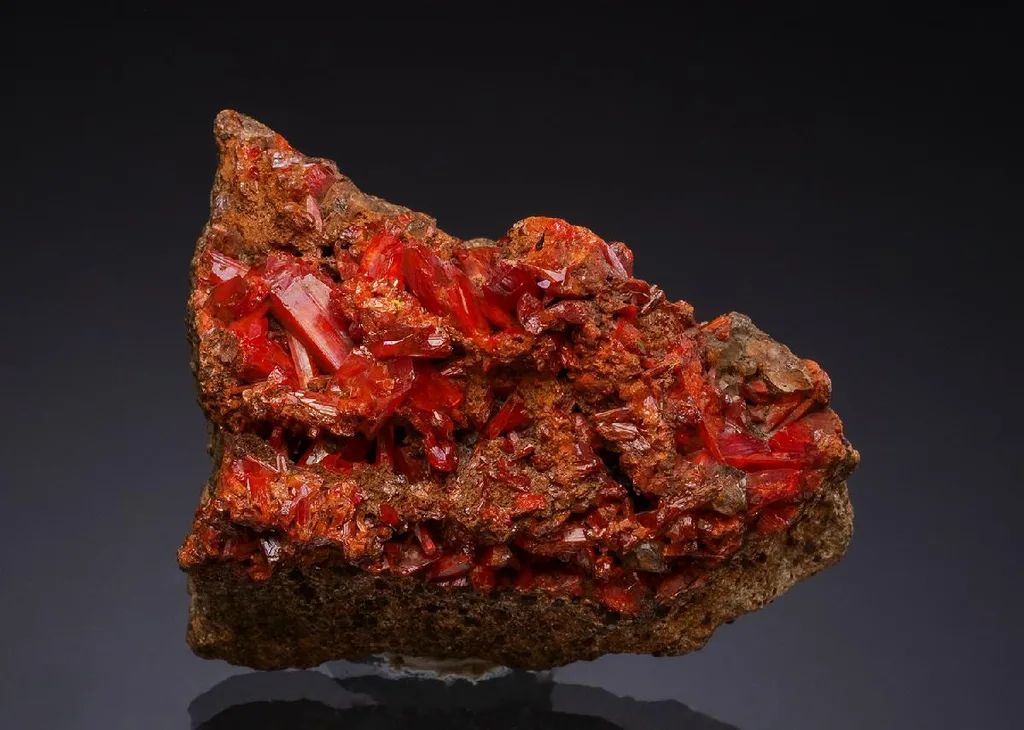
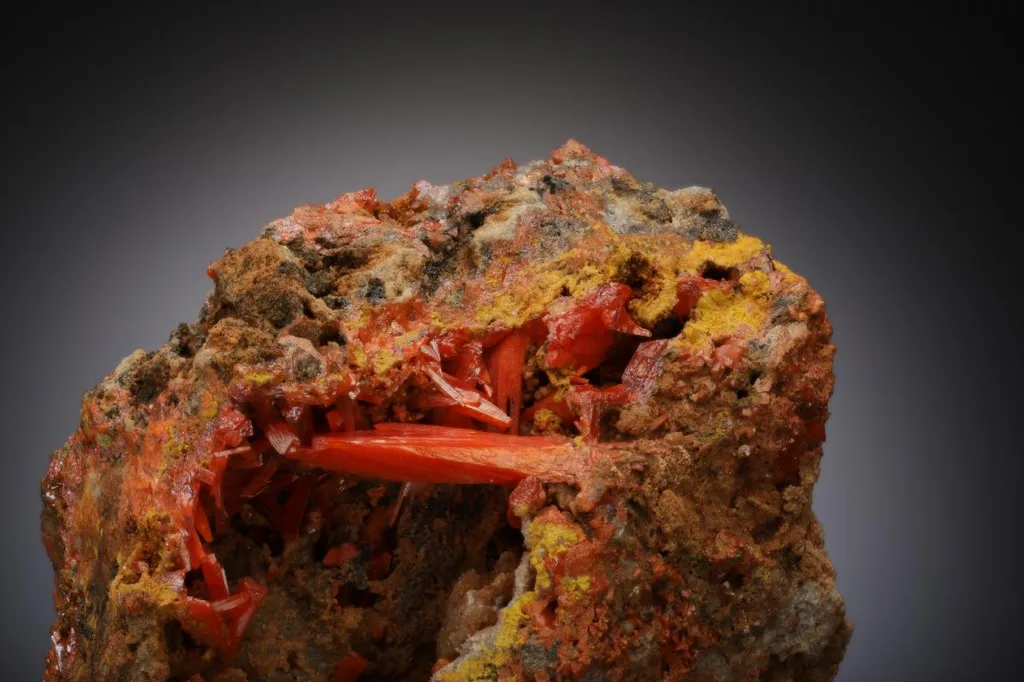
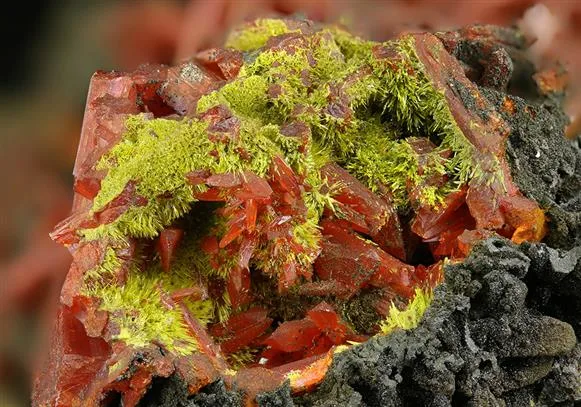
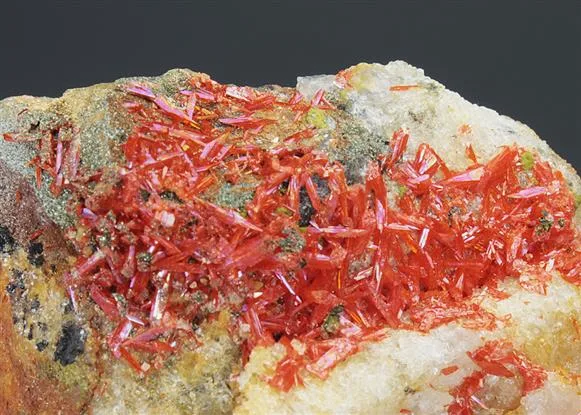
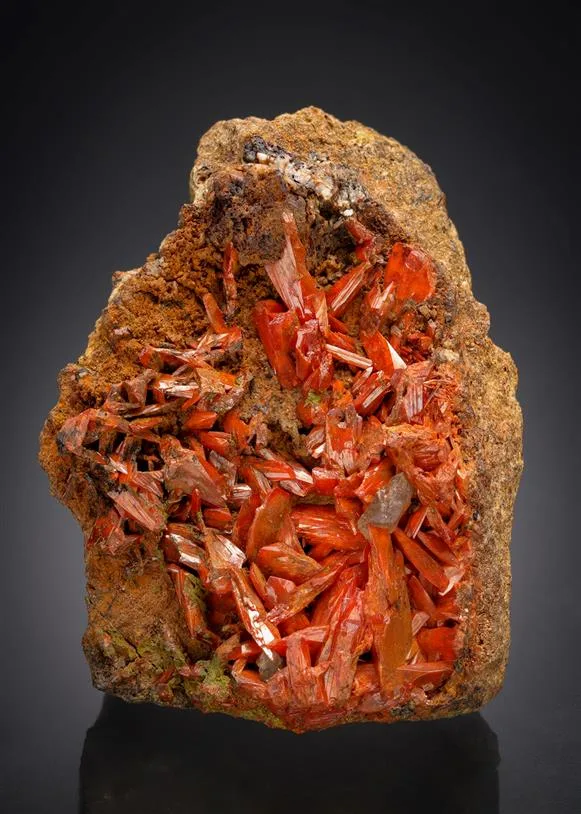
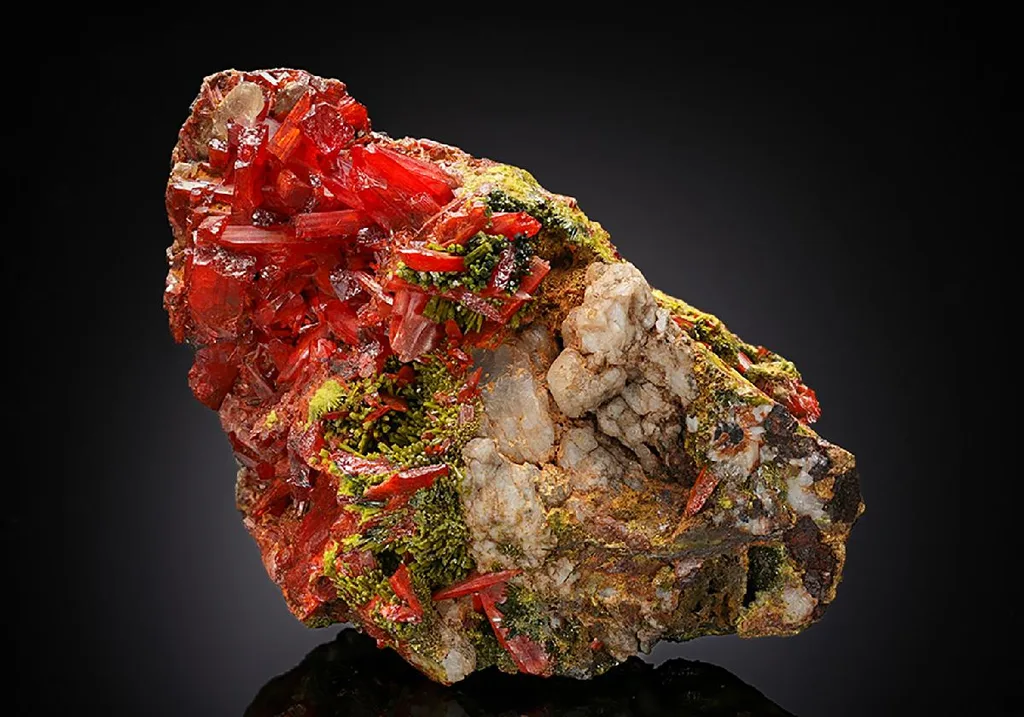
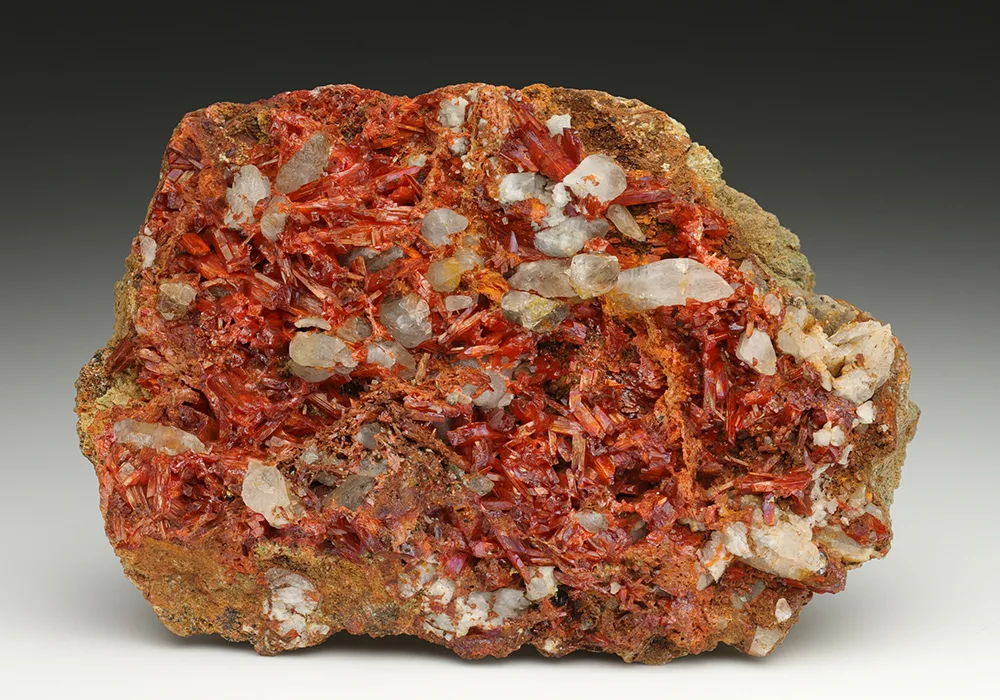
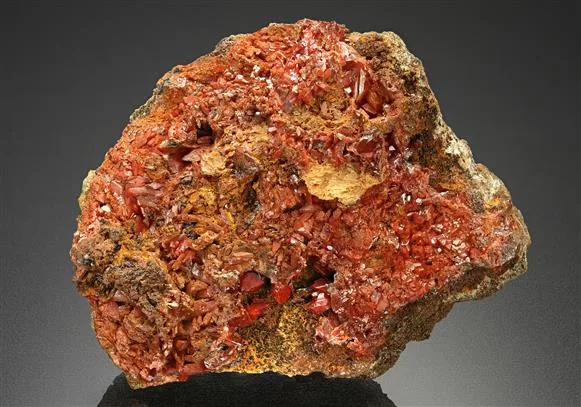
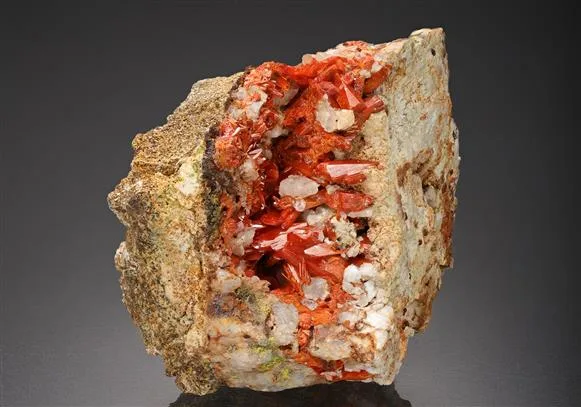
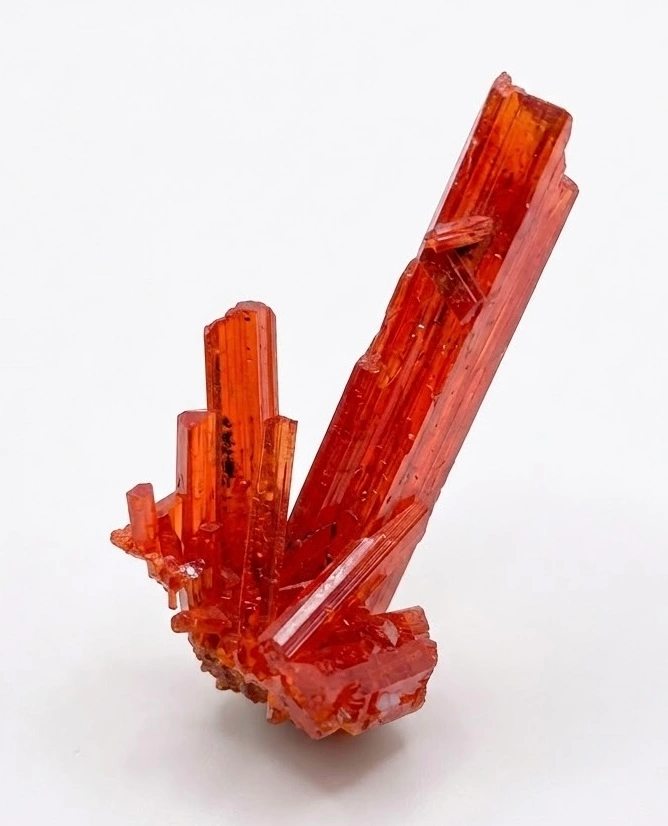
Crocoite is a mineral composed of lead chromate, typically forming long, slender, orange-red to reddish-orange crystals that glisten with a vitreous to resinous luster. The crystal habit is commonly tabular to prismatic, often developing elongated forms that catch the light and display strong color. In well-cut specimens, the orange hues can be vivid and saturated, making Crocoite a striking centerpiece for mineral cabinets.
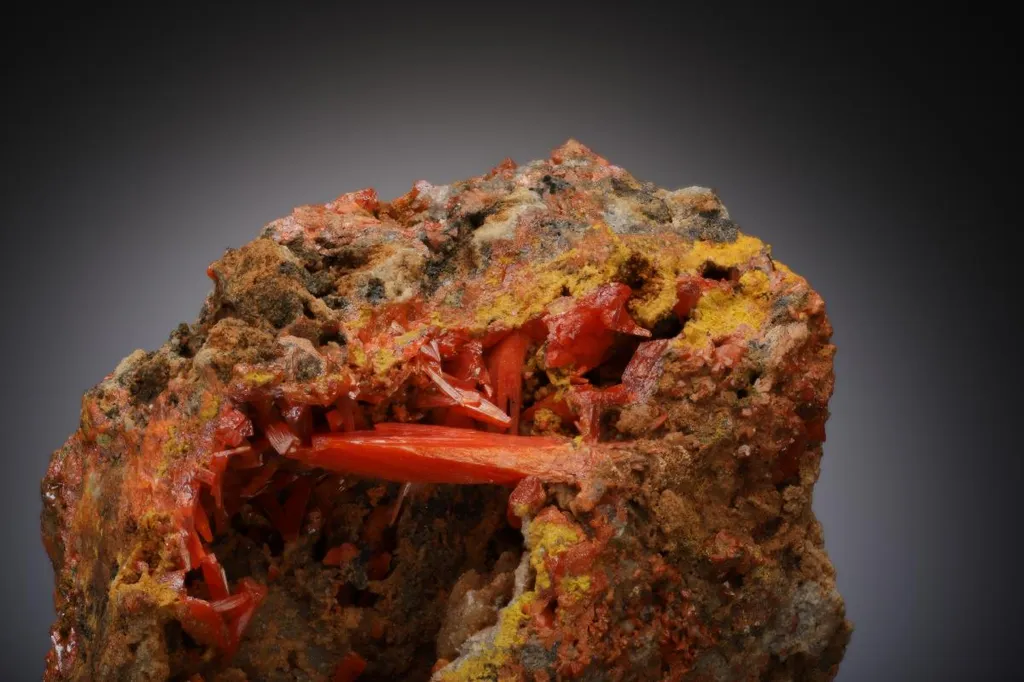
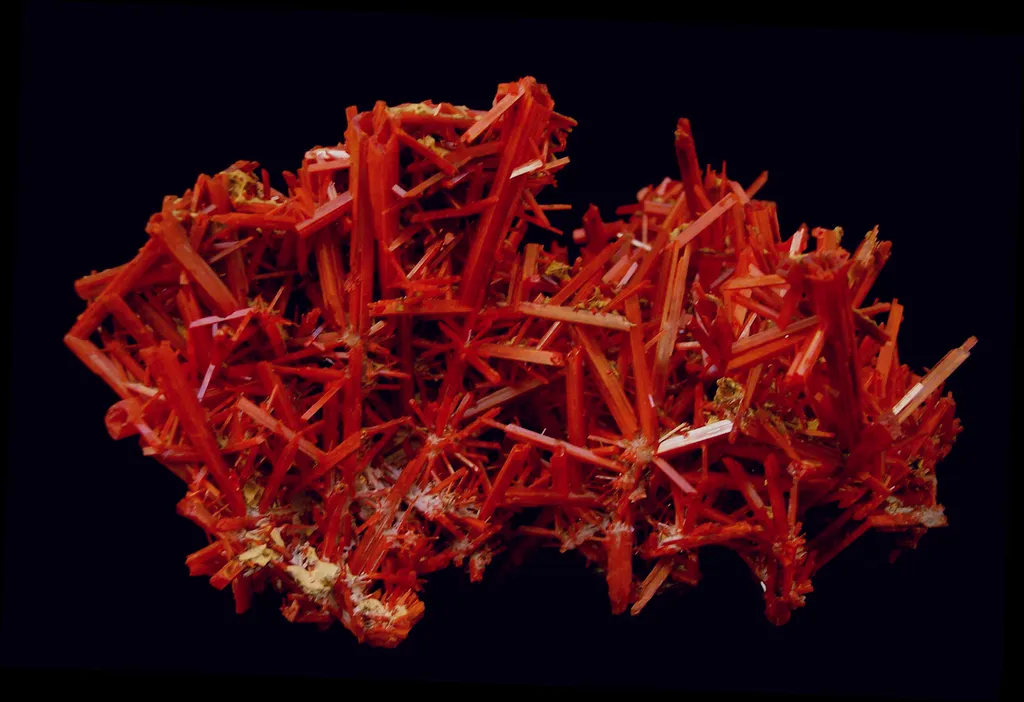
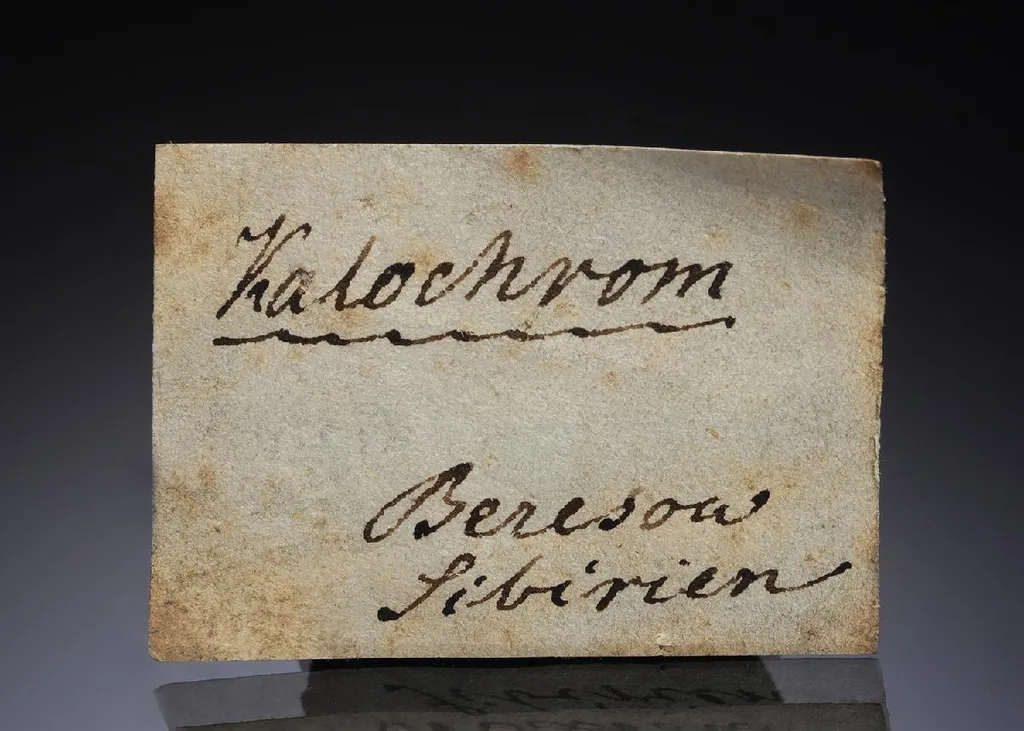
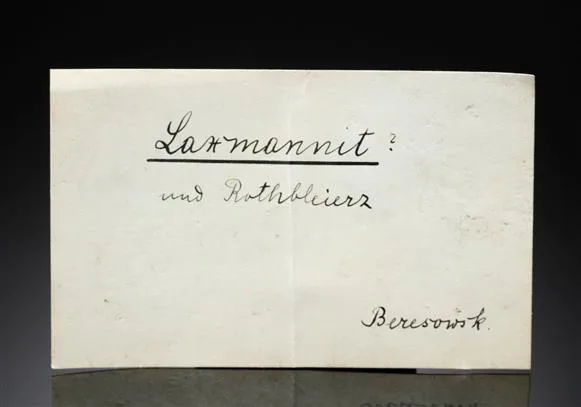
Notable occurrences include classic pockets in the Dundas region of Australia and historic finds in the Urals of Russia, where the mineral has been sought after for generations. Collectors prize Crocoite for its intense color, dramatic crystal forms, and the way light plays along its faces. The mineral’s rarity in pristine, well-formed specimens contributes to its appeal, and peak examples are often associated with distinctive, well-preserved crystal terminations.
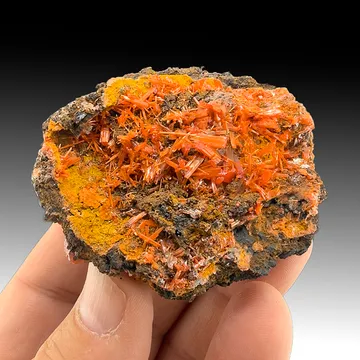
Collectors value Crocoite for its bold presence, the aesthetic contrast against darker matrixes, and the historical associations of Australian and Russian locales. It pairs well with specimens of related chromates and can serve as a vivid highlight in mineral displays, illustrating how chemistry and crystal form combine to produce striking color in the mineral world.