

Guide
87 for sale · $1–$500,000 USD
555 in the gallery
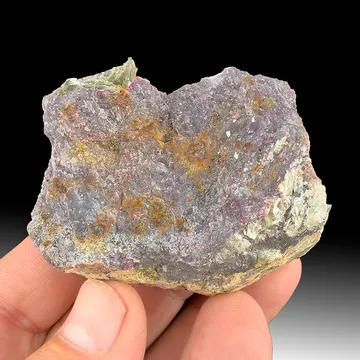
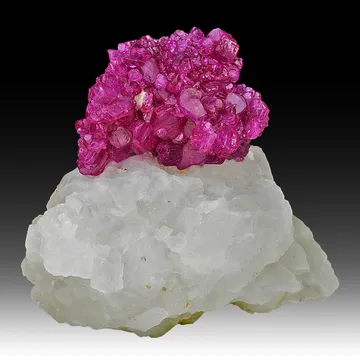
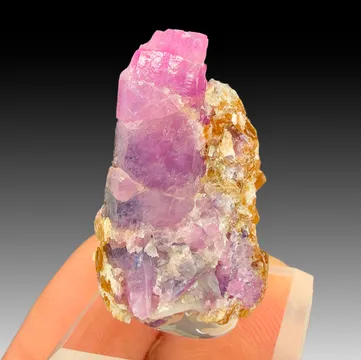
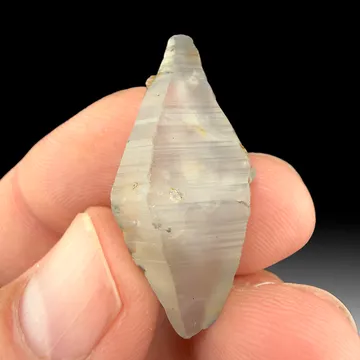
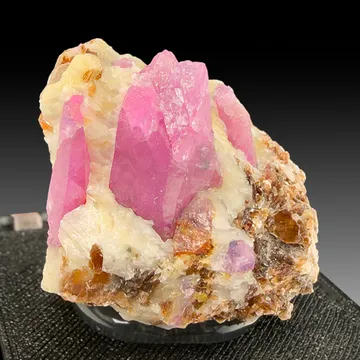
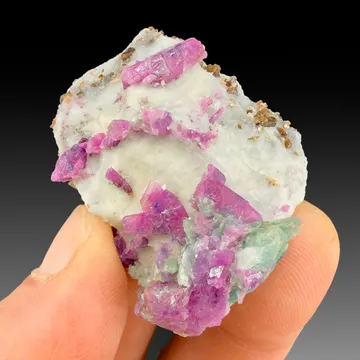
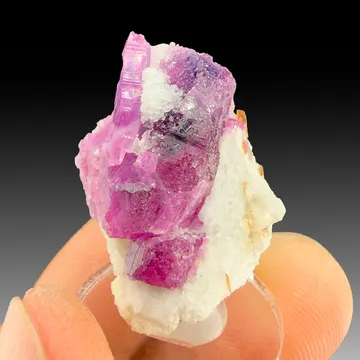
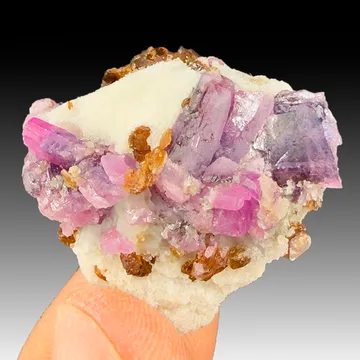
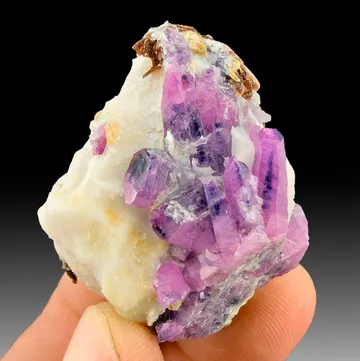
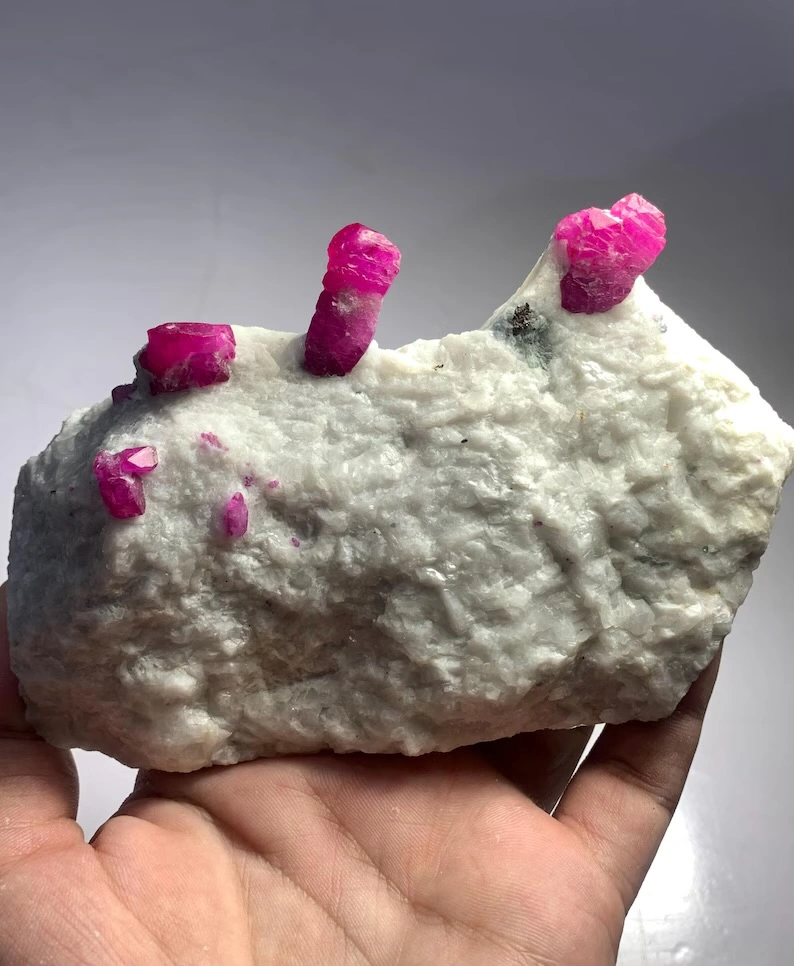
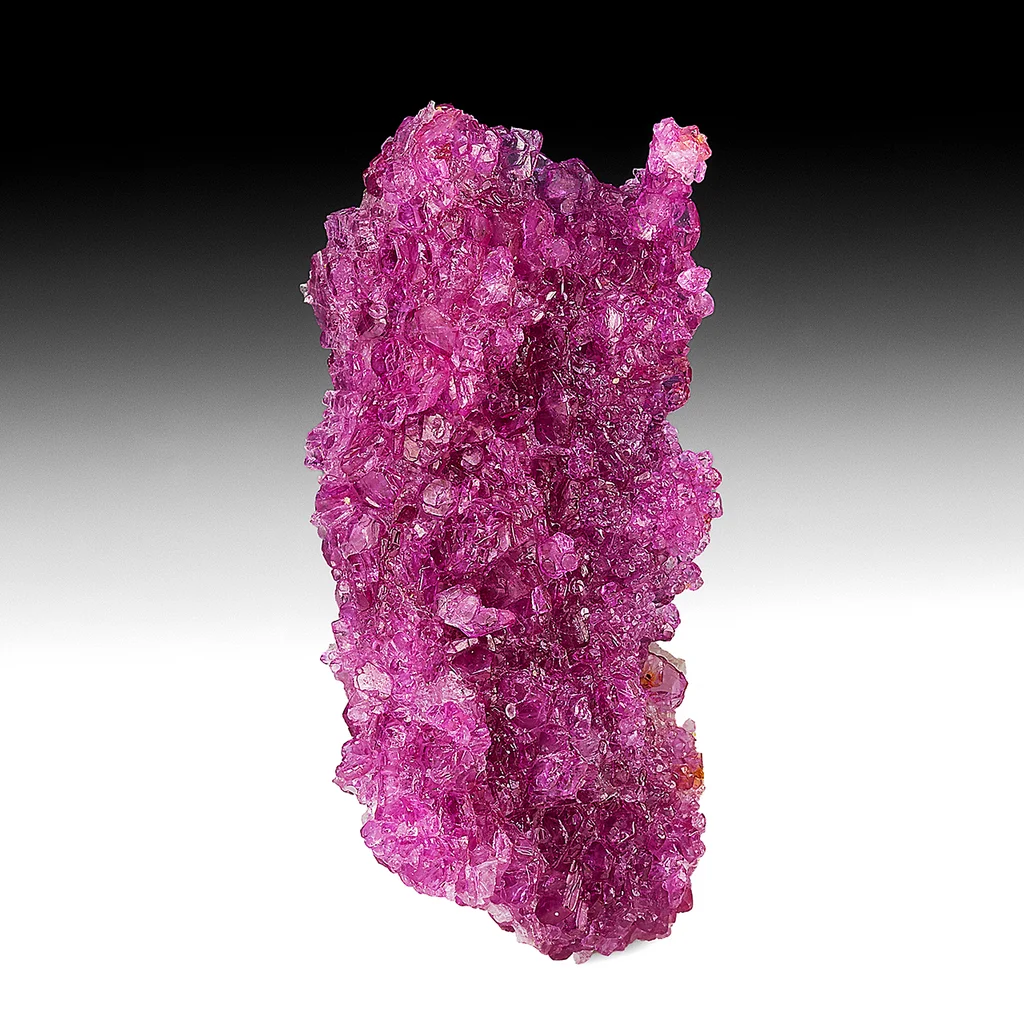
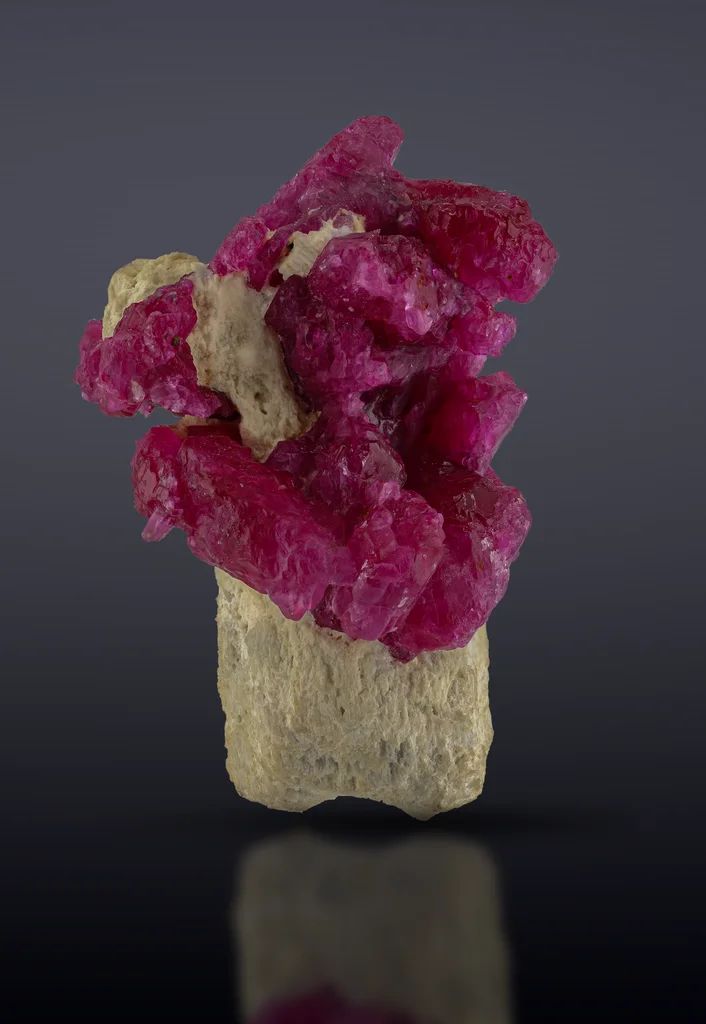
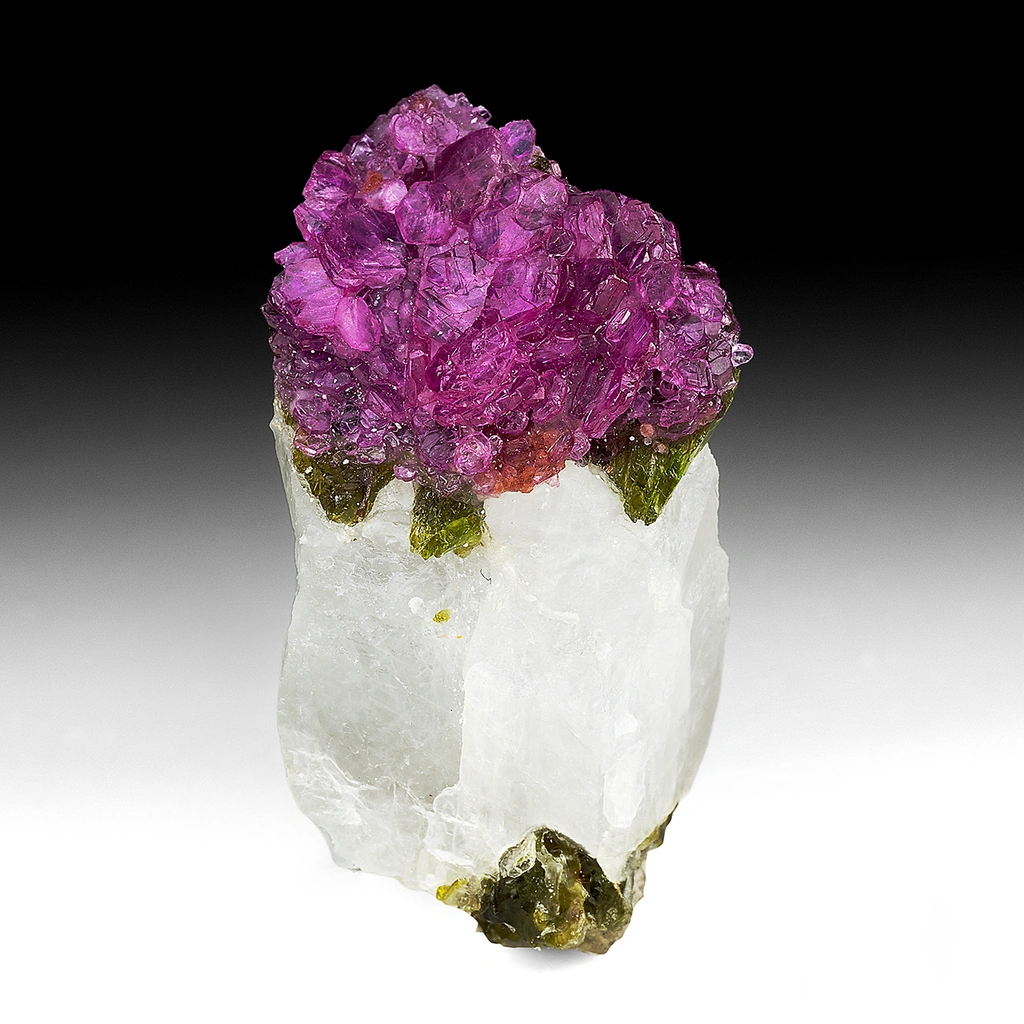
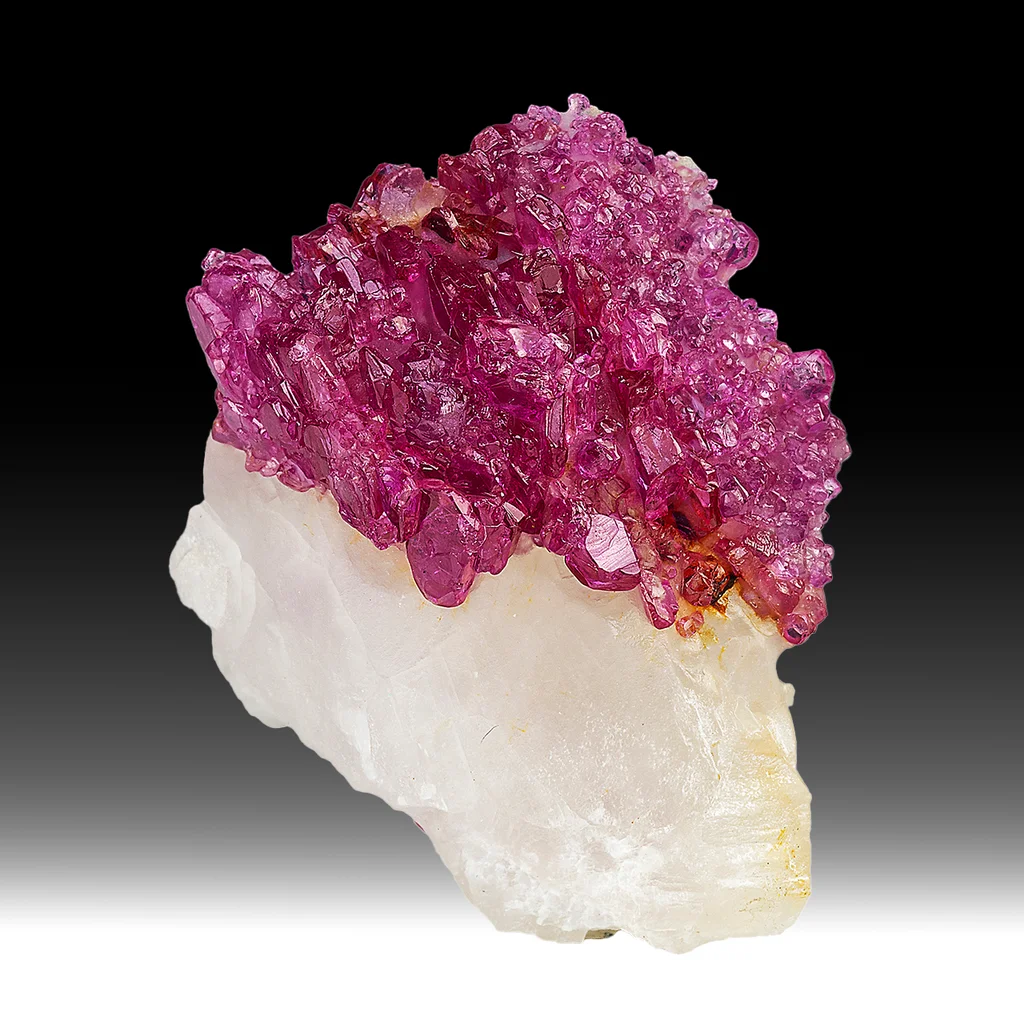
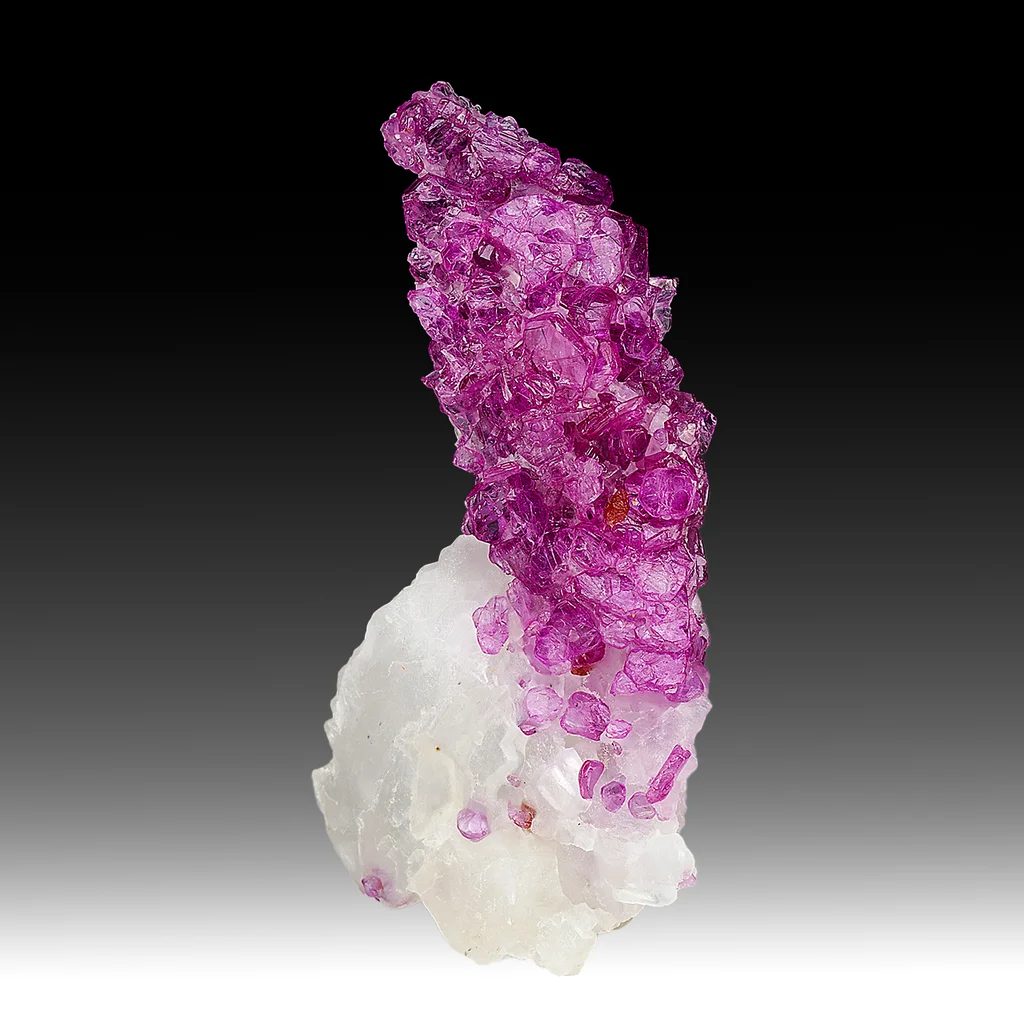
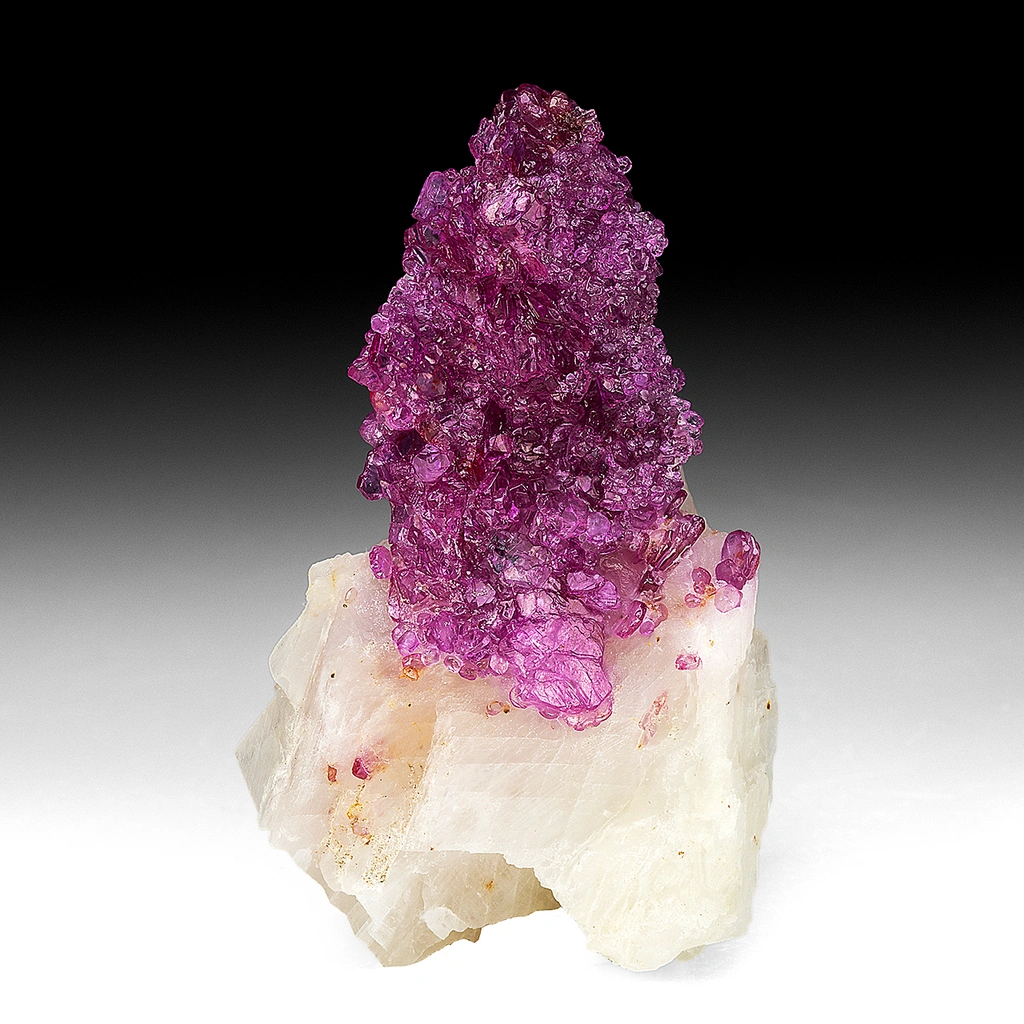
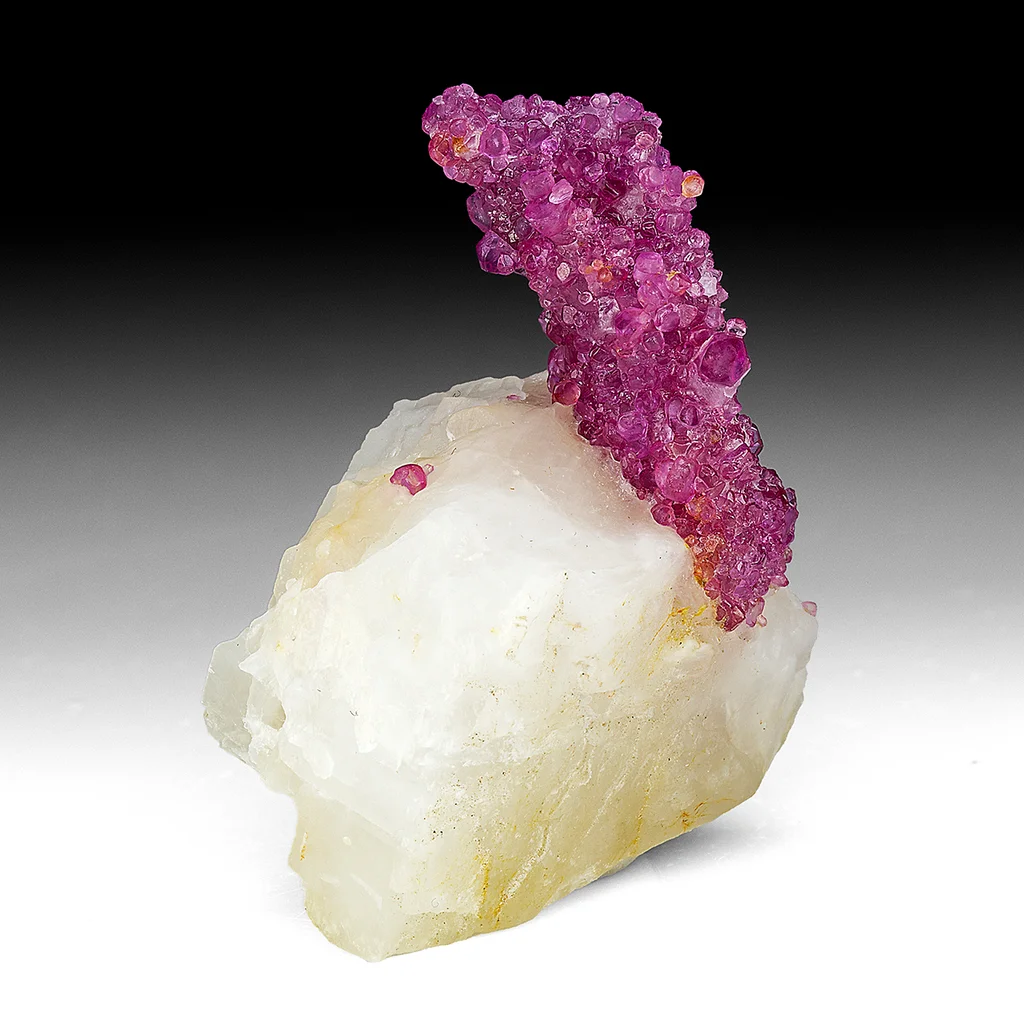
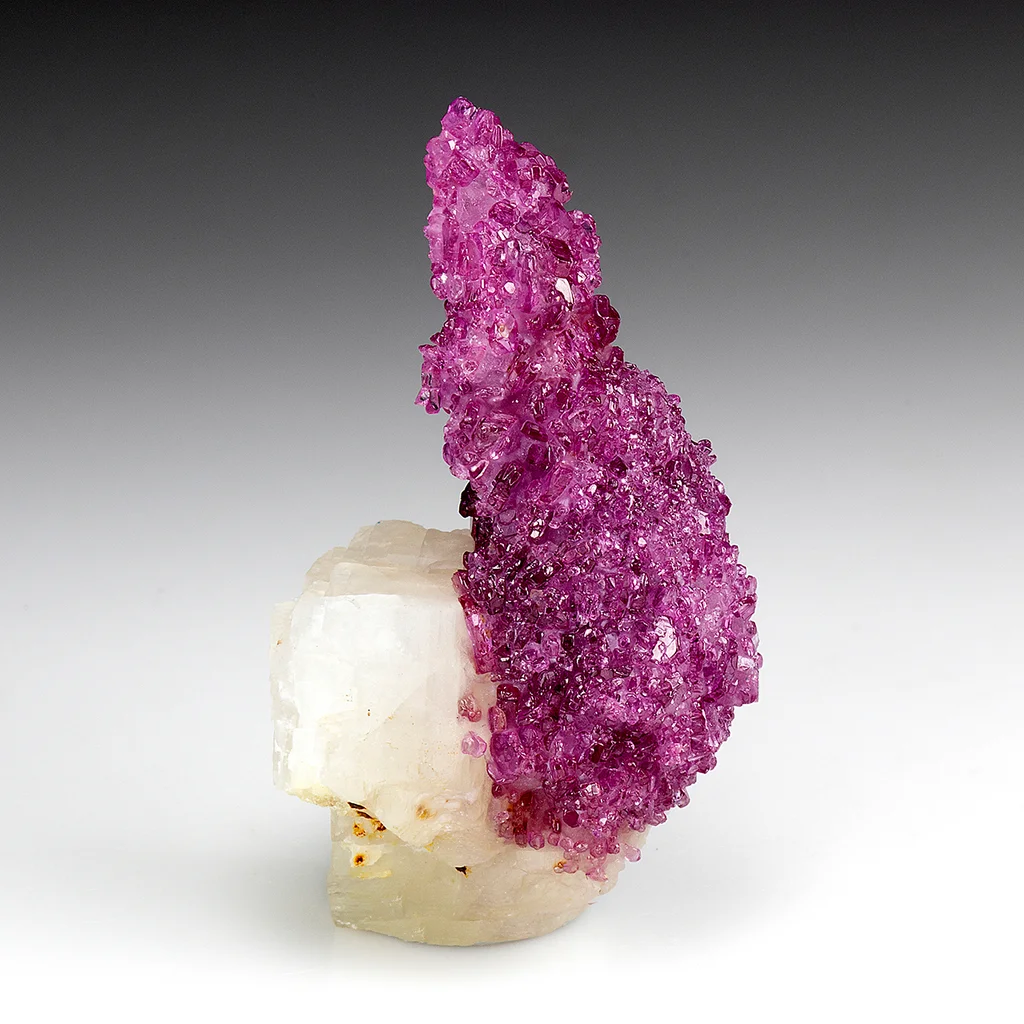
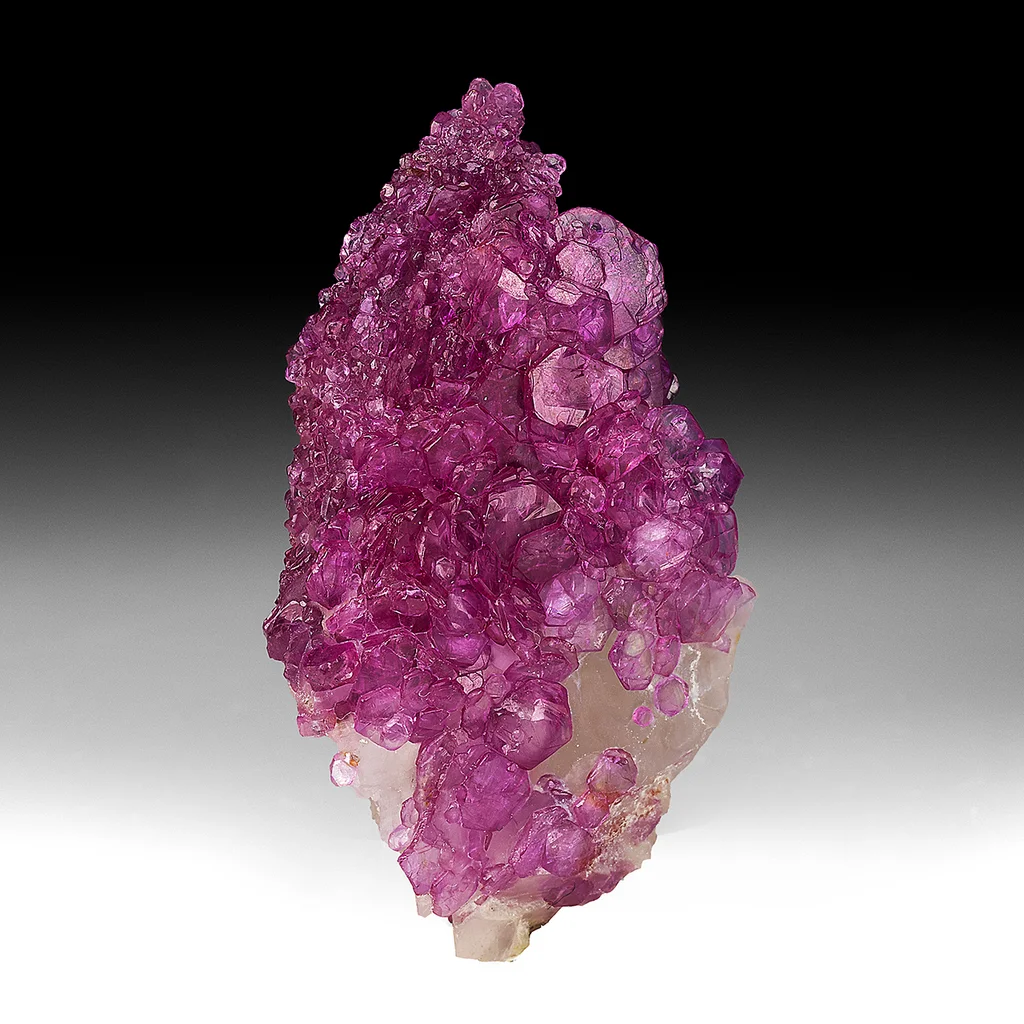
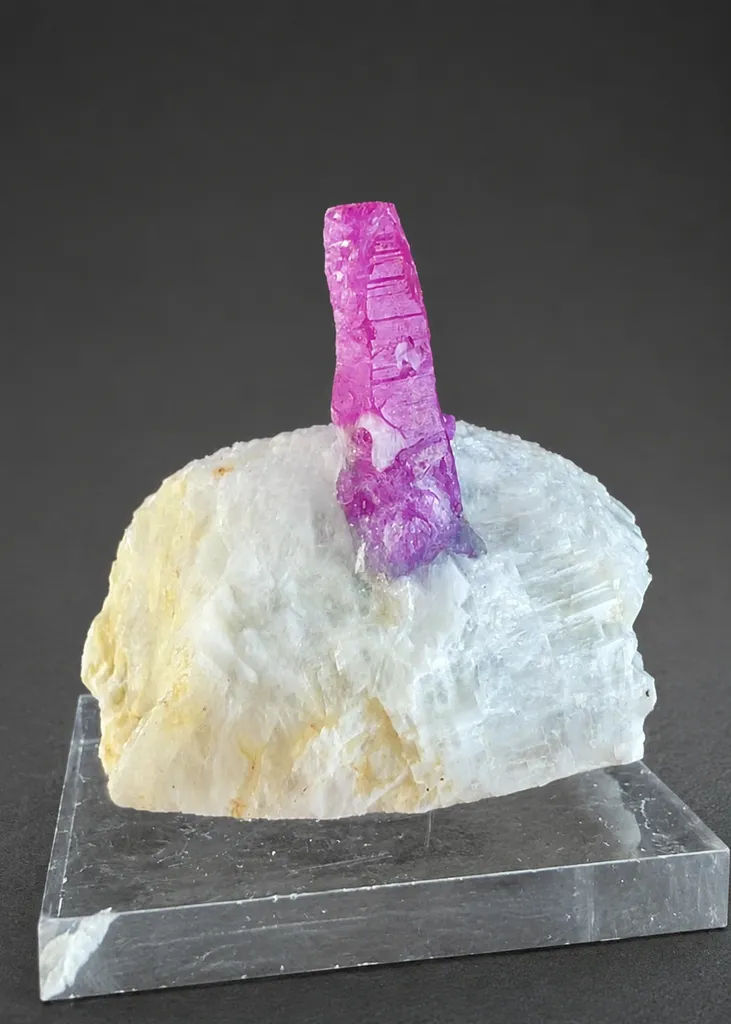
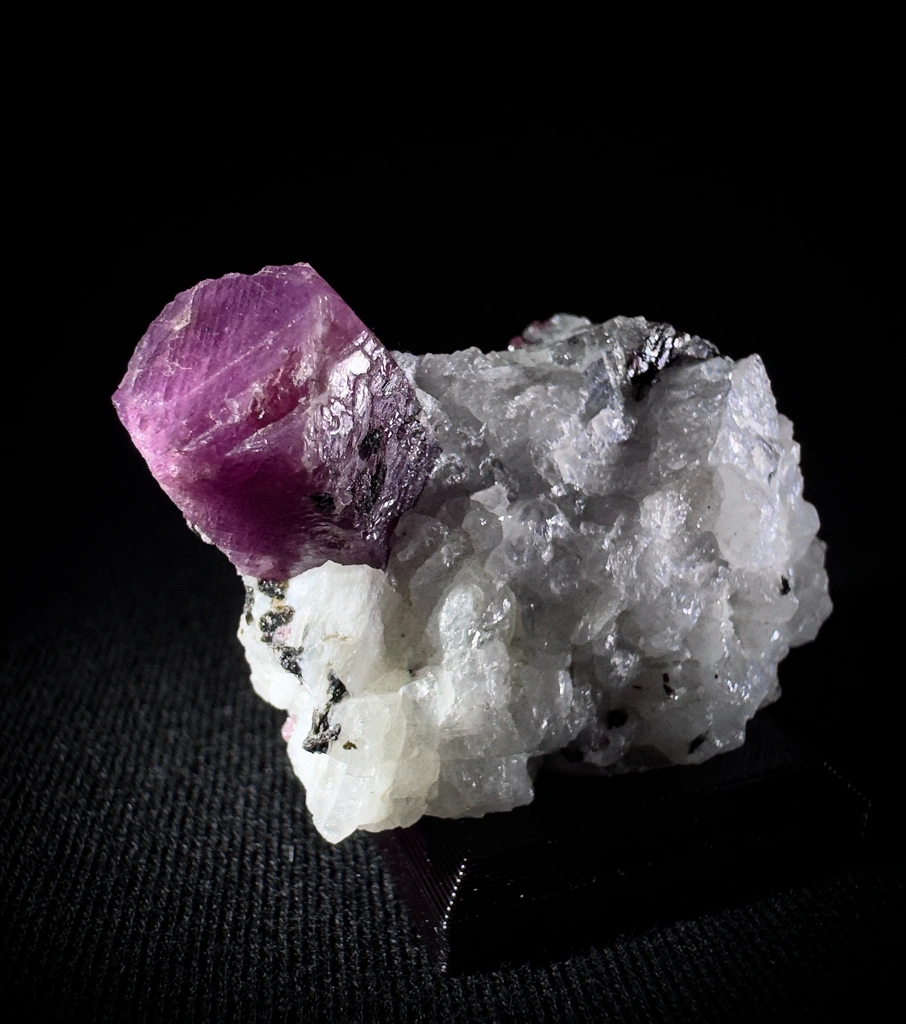
Corundum is a hard mineral with a trigonal crystal system and a relatively colorless to deep colored appearance when trace elements are present. Pure corundum is colorless, but chromium yields red corundum (ruby) and iron/tiberium-related elements produce blue (sapphire); other impurities can create yellow, green, or orange varieties. Faceted crystals are common in fashioning gem-quality specimens, and lustre ranges from vitreous to adamantine in well-formed crystals.
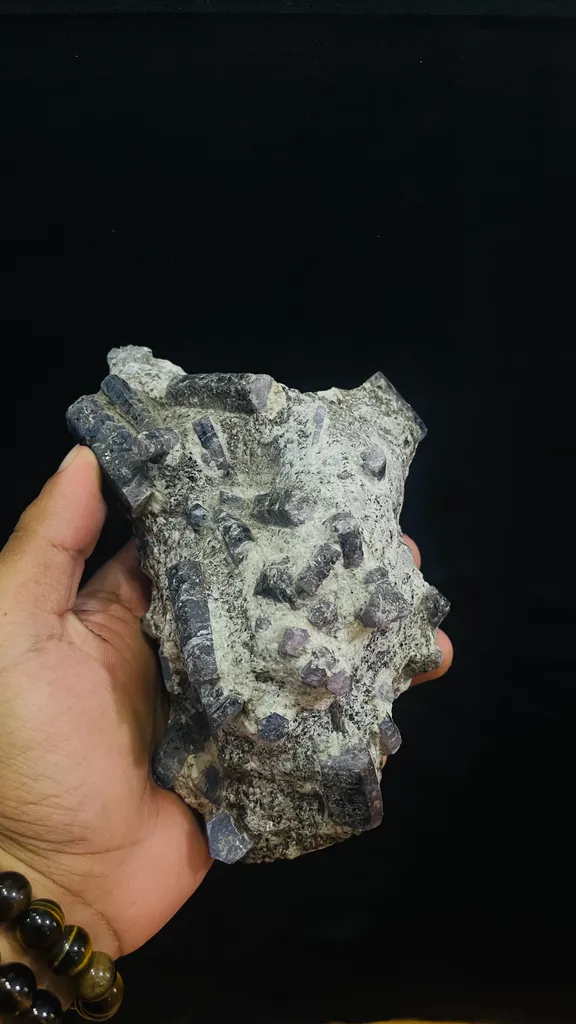
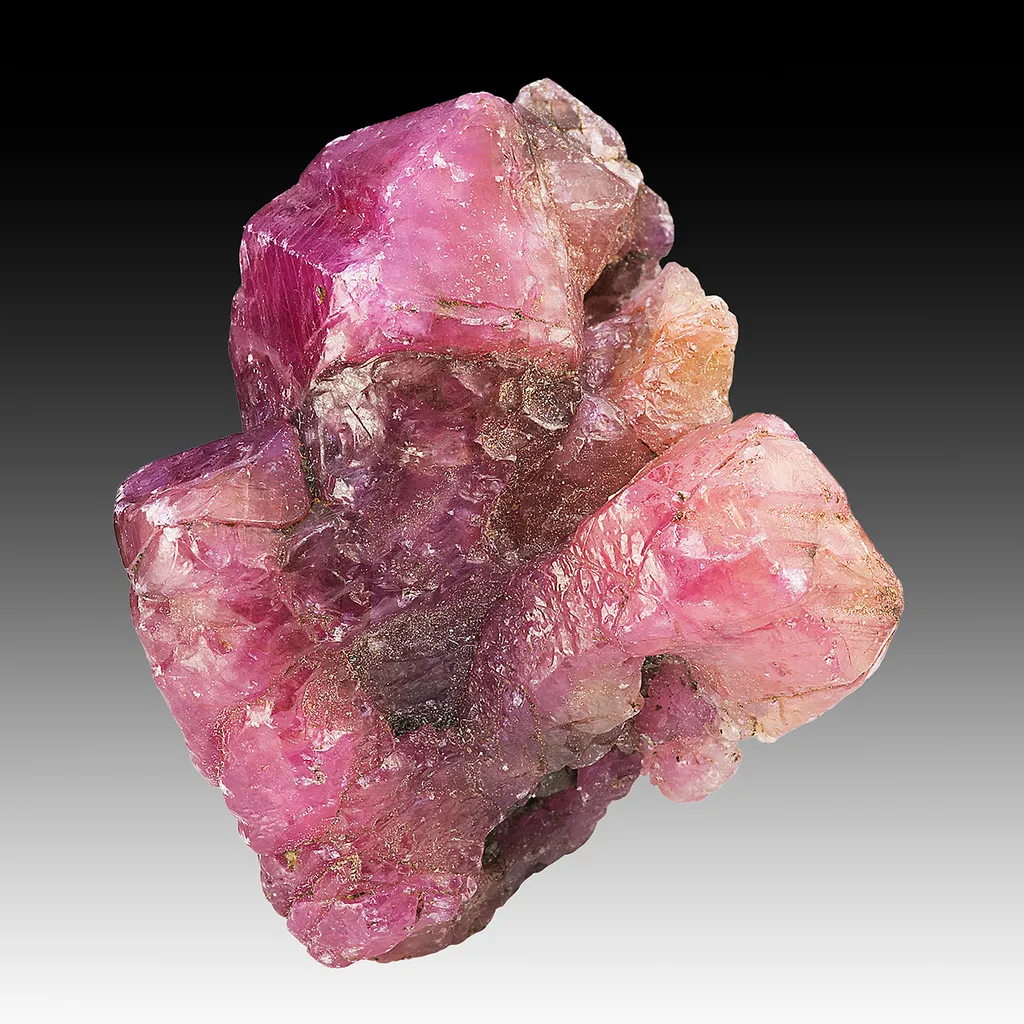
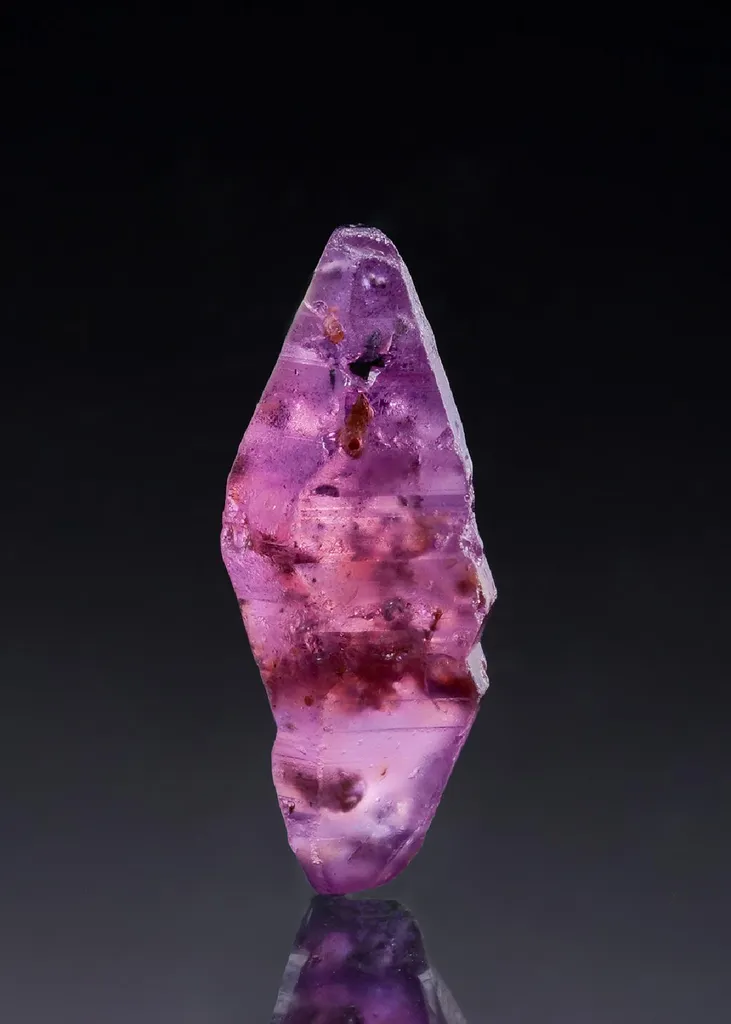
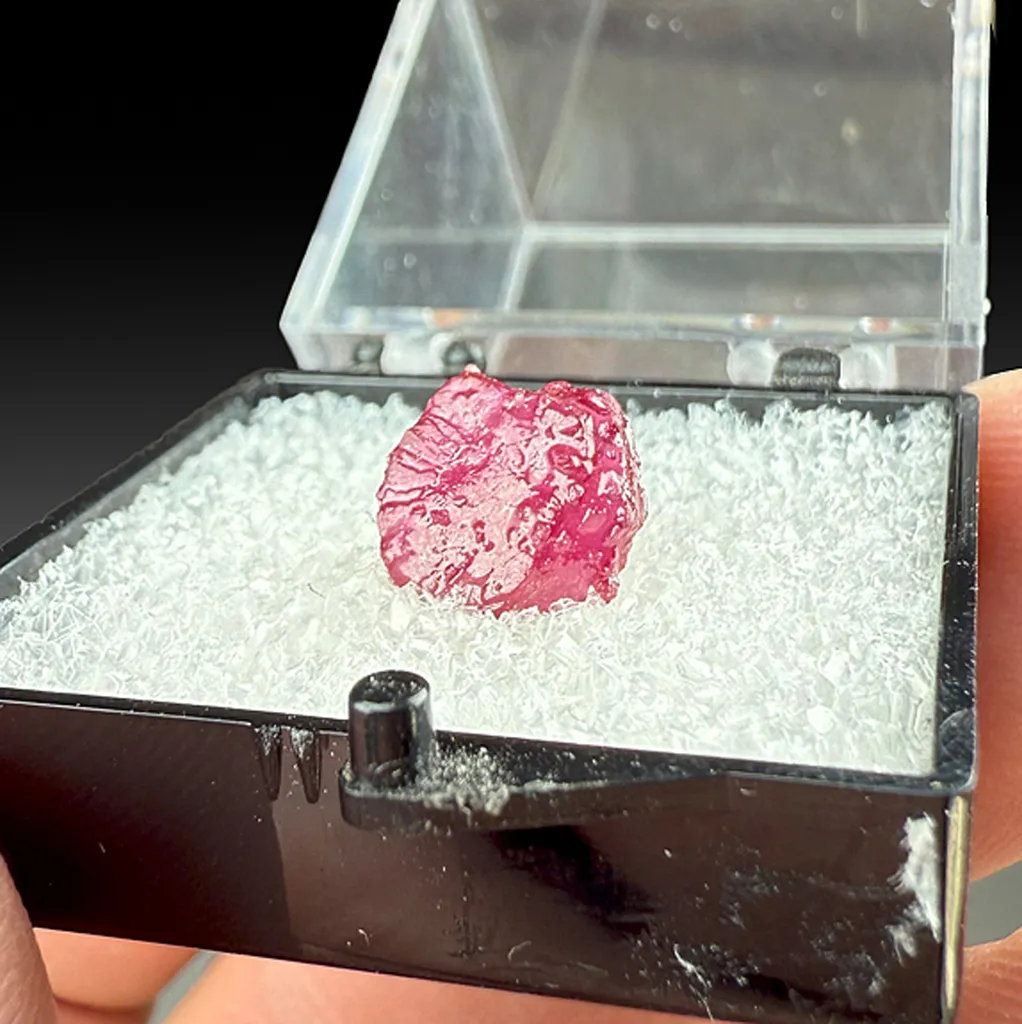
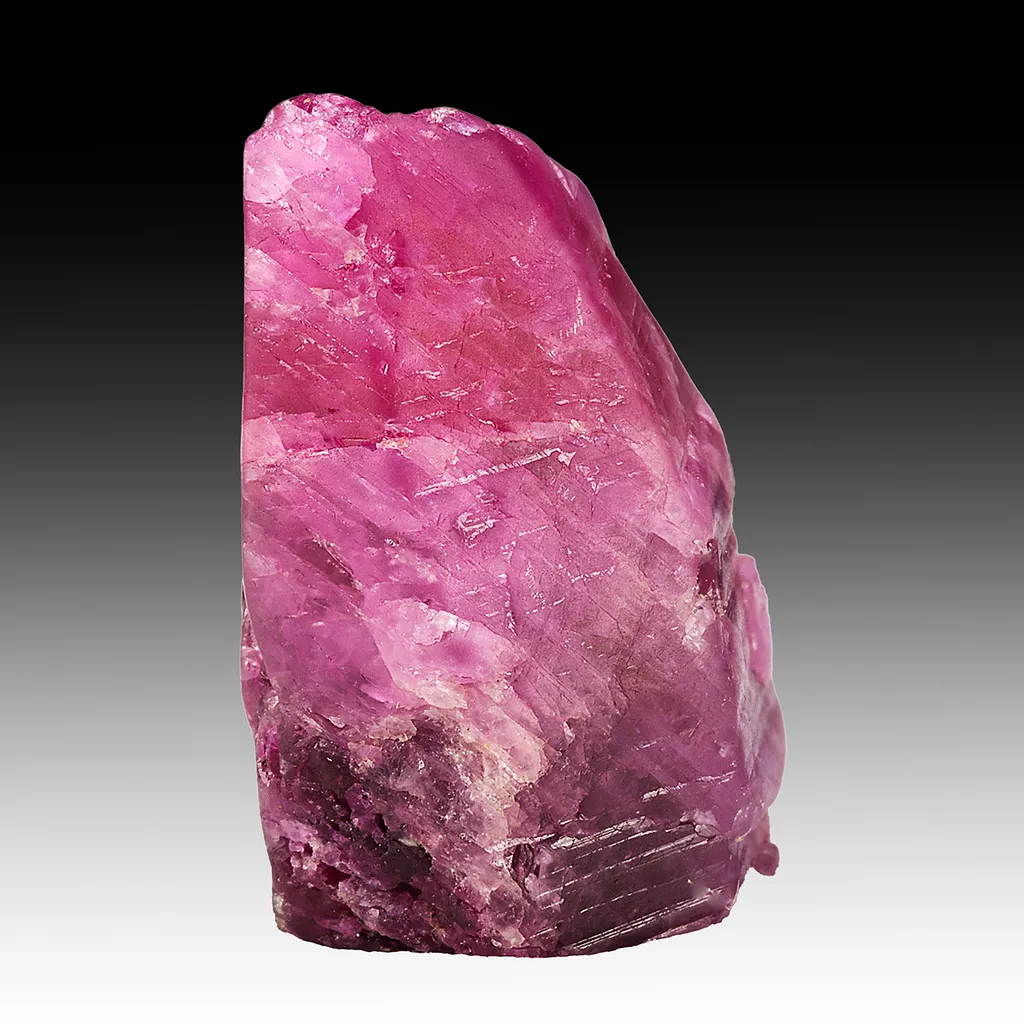
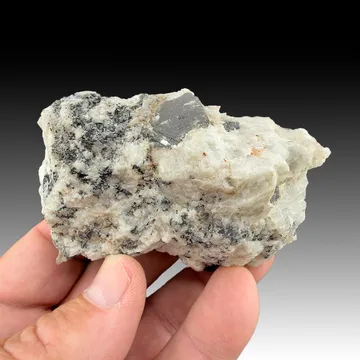
Notable sources include Myanmar and Sri Lanka, which have produced some of the most iconic ruby and sapphire crystals, alongside Madagascar, India, and Afghanistan for a broad range of corundum colors and crystal habits. Field collectors value well-formed crystals with clean faces, deep color, and minimal inclusions, while cabinet specimens showcase the mineral’s sometimes slender tabular or blocky forms. Corundum occurs in metamorphic and igneous settings, often forming in alumina-rich pegmatites, xenoliths, or crustal zones where high temperature and pressure drive crystallization.
For collectors, corundum offers both gem-quality material and striking crystal thumbnails. The diversity of color and the potential for large, sharp crystals make it a versatile target for museums and private displays alike, while the long history of gem cutting adds cultural resonance to well-documented localities.