






Cornwallite specimens for sale
7 for sale · $135–$1,750 USD
7 in the gallery
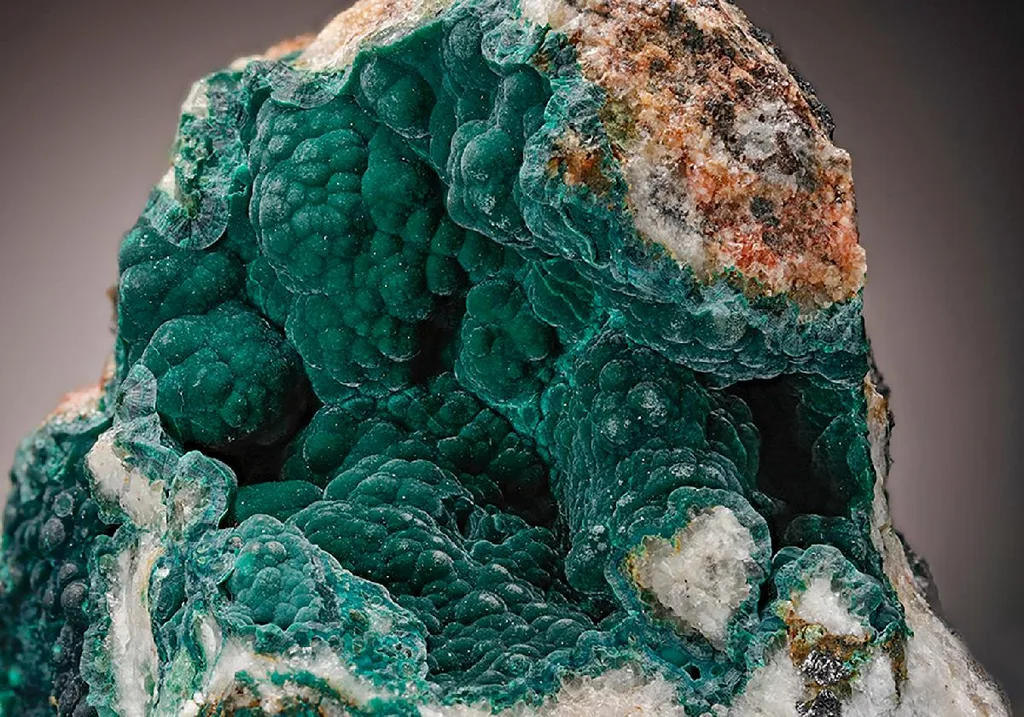
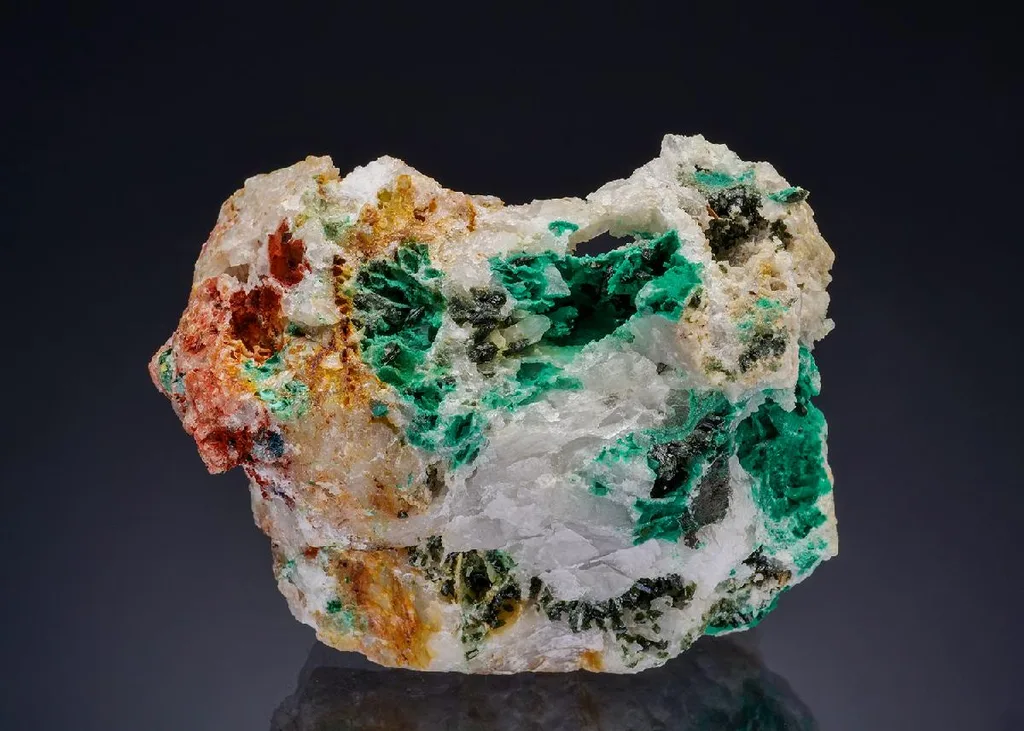
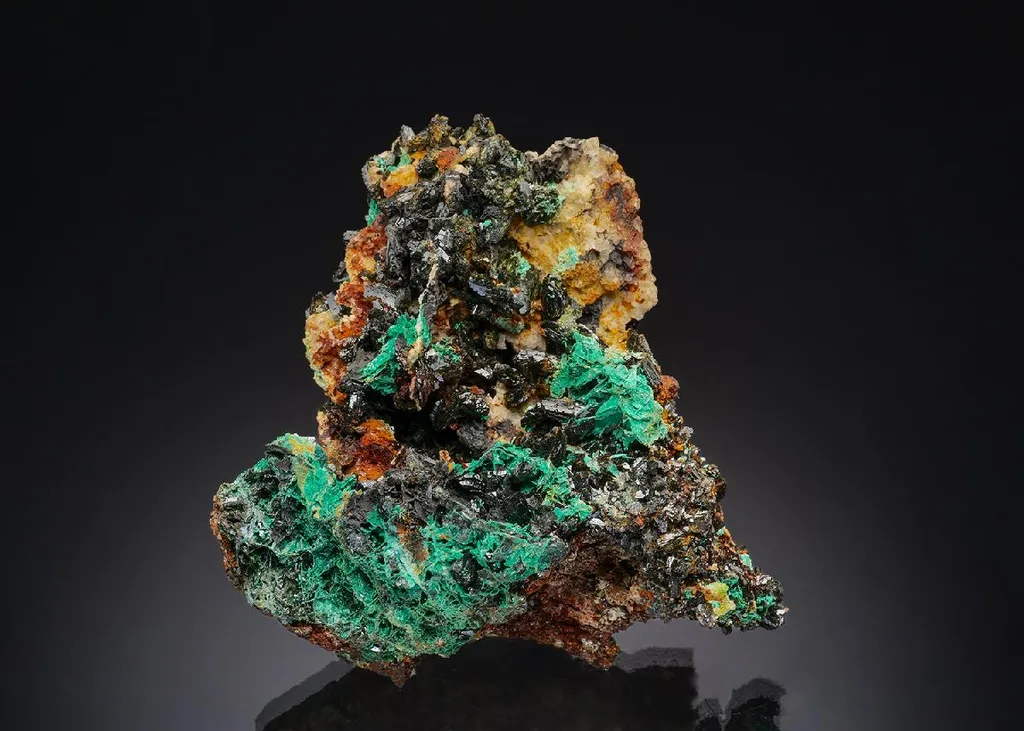
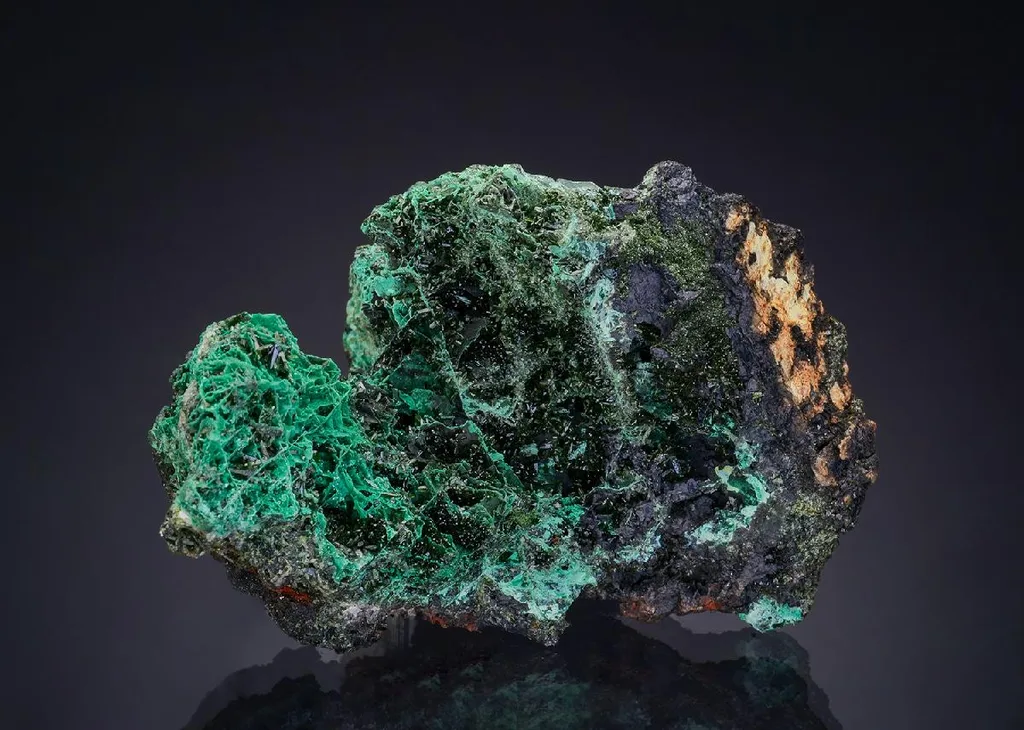
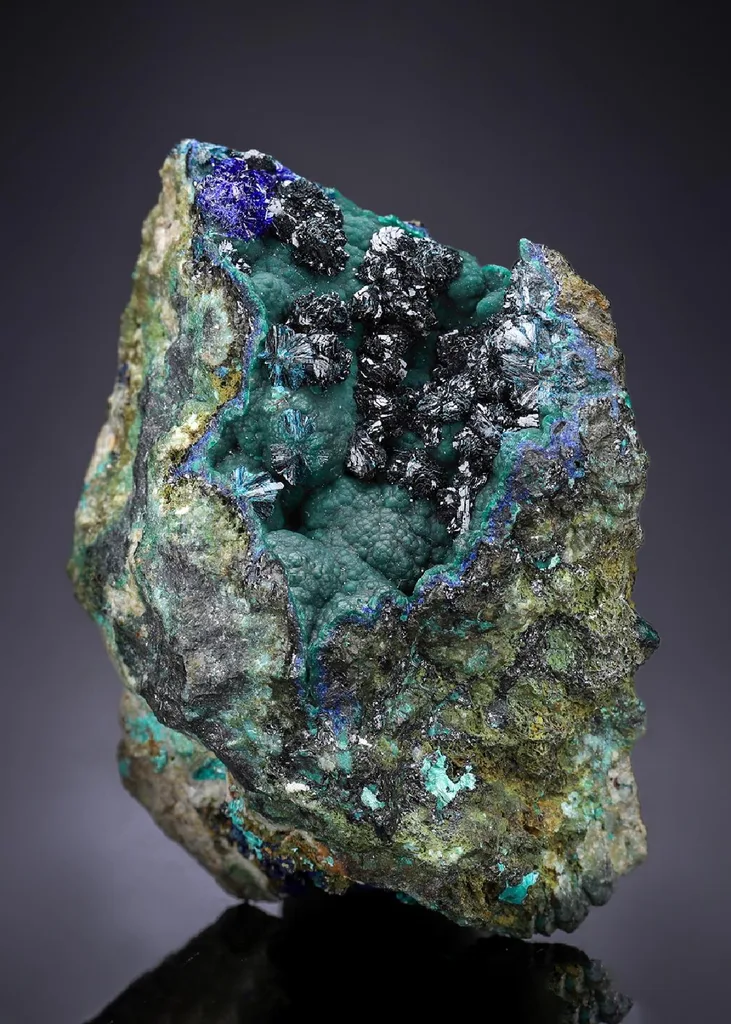
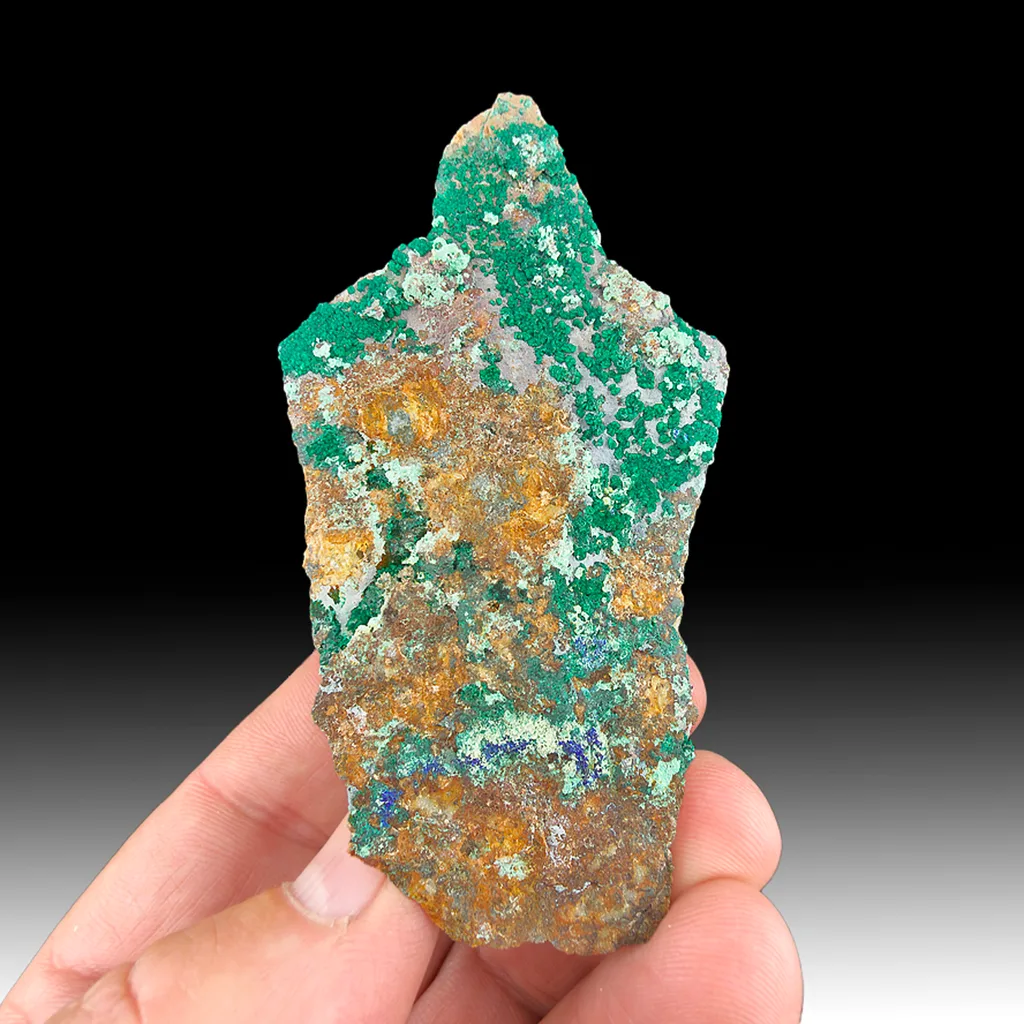
Cornwallite is an anhydrous phosphate mineral with hydroxyl groups that forms monoclinic crystals. It commonly occurs as fibrous, radiating, or botryoidal aggregates with a resinous to waxy luster and a green to black color, often translucent to opaque and a green streak. Specimens are notable for their intricate crystal fans and needle-like structures that can host a striking surface sheen under suitable light.
- Formula
- Cu5(AsO4)2(OH)4
- Rarity
- Rare
- Stability
- Stable
- Collector interest
- High Interest
- Classification notes
- Anhydrous Phosphates, etc. Containing Hydroxyl or Halogen
Key characteristics
- Crystal system
- monoclinic
- Mohs hardness
- 4.5
- Specific gravity
- 4.17
- Luster
- resinous, waxy, greasy
- Transparency
- translucent, opaque
- Color
- black, green
- Streak
- green
- Cleavage
- good
- Fracture
- conchoidal, uneven
- Crystal habit
- fibrous, radiating, botryoidal
- Classic / historic
Buy Cornwallite specimens
View all 7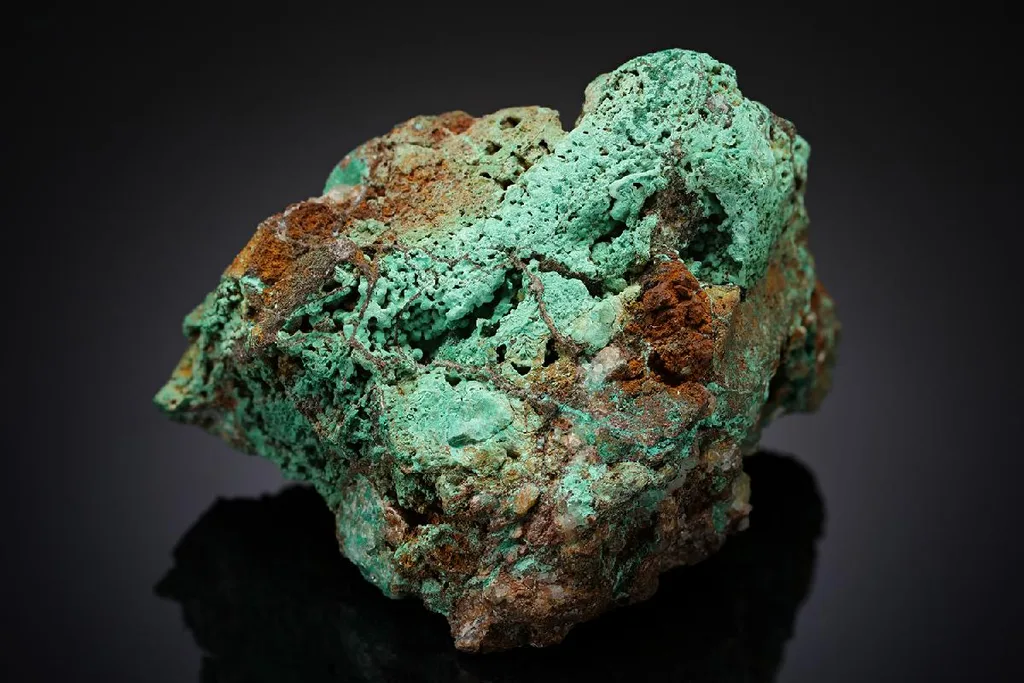
Where Cornwallite is found
Top localities
- Pastrana1 specimen
- Wheal Gorland1 specimen
- Gold Hill Mine1 specimen
About Cornwallite
Significant material comes from classic localities in Spain and the United Kingdom, where Cornwallite has been studied in hydrothermal veins and secondary oxide-rich pockets. The mineral’s relatively soft Mohs hardness of about 4.5, together with conchoidal and uneven fractures, makes it a challenging but rewarding subject for careful handling and display. Collectors prize the banded, radiating forms and the way the mineral often forms harmonious contrasts with associated minerals, emphasizing texture and color.
Because Cornwallite offers distinctive color, habit, and luster, it remains a desirable addition for those building a curated suite of secondary phosphates and oxide-bearing specimens. Its monoclinic symmetry and characteristic habits provide visual interest in hand samples and cabinets alike, encouraging thoughtful display and careful provenance documentation.