$165Median
5Sold (12 mo)
$165Last sale
8 in the gallery
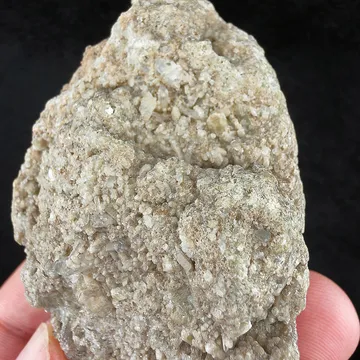
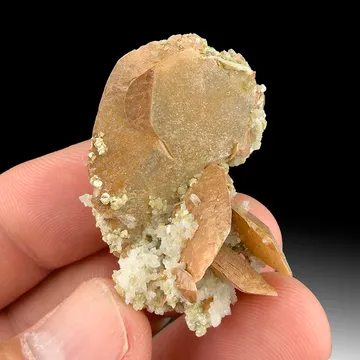
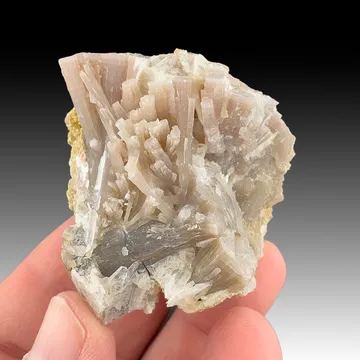
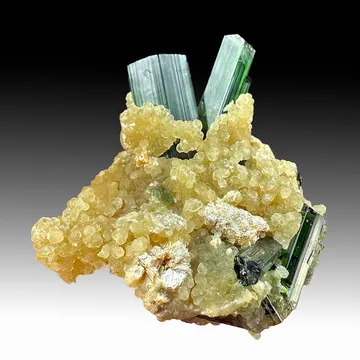
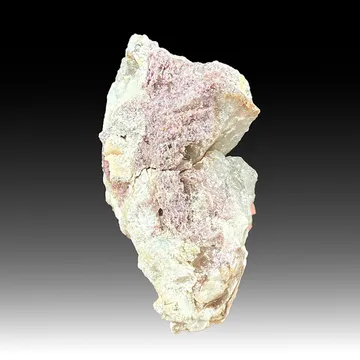
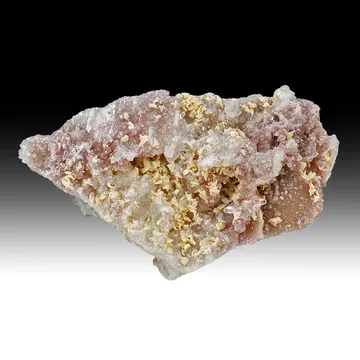
Cookeite is a lithium aluminum silicate phyllosilicate that forms in monoclinic crystals with a vitreous lustre. Specimens range from white to brown, yellow, green, or pink and often show a translucent to transparent habit. Its perfect cleavage and relatively low hardness give it a characteristic, easily recognizable appearance when encountered in appropriate rock matrices.
Notable localities include the United States, Brazil, and Pakistan, where secondary lithium-rich environments can produce well-formed grains and crystals within altered felsic rocks or pegmatites. Collectors prize Cookeite for its pale color palette, glossy surfaces, and the way thin crystals can contrast with host minerals, revealing delicate sheet silicate structures. The material tends to be small but can occur in attractive clusters, offering appealing micro-mount specimens and museum-quality pieces for display. The combination of colour variety, transparency, and the mineral’s layered structure makes Cookeite a sought-after addition for mineral cabinets and display collectors.