$125Median
11Sold (12 mo)
$125Last sale
21 for sale · $100–$12,500 USD
81 in the gallery
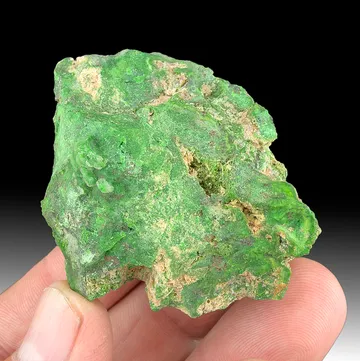
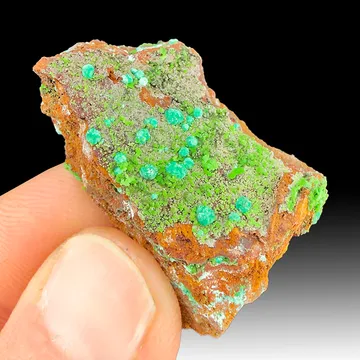
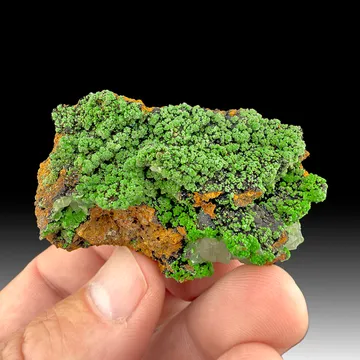
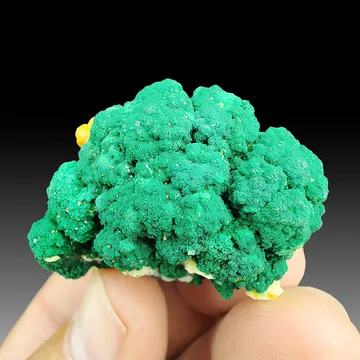
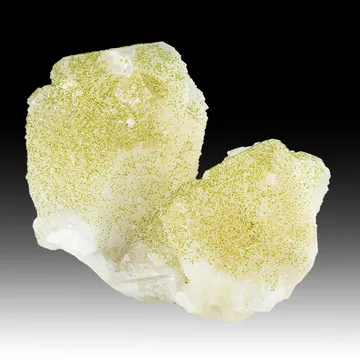
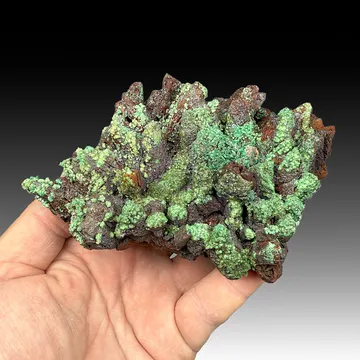
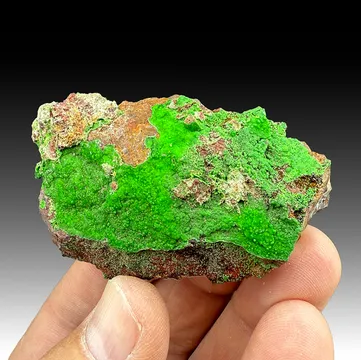
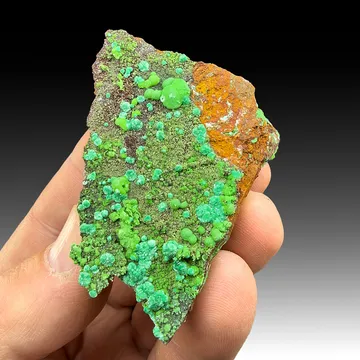
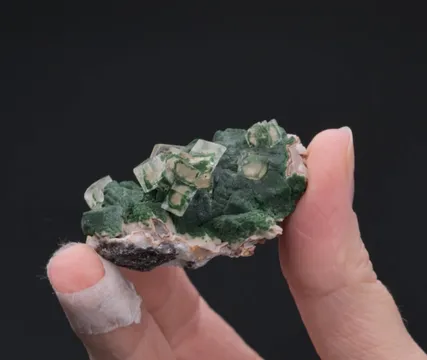
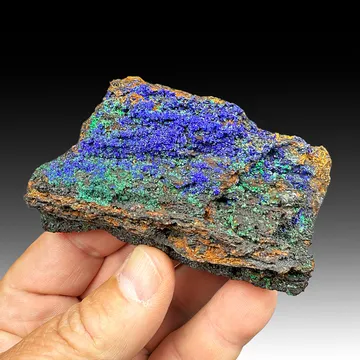
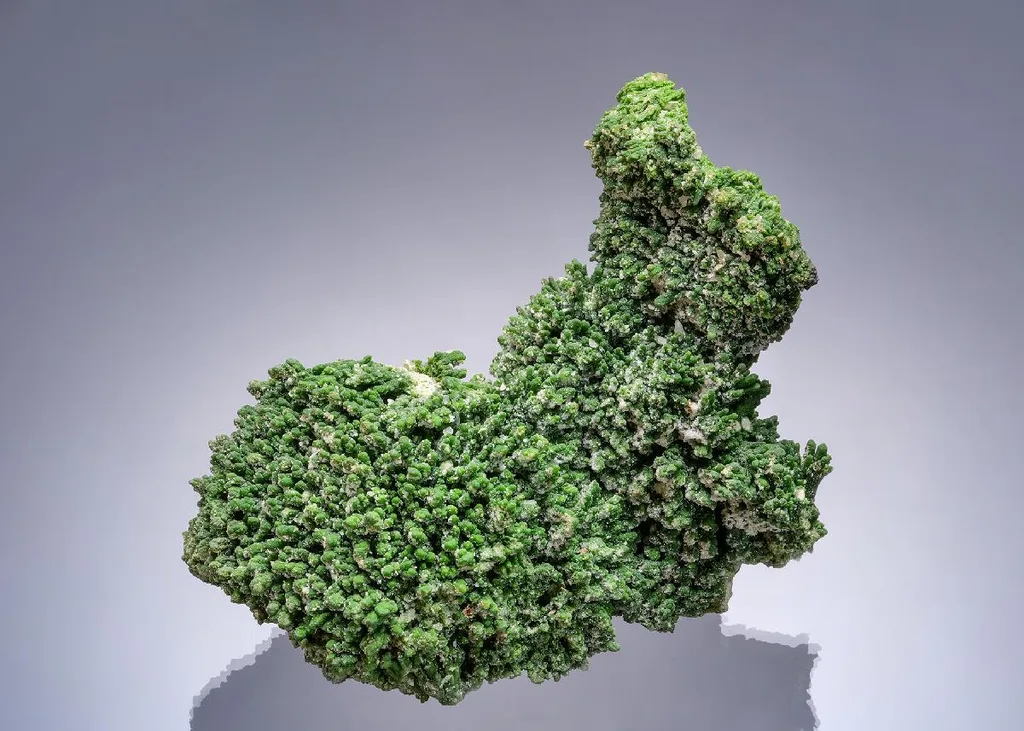
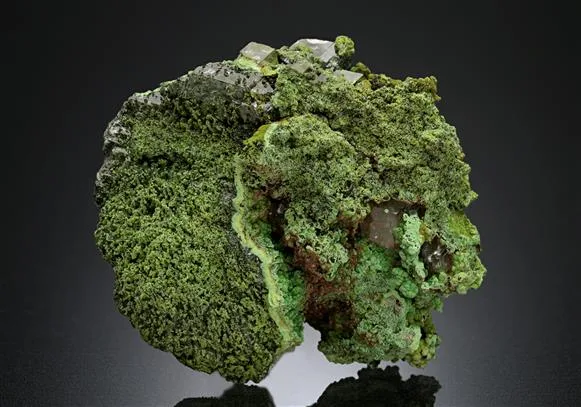
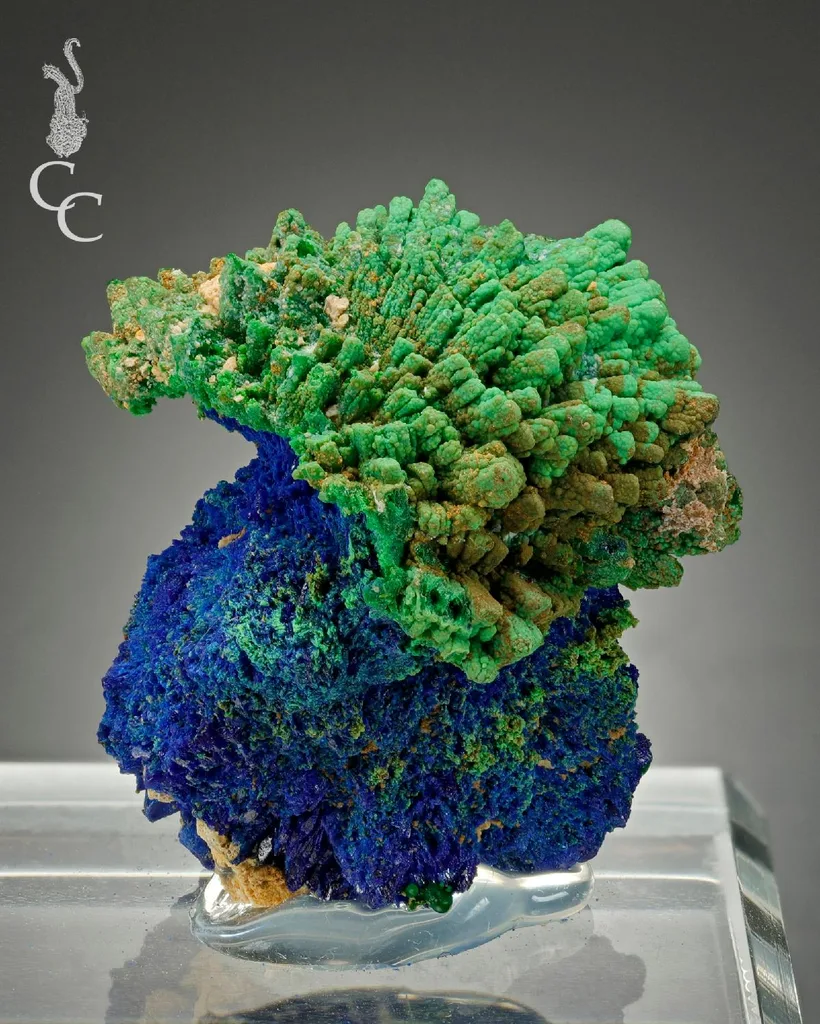
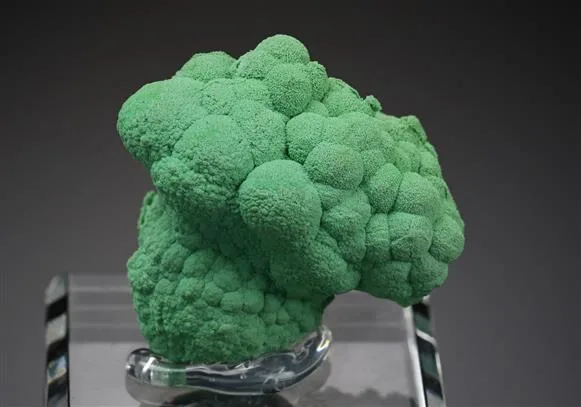
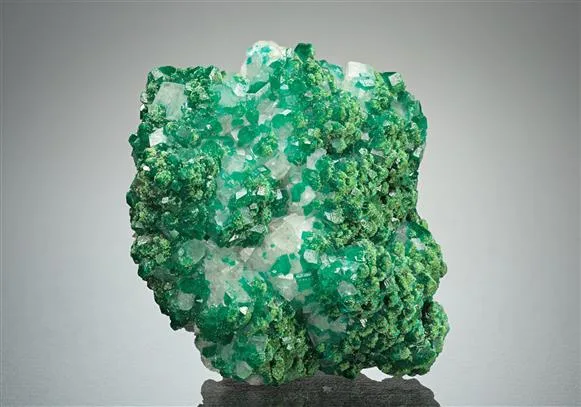
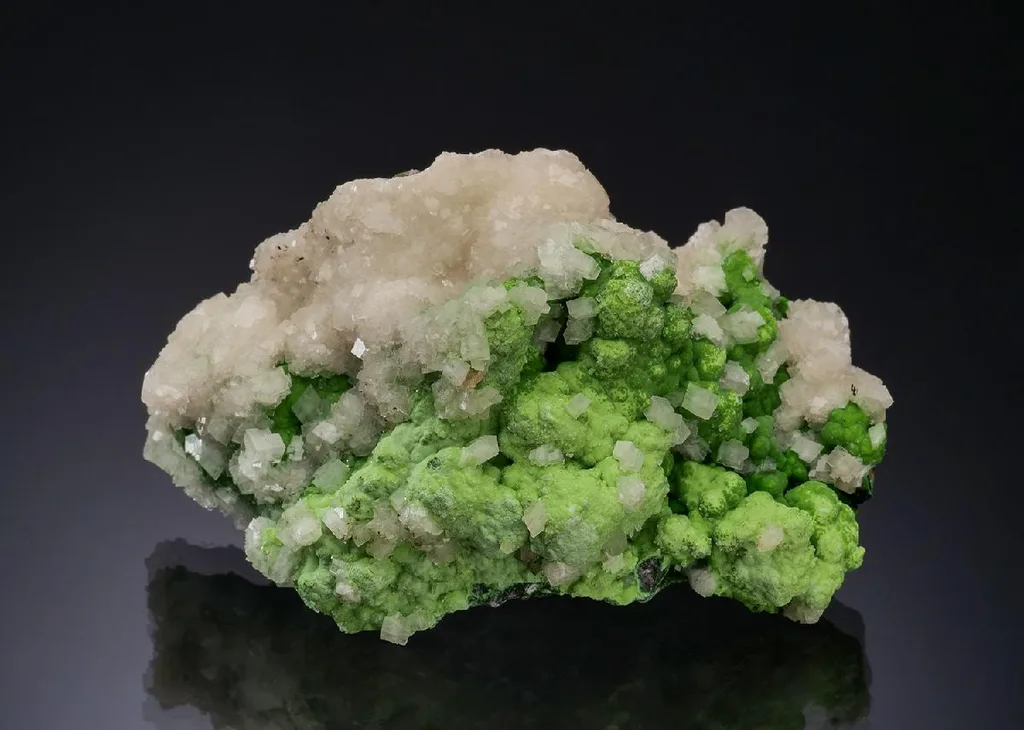
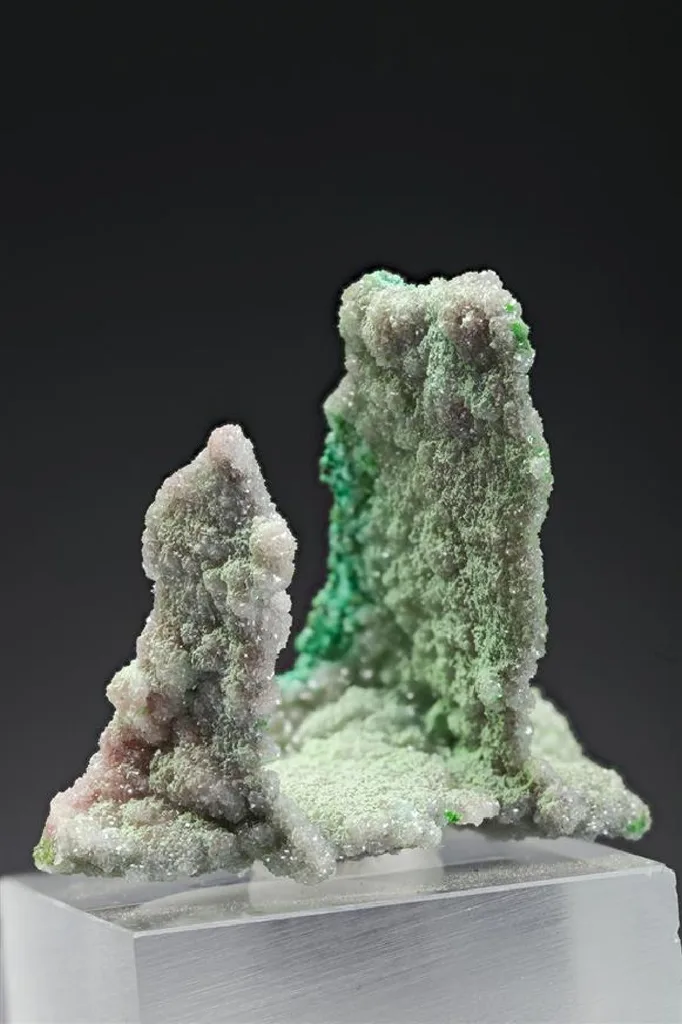
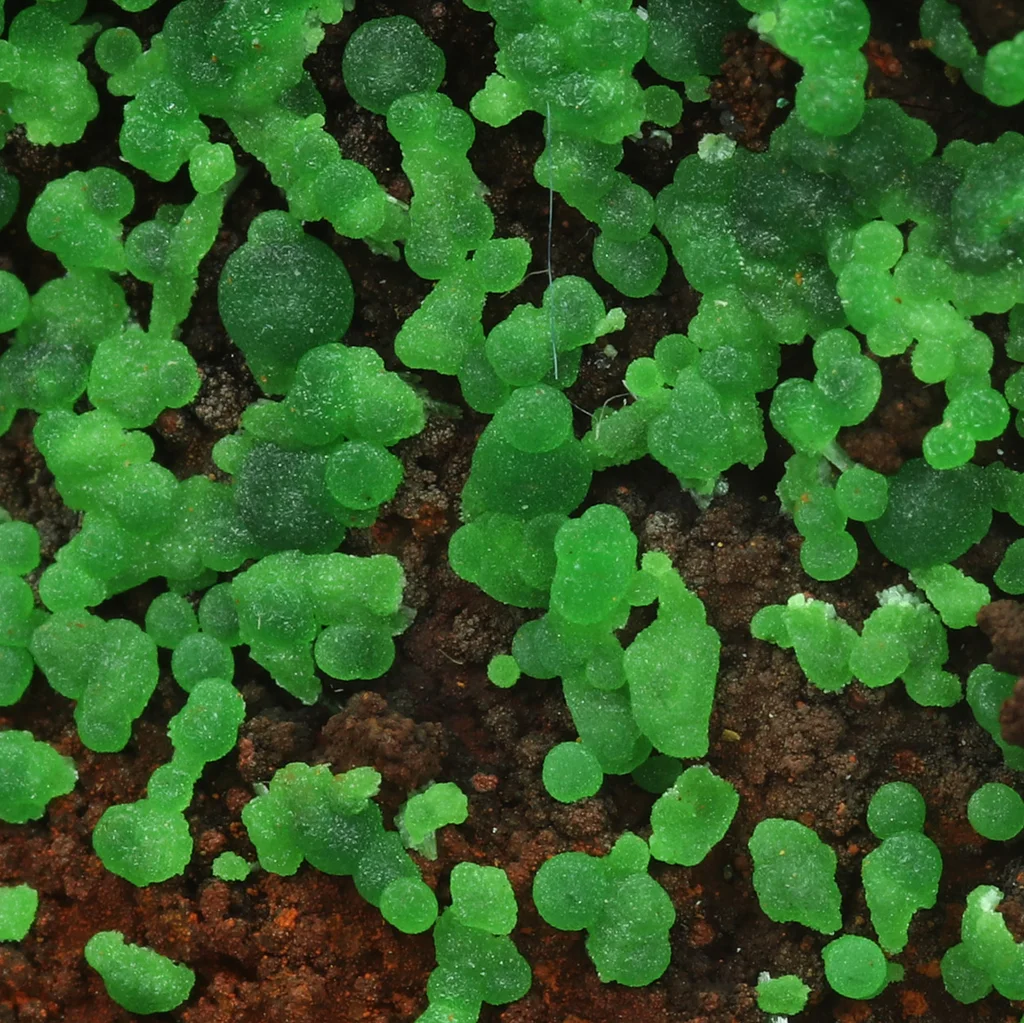
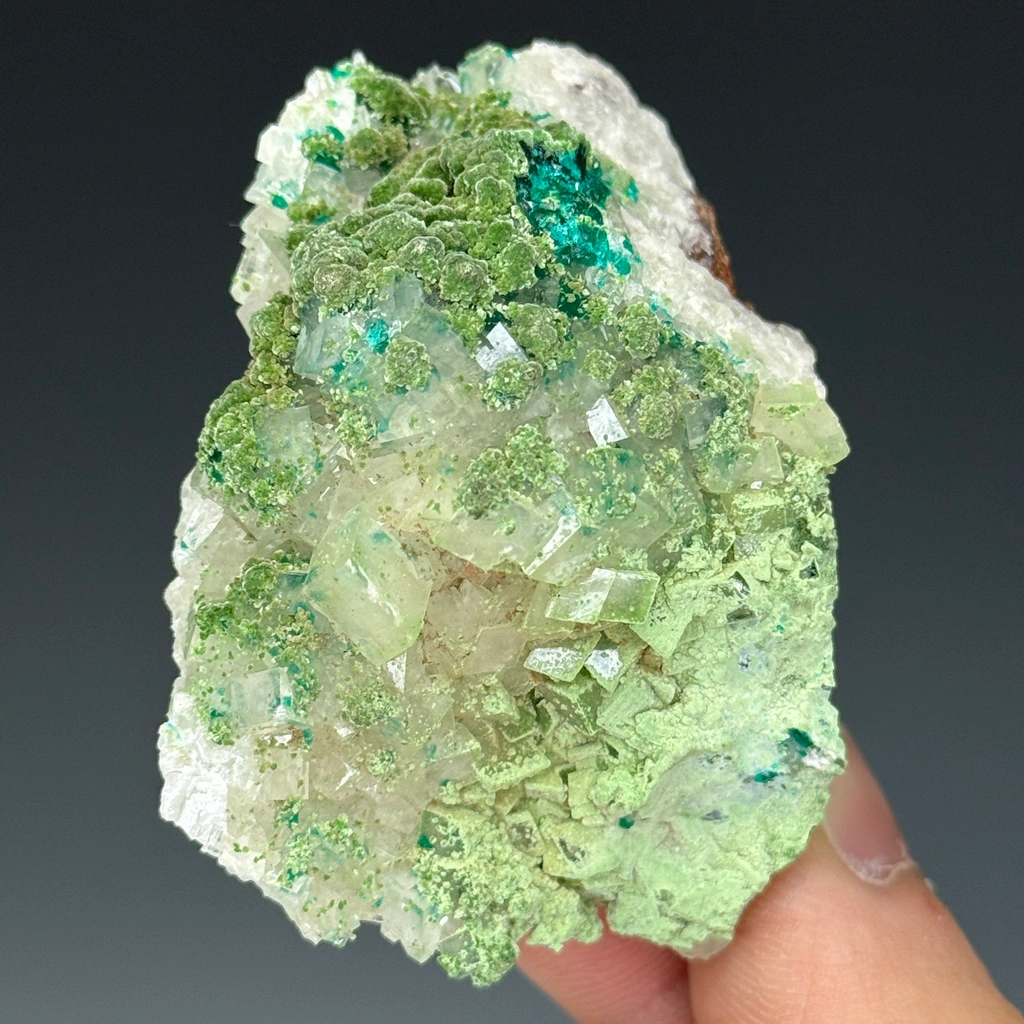
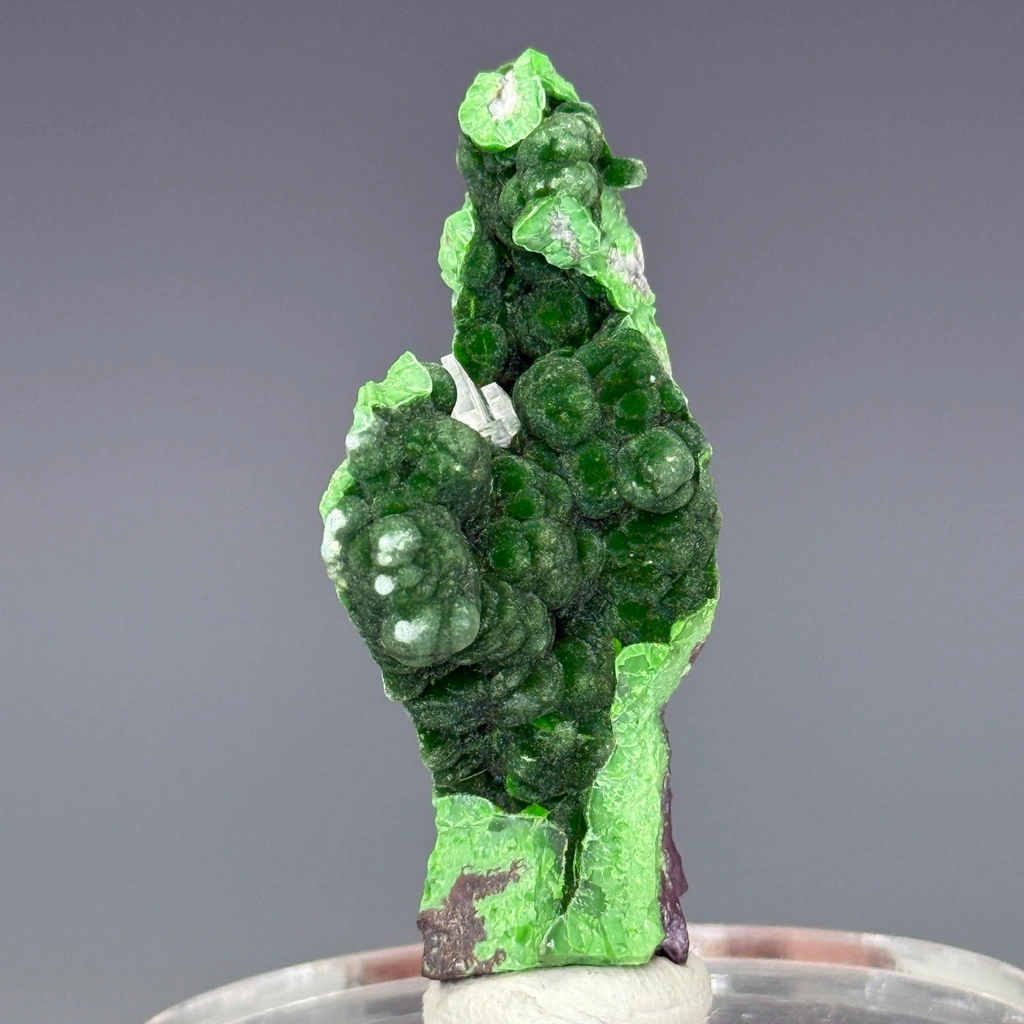
Conichalcite is a calcium copper arsenate hydroxide mineral that forms in crustal hydrothermal environments. It typically appears as delicate blue-green to green needles, crusts, or platy aggregates with a subtly vitreous to silky lustre, often coating chalcopyrite or other sulfides in secondary assemblages.
Notable specimens have come from Namibia, the USA, Mexico, Greece, and Australia, where secondary oxidation zones and low-temperature hydrothermal activity foster its formation. The mineral’s bright color and radiating or acicular habit make it visually distinctive in hand samples and on display shelves, and its association with copper-rich sulfides enhances its appeal for habit and paragenesis studies.
Collectors prize conichalcite for the combination of vivid color, relative rarity, and its role in classic secondary copper oxide localities. Specimens can show fine, threadlike crystals or botryoidal crusts that reveal the mineral’s distinctive composition and growth under specific hydrothermal conditions, providing a tangible link to the chemistry of arsenate minerals and copper-rich systems.