$183Median
2Sold (12 mo)
$250Last sale
2 for sale · $600–$4,500 USD
10 in the gallery
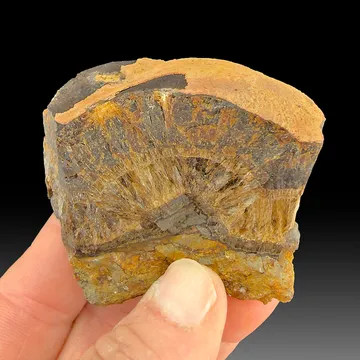
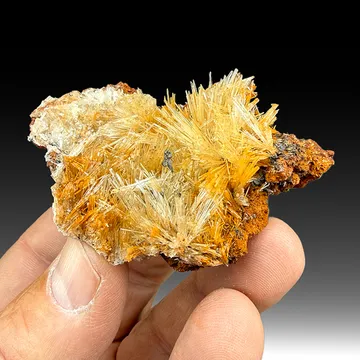
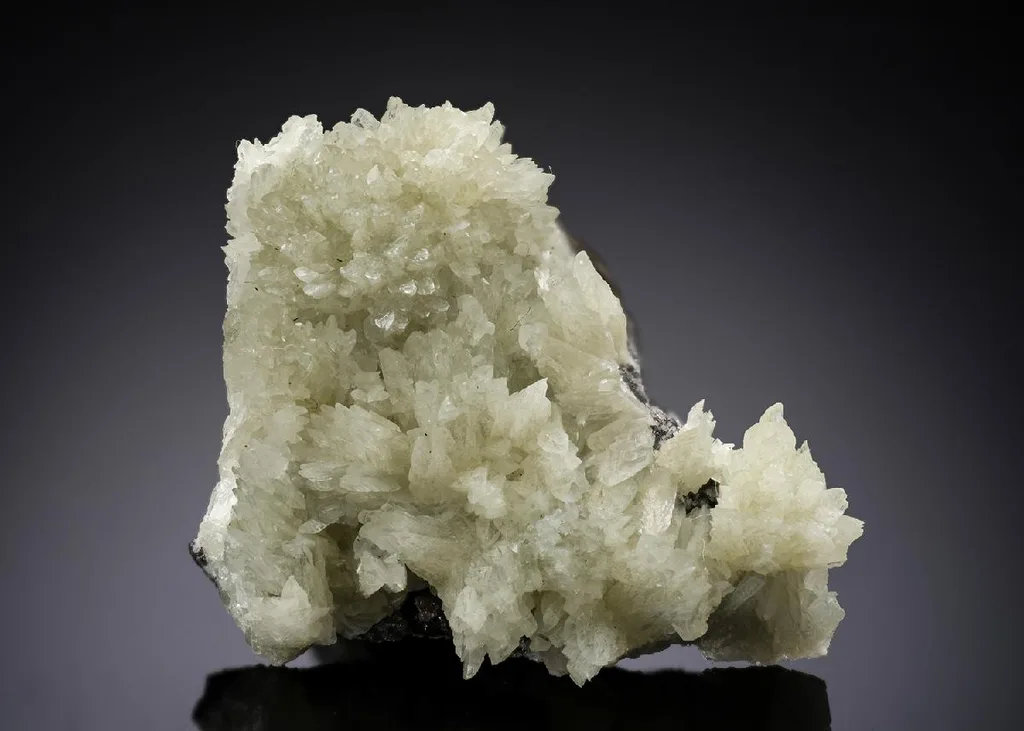
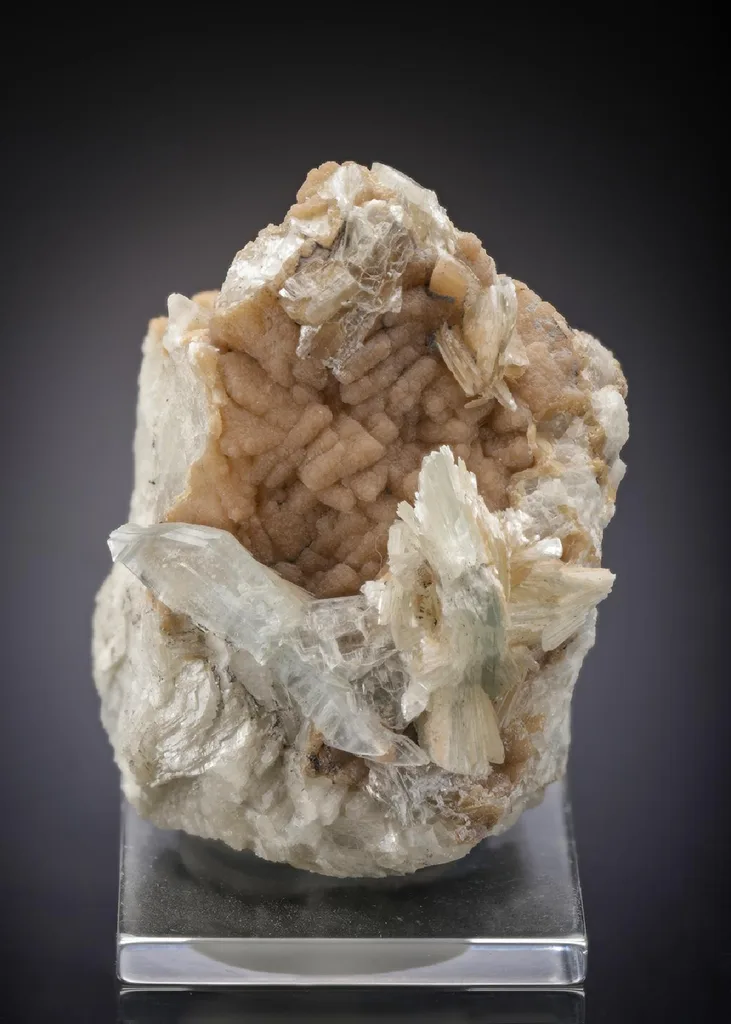
Collinsite is a hydrated calcium magnesium phosphate mineral. It forms as a soft, often pale to colorless to white compound with a subdued luster and a microcrystalline or granular habit. Crystals are rarely large, and the mineral is usually seen as tiny grains or crusts rather than well-formed prisms, typical of phosphate minerals occurring in pegmatitic and altered oxide environments.
Notable specimens come from diverse regions, including Canada, Russia, the United States, Australia, and Brazil, highlighting its broad terrestrial distribution. Collinsite tends to be associated with phosphate-rich rocks and alteration zones where calcium and magnesium phosphates crystallize from hydrothermal or diagenetic fluids, often forming alongside other phosphate minerals. Collectors value it for its delicate appearance and the mineral’s association with distinctive phosphate parageneses that hint at the geological history of the locality.
Overall, collinsite offers a modest but intriguing addition to a collection focused on phosphate minerals, prized for its understated color, fine-grained texture, and the story it tells about formation environments where calcium and magnesium phosphates coexist with hydration.