






Cobaltocalcite specimens for sale
40 for sale · $200–$8,000 USD
151 in the gallery
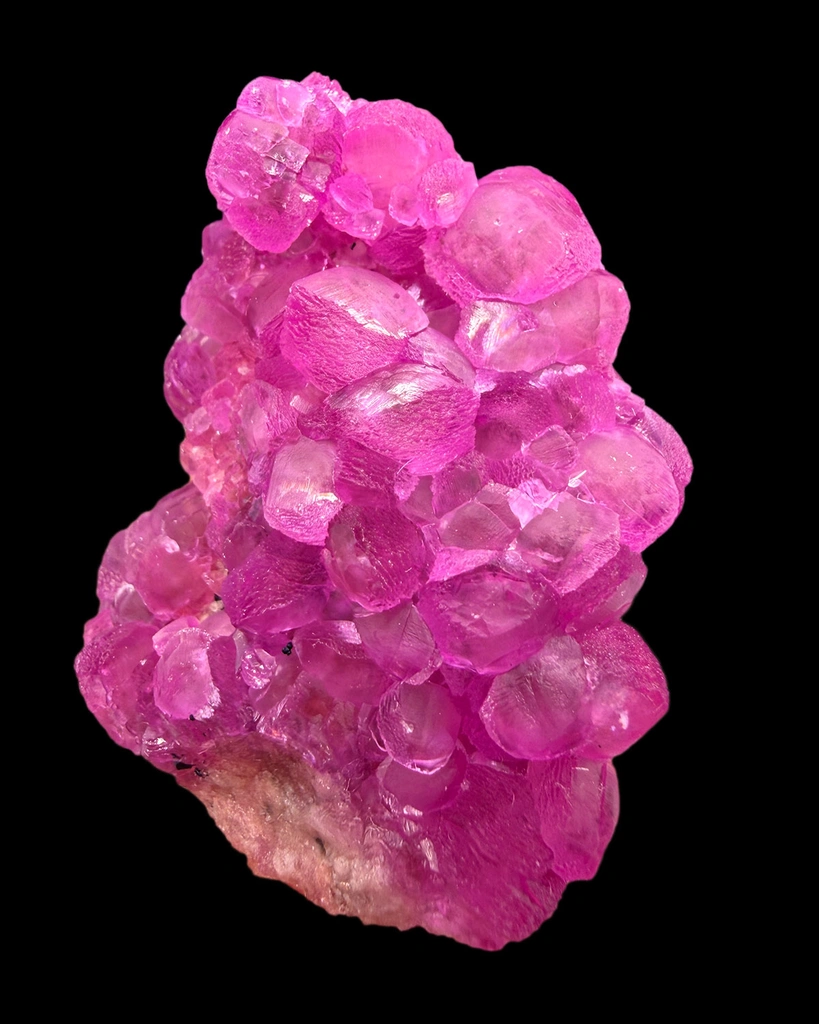
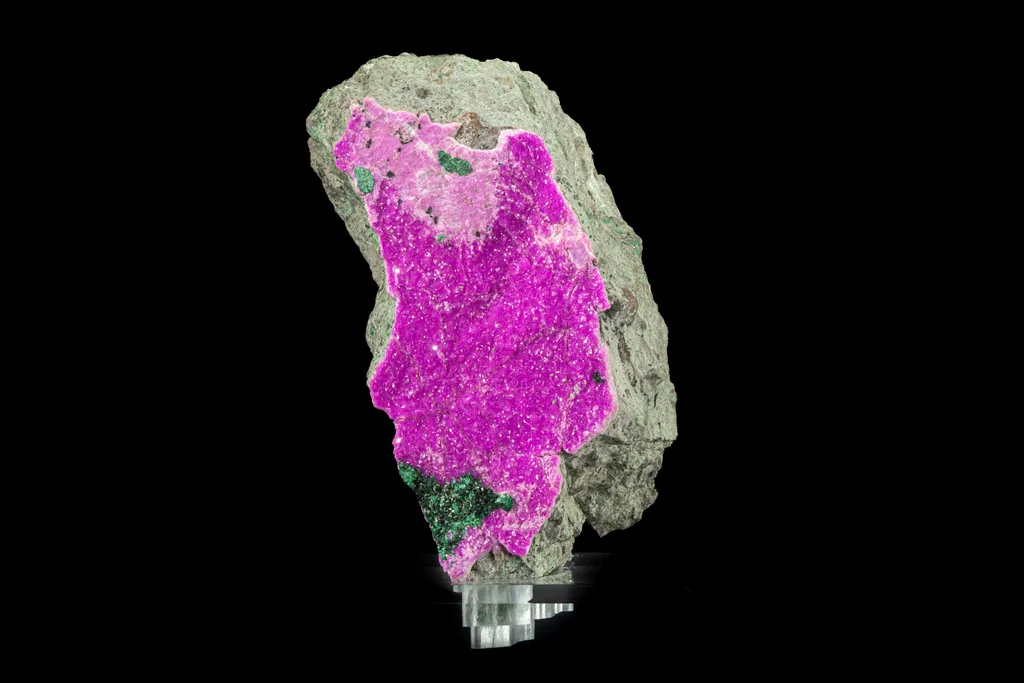
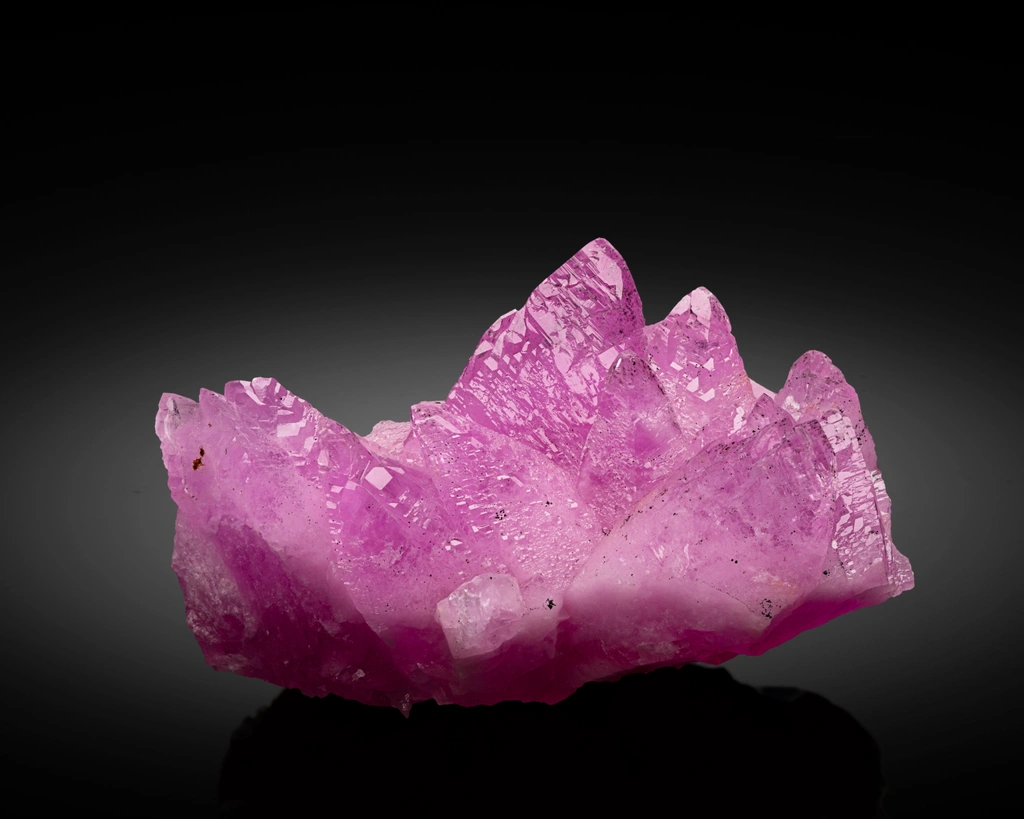
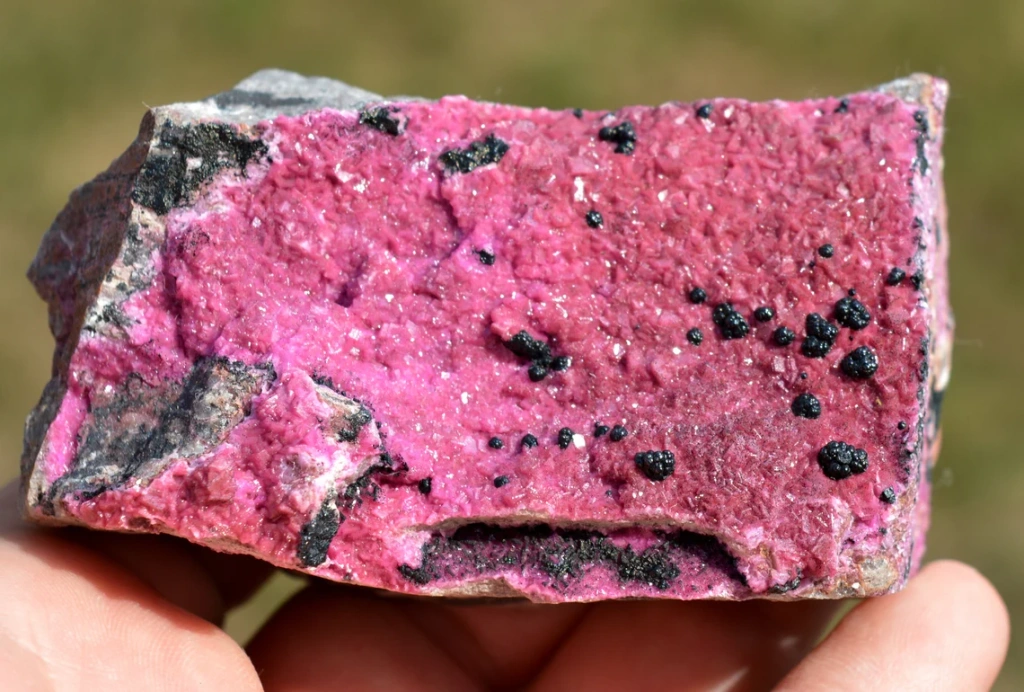
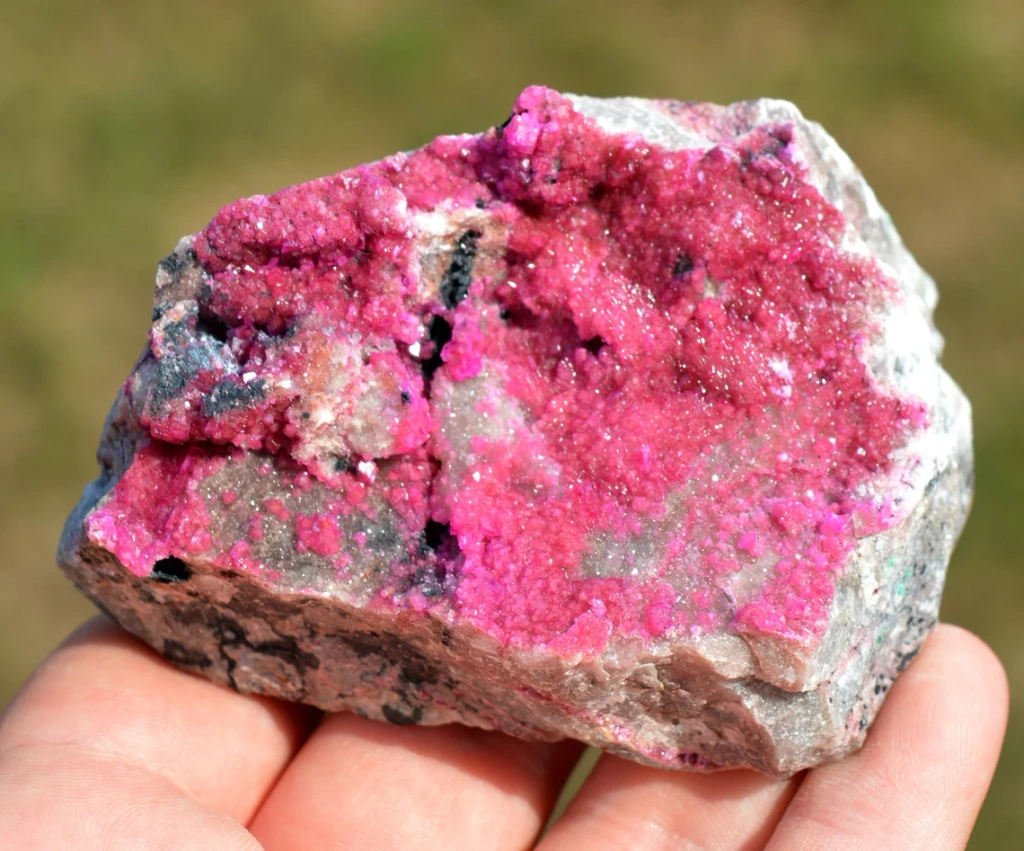
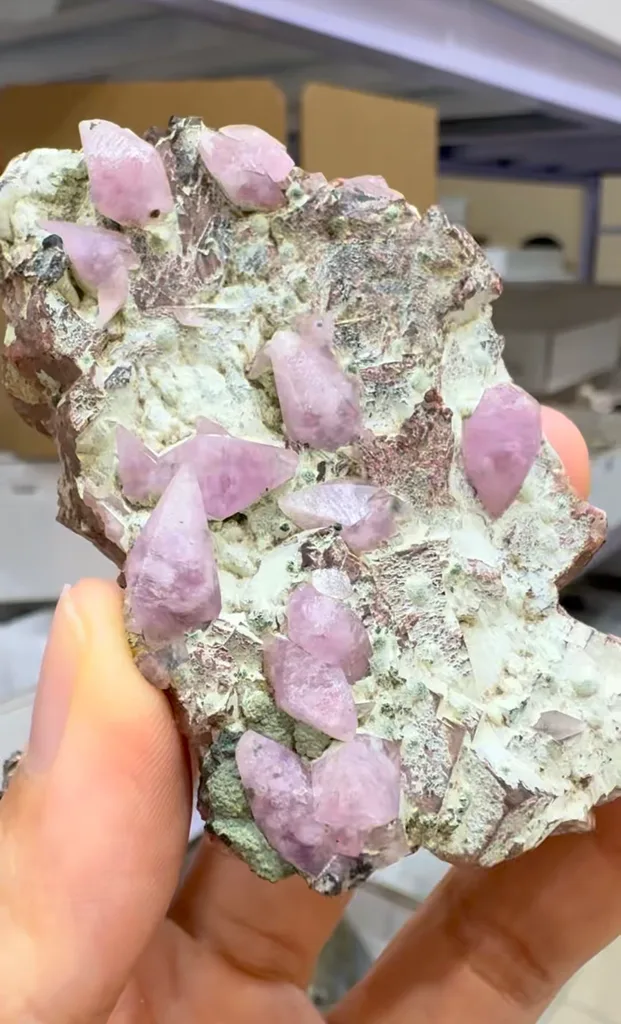
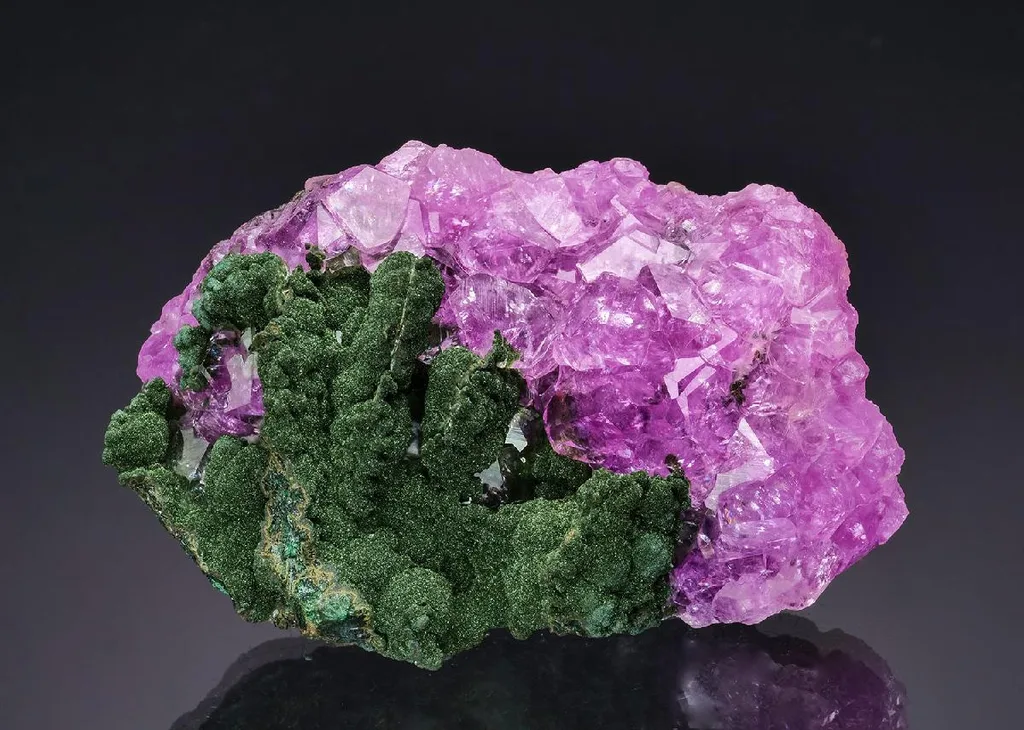
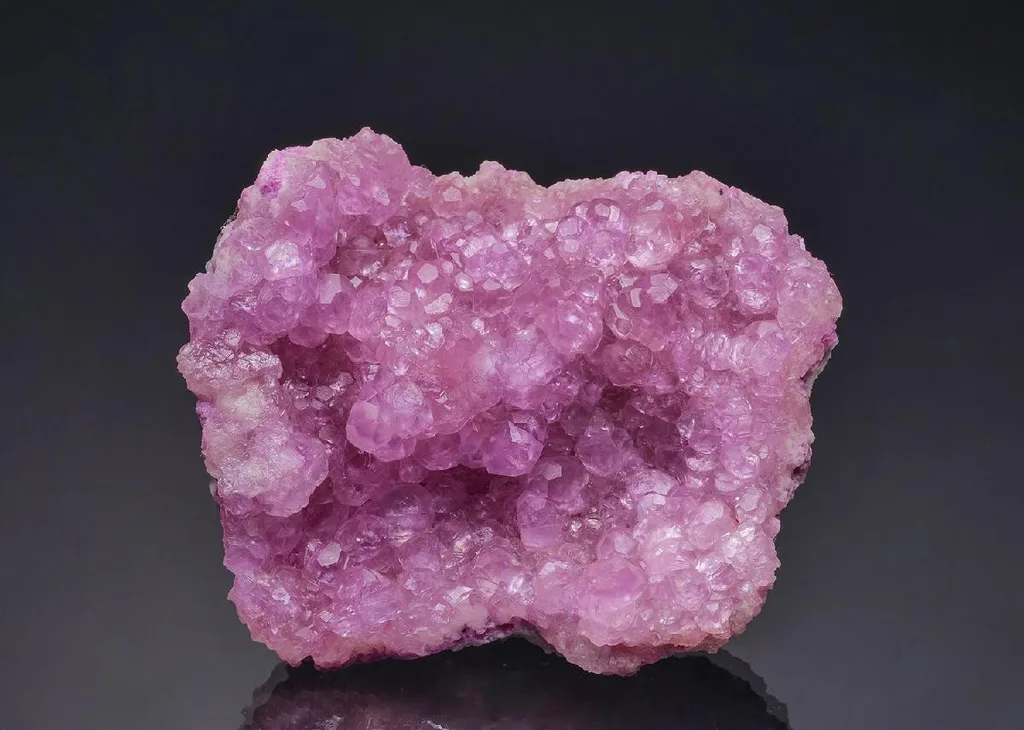
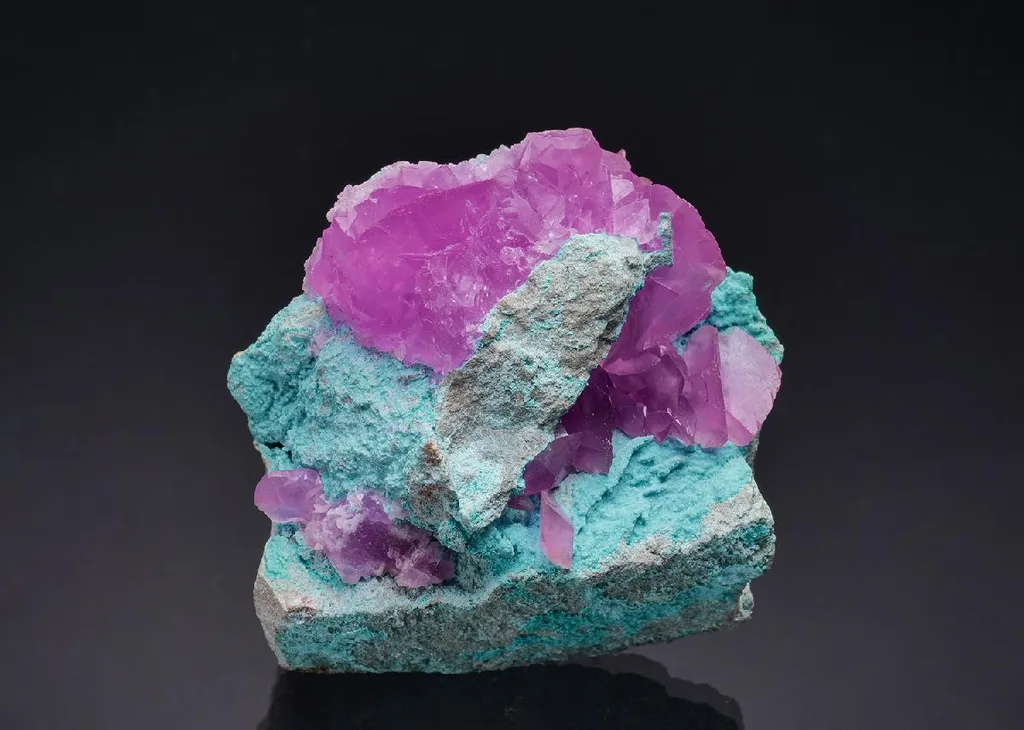
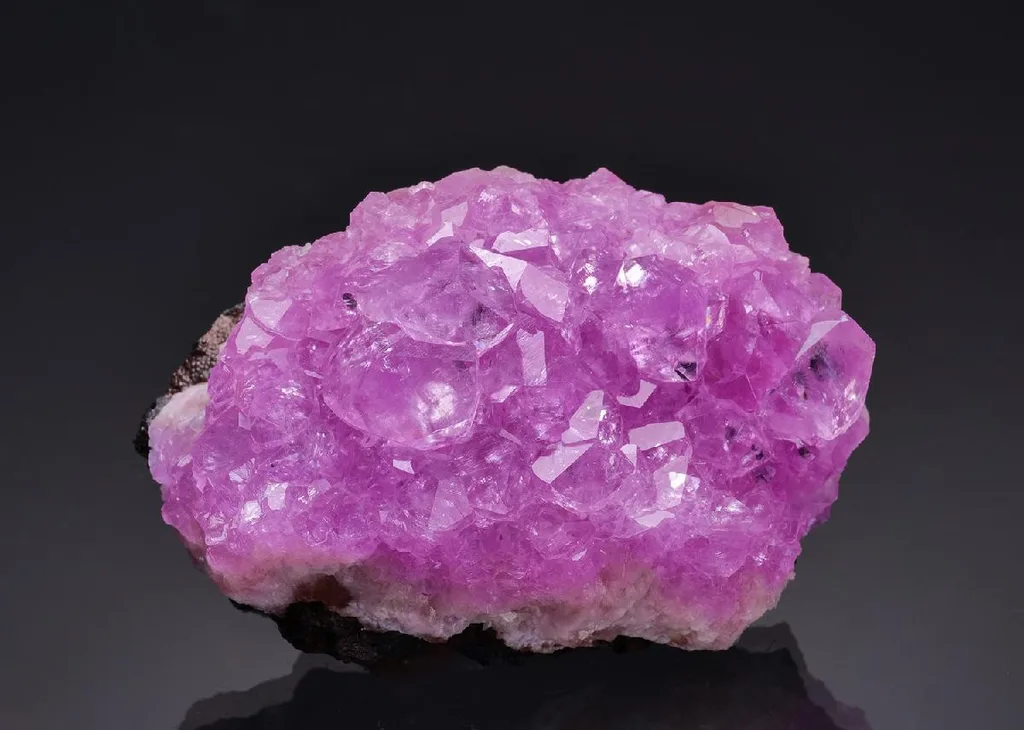
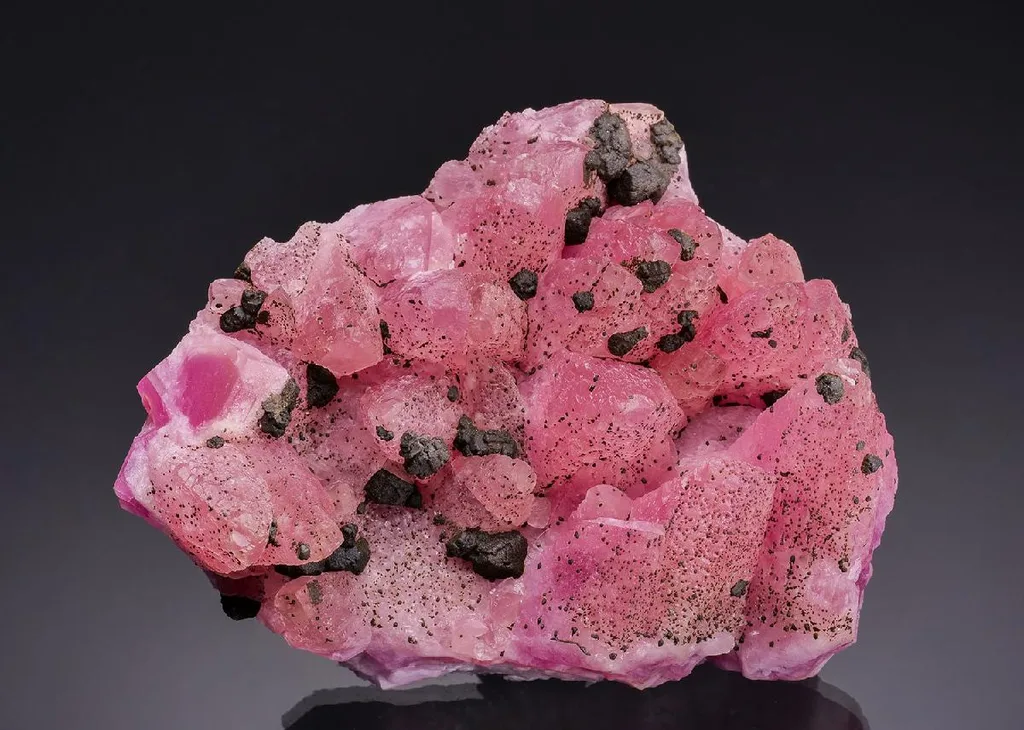
Cobaltocalcite is a carbonate mineral in which calcium can be partially substituted by cobalt, forming a cobalt-bearing calcite. It typically crystallizes as rhombohedral to tabular crystals with a vitreous to pale lustre and colors ranging from pale pink to blue to blue-green, depending on cobalt content. Specimens often display well-formed faces and can occur in granular masses or drusy crusts, commonly associated with carbonate gangue and hydrothermal veins. The mineral’s habit and color variations make it a sought-after curiosity for cabinet displays rather than larger specimen collections.
- Formula
- (Ca,Co)CO3
- Rarity
- Rare
- Stability
- Stable
- Collector interest
- Niche Interest
- Classification notes
- Carbonate; calcite group
Key characteristics
- Crystal system
- trigonal
- Mohs hardness
- 3
- Specific gravity
- 2.71–2.9
- Luster
- vitreous, pearly
- Transparency
- transparent, translucent
- Color
- pink, red
- Streak
- white
- Cleavage
- perfect
- Fracture
- conchoidal, uneven
- Crystal habit
- rhombohedral, scalenohedral, granular, massive
- Gem mineral
- Fluorescent: red, pink
Buy Cobaltocalcite specimens
View all 40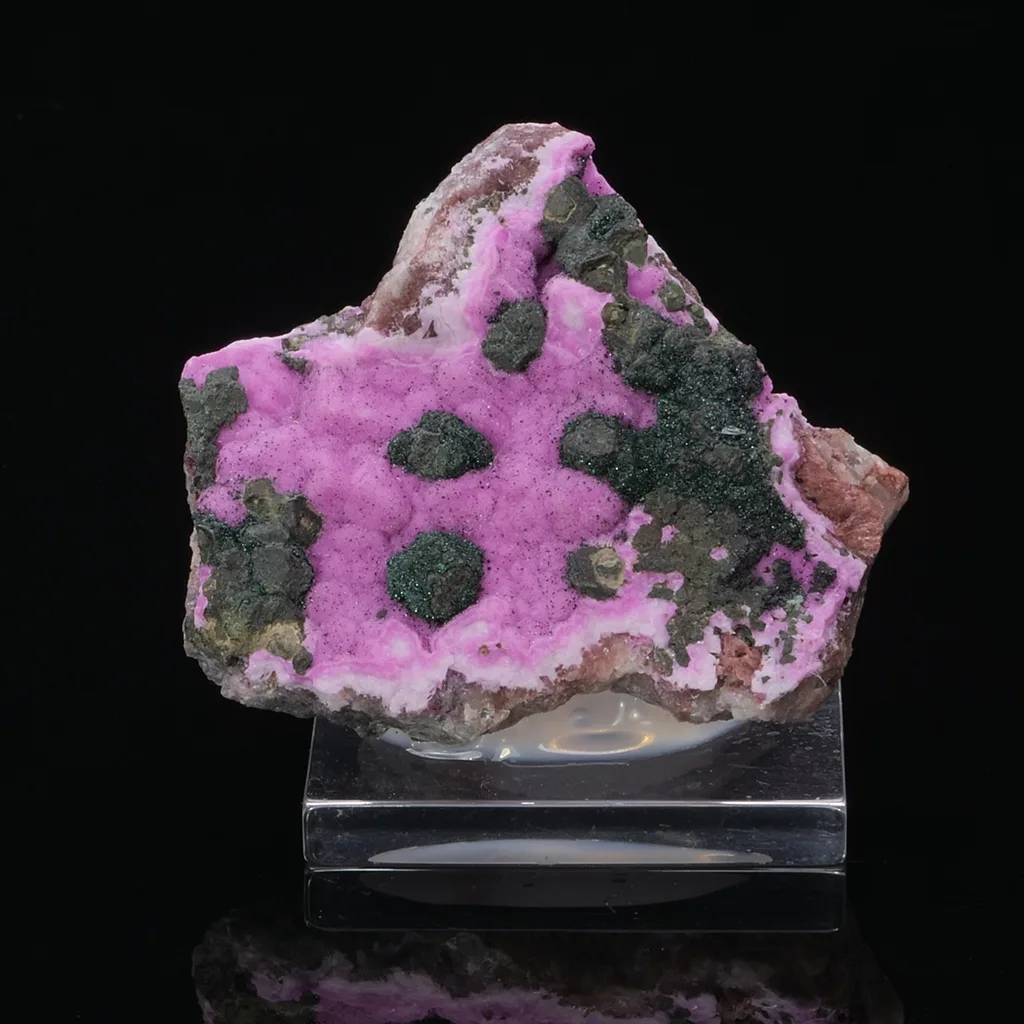

Where Cobaltocalcite is found
Top localities
- Mashamba West Mine10 specimens
- Aghbar Mine7 specimens
- Bou Azzer4 specimens
- Agoudal Mines3 specimens
- Kolwezi2 specimens
- DR Congo1 specimen
- Aranzazú1 specimen
- Aurangabad Division1 specimen
- Bou Azzer Mine1 specimen
- Bou Azzer mining district1 specimen
About Cobaltocalcite
Notable localities include DR Congo, Morocco, and China, among others, where cobalt-rich hydrothermal environments produce distinct, colorful crystals. Collectors prize cobaltocalcite for its unusual chemistry within a familiar calcite lattice, its potential for vibrant color due to cobalt substitution, and its relatively vivid crystal forms compared with typical calcite. Fine specimens can exhibit sharp rhombohedra and lustrous faces that capture light in bright, appealing ways, making them attractive choices for display alongside other cobalt minerals.