$125Median
3Sold (12 mo)
$290Last sale
6 in the gallery
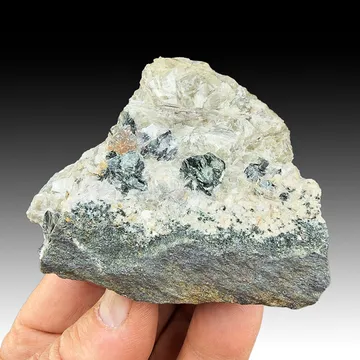
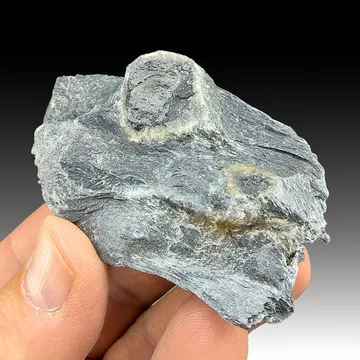
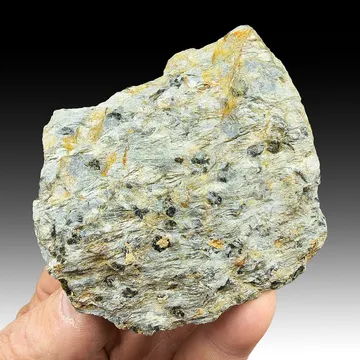
Chloritoid is a hydrous aluminum silicate mineral that forms in high-grade metamorphic rocks as thin, tabular or plate-like crystals. It typically exhibits a pale to olive-green to brownish color and a pearly to vitreous luster, often appearing in compact aggregates or small tabular sheets. The mineral’s distinctive habit and subdued color make it a recognizable component of metamorphic assemblages, particularly in contact and regional metamorphism where aluminous minerals react under pressure and temperature.
Notable specimens come from several well-known localities, including Afghanistan, the United States, Austria, and Pakistan. These deposits yield chloritoid in compact masses or delicate plates that display clear termination faces and neat twinning in some crystals. Collectors prize chloritoid for its slender, characterful forms and its occurrence alongside other high-grade metamorphic minerals, which together illustrate the complex mineralogy of metamorphic belts.
For collectors, chloritoid offers a combination of aesthetic appeal and scientific interest. Its crisp crystal habit, subdued color palette, and association with metamorphic rocks provide visual variety and educational context within a cabinet of minerals, making well-prepared, well-documented specimens especially attractive to those building lapsidary or display collections.