Guide
61 for sale · $50–$28,000 USD
146 in the gallery
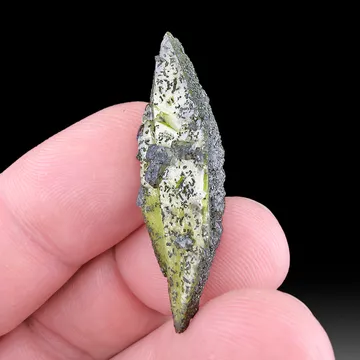
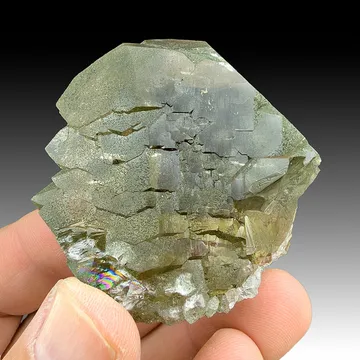
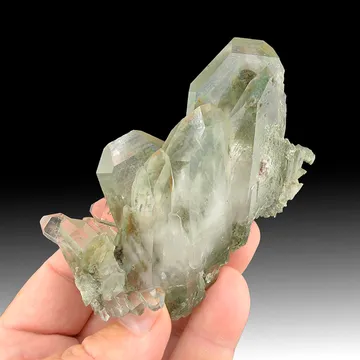
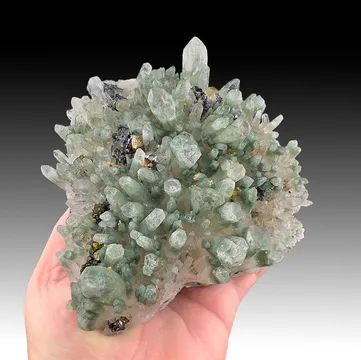
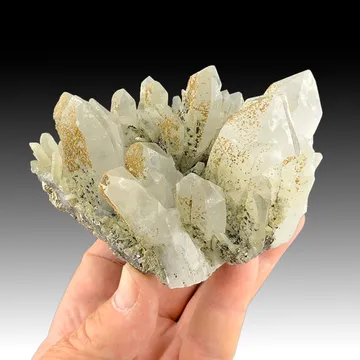
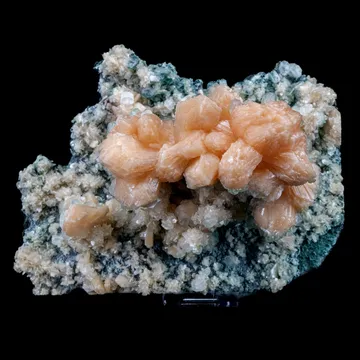
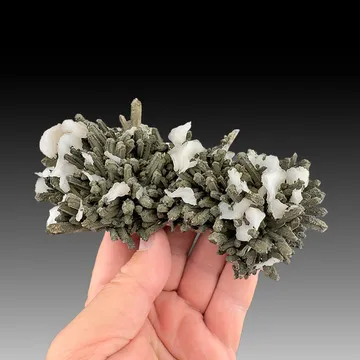
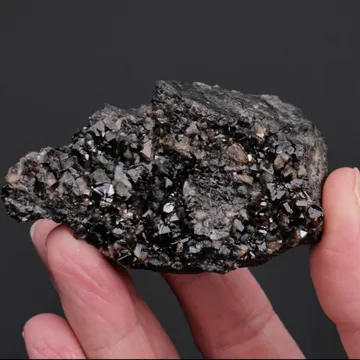
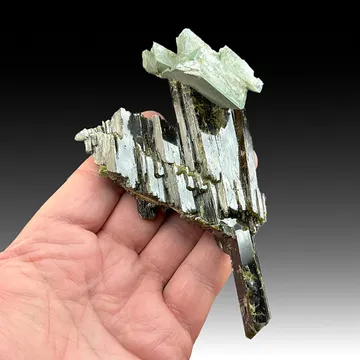
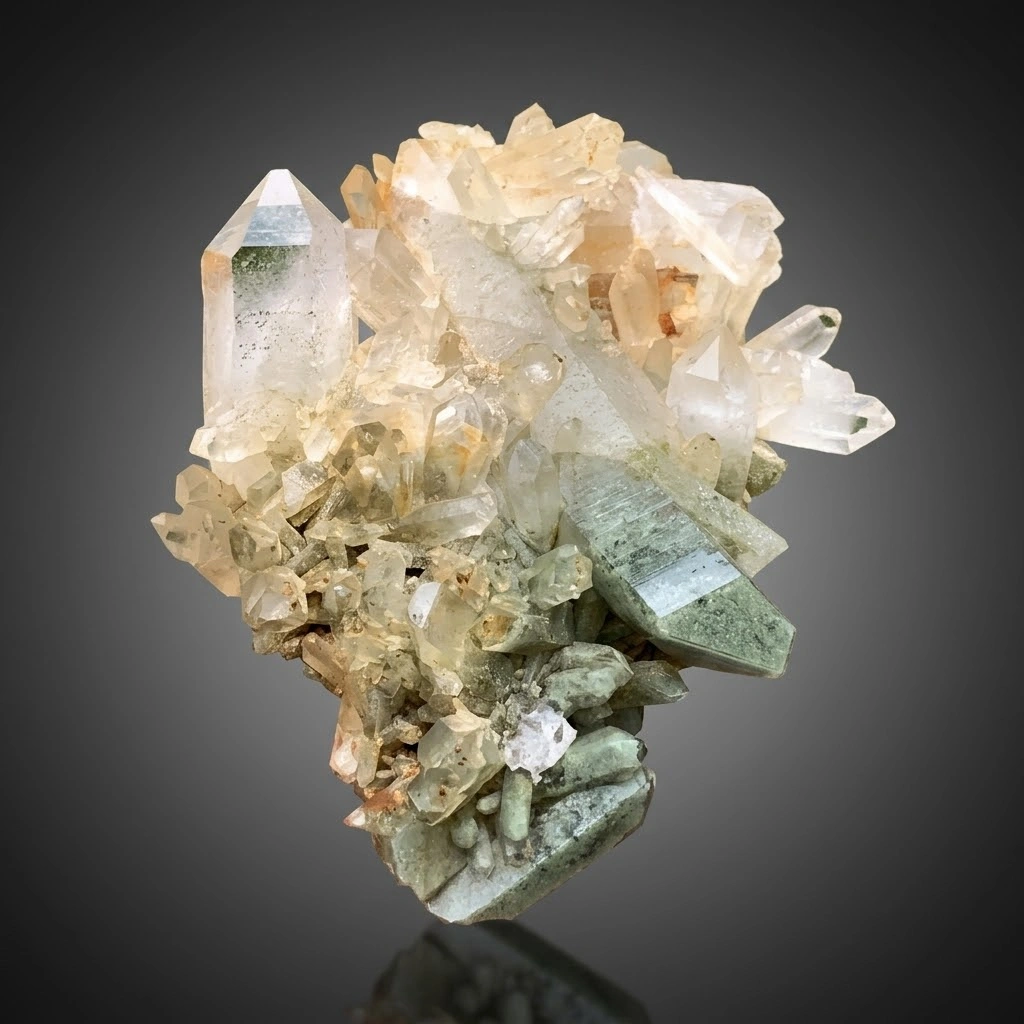
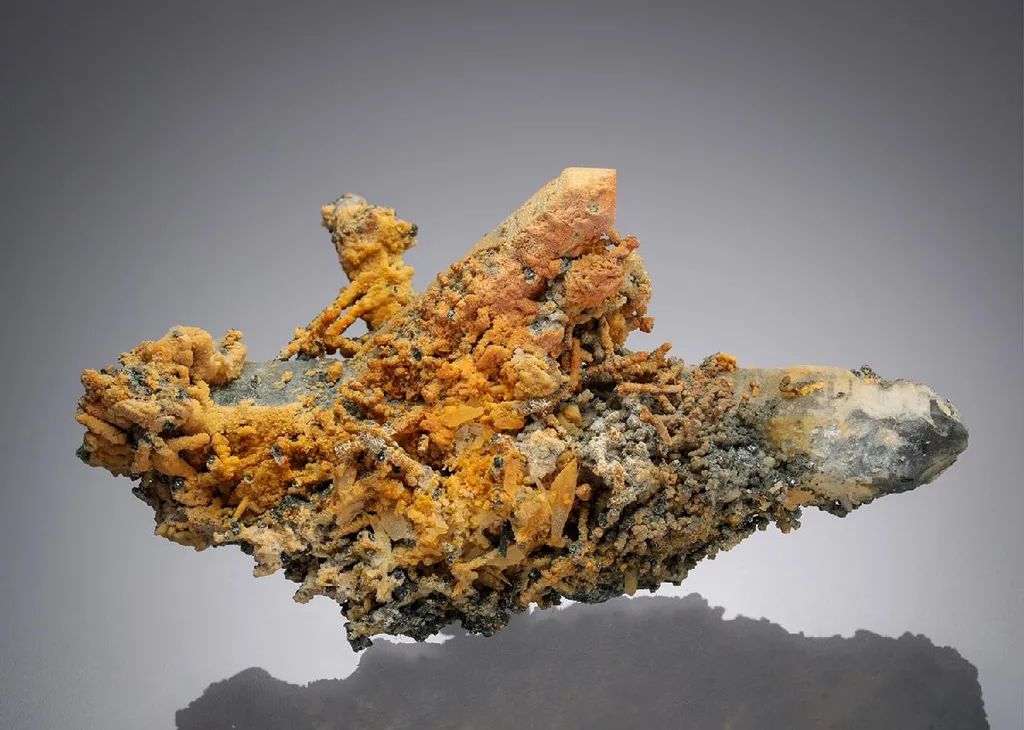
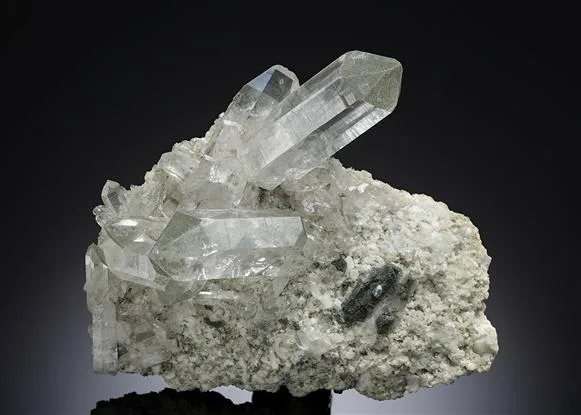
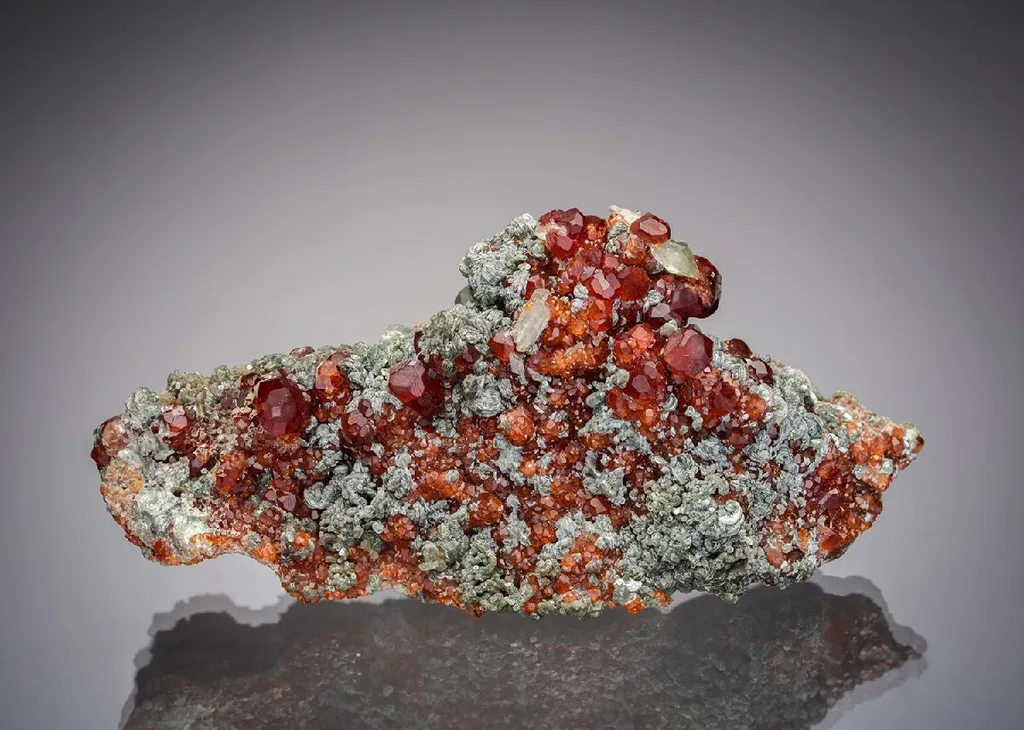
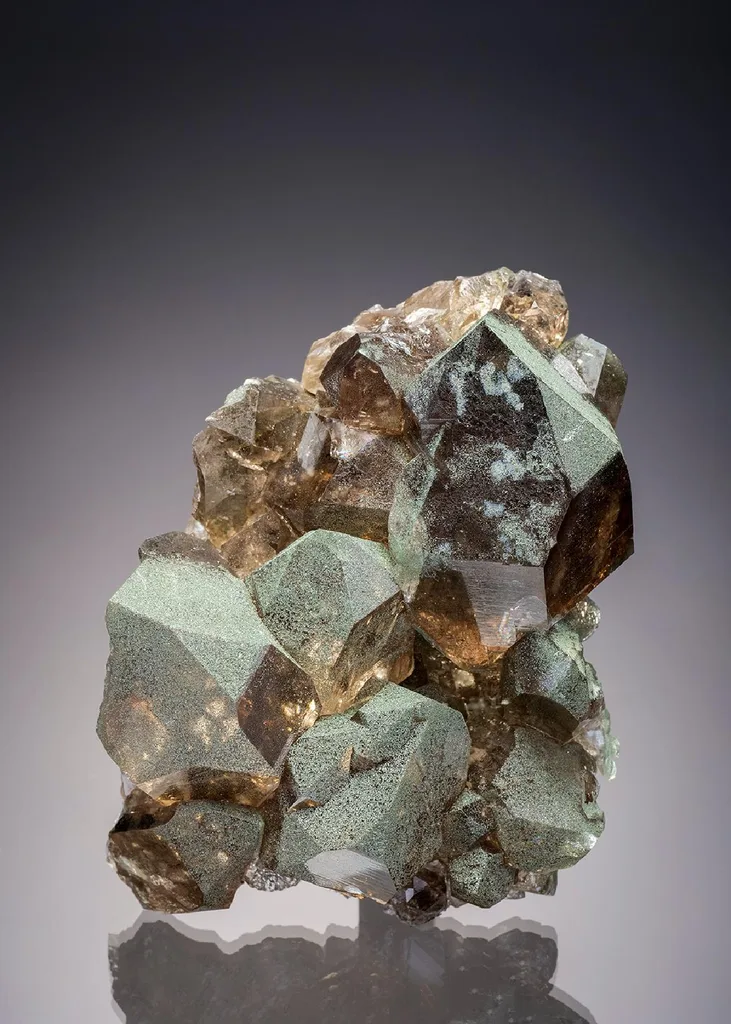
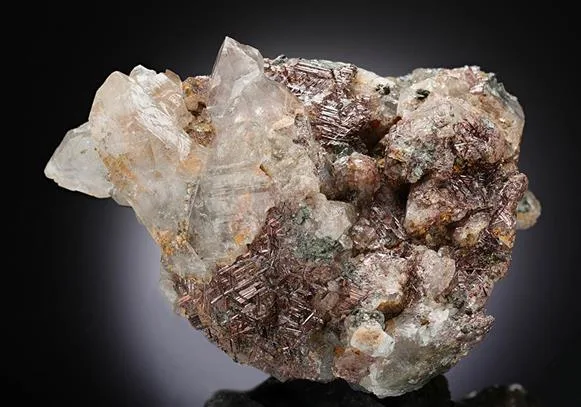
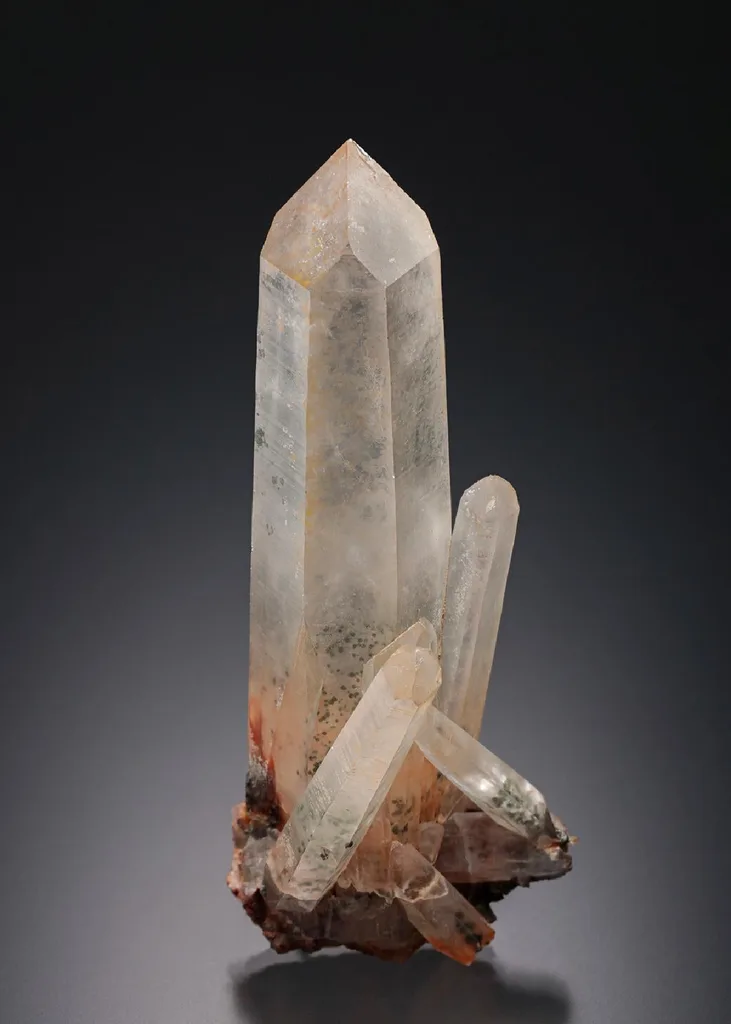
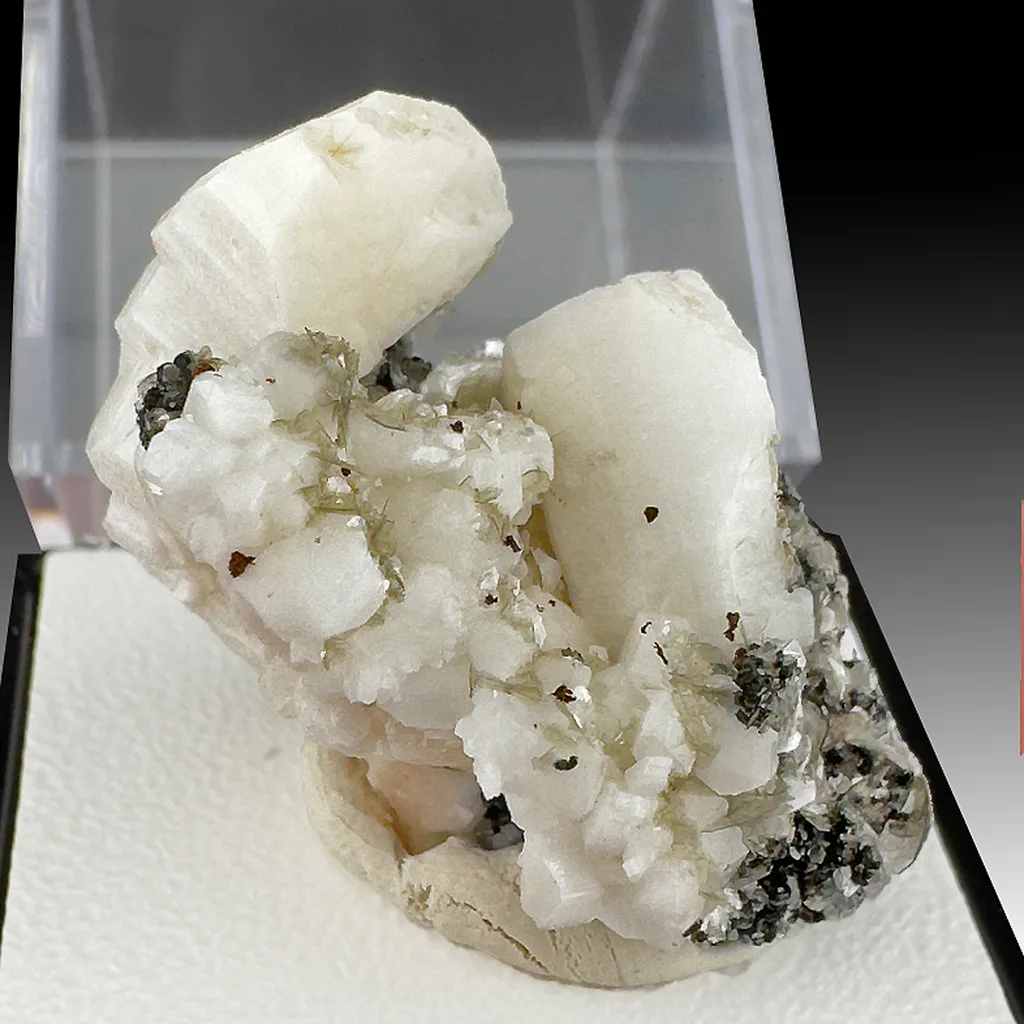
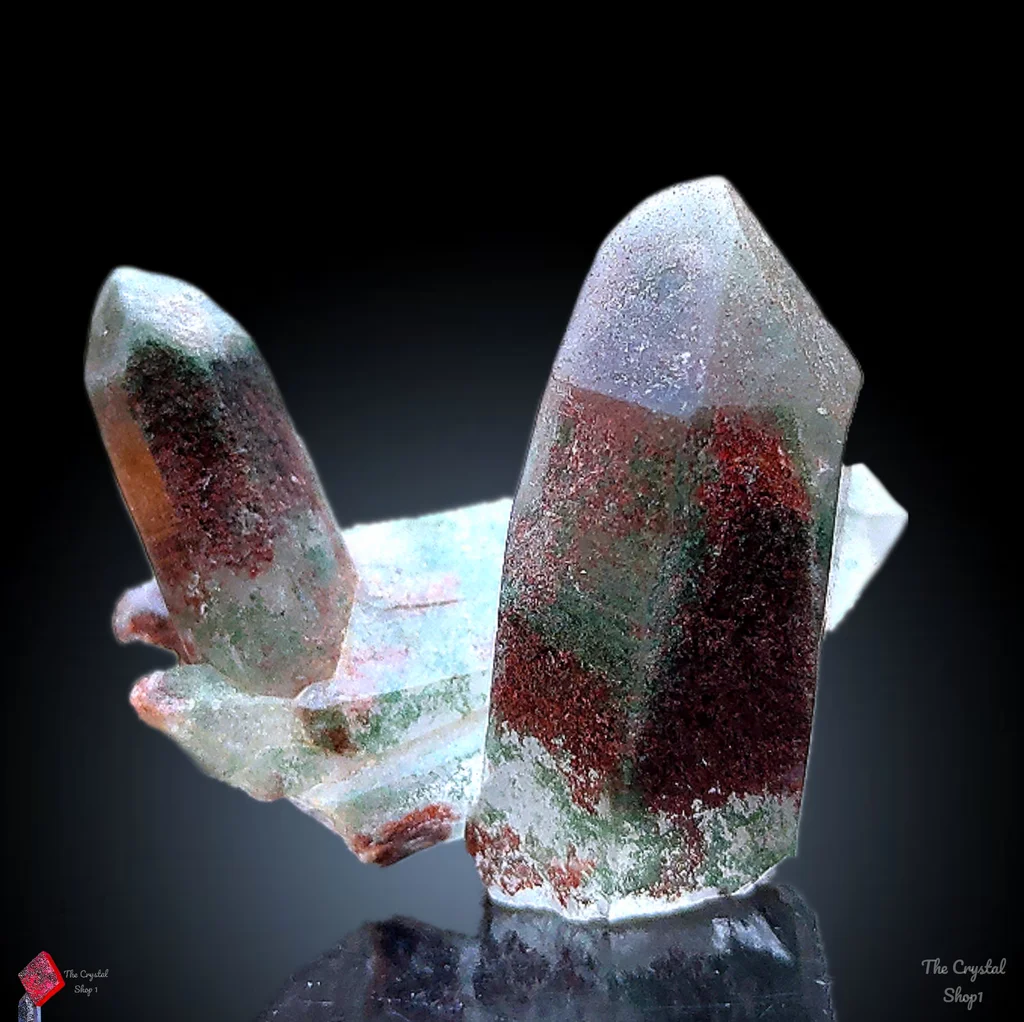
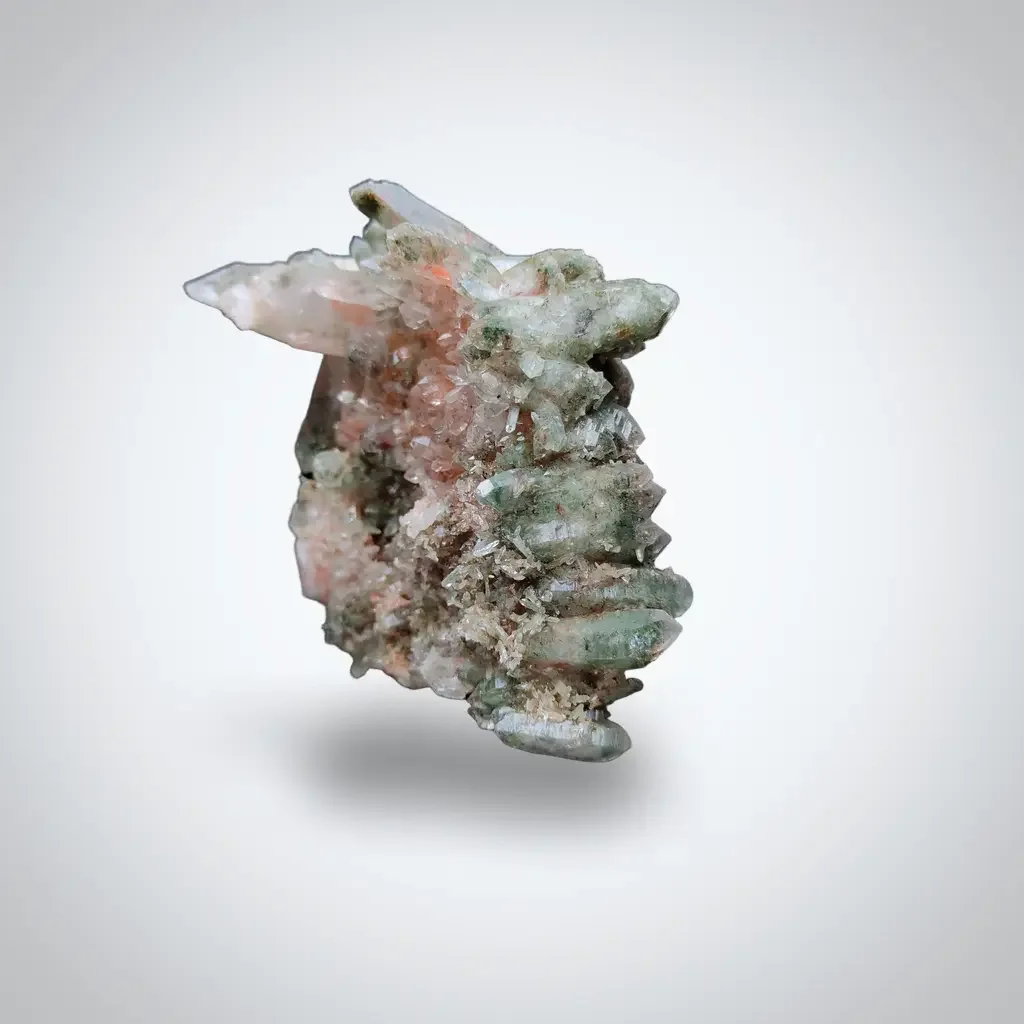
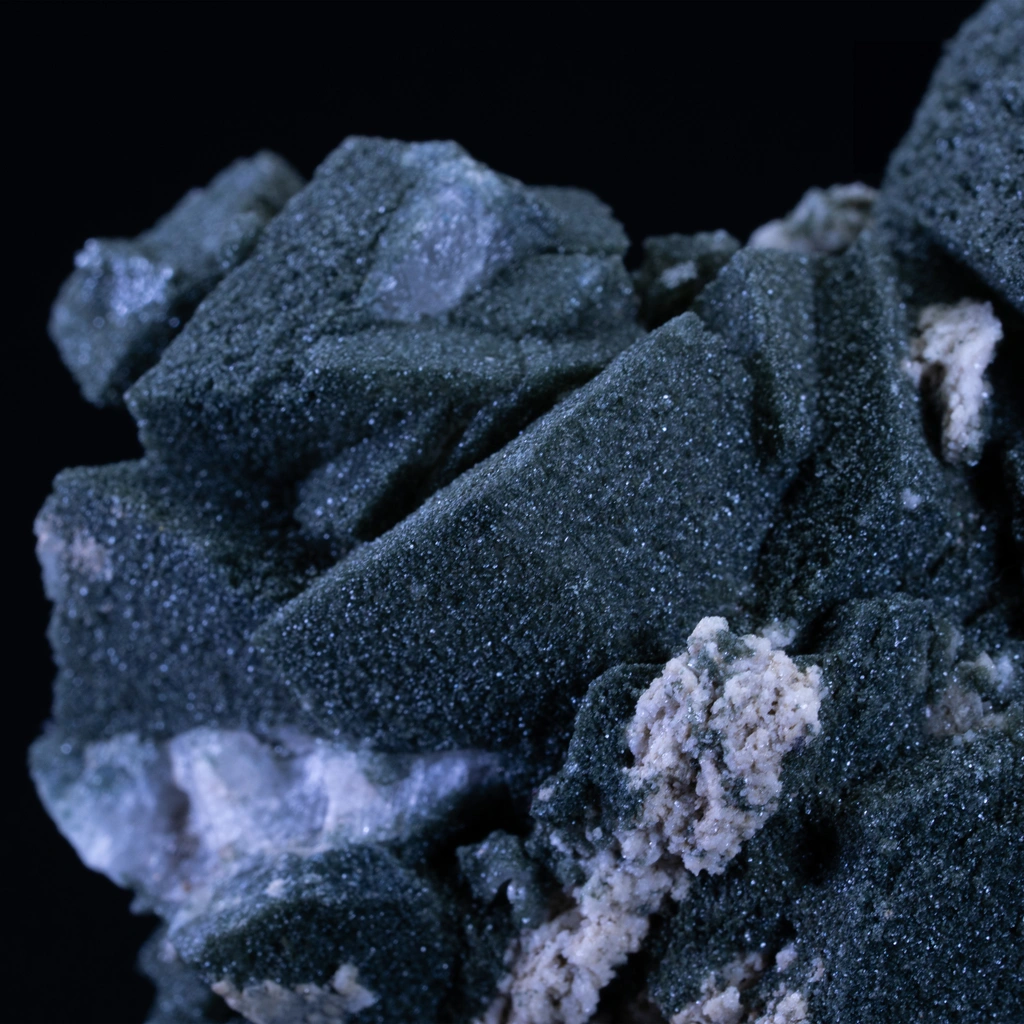
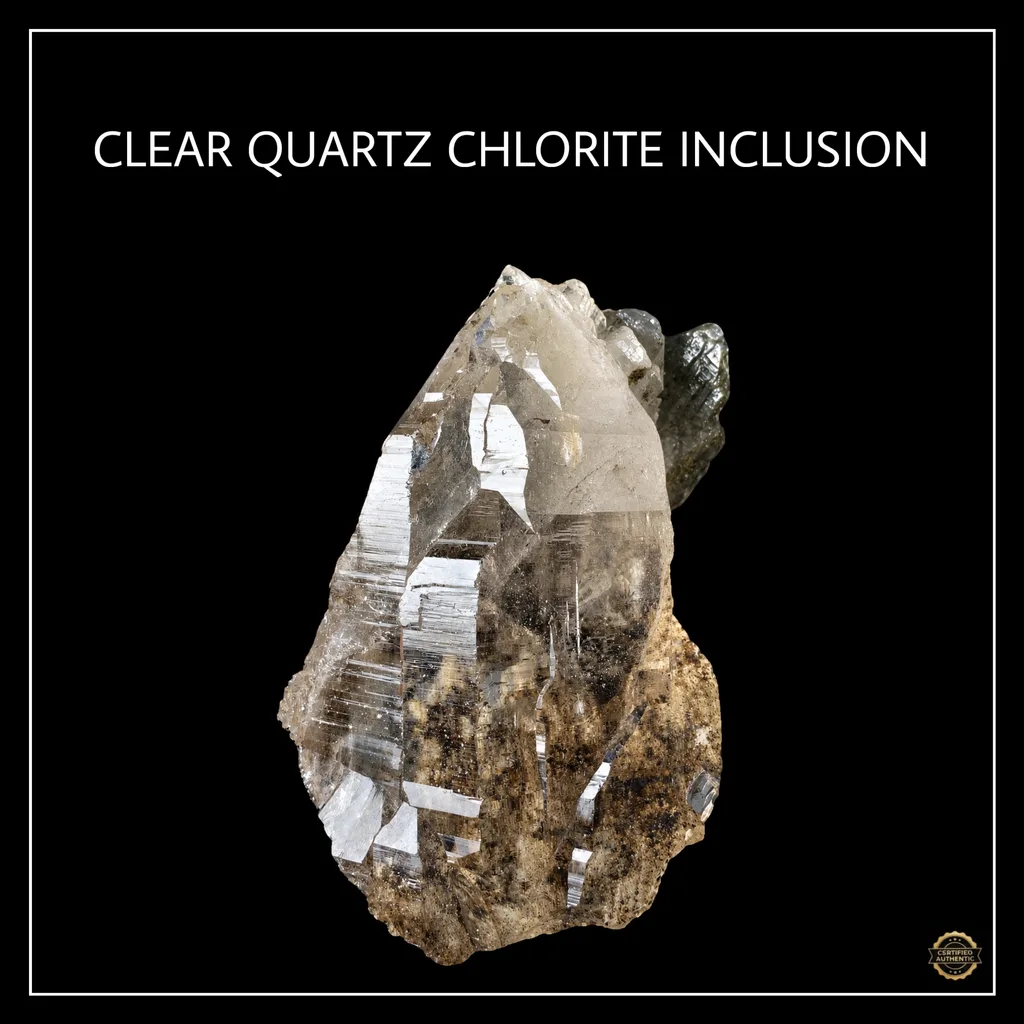
Chlorite is a group of phyllosilicate minerals that typically forms in low-temperature metamorphic environments and hydrothermal settings. The material often presents as green to olive-green crystals or masses with a somewhat vitreous to pearly lustre and a platy or foliated habit, sometimes appearing as flaky aggregates that catch light along their edges. Specimens from classic localities can display a fresh, pristine surface with a soft sheen, while some samples show a slightly mottled, blotchy appearance due to mixed chlorite species or alteration products.
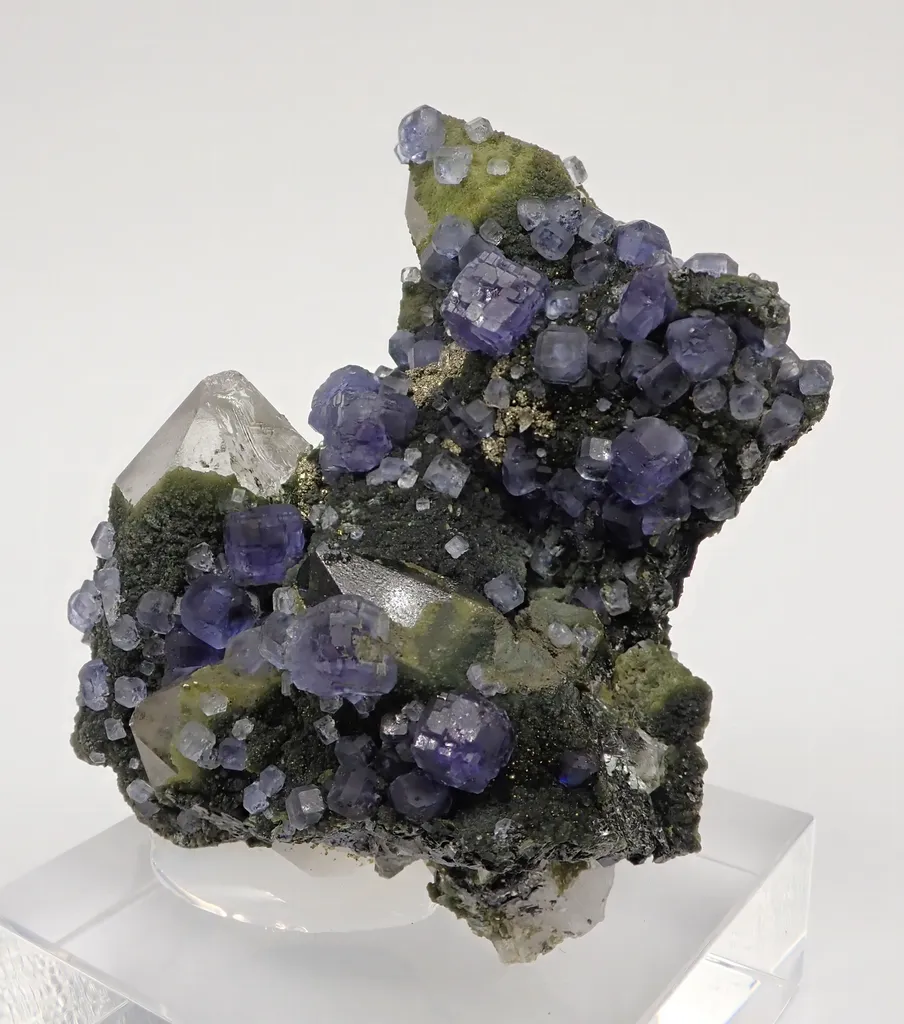
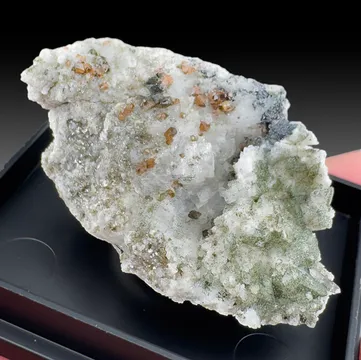
Notable collections and field finds come from regions such as Switzerland, the USA, Pakistan, Brazil, and China, where chlorite occurs in metamorphic rocks, as accessory minerals in schists and greenschist facies, or as part of mineralized hydrothermal veins. Collectors value chlorite for its delicate green tones, its association with slate and schist textures, and its potential to form small, attractive crystals or shimmering masses that reveal subtle color variations under angled light. Though not a singularly showy mineral, chlorite contributes to the character of many assemblages and serves as a telling indicator of the geologic history of its host rocks.