Guide
259 for sale · $5–$65,000 USD
1,147 in the gallery
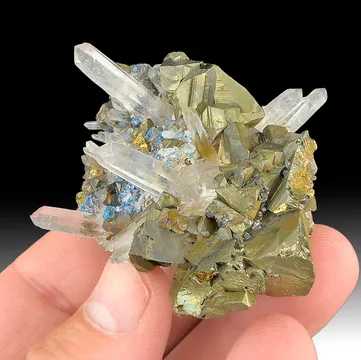
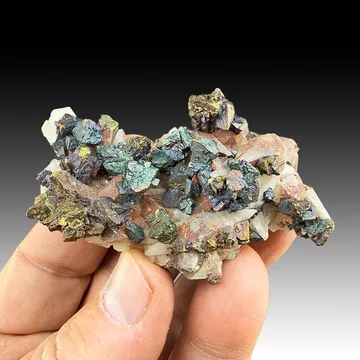
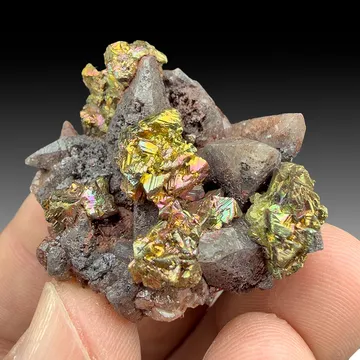
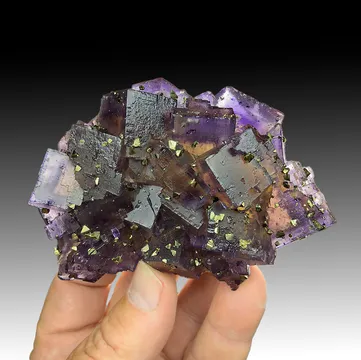
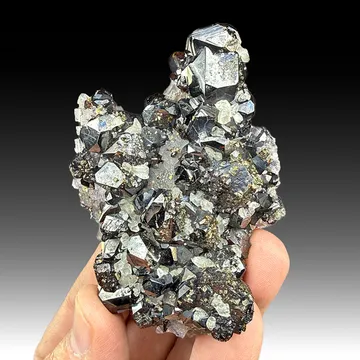
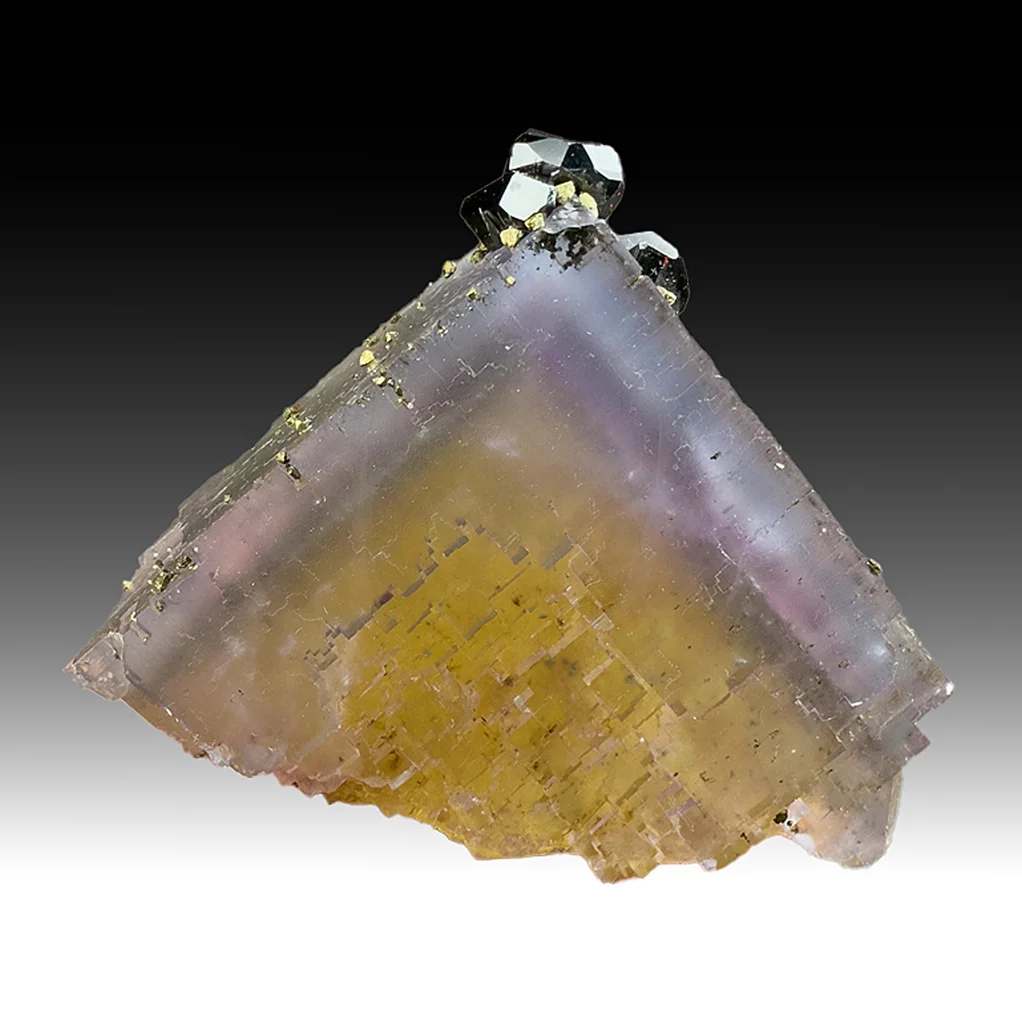
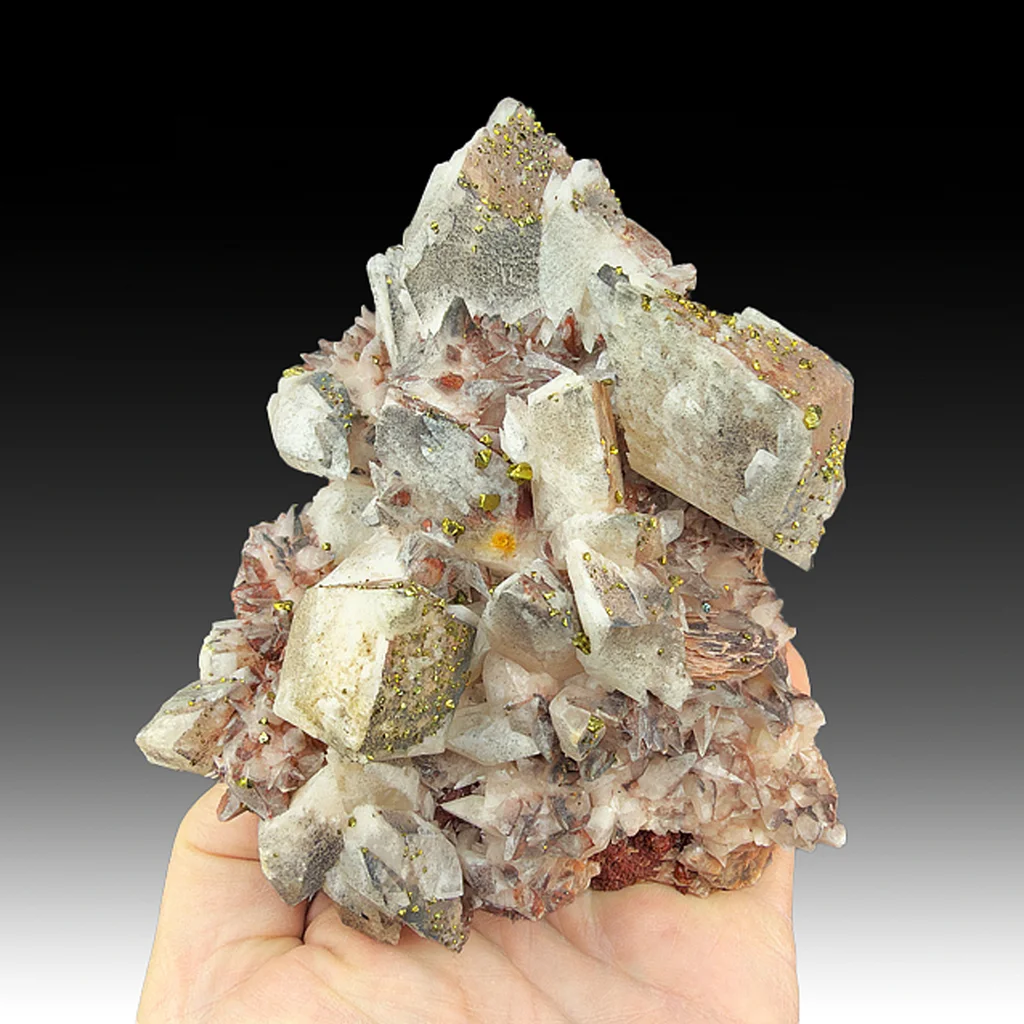
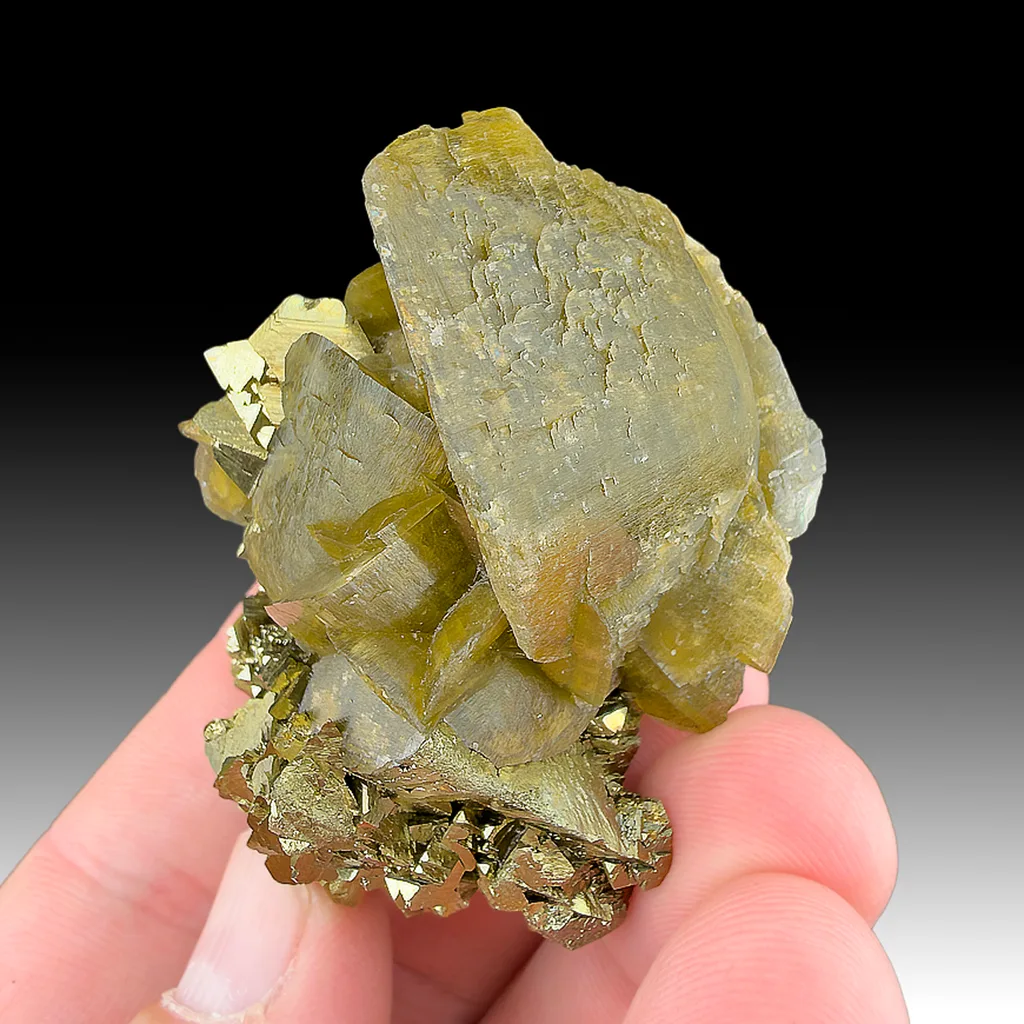
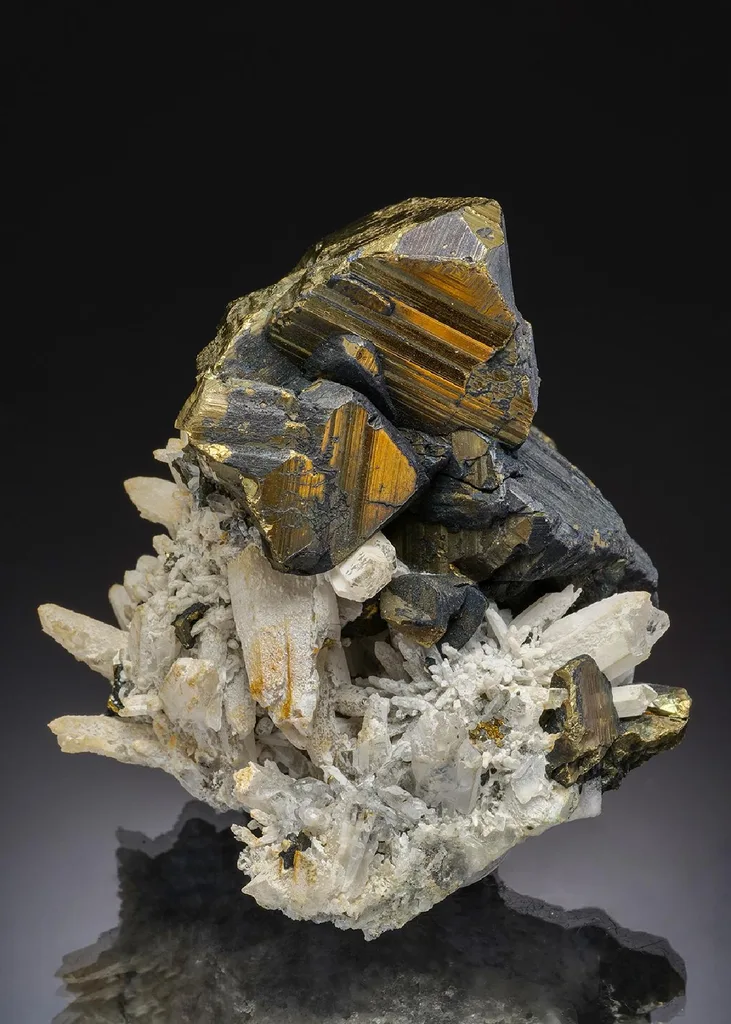
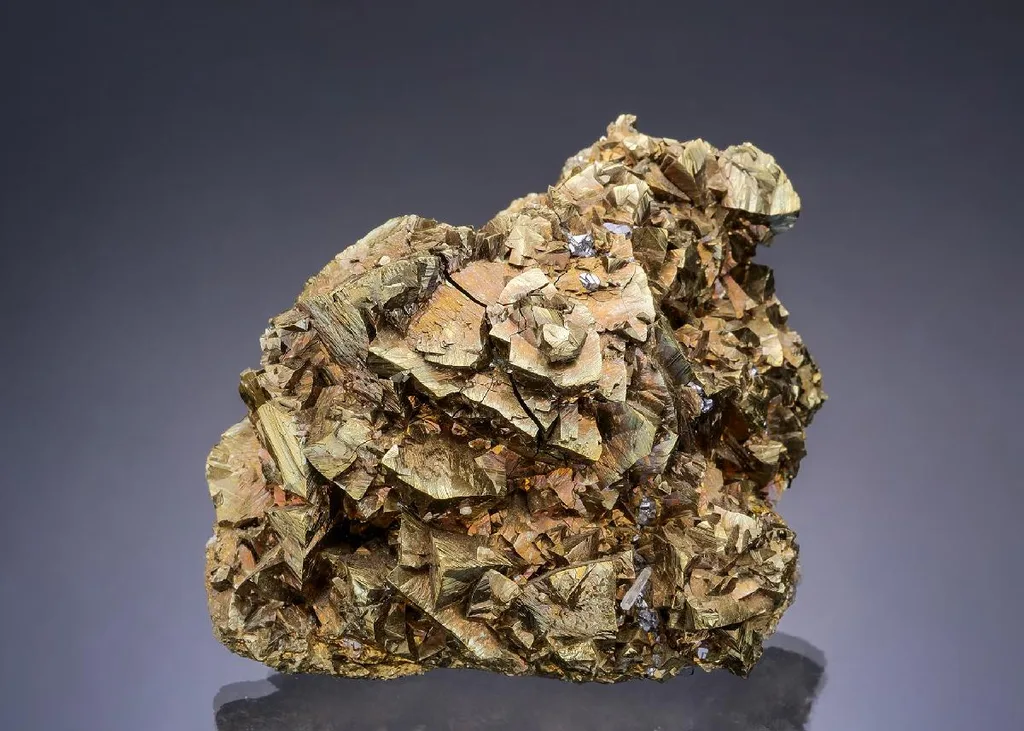
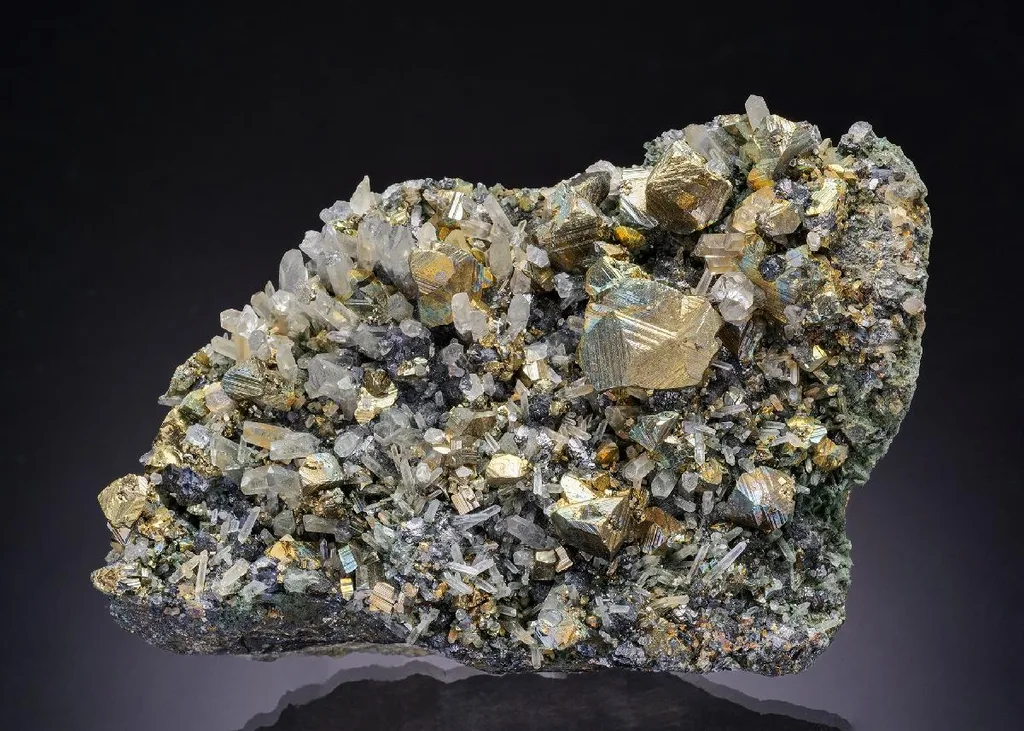
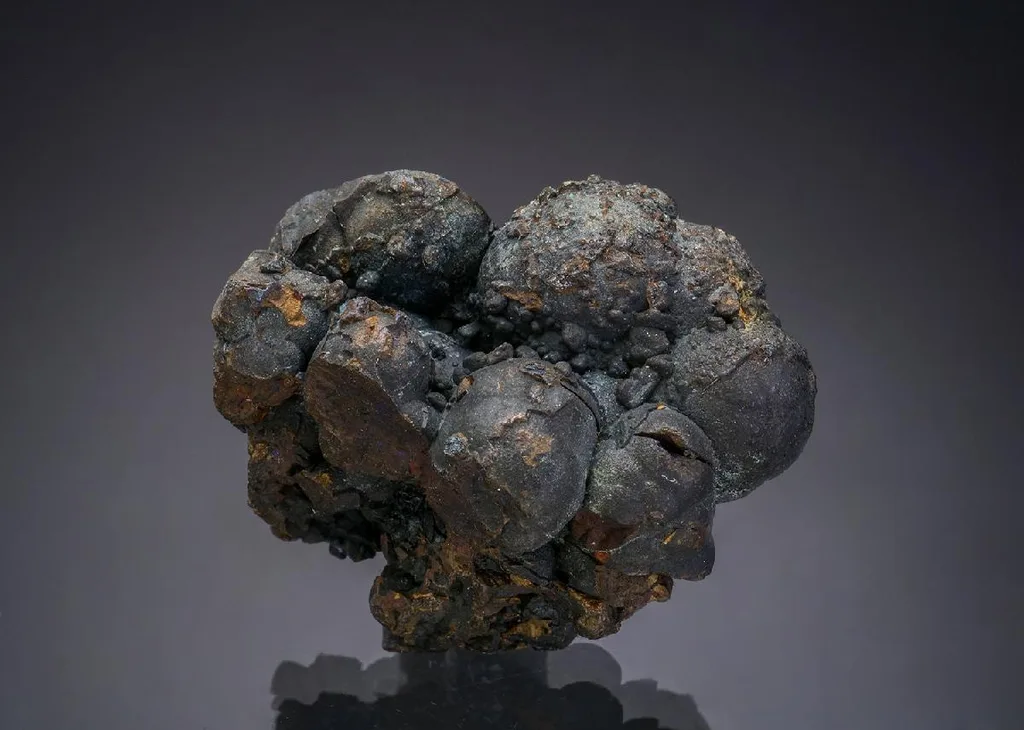
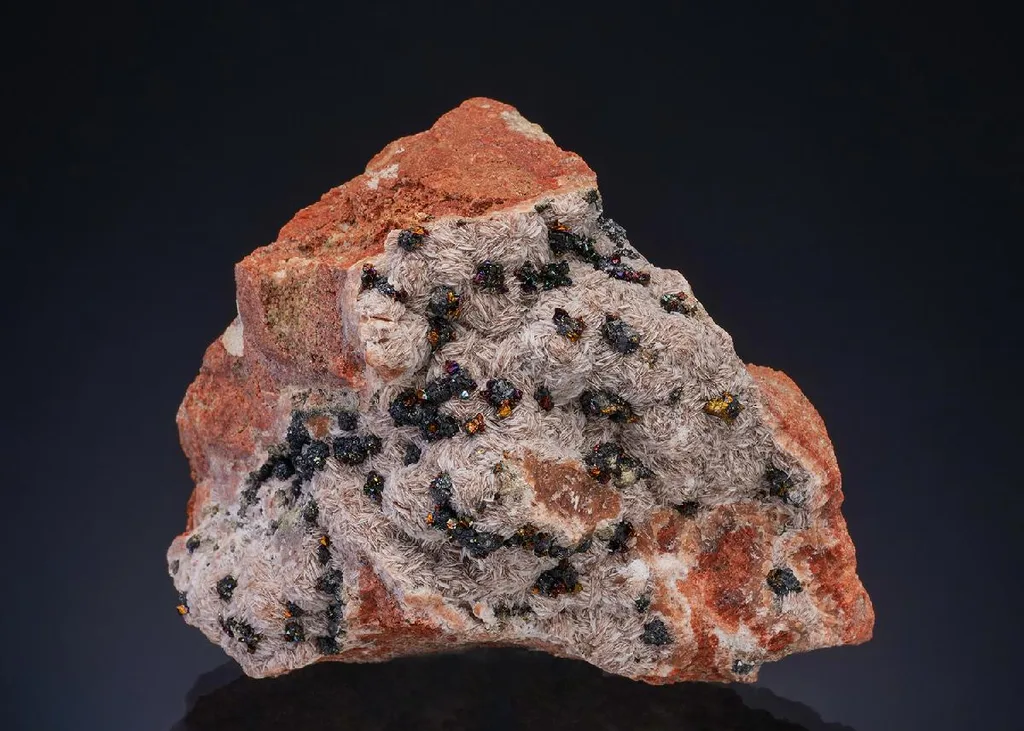
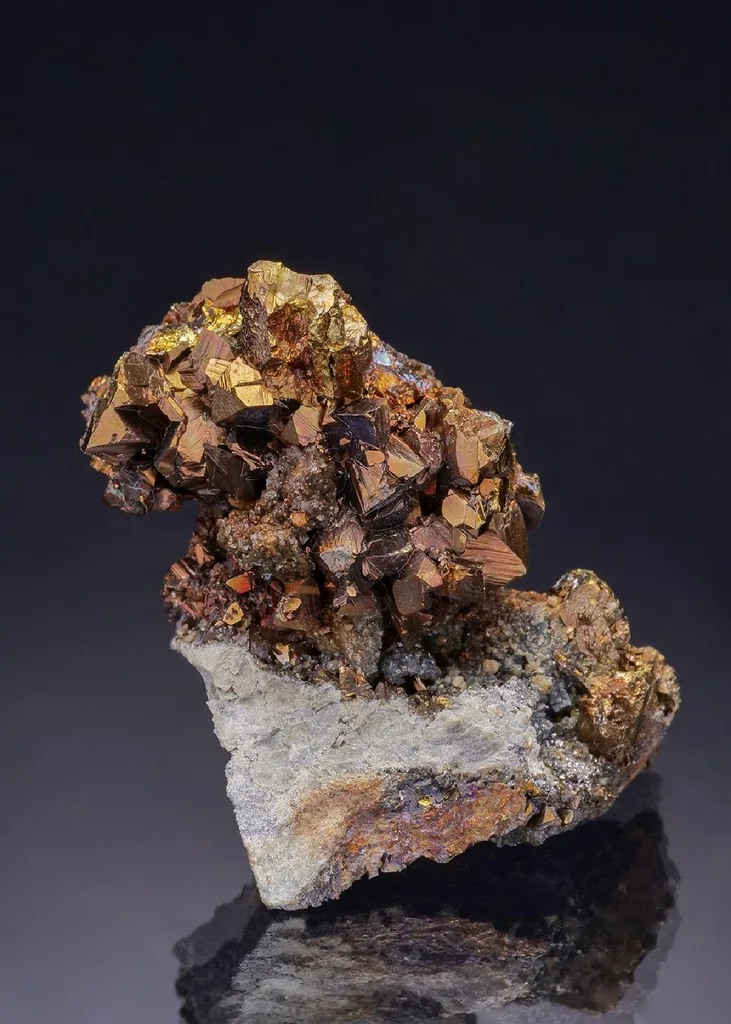
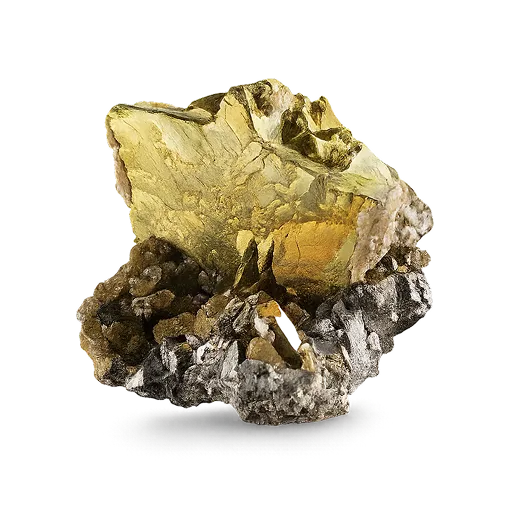
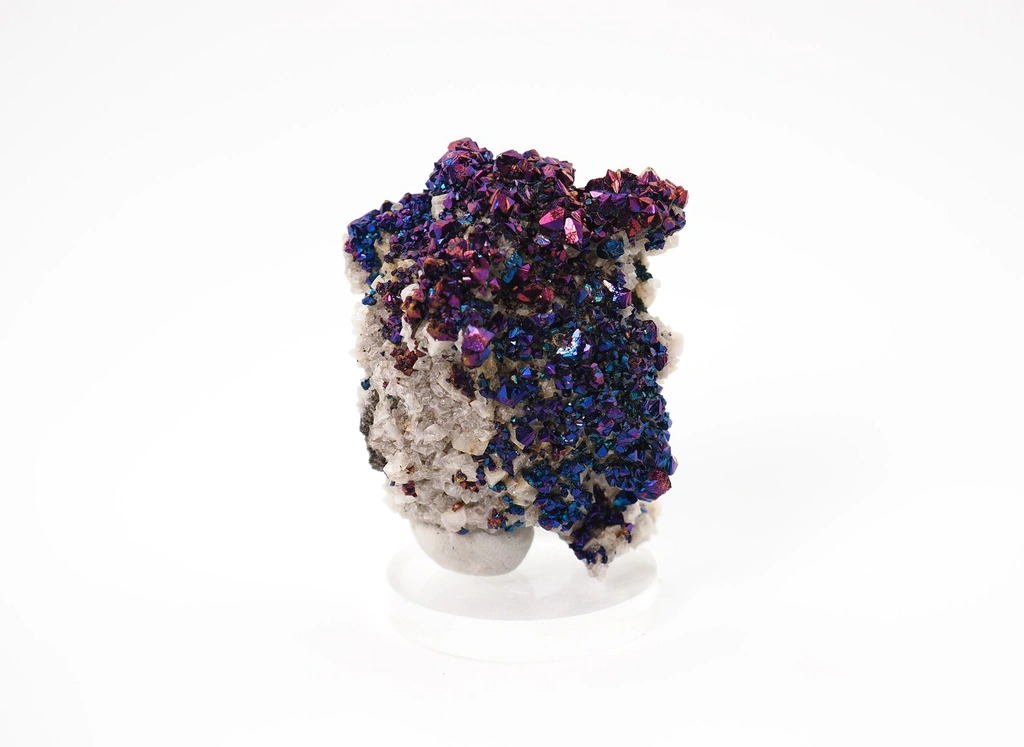
Chalcopyrite is a primary copper iron sulfide mineral that often forms brassy-yellow crystals with a distinctive metallic lustre. Crystals can display a range of habits from tabular to elongated and may develop a pale, rainbow-tinted tarnish on exposed surfaces. It commonly occurs in hydrothermal veins and skarns, frequently associated with quartz, pyrite, and bornite, and is a common accessory mineral in copper-rich deposits. Notable specimen sources include Mexico and China, where well-formed crystals have been collected for decades, as well as other popular localities that produce rich, iridescent surfaces. For collectors, chalcopyrite is valued for its color contrast against darker minerals and its ease of recognition, making it a staple in many suites and display cabinets.
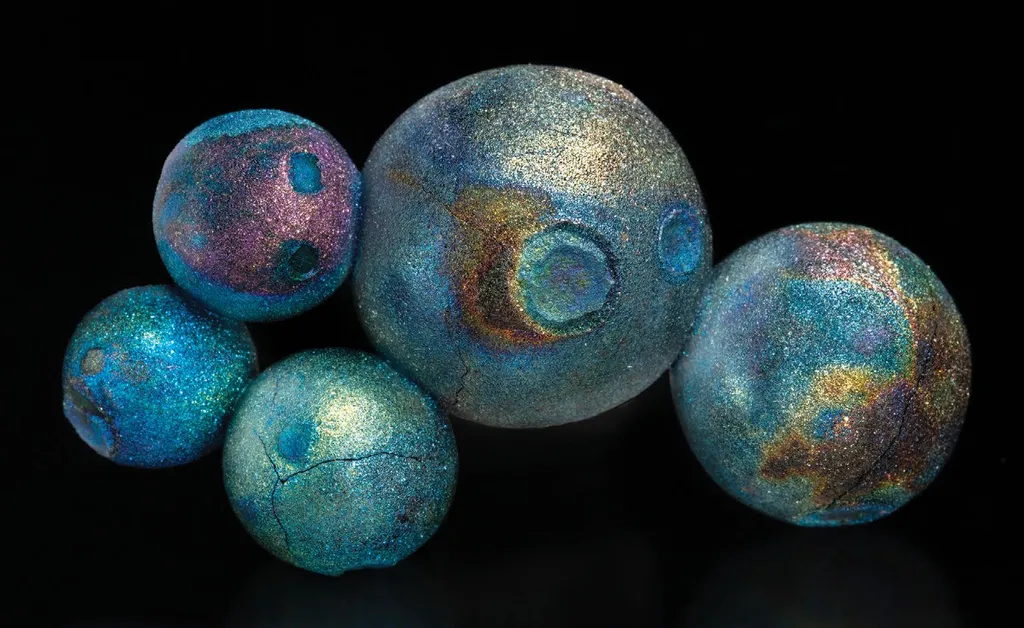
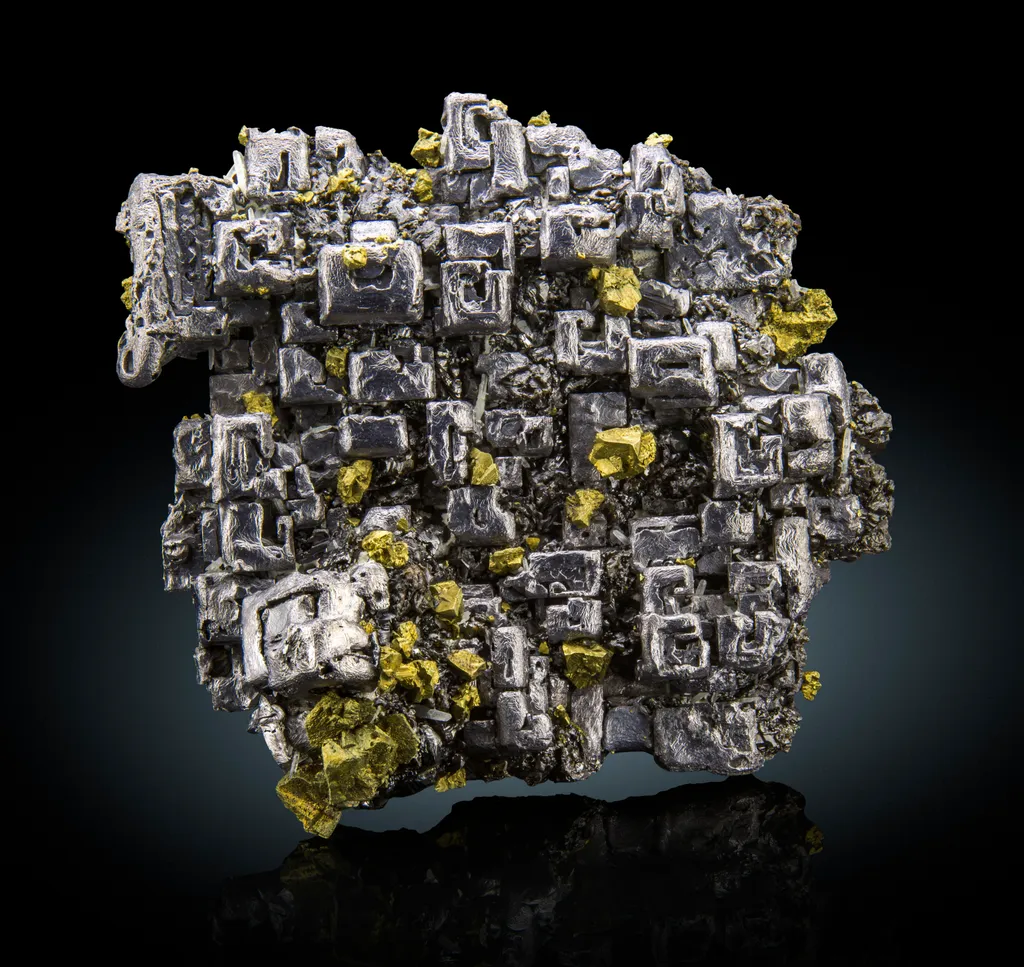
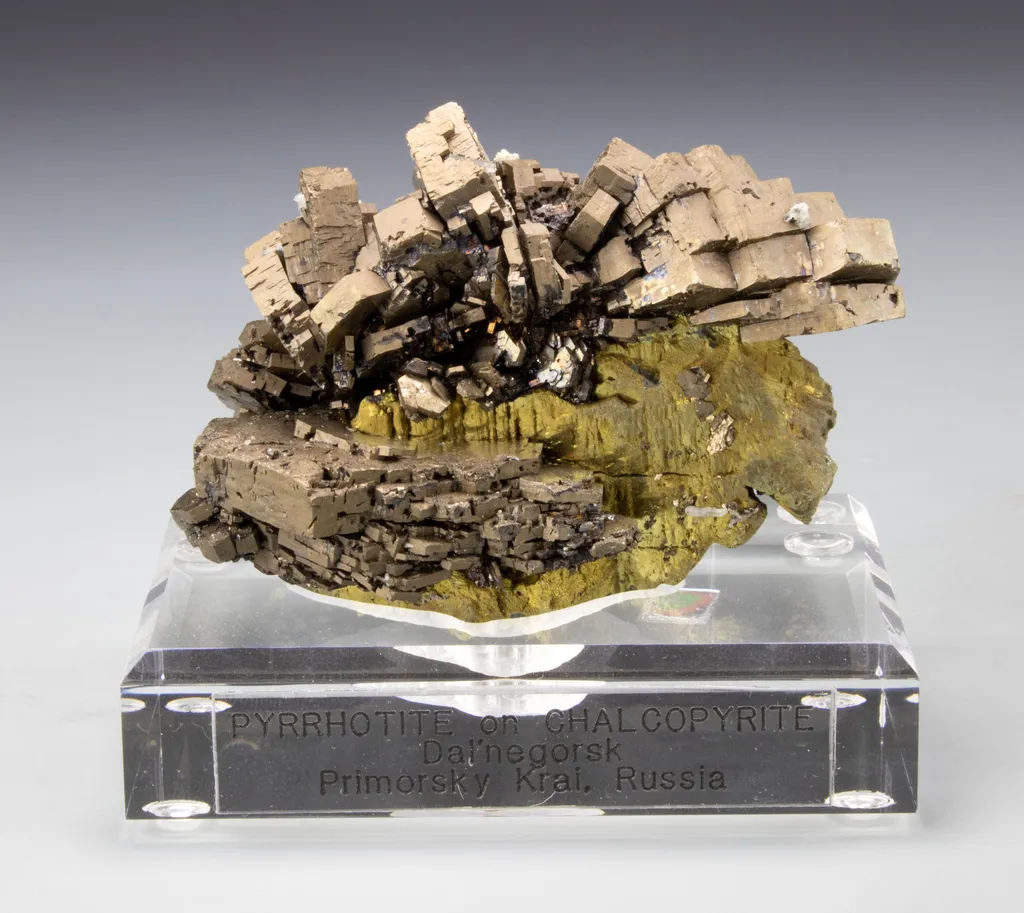
As a copper iron sulfide, chalcopyrite is chemically related to other sulfide minerals and can be confused with pyrite, though its softer Mohs hardness and the distinctive tarnish help distinguish it in hand and on display. While not a source of native copper, its copper content and metallic sheen make it aesthetically appealing when specimens exhibit vibrant zoning or complex crystal shapes. Collectors prize good locale representation and well-preserved terminations, which can showcase the mineral’s warm brassy hue and natural brilliance.