$6,475Median
2Sold (12 mo)
$450Last sale
14 for sale · $125–$17,500 USD
10 in the gallery
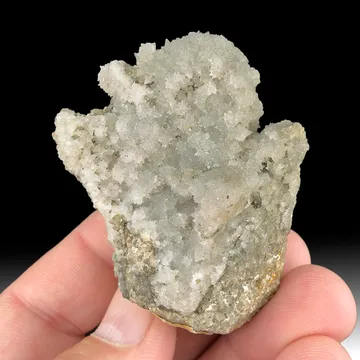
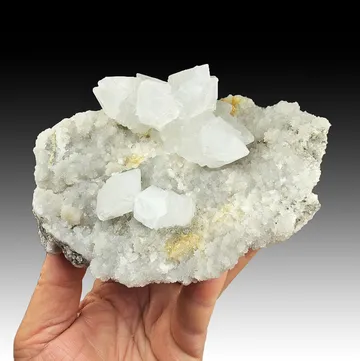
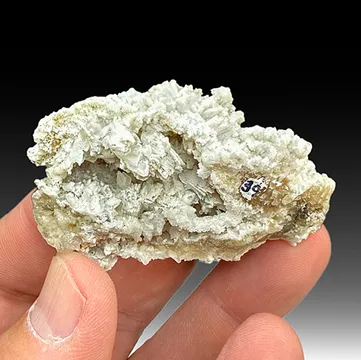
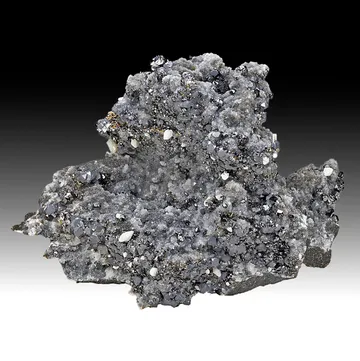
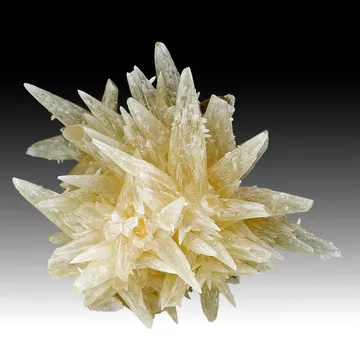
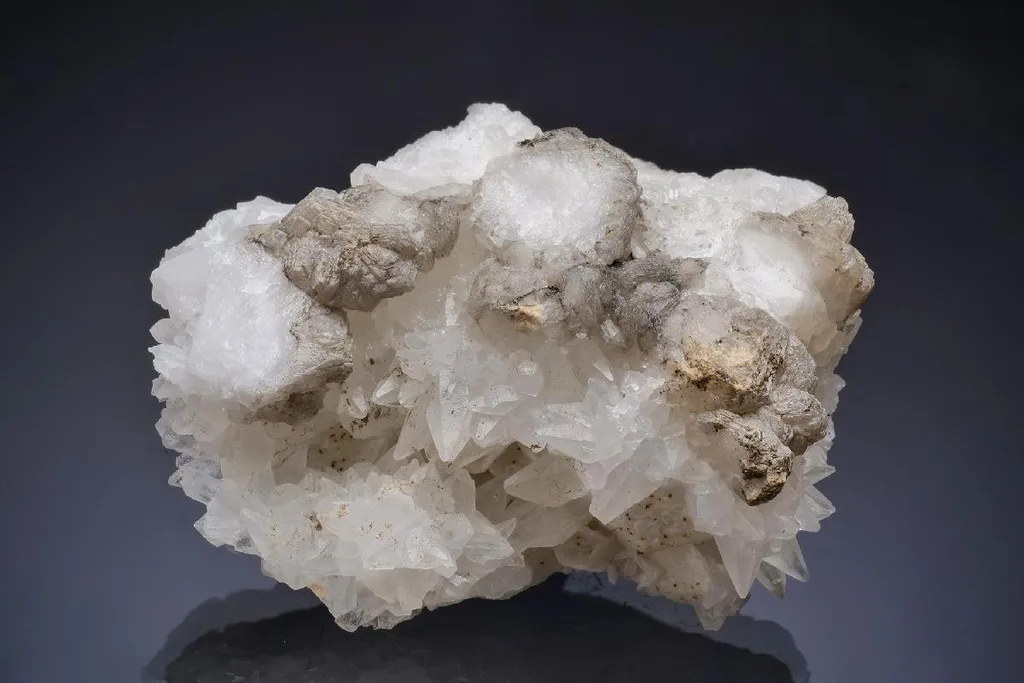
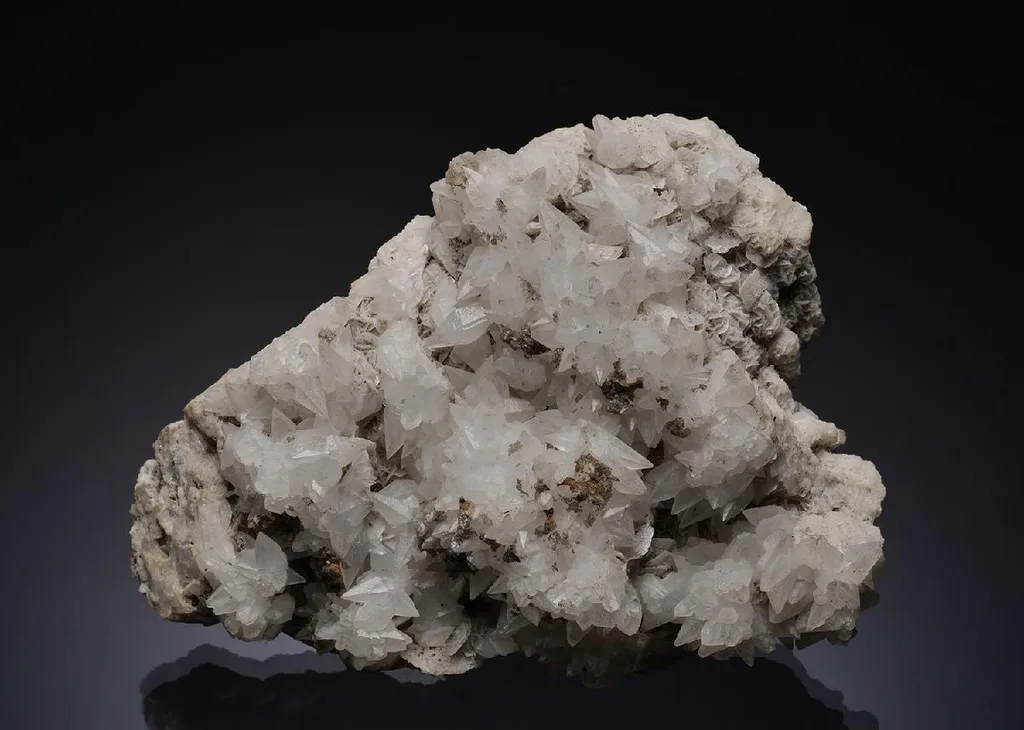
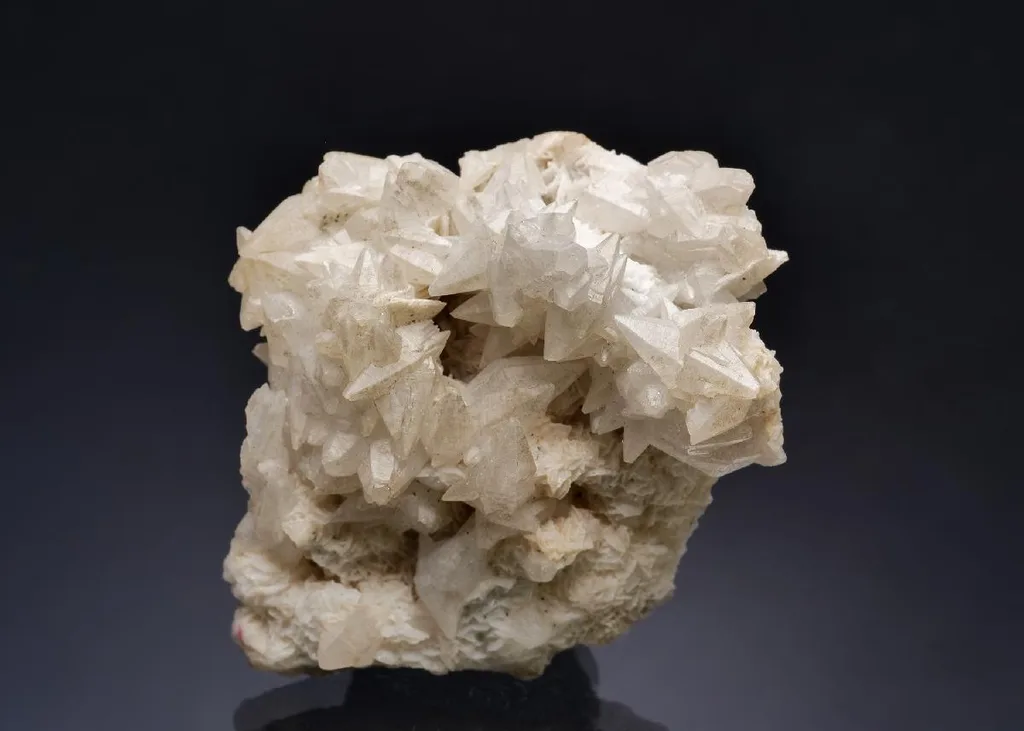
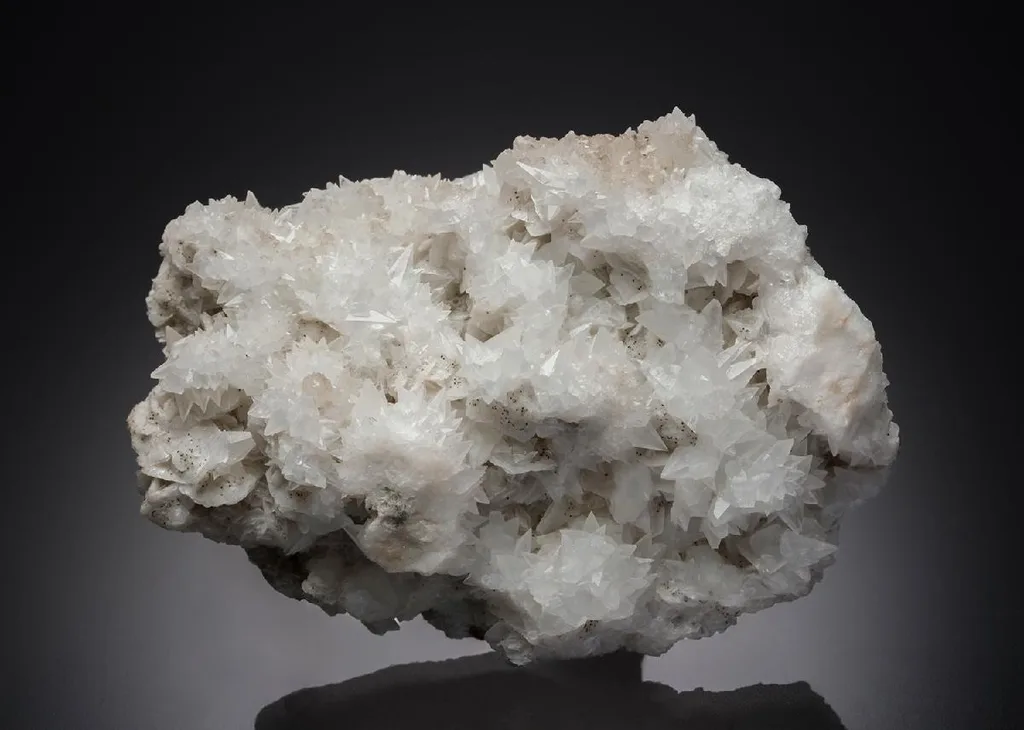
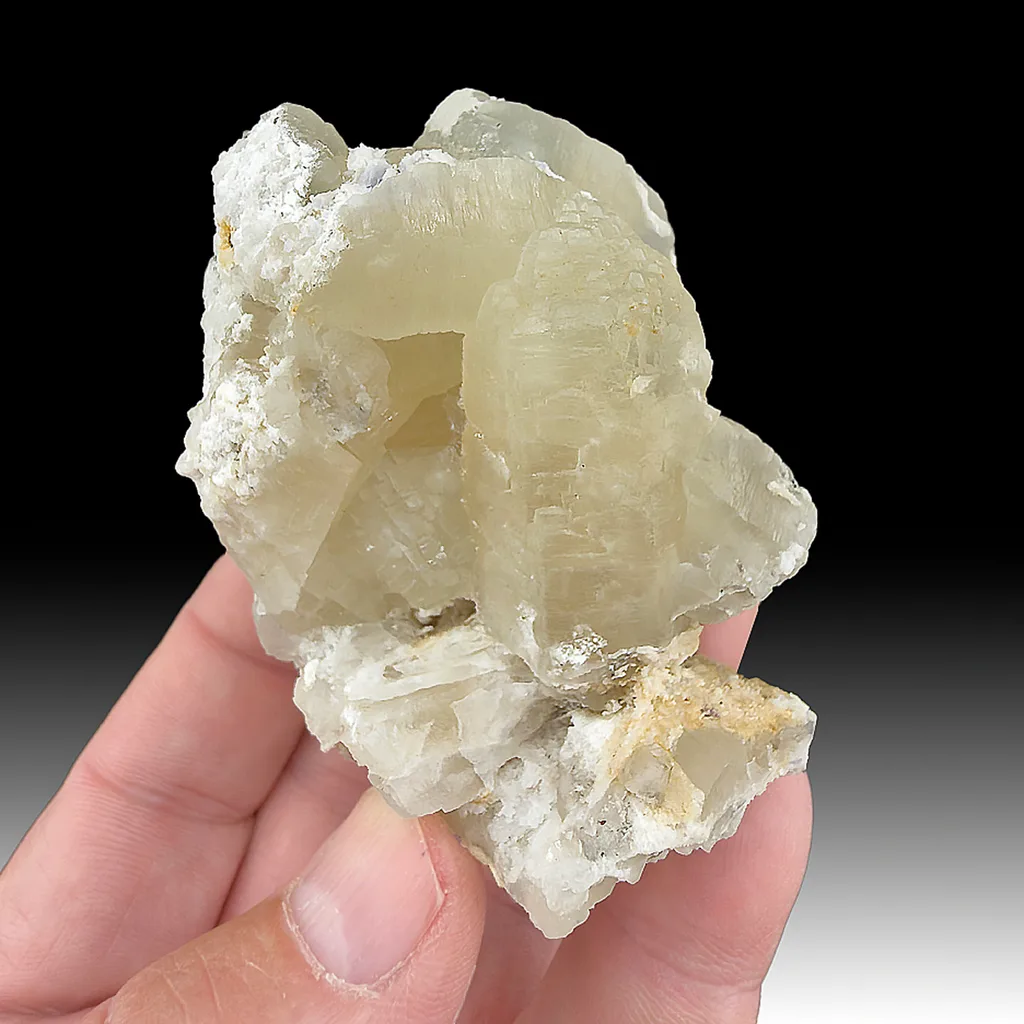
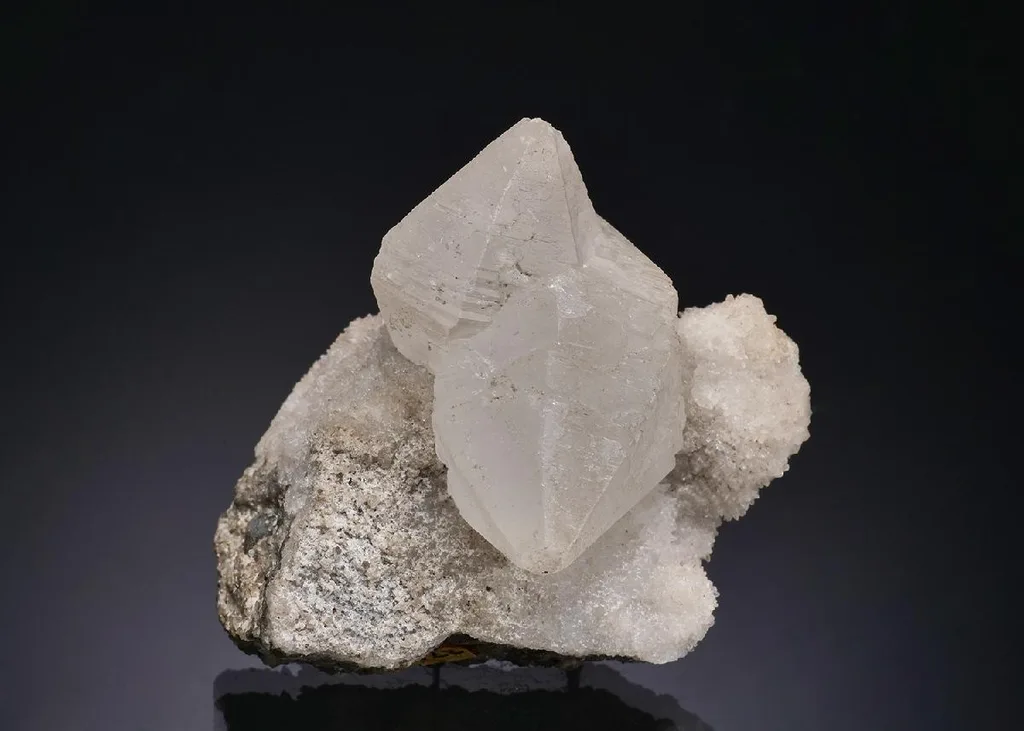
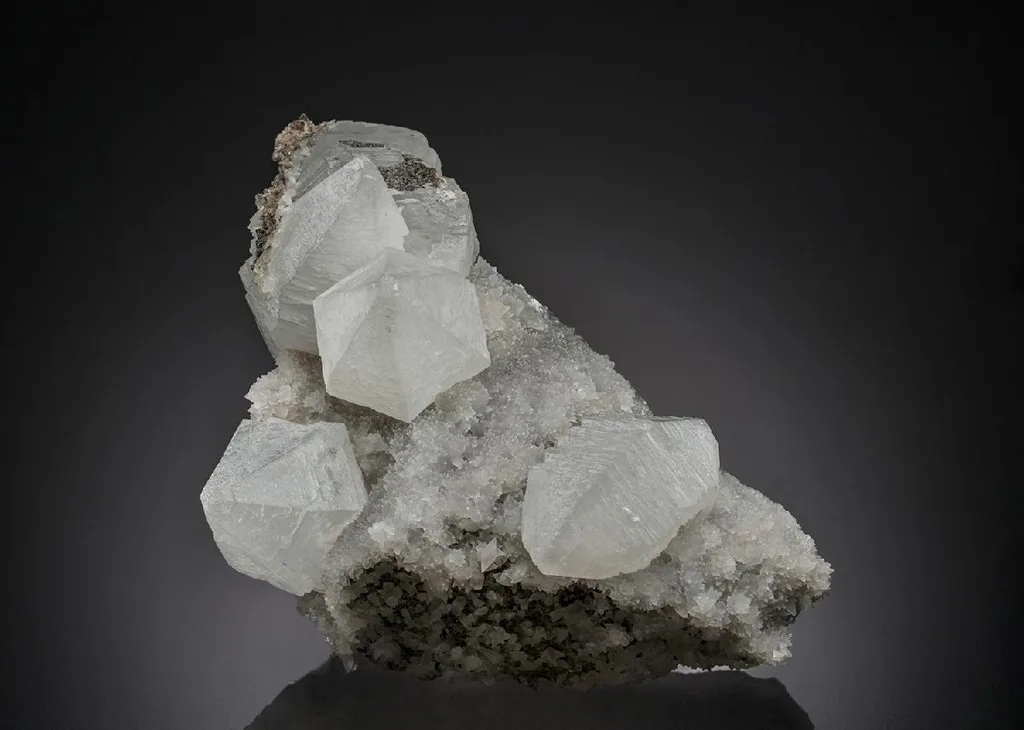
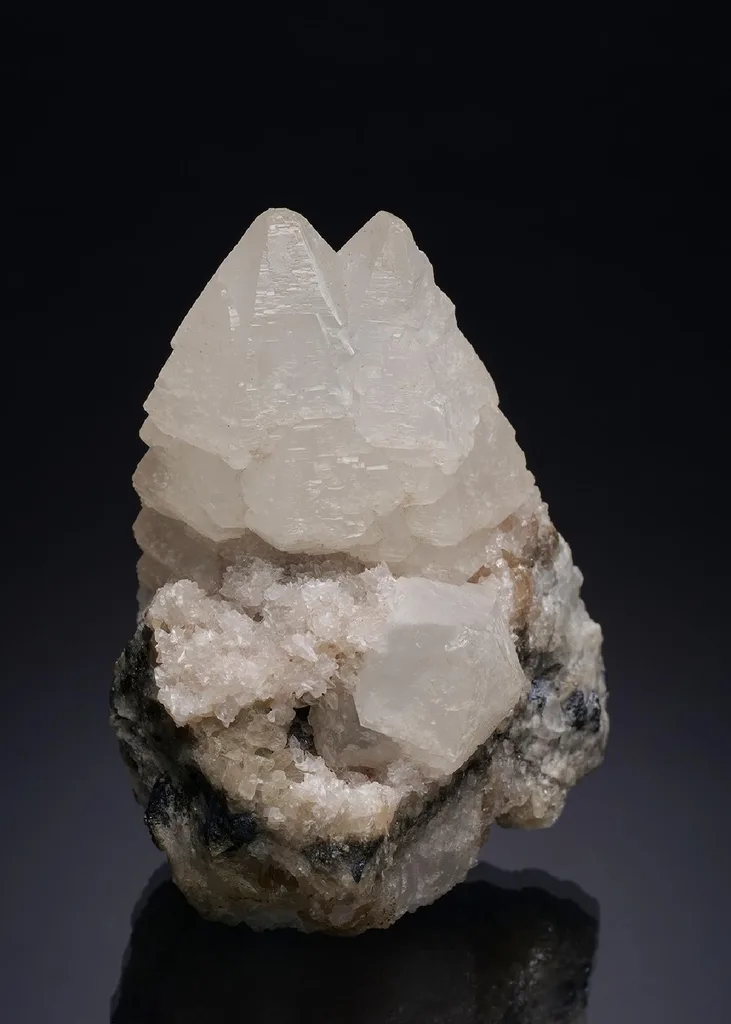
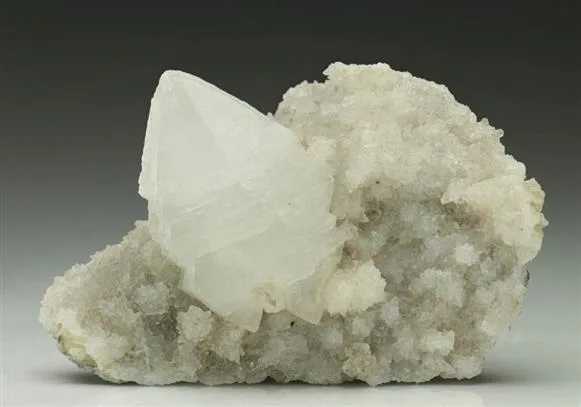
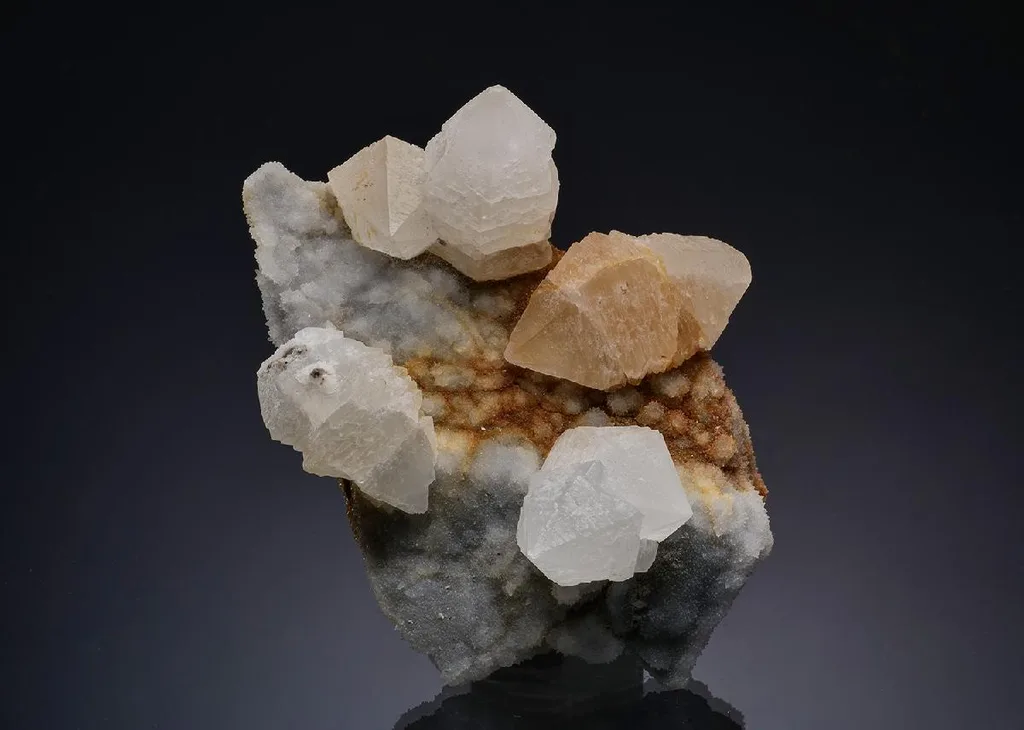
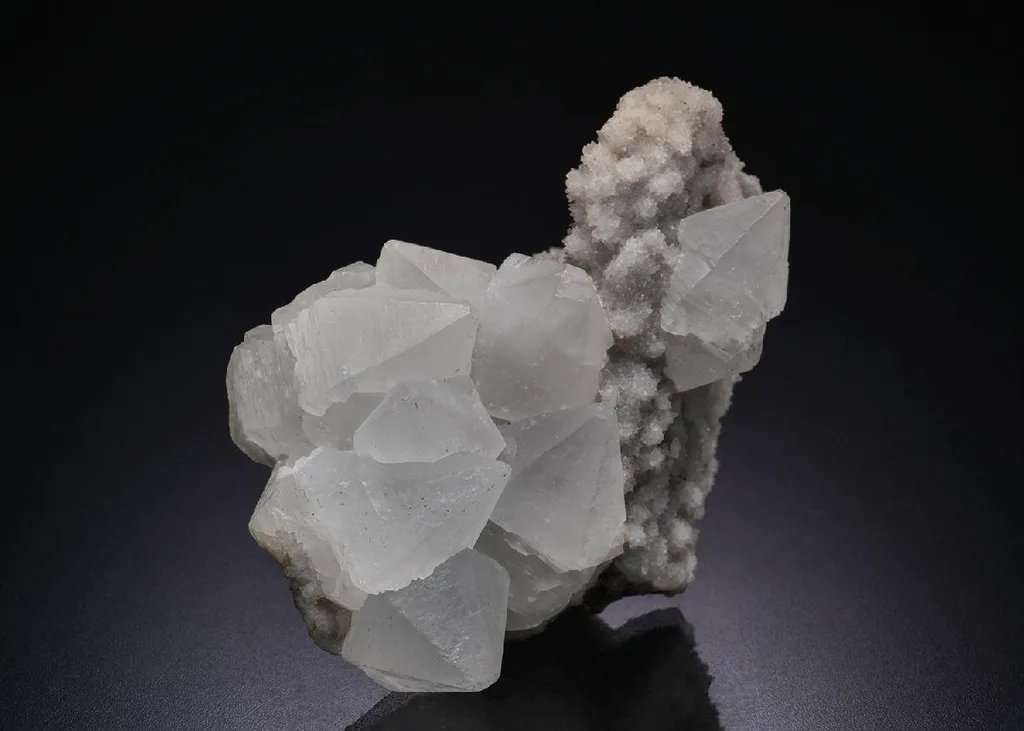
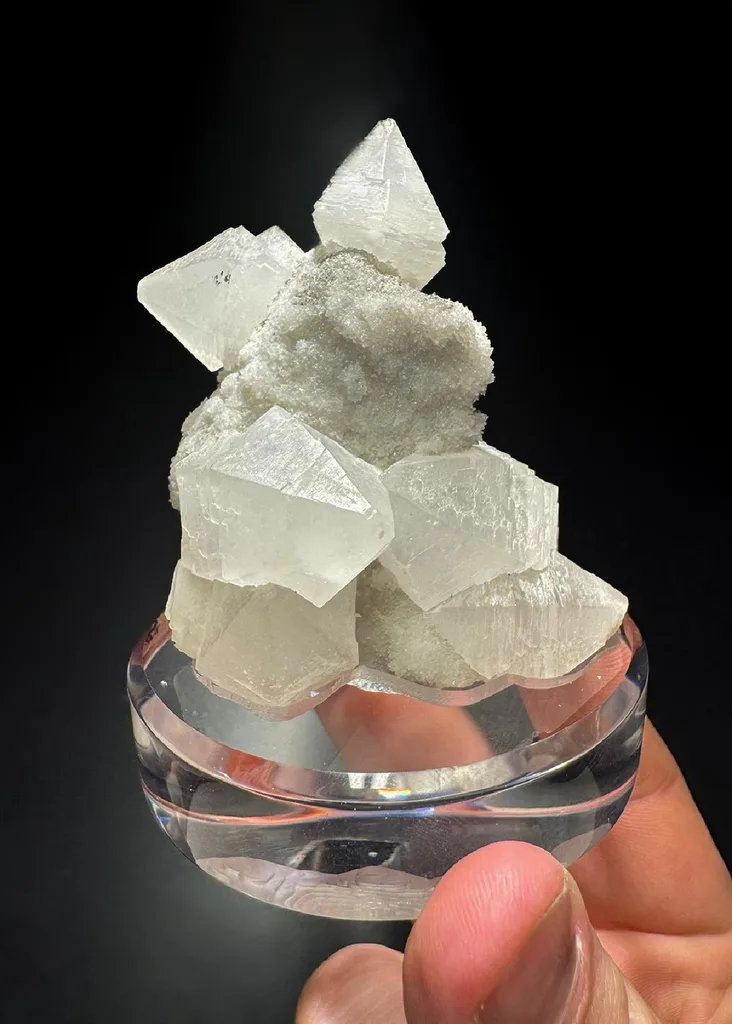
Alstonite is an anhydrous carbonate mineral with the chemical formula BaCa(CO3)2. It commonly forms prismatic, pyramidal, tabular, and granular habits, displaying a vitreous luster and a white to pink coloration. Transparent to translucent crystals can exhibit a subtle fluorescence, typically yellow, under UV light, adding to its appeal for display specimens and study.
Notable localities include historic or classic carbonate deposits where alstonite has been documented, contributing to its status as a collectible and scientifically interesting species. Its rarity makes high-quality crystals particularly sought after by collectors who value lithologic context and crystallography, as well as those who appreciate the mineral's gentle hues and transparent to translucent forms. The mineral’s Mohs hardness of 4–4.5 and distinct cleavage influence preparation and display considerations, while a relatively high specific gravity around 3.69–3.71 hints at its dense crystal structure.
Collectors appreciate alstonite for its elegant crystal shapes, its fluorescence under UV light, and its place in the historical record of carbonate minerals. Its stable chemistry and classic status as a historic species contribute to ongoing interest, especially in suites that emphasize classic or notable mineral specimens from carbonate environments.