$135Median
4Sold (12 mo)
$160Last sale
Recent salesSee more
13 for sale · $100–$17,500 USD
37 in the gallery
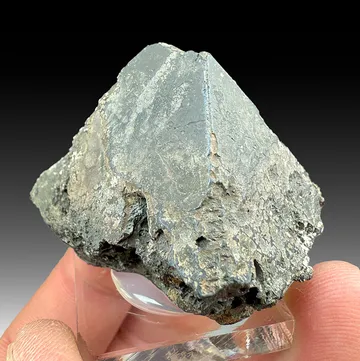
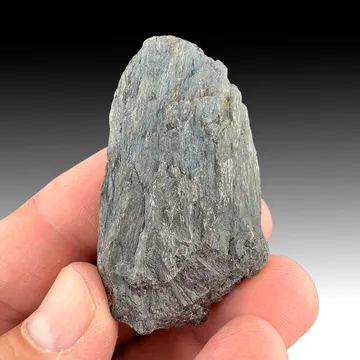
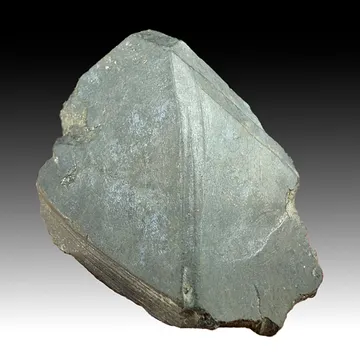
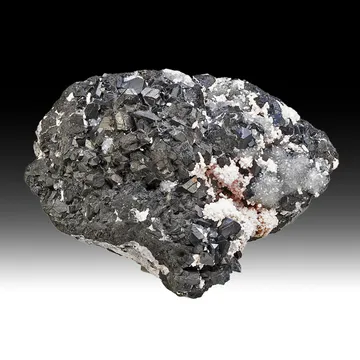
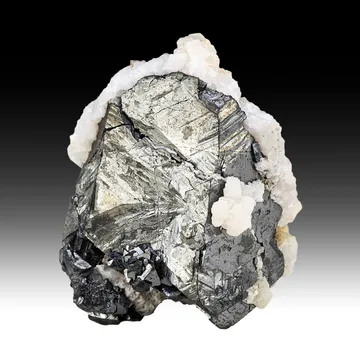
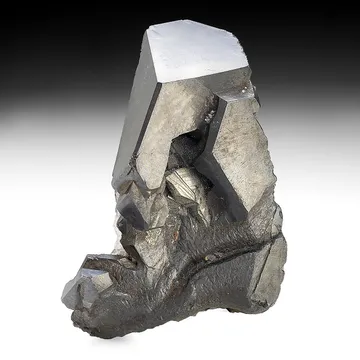
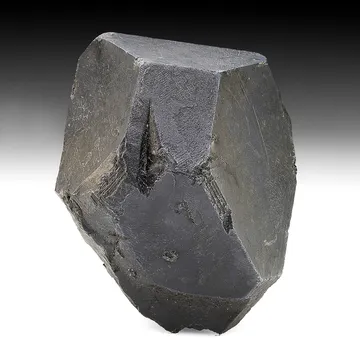
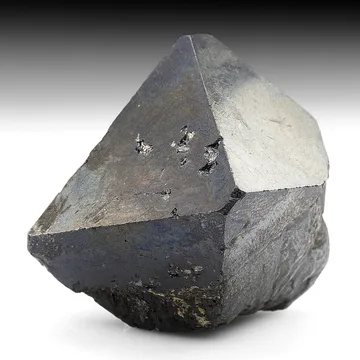
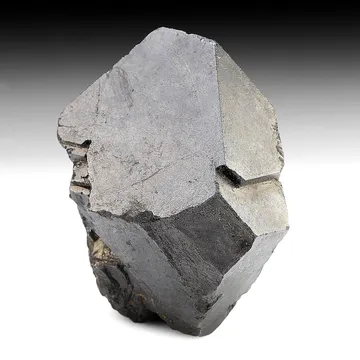
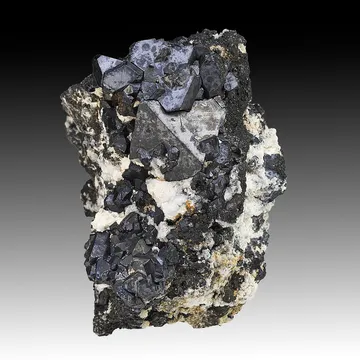
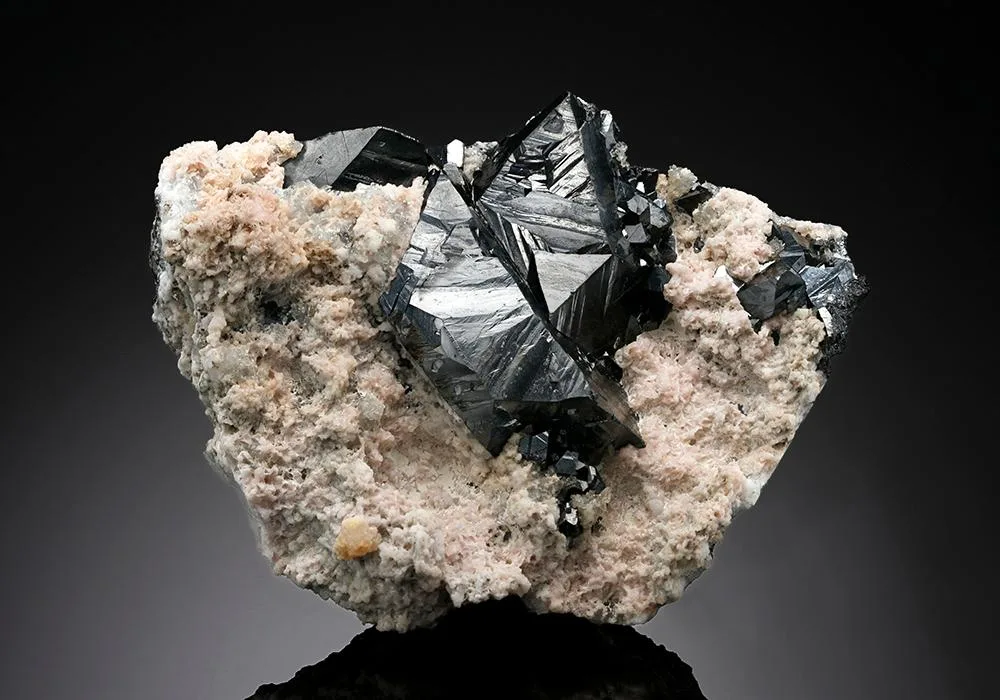
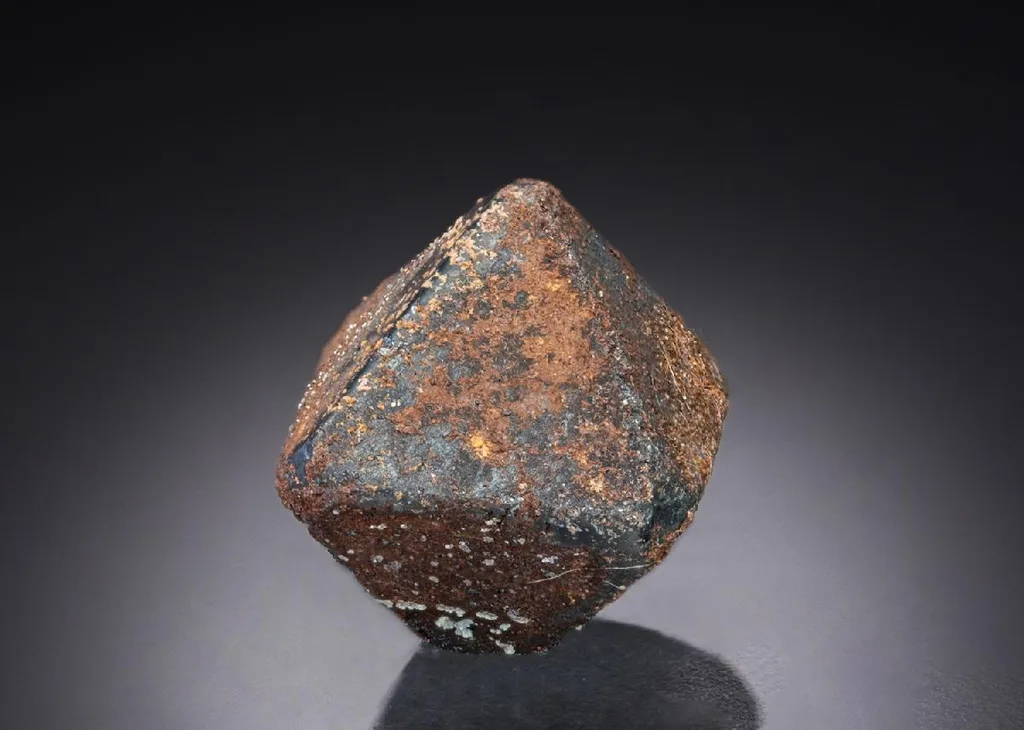
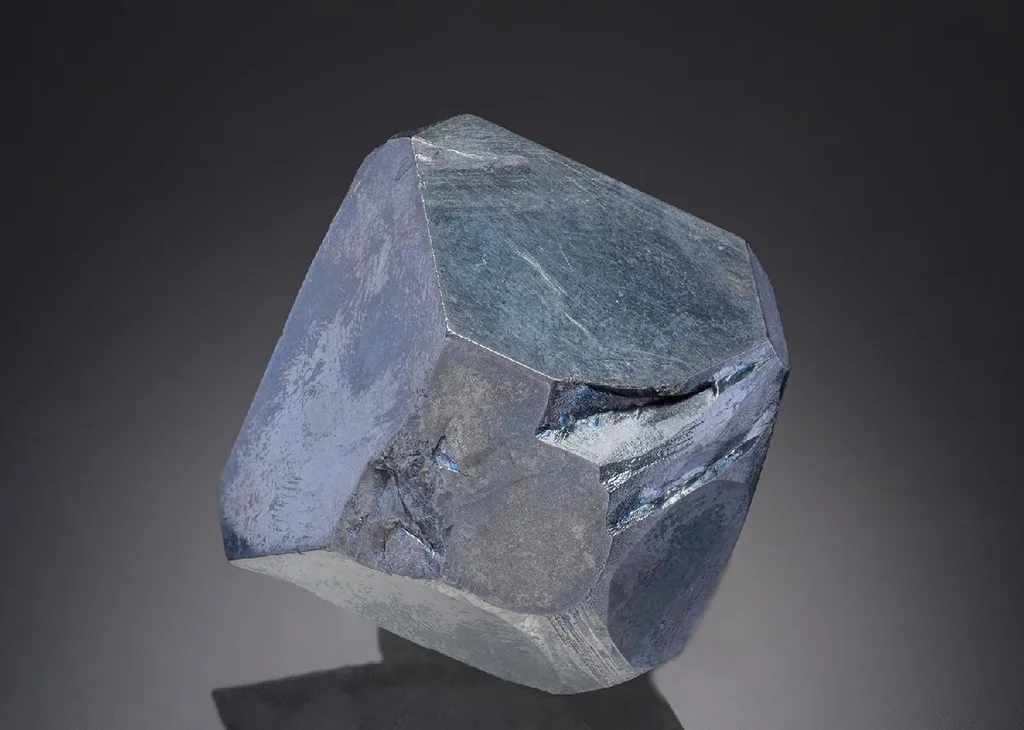
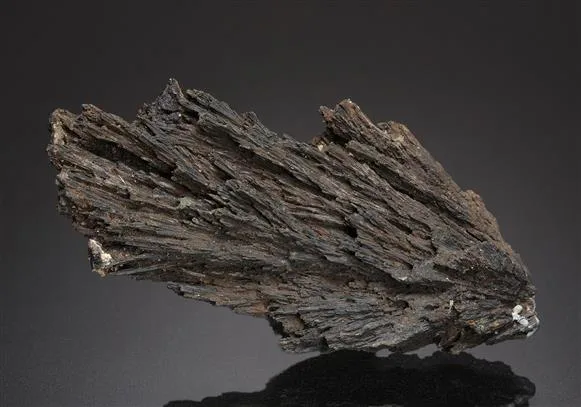
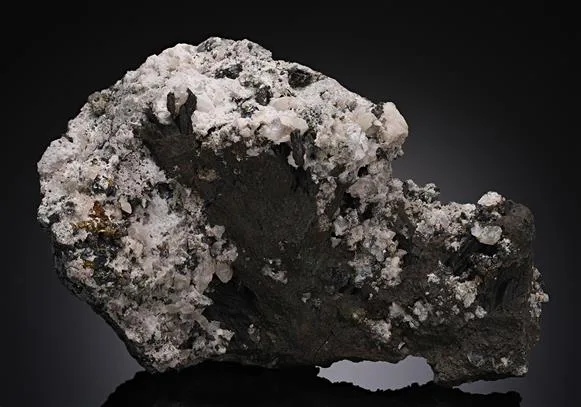
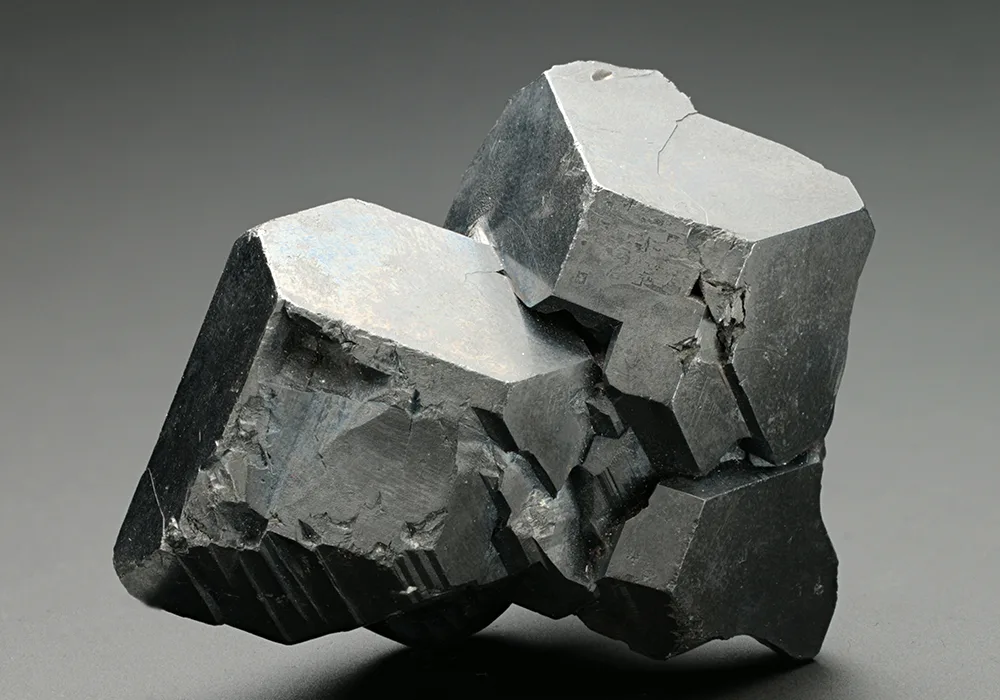
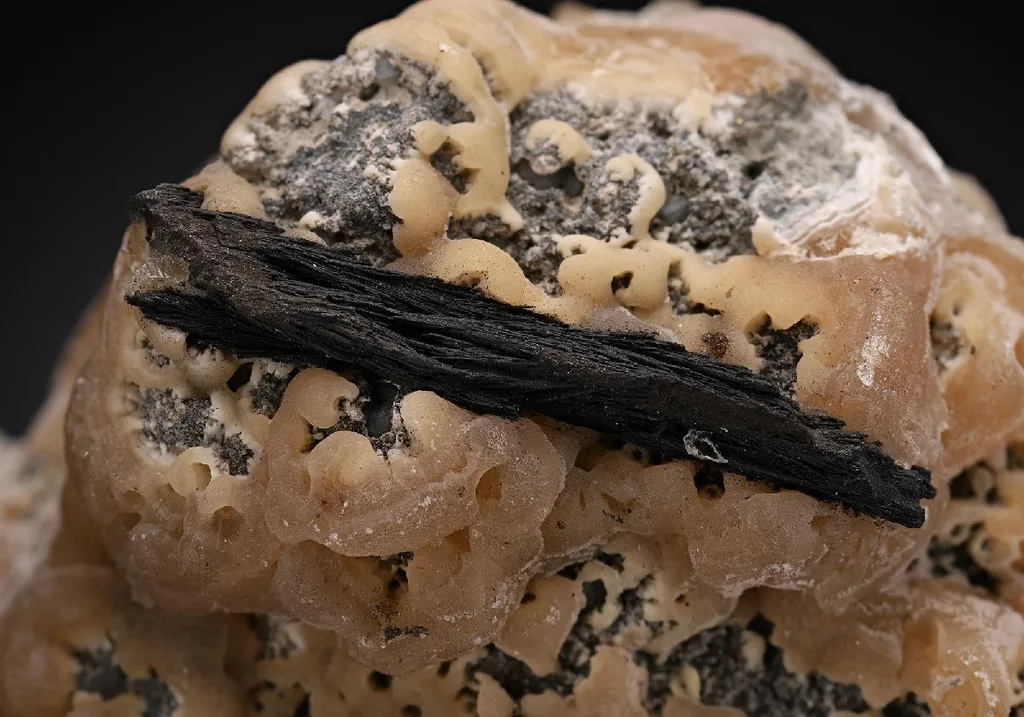
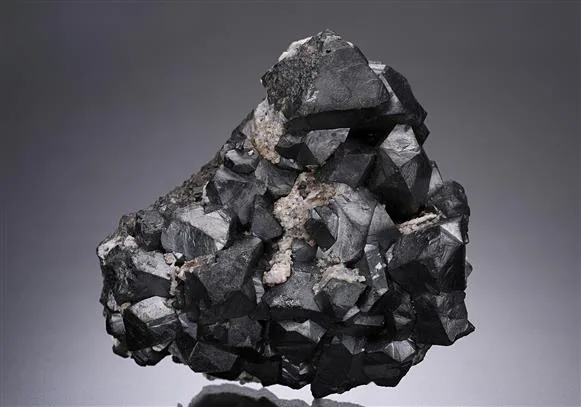
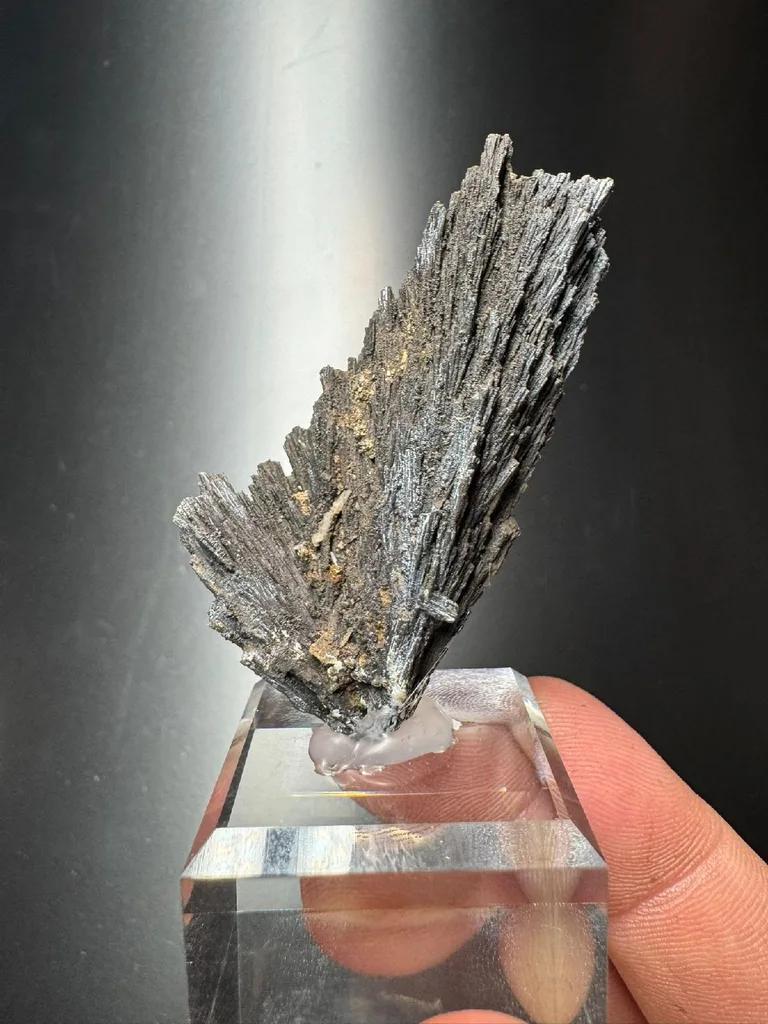
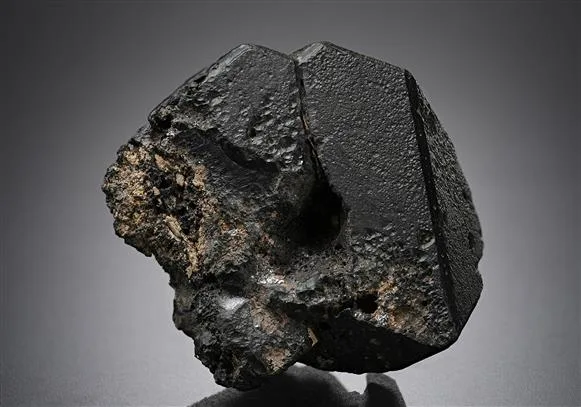
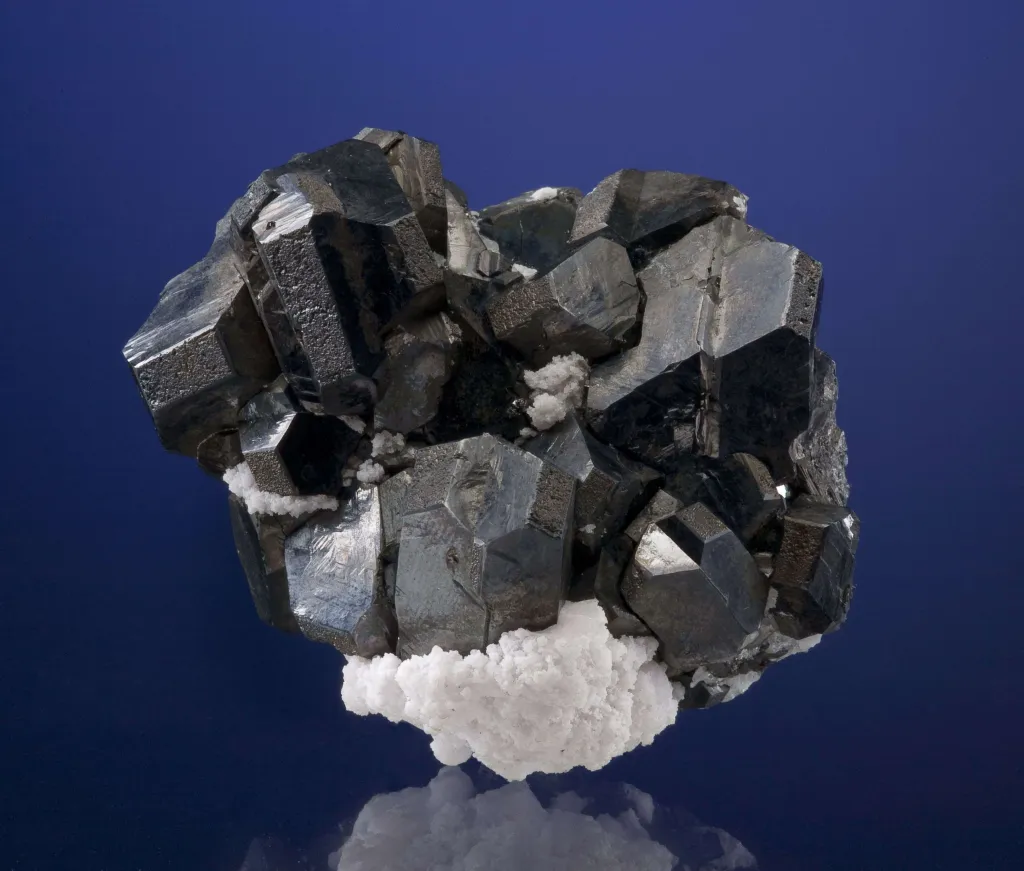
Alabandite is a sulfide mineral composed of manganese sulfide (MnS). It commonly forms as metallic, lustrous crystals or masses that exhibit a steely gray to black coloration. The mineral often displays a reflective, subhedral to euhedral habit in specimen matrices, and its shine under light highlights its metallic character. Notable specimens have come from Peru, Tanzania, Australia, Mexico and Romania, where vein systems and sulfide-rich environments provide the right chemistry for crystallization. Collectors prize well-formed crystals and associations with other sulfides, which can enhance contrast and display quality.
In hand samples and museum displays, alabandite’s straightforward chemistry and striking metallic finish make it a compelling addition to a suite of manganese minerals. Its compact habit and ability to form sharp, lustrous crystals aid in contrast against common matrix materials, drawing attention to crystal form and surface sheen. While it may occur alongside other sulfides in hydrothermal deposits, alabandite remains sought-after for its crisp crystallography and the straightforward elegance of its metallic surface.