
Guide
136 for sale · $75–$7,500 USD
161 in the gallery
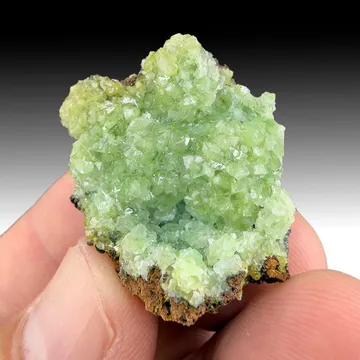
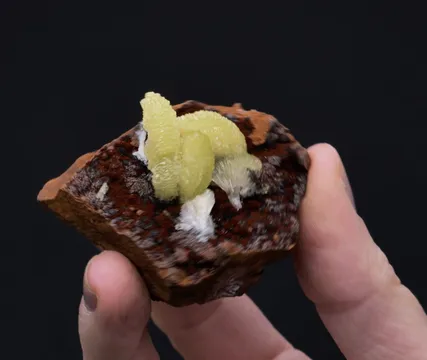
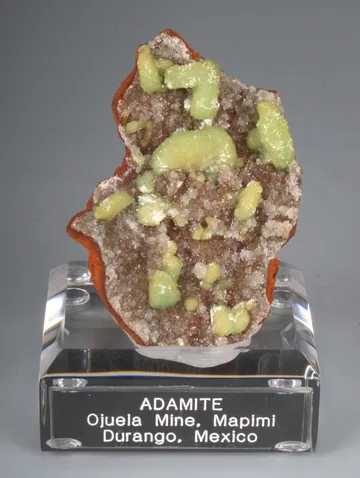
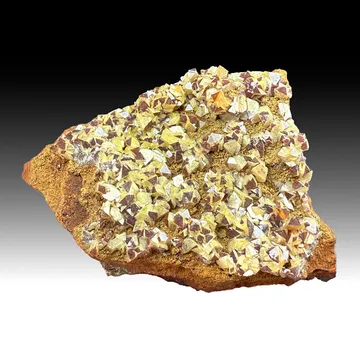
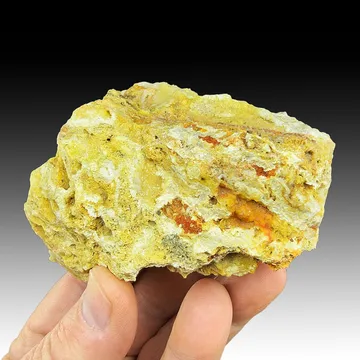
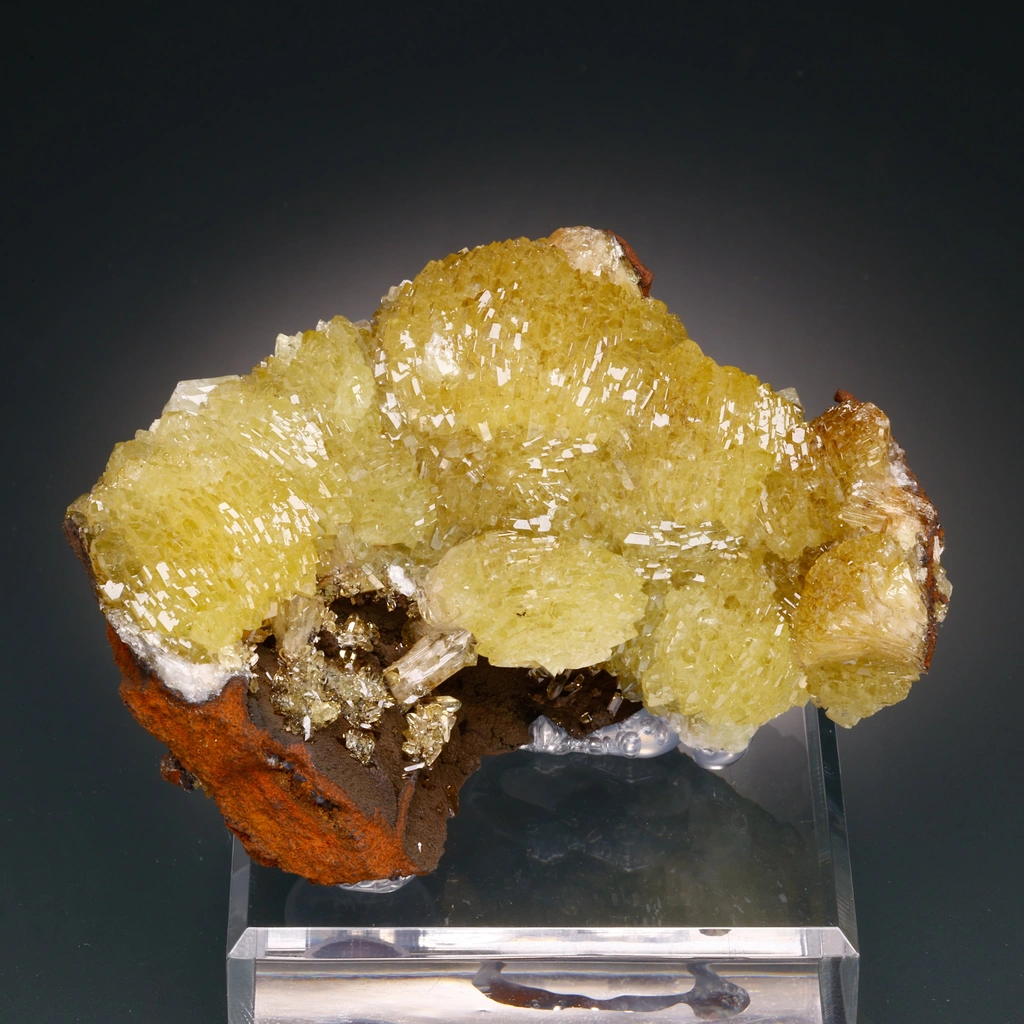
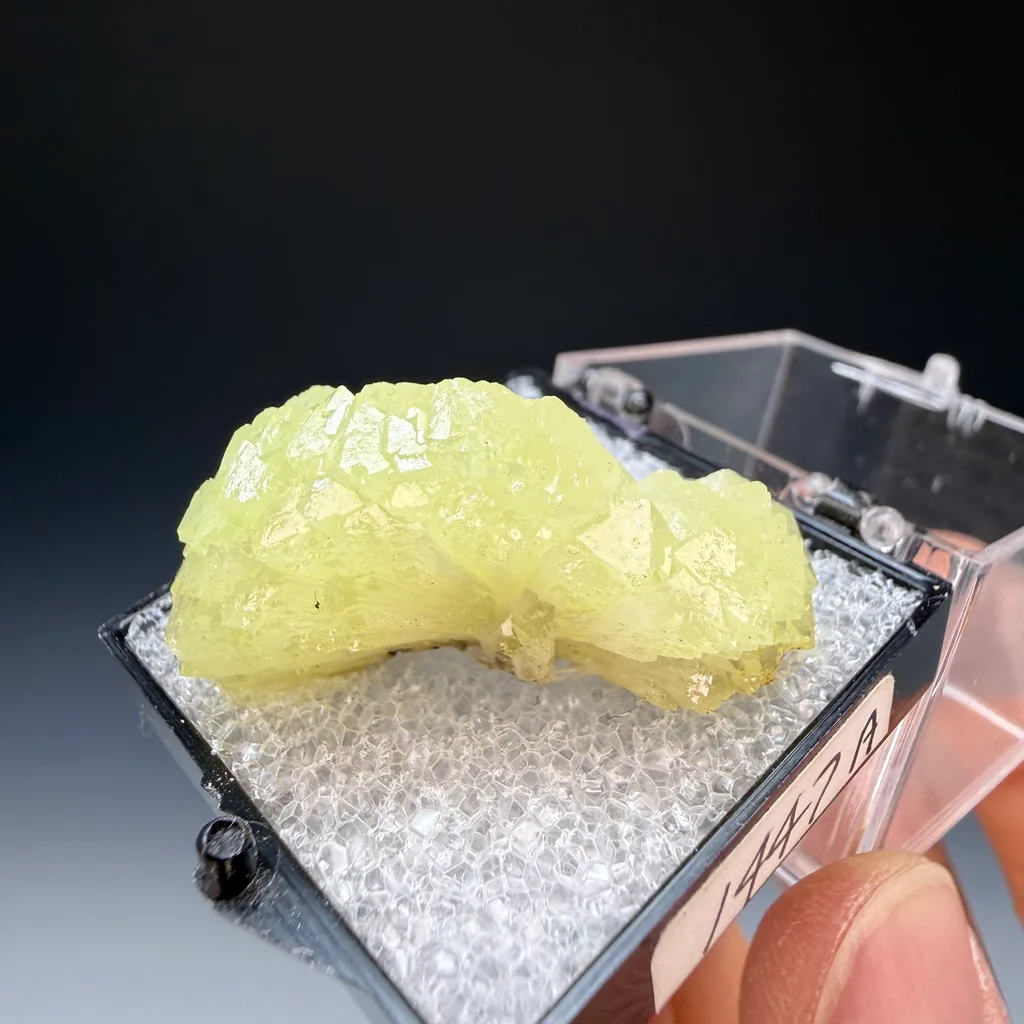
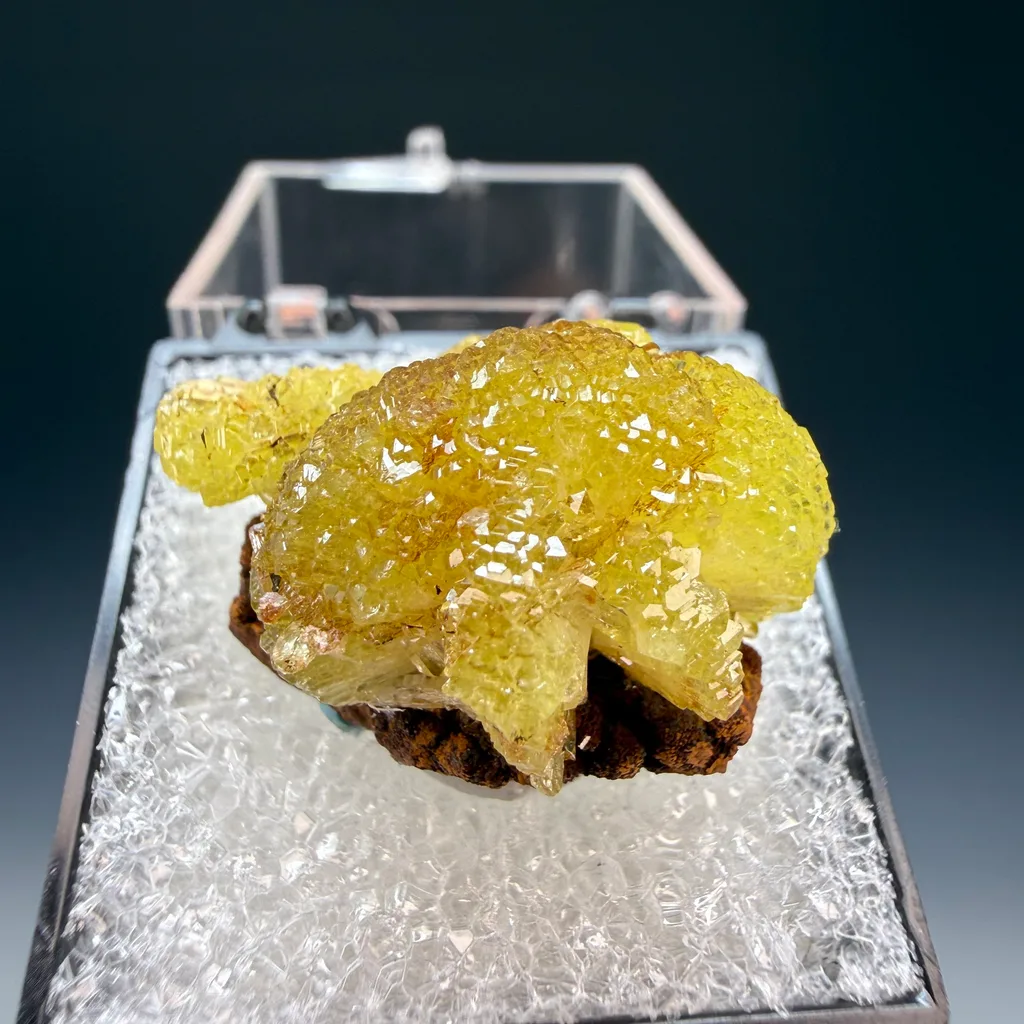
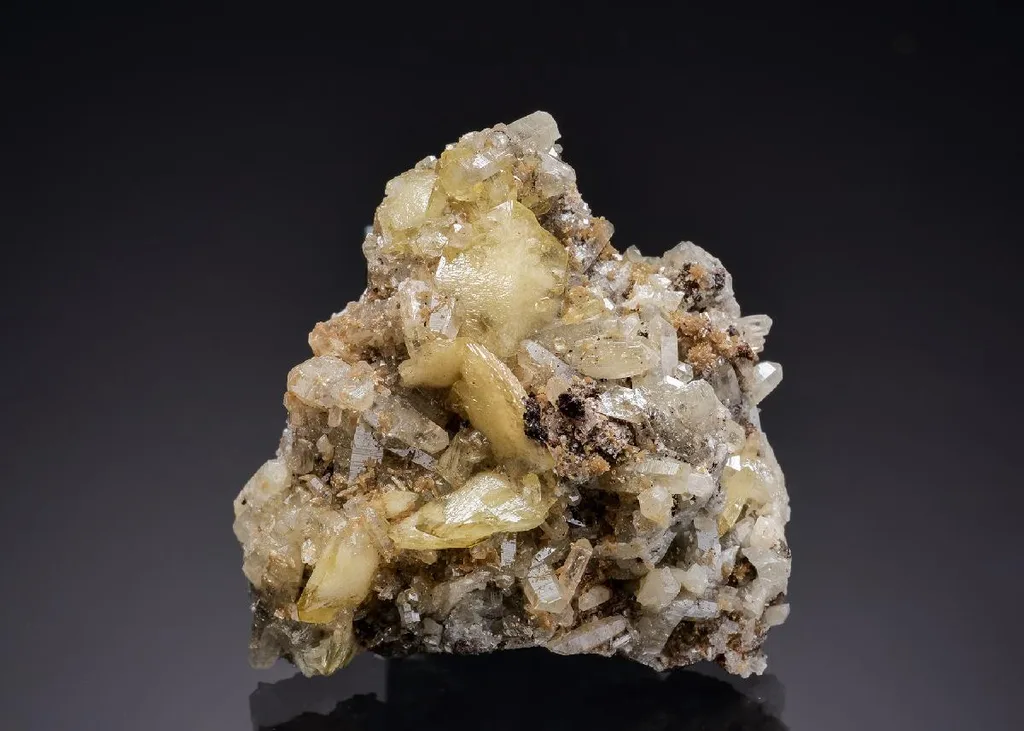
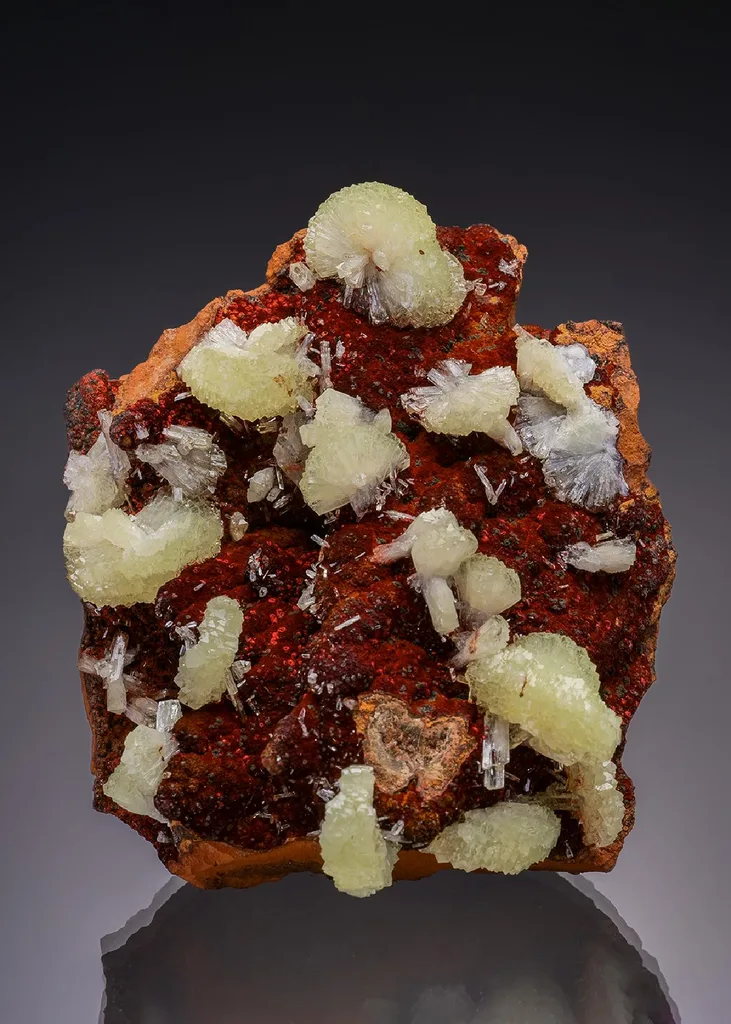
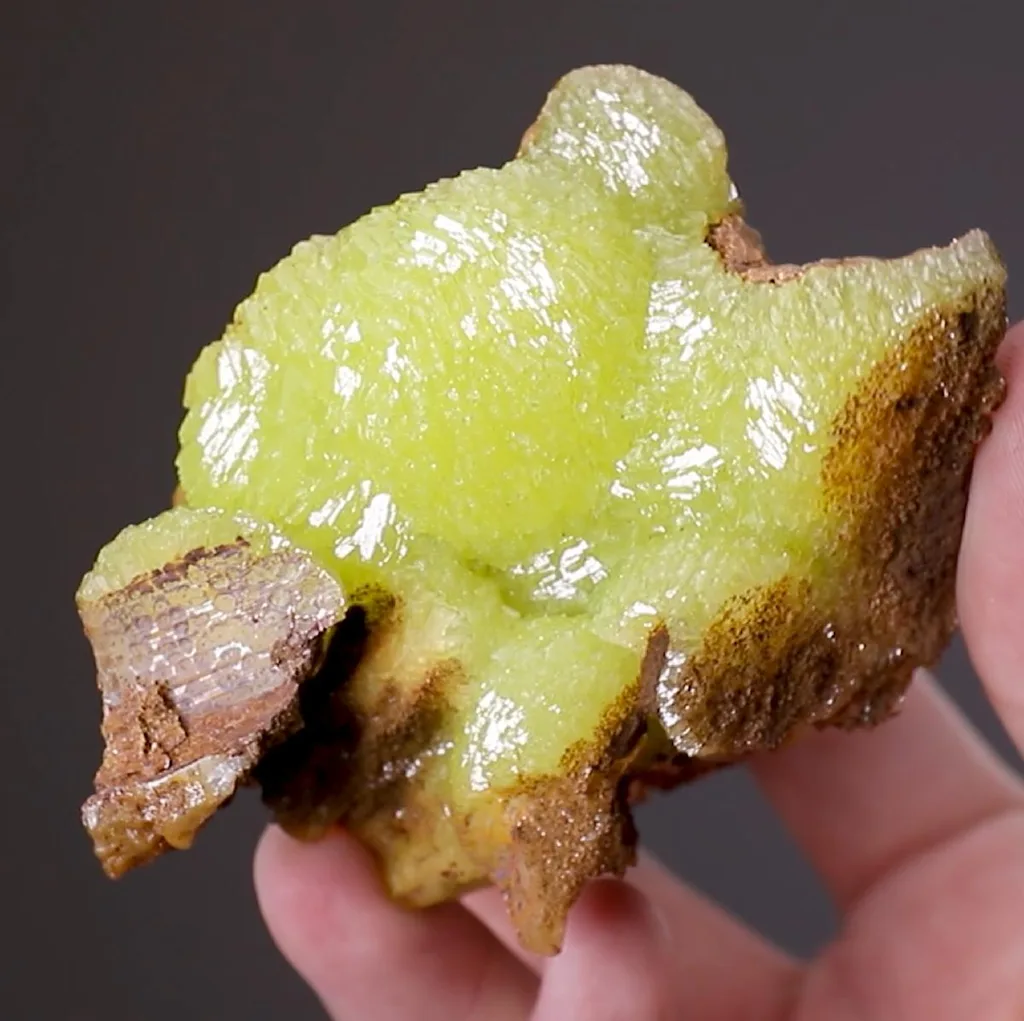
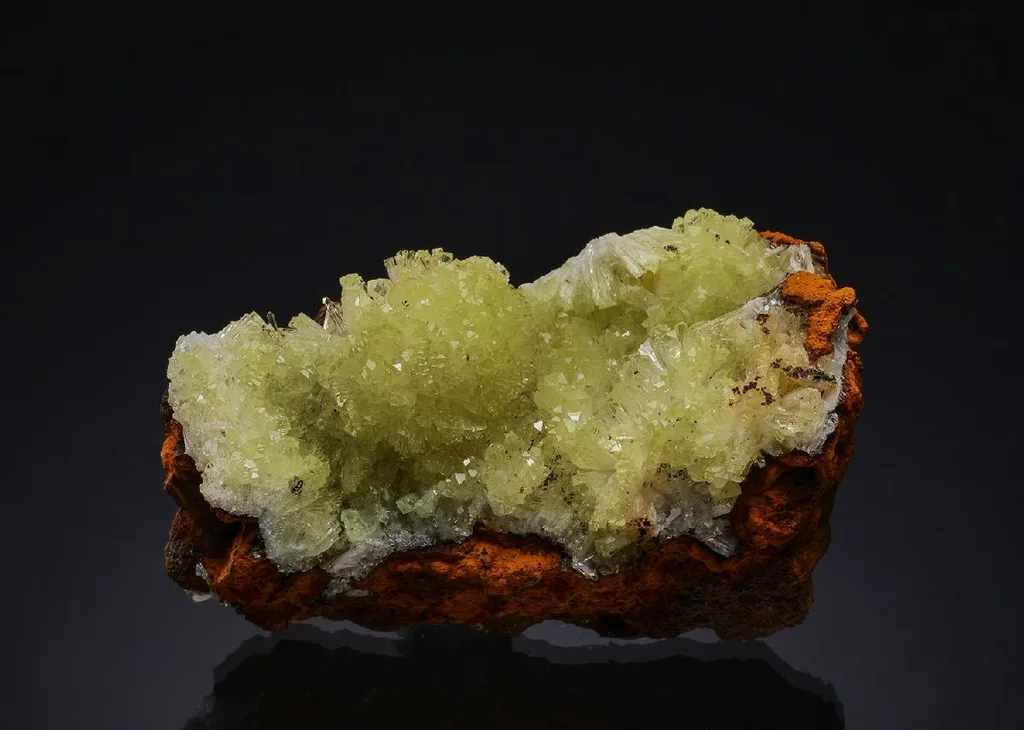
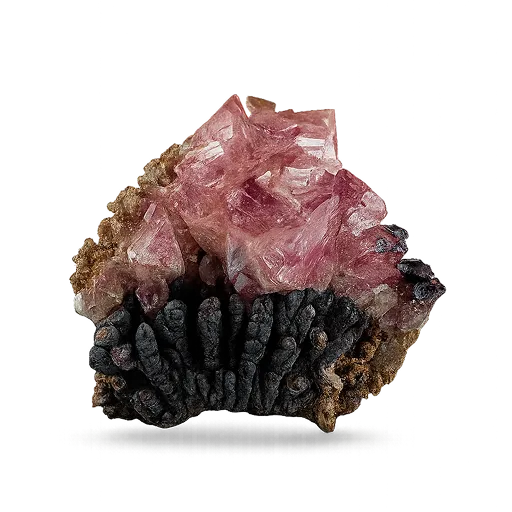
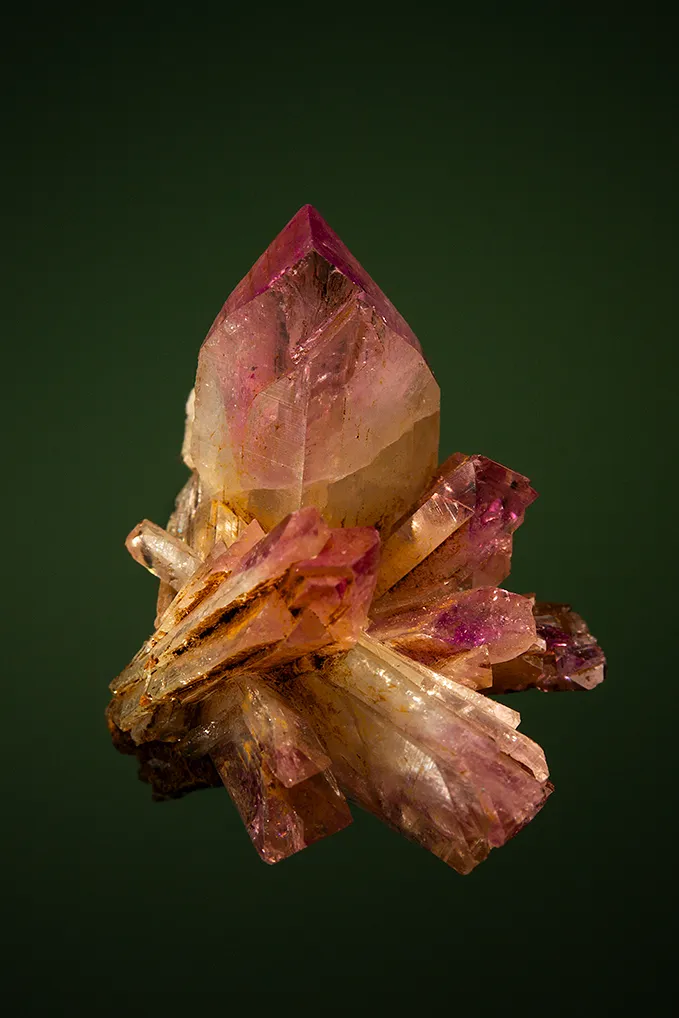
Adamite is a zinc arsenate mineral that commonly forms prismatic to tabular crystals and radiating or acicular aggregates. It typically displays bright green to yellow-green colors and a vitreous to adamantine luster, often occurring in well-formed crystals or tiny, glittering fans in secondary parageneses. Specimens are frequently associated with secondary oxide and sulfide minerals in oxidized ore deposits, and notable localities yield rich, lightly bladed or prismatic crystals that are highly photogenic for collection and display.
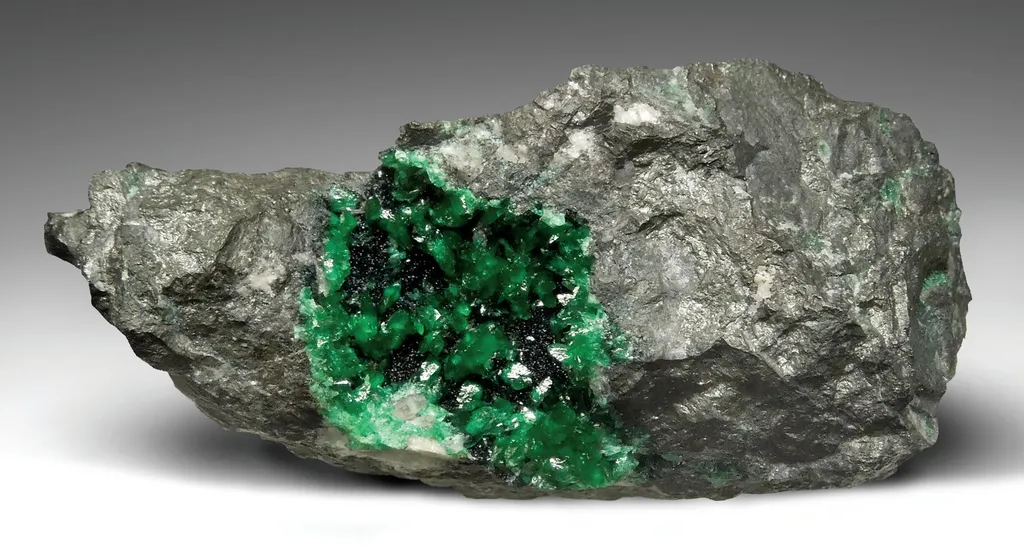
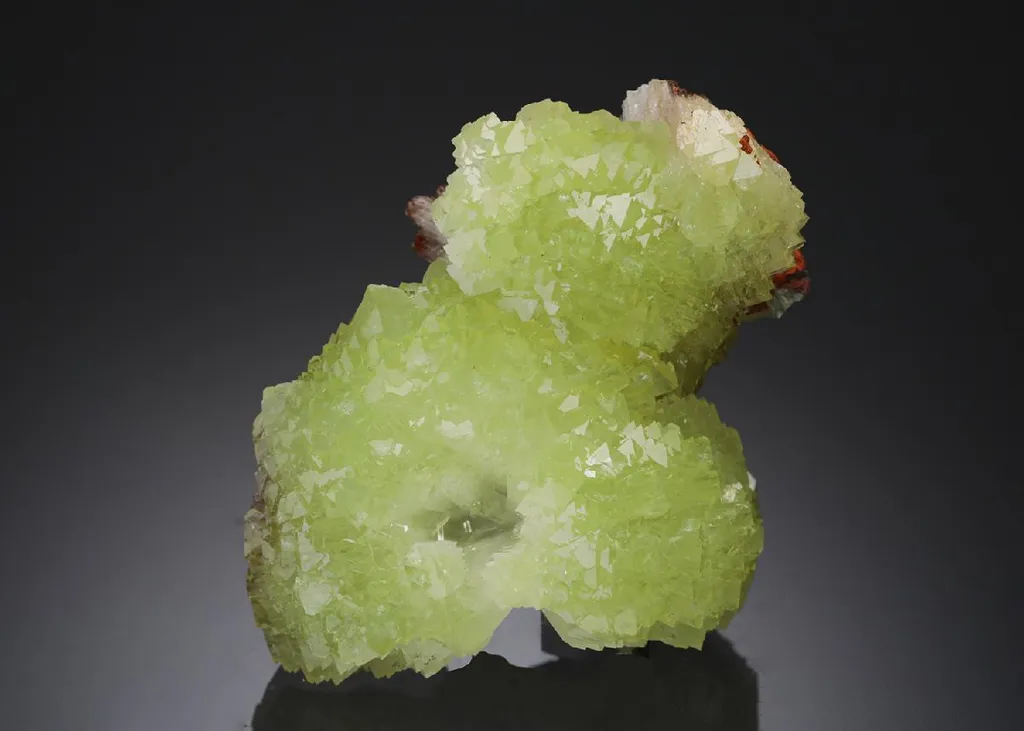
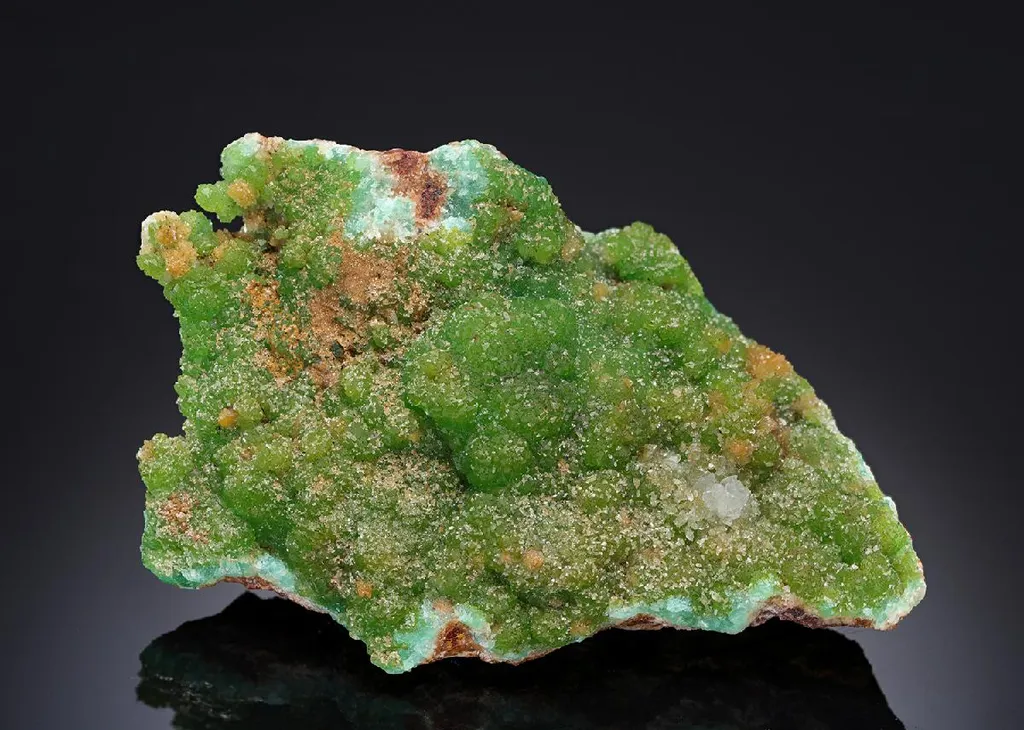
Among the well-known sources are Mexico and Namibia, with classic pockets producing sharp crystals that can be sunlit and highly reflective. Other significant sites include Greece, the United States, and Russia, where adamite occurs in desert varnish or secondary sulfide-rich zones and forms distinctive crystals that enhance display cases. Collectors value adamite for its vibrant coloration, varied crystal habits, and the way light plays on the transparent to translucent faces. Its relative rarity in well-formed crystals and its dramatic bouquet of forms make it a desirable addition to mineral cabinets and display specimens.