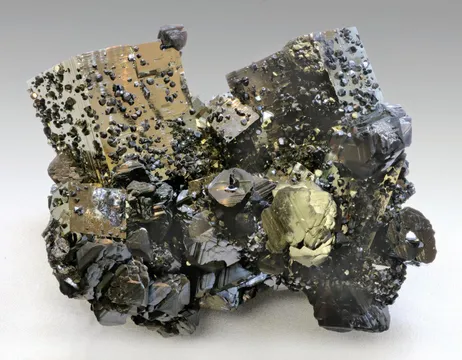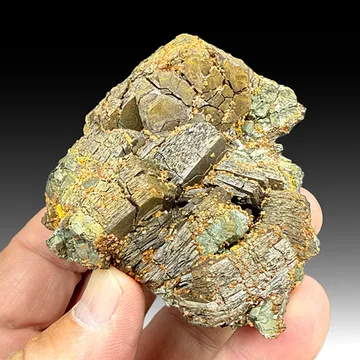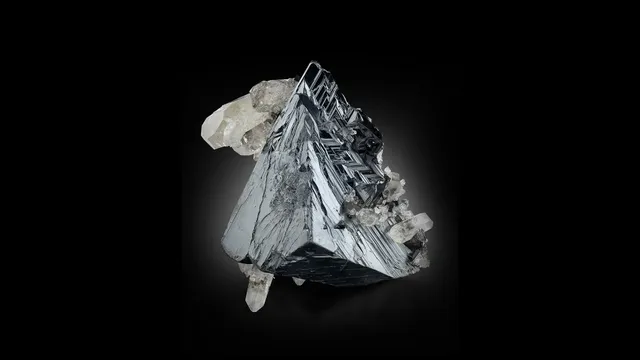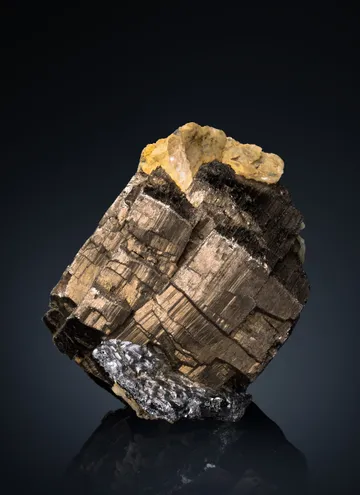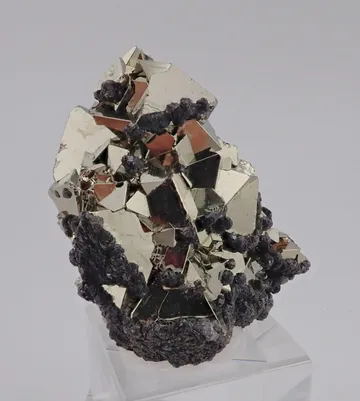
ペルーのワンザラ鉱山 — 黄鉄鉱、蛍石、閃亜鉛鉱、方鉛鉱、石英の優れた産地。パイロッ石は希少で、しばしば偽形として保存される。
Key facts
Huanzala は現代の優れたペルー産標本鉱山のひとつであるが、その黄鉄鉱は鉱山の最も一般的な特徴ではない。コレクターはまず、 brilliantな黄鉄鉱、ピンクから緑への蛍石、黒色の閃鋅鉱、方解石、石英、複雑な硫化物の組み合わせをHuanzala の特徴として知っている。黄鉄鉱が話題に上るのは、Reliquia の作業域からの希少な結晶体として、そしてコレクションでより有名になるのは、黄鉄鉱と arsenopyrite 偽種晶によって保存された“消えた形”としてである。したがって良い Huanzala の「黄鉄鉱」ピースは、新鮮なブロンズ色の黄鉄鉱というよりも、黄鉄鉱の“幽霊”— まっすぐで偽六方形の刃と板が、鉱物自体が部分的または完全に置換されても、以前の鉄硫化物の段階を記録している状態を指すことが多い。

写真: Mineral Auctions
最高の標本は3次元での鉱物学的物語である。元の黄鉄鉱結晶は、現在では輝く黄鉄鉱から成るコンパクトで積層された刃状、偽六方形の形をとることがあり、表面には arsenopyrite が指向性ある噴霧状や網目状のネットワークとして広がる。これらの標本は、普通の Huanzala 黄鉄鉱とはすぐに異なる。より平坦で、より刃のようで、より建築的で、しばしばより繊細に見え、鉱山で有名な黄鉄鉱の大きな八面体ジオメトリクスよりも銀みがかったブロンズ色の薄い輝きを放つ。
地質学的には、このような変換には理想的な設定である。Huanzala は、Santa Formation の炭酸塩岩中にある多金属置換・スカルン関連の系で、石英品位岩により切断・影響を受けている。鉱床は大量の鉄硫化物、鉛-亜鉛鉱石、銅鉱物、銀-錫-タングステン種、そして後の変質組成を生み出した。そうした進化する化学環境の中で、硫黄活量と流体化学が変化すると、低酸化・高温条件下で黄鉄鉱が形成され、その後黄鉄鉱や arsenopyrite によって上書きされることがある。コレクターにとって、元の黄鉄鉱形態がまだ鋭く読める状態の Huanzala 黄鉄鉱は特に魅力的である。
歴史的に、鉱山の標本産出量は並外れている。Huanzala はトン単位の黄鉄鉱を産出しており、長い間ペルーの最も繁栄した標本産地のひとつとして見なされてきた。その豊富さの中で、結晶化した黄鉄鉱自体は少数派の賞品である。Reliquia は Huanzala鉱山複合体の北側の周辺作業であり、覚えておくべき鍵となる名である:黄鉄鉱後の arsenopyrite、黄鉄鉱後の黄鉄鉱、そして1980年代半ばに回収された結晶化黄鉄鉱の少量が特に結びついている。## Featured Specimens
標本検索: ペルー・ワンザラ鉱山産の黄鉄鉱すべてを見る
ワンザラ鉱山はペルーのアンチャス地域、バログネシ県、ウアンラ地区のワンザラ地域にある。古いラベルにはよくDos de Mayo Province, Huánuco Departmentと記されるが、これらのラベルは以前の行政区分を反映しており、古い標本コレクションではいまだに馴染みがある。鉱山はアンデス山脈の高地にあり、ウアンラから車で約11km、リマから北へおよそ250kmの場所にある。現代の座標はおおむね9°52'S、77°00'W付近、標高約4,000mのアンデス地帯に位置する。
本鉱床は炭酸塩岩と礫岩性の沉積岩中に発達した亜鉛-鉛-銅-銀の多金属体系である。主な宿主岩はサンタ層群の石灰岩で、下部にはチム形成の燧岩、上部にはカルフアス形成の砂岩と頁岩が重なる。鉱化帯はサンタ層群に沿って6km以上の長さで伸び、スカルン形成、熱水置換、そして石英斑状岩脈の両側での改変と関連している。鉱山の鉱石と標本の組成はこのハイブリッドな性質を反映しており、初期の高温段ではスカルン鉱物と鉄に富む閃亜鉛鉱が見られ、後期の熱水置換と改変により黄鉄鉱、閃亜鉛鉱、方鉛鉱、黄铜礦、蛍石、石英、方解石、白雲石、セリサイト、および少数のAg-Sn-W-Bi-Te鉱物が豊富に生じている。
ウアンザラでの採鉱史はサン・ホセ・デ・ワンザラの採掘跡に始まり、1721年に発見されその後放棄されたとされる。現代の時代は1964年に始まり、三井金属鉱業がサンタ・ルイサ社(Compañía Minera Santa Luisa S.A.)を通じて探鉱を開始した。地下採掘は1968年に開始。1980年代初頭には日量数百トンの鉱石を生産しており、現在も三井金属鉱業グループのサンタ・ルイサ社の下でペルーの基礎金属鉱山として操業を続けている。現在の生産は亜鉛、鉛、銅の精鉱を中心としている。
標本収集家にとって、ウアンザラは気軽に訪れる野外採集地というよりは、活発な工業鉱山としての性格が強い。アクセスは管理されており、地下の工作跡地は公開採集の対象ではなく、標本の回収は歴史的に鉱夫、鉱山スタッフ、ペルーのディーラー、輸出経路に依存してきた。当地の標本取引は常に強い“鉱山走行”的性格を持っており、鉱坑や生産帯でポケットや有効ゾーンが見つかると標本が現れ、それがすぐにウアンランサ、リマ、ツーソン、欧州ディーラー、大規模な卸売ロットへと迅速に移動していった。Reliquia鉱山エリアはフェライト鉱系のコレクターにとって特に重要です。ReliquiaはHuanzala複合体の北部周辺に位置し、鉱山の中で最も特徴的な種と偽勝層のいくつかを生産しました。硫砒鉄鉱の偽化合物の後の硫鉄鉱、黄鉄鉱の偽化合物、淡い緑からパステルピンクおよび無色の蛍石、黒い方鉄鉱上の真珠光沢のある灰色の湾曲した方解石、そして1980年代半ばにごくわずか産出した結晶化した磁鉄鉱などです。大半のHuanzalaの磁鉄鉱が市場に出回る現在の多くは置換物であるため、古いラベルが説得力のあるReliquia由来の作品は特に高く評価されています。
Huanzalaの最も壮観な標本生産は磁鉄鉱ではなく黄鉄鉱に関与しましたが、これらの黄鉄鉱の発見は重要です。鉱山の評判と市場の歴史を形作ったからです。1988年の正八面体黄鉄鉱の発見は巨大な結晶を生み出し、多くは長さ8–10 cm、エッジ長が約20–25 cmに達する大きな結晶が報告されました。市場には何トンもの標本が流入し、気軽に扱えないほど重いものも含まれていました。その豊富さの中で、真の磁鉄鉱と磁鉄鉱偽化合物ははるかに選択的で、専門的かつ鉱物学的に興味深いものとなっています。## Huanzala Mine, Peru産の pyrrhotite の特徴
Huanzala pyrrhotite is most admired in two related forms: crystallized pyrrhotite and pseudomorphs after pyrrhotite.
Huanzalaのpyrrhotiteは、二つの関連した形態で特に評価されます:結晶状のpyrrhotiteとpyrrhotiteの偽形(pseudomorphs)。
Fresh pyrrhotite, where preserved, should be metallic bronze to brownish bronze, commonly darker and less yellow than pyrite.
保存状態の新鮮なpyrrhotiteは、金属光沢のあるブロンズ色から茶褐色のブロンズ色であるべきで、通常、黄鉄鉱よりも暗く、黄色味が少ないです。
The crystal habit most associated with Huanzala is platy to bladed, with pseudohexagonal outlines. These forms can stack in parallel groups or compact clusters, giving the specimen a layered, architectural look.
Huanzalaと最も関連の深い結晶形は、板状から刃状で、偽六角形の輪郭を持ちます。これらの形は平行なグループとして積み重ねられたり、密集したクラスターを作ったりして、標本に層状で建築的な外観を与えます。
The classic pseudomorph habit is especially distinctive. Pyrite after pyrrhotite may preserve platy pseudohexagonal crystals while replacing the original mineral with brilliant golden pyrite. Arsenopyrite can also replace pyrrhotite, sometimes leaving a reticulated network over a former hexagonal crystal. In the most attractive examples, arsenopyrite needles or short prismatic crystals lie in oriented patterns on the former pyrrhotite surfaces, giving the impression of metallic stitching or spiky horizons along the old blade edges.
古典的な偽形の特徴は特に際立っています。pyrrhotiteの後に産出する黄鉄鉱は、元の鉱物を明るい金色の黄鉄鉱へと置換しつつ板状の偽六角晶を保持することがあります。砒長石(Arsenopyrite)もpyrrhotiteを置換することがあり、時にはかつての六角晶の上に網目状のネットワークを残します。最も魅力的な例では、 arsenopyriteの針状または短い棱柱状結晶が、以前のpyrrhotite表面に向き取りのパターンで配置され、金属的な縫合のような印象や、古い刃端に沿ったとげのある地平線を与えます。
Documented specimen sizes range from thumbnails and miniatures to small-cabinet pieces.
記録されている標本サイズは、サムネイルやミニチュアから小型キャビネット品まで幅広く報告されています。
Individual former pyrrhotite crystals in published and dealer-documented examples reach roughly 3 cm in some arsenopyrite pseudomorphs and up to about 5 cm in pyrite-after-pyrrhotite pieces.
公表例やディーラーの記録された例の個々の元pyrrhotite結晶は、 arsenopyrite偽形の一部で約3 cm、pyrrhotite後の黄鉄鉱の品では約5 cmに達します。
One modern miniature documented by a European dealer has a main pseudohexagonal crystal about 1.8 x 1.6 x 0.4 cm, while an older small-cabinet auction specimen measured 8.3 x 6.1 x 5.0 cm overall.
欧州のディーラーが記録した現代の小型ミニチュアには、主たる偽六角晶が約1.8 x 1.6 x 0.4 cm、古い小型キャビネットのオークション標本は全体で8.3 x 6.1 x 5.0 cmです。
These are not common bulk-market objects; the best examples are usually bought as pseudomorph specimens rather than as ordinary Huanzala pyrite.
これらは一般市場で見つかる物ではなく、最良の例は通常、偽形標本として購入されることが多く、普通の Huanzala 黄鉄鉱としては購入されません。
Associations are a major part of the locality character. Pyrite, arsenopyrite, and quartz are the most consistent companions in documented pyrrhotite-related specimens.
関連物は locality の特徴の大きな部分を占めます。黄鉄鉱、 arsenopyrite、石英が、記録された pyrrhotite 関連標本で最も一貫して共存する伴侶です。
Fluorite, apatite, black sphalerite, dolomite, and other Huanzala sulfides may also appear. The quartz tends to be small, white, waxy to satiny, and prismatic; that fine drusy quartz is one of the visual clues that can help separate Huanzala matrix from superficially similar Peruvian sulfide localities.
蛍石、燐、黒色閃硫銅鉱、重晶石、ドロマイト、その他の Huanzala の硫化物が現れることもあります。石英は小さく白色で、蝋状から光沢があり、柱状です。微細なドロス状の石英は、Huanzalaの基質を、見かけ上類似のペルー産硫化物産地と区別する視覚的手掛かりの一つです。
Black sphalerite gives strong contrast, especially when the specimen carries pale quartz or fluorite.
黒色閃硫銅鉱は強いコントラストを生み出します。特に標本が淡色の石英や蛍石を伴う場合に顕著です。
Quality depends first on the readability of the pyrrhotite form. The sharper the pseudohexagonal outline, the more convincing and collectible the piece. Flat, thick blades with undamaged edges are preferable to ragged masses.
品質はまずpyrrhotiteの形状の読み取りやすさに依存します。偽六角の輪郭が鋭いほど、作品は説得力があり、収集価値が高まります。傷のない平らで厚い刃状は、ボロボロの塊より好まれます。
In pyrite replacements, bright luster and a complete replacement without crumbly surfaces are important.
黄鉄鉱への置換では、明るい光沢と、崩れやすい面がない完全な置換が重要です。
In arsenopyrite replacements, collectors look for complete reticulation, strong sparkle, and oriented arsenopyrite rather than random drusy coverage.
arsenopyrite 置換では、完全な網目状構造、強いきらめき、ランダムなドリュージュ覆いよりも、向きをそろえた arsenopyrite を求めます。
Aesthetic matrix, quartz accents, fluorite, and good three-dimensional spacing can elevate a specimen considerably.
美的なマトリクス、石英のアクセント、蛍石、そして適切な三次元的間隔は、標本をかなり価値の高いものへと引き上げます。最高品質のウァンザラ産黄鉄鉱関連標本は「形の面白い黄鉄鉱」を超えたものです。彼らは一連の発生過程を保持します。まず黄鉄鉱、続いて黄鉄鉱の置換または黄鉄鉱と arsenopyrite の Overgrowth が生じ、それらすべてが広義のウァンザラ硫化物-蛍石-石英環境内にあります。その共伴成長の物語こそ、この産地の魅力の源です。## Collector Notes
主な真正性の問題は用語です。「Huanzala産の黄鉄鉱」として販売されている多くの標本は、実際には黄鉄鉱の後に作られた黄鉄鉱、黄鉄鉱後の砒鉄鉱、または黄鉄鉱の元の形状を保つ偽形の混合集成であることがあります。正確に説明されていればそれは欠陥ではありません。実際、偽形は産地に特有の黄鉄鉱関連標本の中でも最も典型的なものの一つです。しかしラベルは正確であるべきです。「黄鉄鉱 ps. 黄鉄鉱」や「砒鉄鉱後 黄鉄鉱」は、新品の黄鉄鉱とは異なります。
新鮮な黄鉄鉱は現代市場ではHuanzala産の黄鉄鉱よりはるかに希少です。古い文献には1980年代中頃のReliquia鉱山の結晶化した少量の黄鉄鉱についてのみ言及され、偽形に関する後の販売業者のコメントは、未変化の黄鉄鉱がいかにまれにしか見られないかを繰り返し強調しています。Huanzala産の古い来歴を持つ鋭く bronze色で、確実に新鮮な黄鉄鉱結晶は、専門標本として扱うべきで、普通の鉱山由来の材料とは見なされません。
状態は極めて重要です。以前の黄鉄鉱の葉片はエッジの欠けが起こりやすく、置換質感が壊れやすい表面を生み出すことがあります。砒鉄鉱針や網状コーティングは傷つきやすいです。高点と葉片の縁を拡大して確認してください。壊れた偽六角板も興味深い研究標本になり得ますが、コレクター用グレードの例は元の幾何学を明確に保っているべきです。
安定性には注意が必要です。黄鉄鉱は鉄硫化物で、湿った保管環境では多くのコレクターが予想するよりも酸化しやすくなります。標本を乾燥させ、繰り返しの洗浄を避け、密閉された湿気のある環境での保管は避けてください。黄鉄鉱を含む場合は、白色、黄味がかった、または酸性に見える変質物に注意してください。砒鉄鉱が含まれる場合は、不要な酸洗浄を避け、粉塵や損傷した表面を丁寧に扱ってください。
Huanzalaの黄鉄鉱は、しばしば酸で清浄して炭酸塩を除去し硫化物結晶を露出させます。その処理はペルーの黄鉄鉱には歴史的に一般的ですが自動的に不適格とはなりませんが、適切でない中和は亀裂や多孔部に残留物を残す可能性があります。偽形の黄鉄鉱に関連する偽形では、過度の清掃は方鉛鉱を鈍らせ、関連炭酸塩を彫刻し、繊細なコーティングを緩め、または不自然に明るく安定しない表面を残すことがあります。古いラベル、自然のような光沢、化学的臭いまたは粉末状の残留物がない標本が望ましいです。
誤ラベリングは別の懸念事項です。古いHuanzalaのラベルにはHuánucoやDos de Mayoと記されることがあり、現在の参照は現地をAncash州 Bolonesi(Bolognesi Province)としています。その古い表現自体が怪しいというわけではありません。より重要なのは標本が現地性に合致しているかどうかです。黒色の閃亜鉛鉱、小さな白色石英、Huanzala様式の黄鉄鉱の明るさ、蛍石、砒鉄鉱、淡い方解石基質などはHuanzalaの帰属を支持します。反対に、一般的な「ペルー」産黄鉄鉱、黄鉄鉱の彫刻、または他区の黄鉄鉱は、証拠がない限りHuanzalaへ昇格すべきではありません。市場は不均一です。一般的なワンザラ産パイライトは入手可能ですが、良質な黄鉄鉛偽斑は断続的にしか現れず、通常は偽斑を専門とする収集家、ペルーの定番品、または硫化物の斑託型収集家に吸収されます。鋭い元々の黄鉄鉛 blades を持つミニチュアは、欠けた大きなプレートよりも望まれることが多いです。鋭い偽六方晶形、アルセノペリite の配置、石英や蛍石のアクセント、古い産地情報を組み合わせた標本こそ追求すべきものです。## Stories & Field Notes
Huanzala’s specimen trade has always had the flavor of a high-Andean mineral bazaar operating in the shadow of a serious industrial mine. When mineral buyers were known to be in residence, women would gather around them calling out the day’s offerings: “I have good Chispas today,” “I have cocos today,” “I have cuadros today,” and “I have triangulos today.” The vocabulary was a local market language for pyrite—sparkling chispas, pyritohedral cocos, cubic cuadros, and octahedral triangulos. One account compared the shouting to the sound of the stock market, each person announcing what her “stock” was doing that day.
The best specimens were not always sitting on tables. Miners living in dirt-floored houses sometimes buried their finest pyrites beneath the floor and dug them up only when a trusted buyer appeared. In 1991, one buyer arrived at about 2 a.m.—an hour that made sense because specimen selling at the mine was not permitted. The miner was drunk but able to work. He dug into the floor until the shovel went “ting” against the hidden pyrite. When the dirt was brushed away, the important crystal areas were still intact. Three large pieces emerged, the biggest about 30 kg. A deal was made quickly, before police could arrive, and then came the practical problem: how to move that much pyrite out of Huanzala in the middle of the night. A storekeeper with a three-wheeled bicycle was found. The pyrite went into the front basket, burlap went over the crystals, and the load was hand-wheeled up the road in the dark.
At shift changes during the height of chispas production, miners came out with specially sewn knapsacks packed with pyrite. Each could carry around 50 kg. The men were coated head to foot in black pyrite dust, looking more like coal miners than Andean base-metal miners. They were working in what one account called a totally pyritic environment. A single shift could bring out a ton or more of specimen pyrite, quickly sorted by size and price, and then swallowed by the world market. Since about 1989, that flood of chispas pyrite declined sharply.
The great 1988 pyrite find began almost deceptively. A buyer in Lima thought he had purchased the tail end of an outstanding pocket of octahedral pyrite clusters. Instead, those first specimens were only the beginning. The mine went on strike, and while normal ore work was interrupted, miners and local men had more time to collect. Material poured out until about mid-December. The crystals were huge: average octahedra of 8–10 cm, a largest measured edge of about 20 cm seen in Lima, and reports of a specimen around 150 kg that one dealer declined because the quality was not high enough. As many as 100 pieces may have weighed 50 kg or more. The find was too large-crystalled for thumbnails; even good small-cabinet pieces were scarce. Some pieces had lustrous angular growth pits, some carried drusy quartz, and some showed fractured and rehealed pyrite.これらの話は主に黄鉄鉛鉱(パイライト)に関するものですが、ワンザラ産パイロット鉱の重要な背景を成しています。なぜ通常のワンザラ産パイライトが豊富で、パイロト石の偽結晶が特別であるのかを説明しています。大量のパイライトを排出できる鉱山で、Reliquia産の鋭い偽六方晶系パイロット鉱形態—特にパイライトへと変換され、ヒ素鉄を縫い合わせられたもの—は、はるかに狭く、鉱物学的に微妙な生産の流れに属します。## 鉱物学的記録と刊行物- 夷崎浩一, 大川順之介, 田上幸吉著,“ペルー・ワンザラ鉱床の地質特徴,” Mining Geology, 23巻, no. 120, 265–274, 1973 — Mitsuiの探鉱、1968年の操業開始、層位境界鉱床特徴、黄鐵礬化帯、主な硫化物-伴生鉱物群について記述した初期現代地質論文。
福羽義正, 相川清, Kawasaki Masashi, “Huanzala鉱山の地質と鉱床 — 鉱物学的研究,” Mining Geology, 30巻, no. 160, 103–117, 1980 — Huanzala Pb-Znと Cu 銅鉱を、ピライト相、スカルン相、そして“白地”改変タイプに分ける重要な鉱物学的分類。
今井秀樹, Kawasaki Masashi, Yamaguchi Mitsuo, Takahashi Mikio, “Huanzala鉱山の鉱化と共生作用,中央ペルー,” Economic Geology, 80巻, no. 2, 461–478, 1985 — 鉱床の主要な共生論文で、Huanzalaの鉱物出現(ピロット鉱を含む)について何度も引用される。
今井秀樹, “酸性硫酸塩型の基礎金属鉱床の鉱化と長石黒雲母型と共存する変質域,” Resource Geology, 49巻, no. 3, 147–156, 1999 — Huanzalaを共存改変と鉱液系の文脈で論じ、黄鉄鉱-黄鉄鉛の関係と温度進化を含む。
鈴木祐樹, 林本健一郎, “Huanzala鉱床の鉱物学、流体包有物、硫黄同位体:初期スカルンと後期多金属置換様式の鉱物化,” Resource Geology, 69巻, no. 3, 249–269, 2019 — 初期のブラインサ、スカルン、置換鉱化、黄鉄鉱-黄鉄鉛の安定性経路を結ぶ現代的な流体包有物と硫黄同位体研究。
Jack A. Crowley, Terry Szenics, and Rock H. Currier, “The Raura-Huanzala Group,” The Mineralogical Record, 28巻, no. 4, 1997 — Huanzala標本の必読コレクター文献、Reliquia、黄鉄鉱の黄鉄鉛後、 arsenopyrite後、チスパス・黄鉄鉱、そして市場歴史を含む。
Mindat Huanzala鉱山の現地情報ページ — 現在の現地情報体系、座標、鉱物リスト、参考文献、行政メモ、写真データベース。
Mindat Huanzala鉱山の黄鉄鉱の出現ページ — 黄鉄鉱の特定出現レコード、写真データに記載された共生鉱物と主な参考文献。
Mindat 写真 243258: Huanzala鉱山の砒鉄鉱、黄鉄鉱、黄鉄鉛at.org/photo-243258.html) — 石英化物後のアーセノファイトを示す6.2 x 6.1 x 3.1 cm の標本、以前は六方晶のパイロット石の結晶が 3.1 cm まで含まれていました。
宮脇亮, 横山健, 松原聖, 古田博, 後見安, 村上玲子, “Huanzalaite, MgWO4, ペルーのHuanzala鉱山からの新鉱物種,” The Canadian Mineralogist, 48, no. 1, 105–112, 2010 — パイロット石の論文ではないが、Huanzalaが標準産地としての地位を確立し、複金属鉱物系統にとって重要である。## Videos & Media
“Pyrite after Pyrrhotite” specimen video — Weinrich Minerals — WeinrichのHuanzalaの置換体「pyrite-after-pyrrhotite」リストに掲載された短い標本動画で、置換標本の三次元形状と光沢を確認するのに有用です。