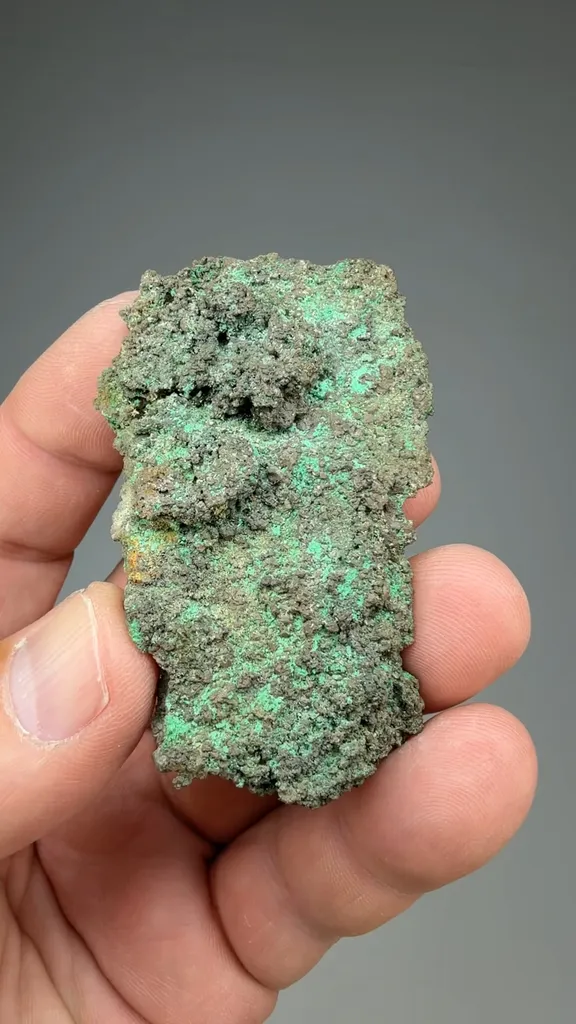
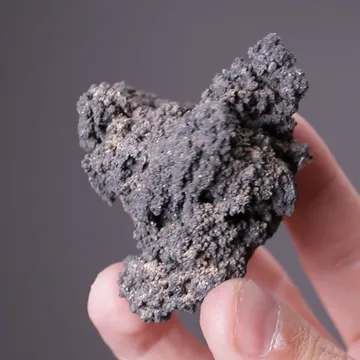
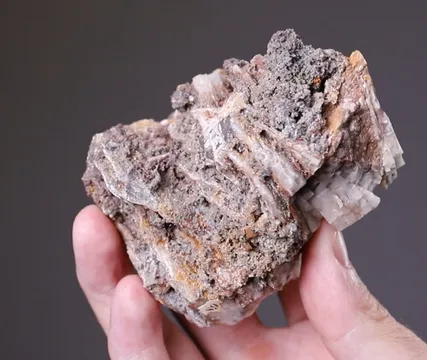
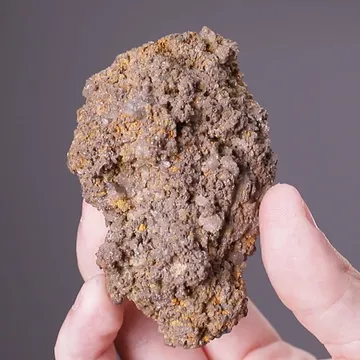
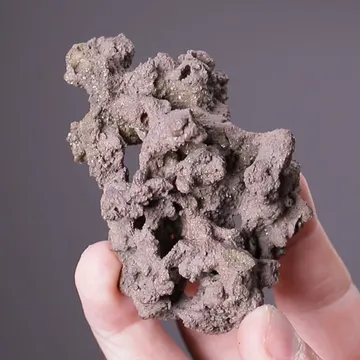
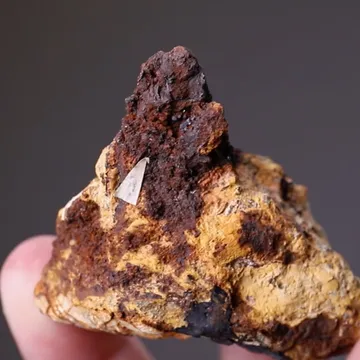
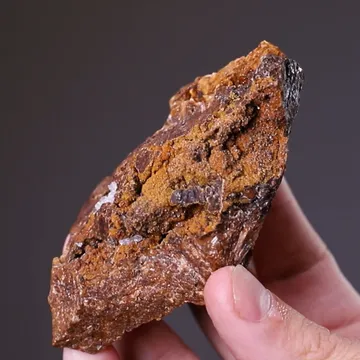
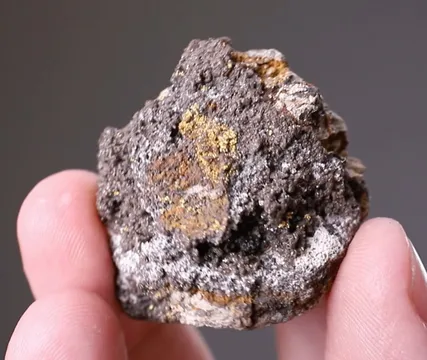
Rich crystallized pyrargyrite covering most of the top of matrix with minor malachite. Exceptionally fine for this species at this old locality. The specimen comes with several previous labels as shown at the end of the video.
The Chanarcillo mining district, located south of Copiapo in the Atacama Desert of northern Chile, was an extraordinarily rich silver-producing center exploited through dozens of deep underground shafts, adits, and hand-dug tunnels. Geologically, the deposit is a classic example of a carbonate-hosted, intrusion-related vein system where Lower Cretaceous-age marine limestones and interbedded volcanic tuffs were fractured by regional faulting and subsequently cut by mineralizing hydrothermal fluids. These fluid pathways formed thick, vertical veins where near-surface supergene enrichment processes concentrated the ore into spectacular zones of native silver, bromargyrite, chlorargyrite, and acanthite within a gangue of calcite and barite. Historically, the district was discovered in May 1832 by a local woodcutter named Juan Godoy, triggering a massive silver rush that transformed the Chilean economy and funded the nation's first railway line. Iconic mines across the district, such as the Descubridora, Delirio, and Constancia, maintained highly continuous, intensive underground operations throughout the mid-nineteenth century, with peak production occurring between 1840 and 1860. Commercial extraction entered a permanent decline by the late 1870s as the deep workings hit the lower limit of the enriched supergene zone and faced severe groundwater flooding issues, leading to widespread closures by the 1890s.



 Ships from USA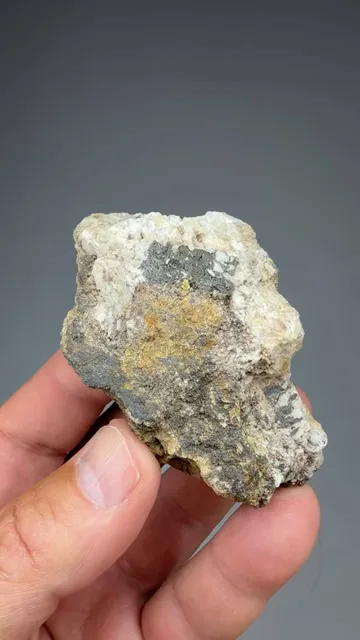
Comments