$440Median
3Sold (12 mo)
$250Last sale
22 for sale · $75–$9,500 USD
57 in the gallery
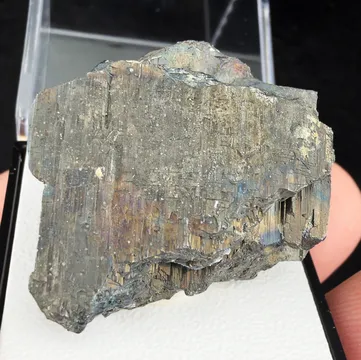
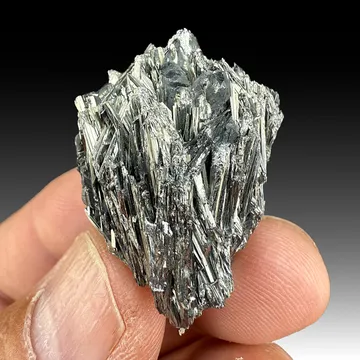
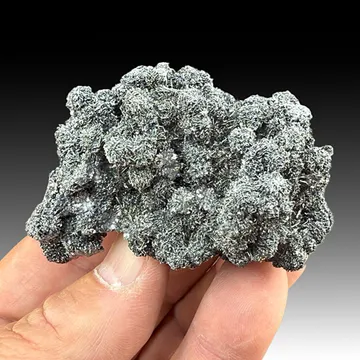
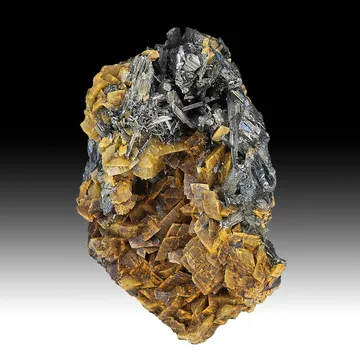
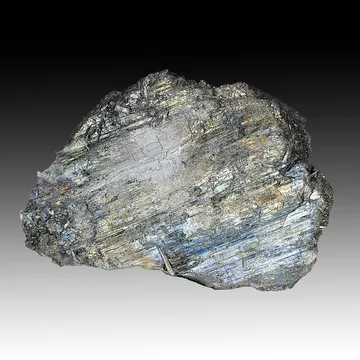
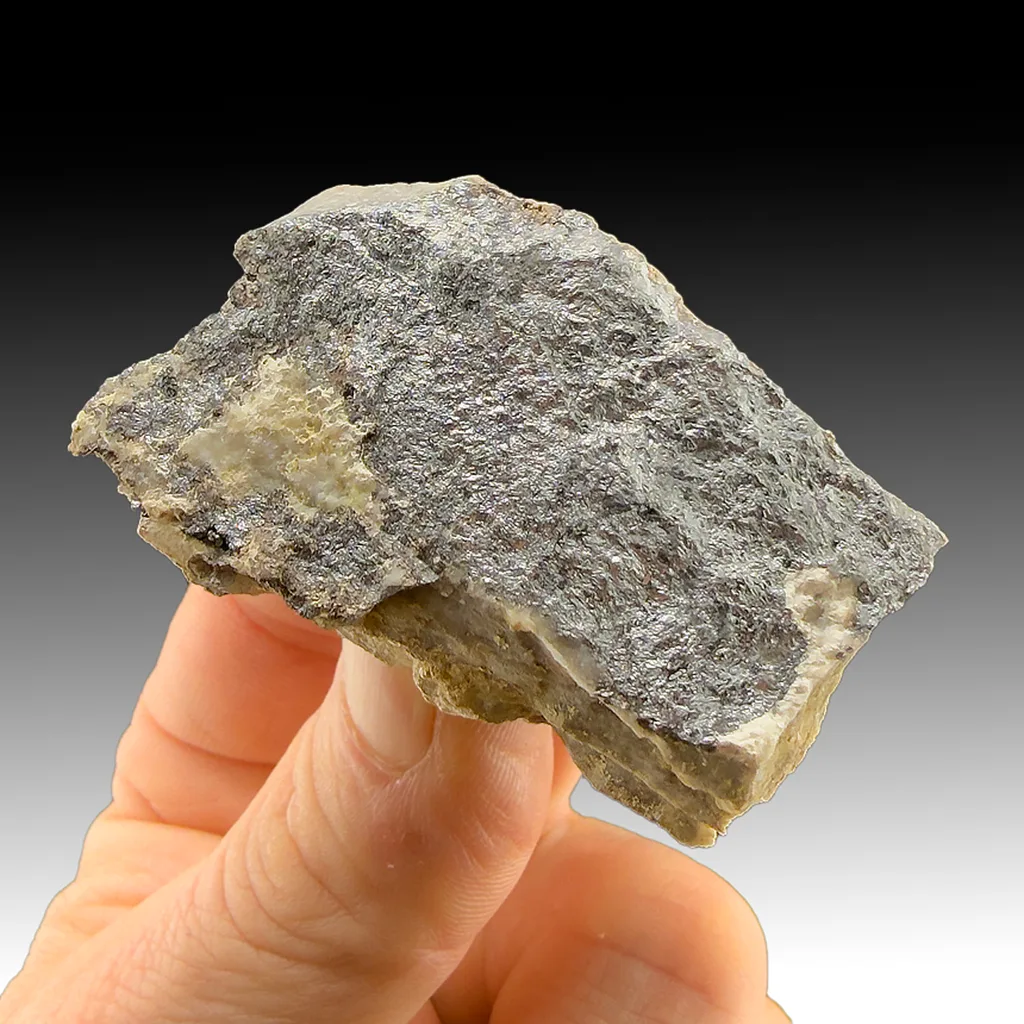
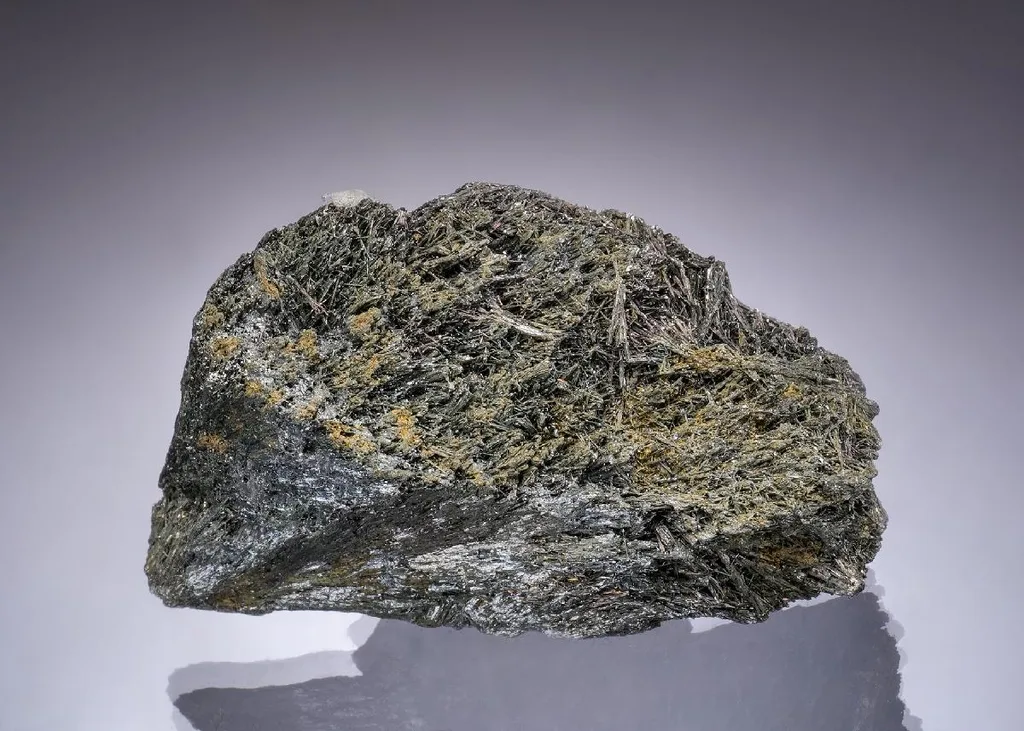
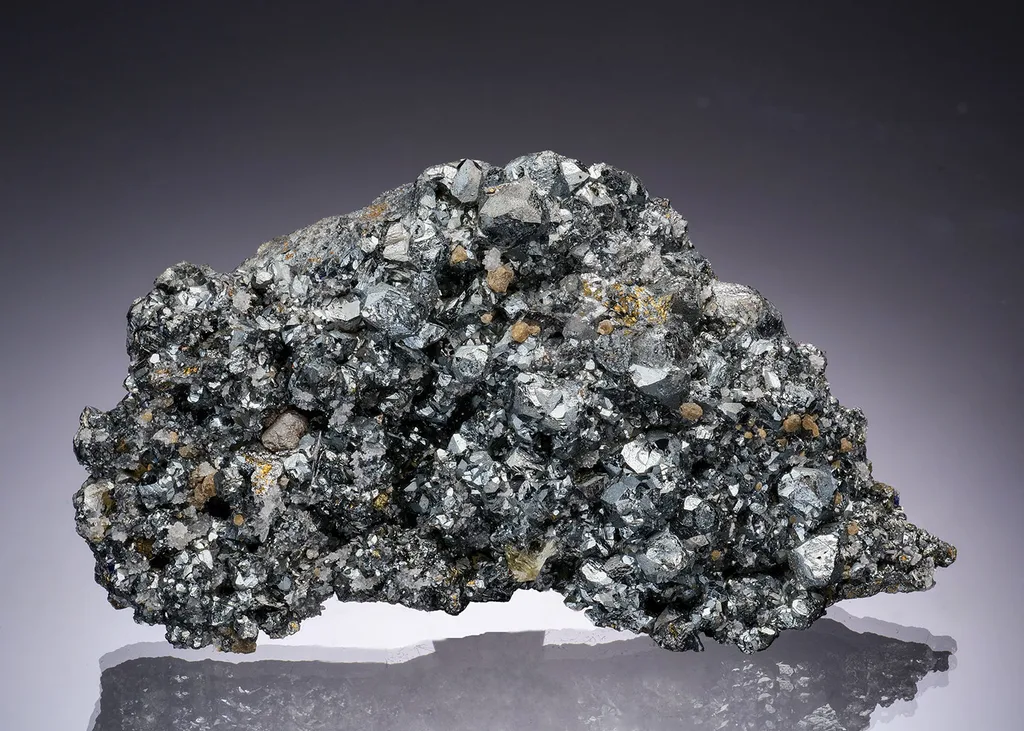
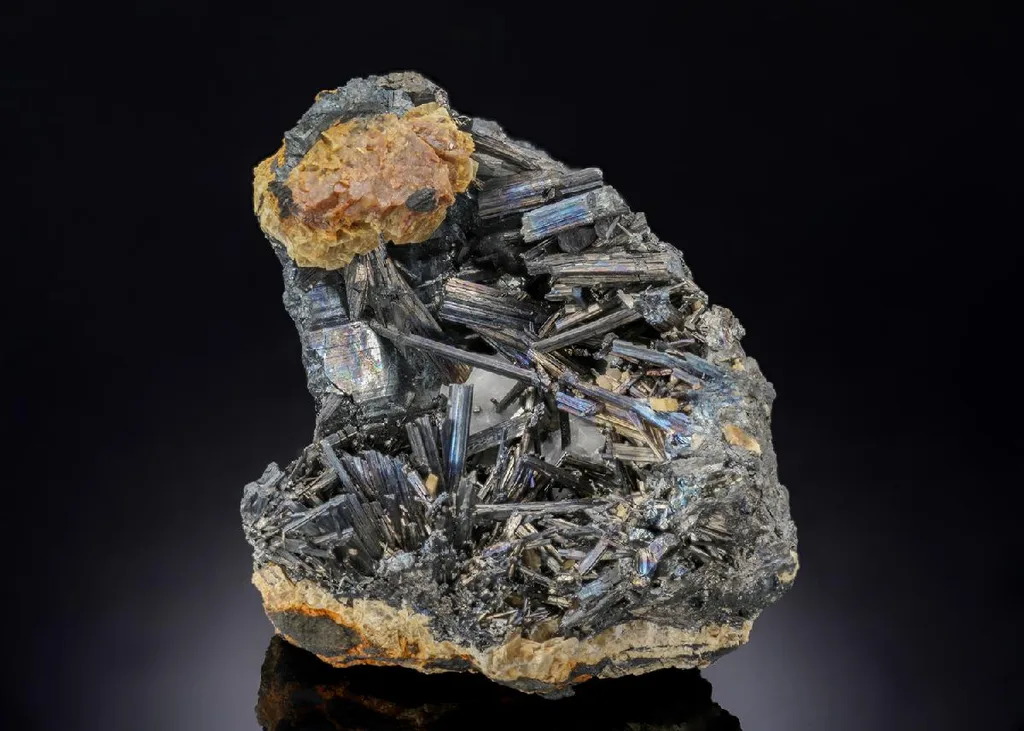
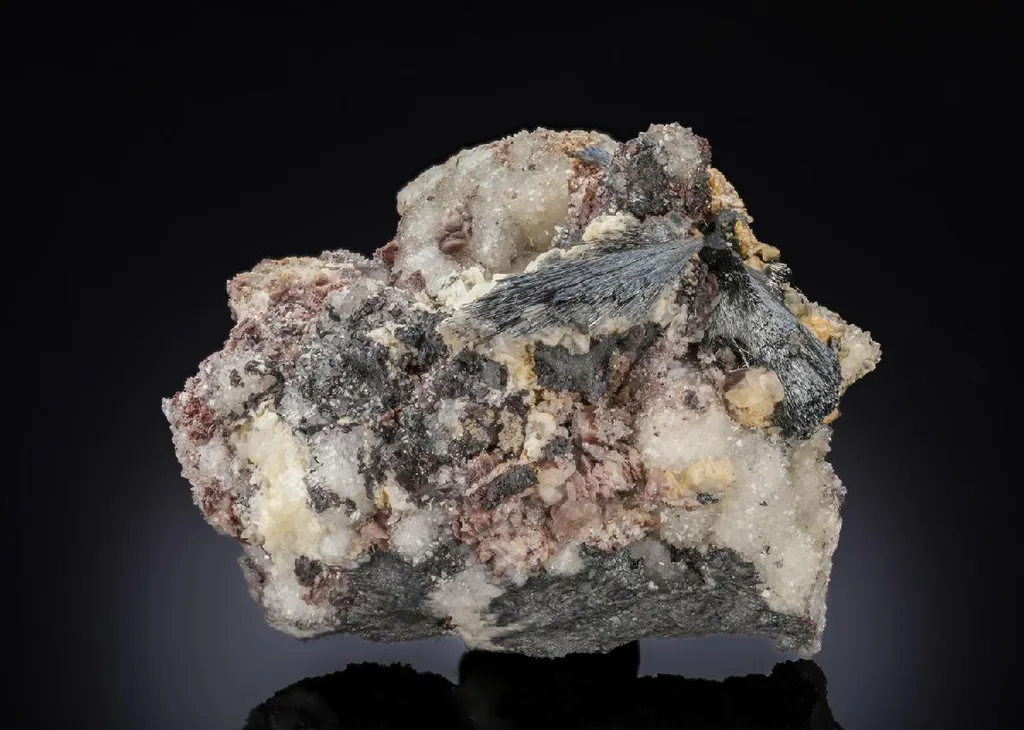
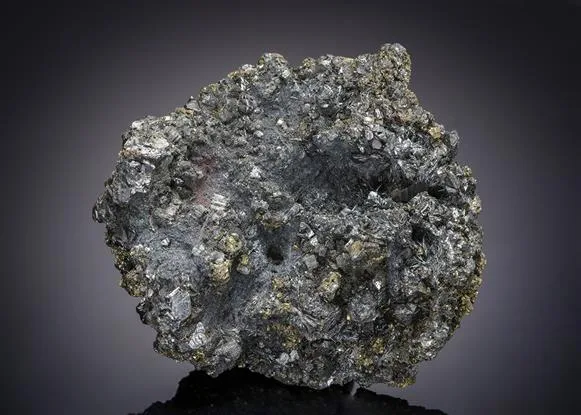
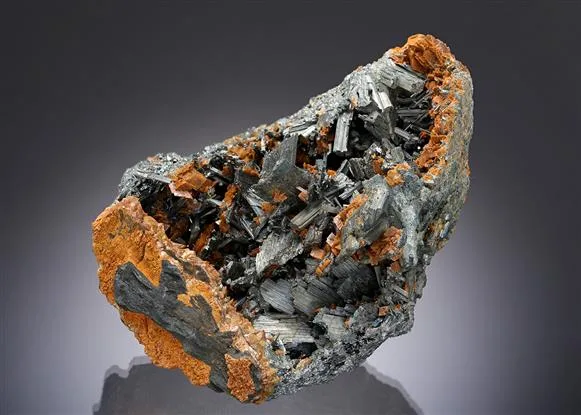
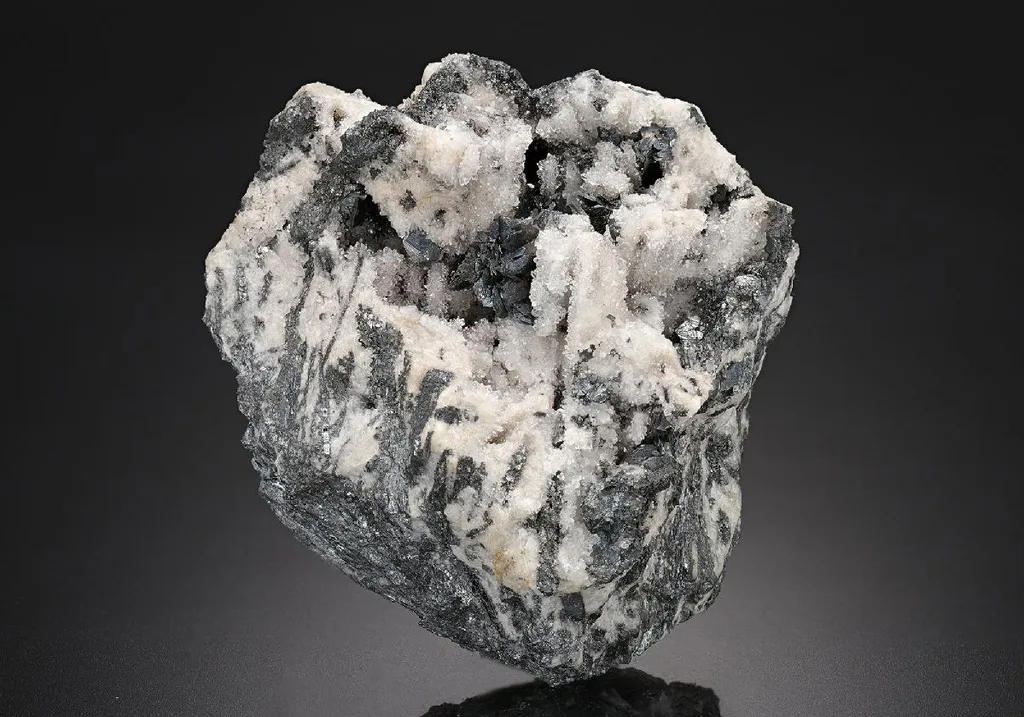
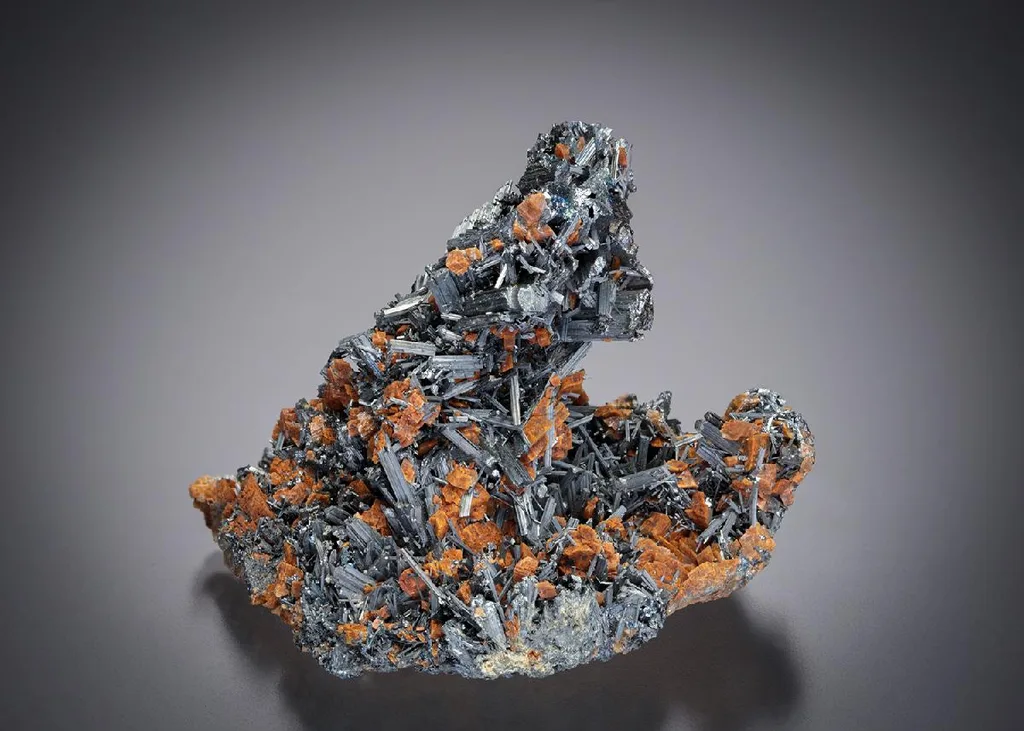
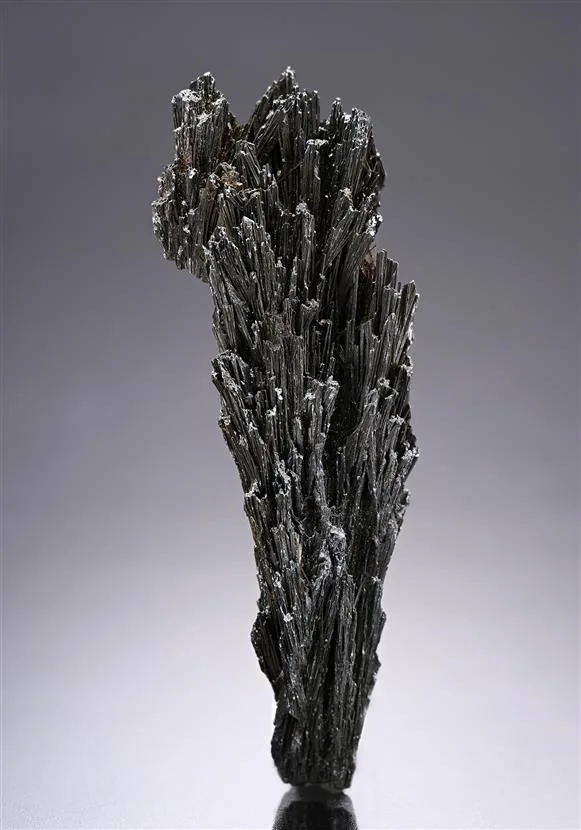
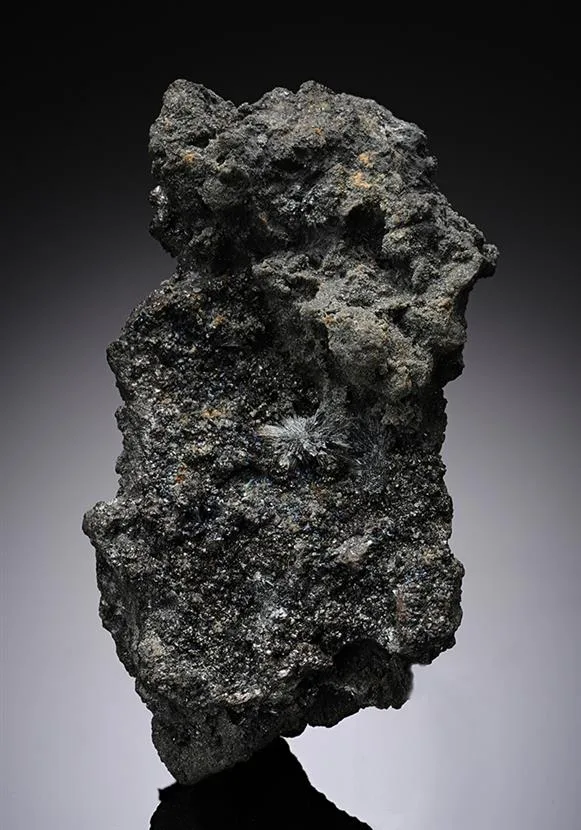
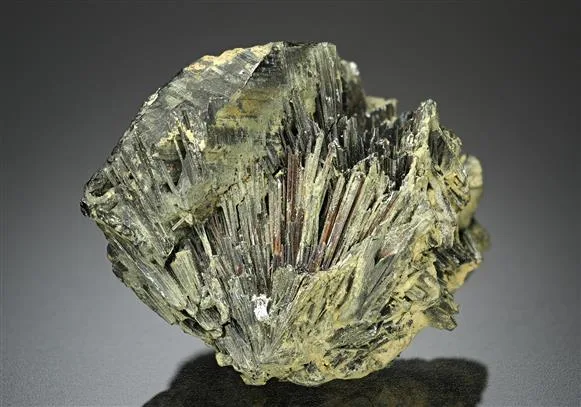
Zinkenite is a lead antimony sulfide mineral that forms in metallic, gray to black crystals with a silvery to submetallic lustre. It commonly occurs as tabular to needle-like or elongated prisms that can form branched aggregates, sometimes showing a slight dull to adamantine shine. The mineral often occurs with other sulfides in hydrothermal veins, and its crystals frequently display a distinctive metallic surface that highlights its complex crystal habits. Notable localities include Bolivia and Romania, where iron- and sulfur-rich hydrothermal environments yield well-formed specimens, as well as classic occurrences in Austria, Germany, and France that have long supplied mineral collectors with crisp, lustrous crystals.
Collectors prize zinkenite for its crisp, reflective surfaces and intricate aggregate formations, which reveal sharp edges and unusual morphologies under good lighting. The mineral’s rarity, combined with its striking metallic appearance and orange-brown accompanying minerals in some associations, makes well-formed specimens appealing for display and study. As with many sulfides, careful handling and proper storage help preserve its surface lustre and crystalline detail, contributing to its status as a sought-after piece in well-curated mineral collections.