
Guide

16 for sale · $115–$3,000 USD
198 in the gallery
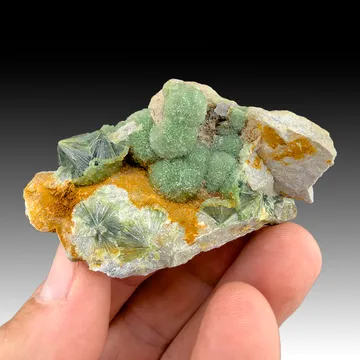
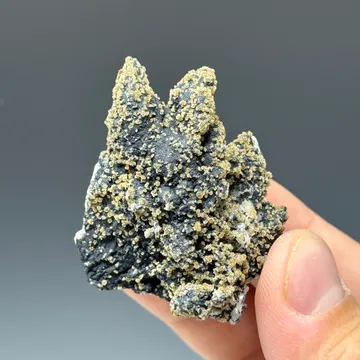
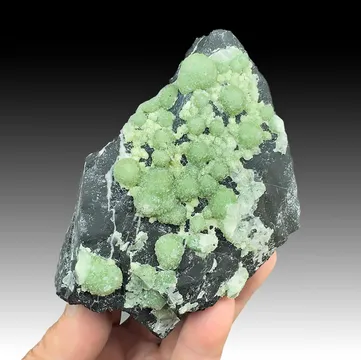
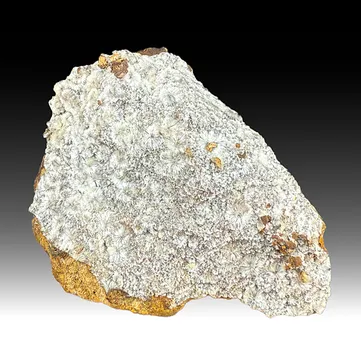
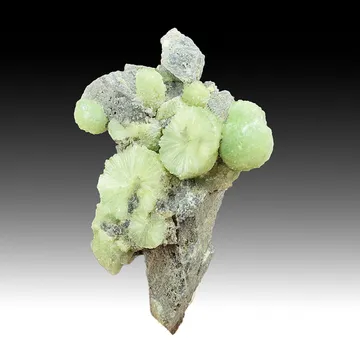
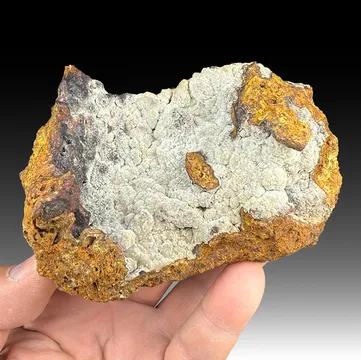
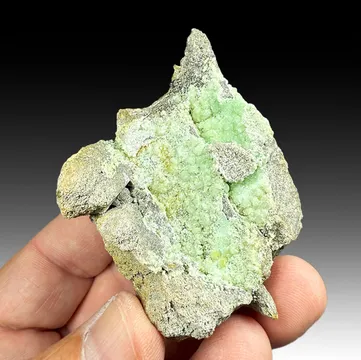
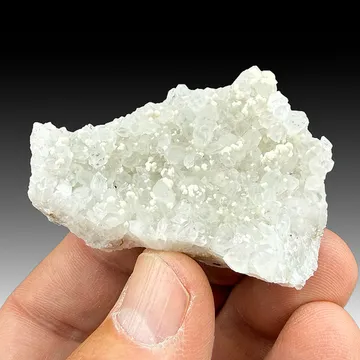
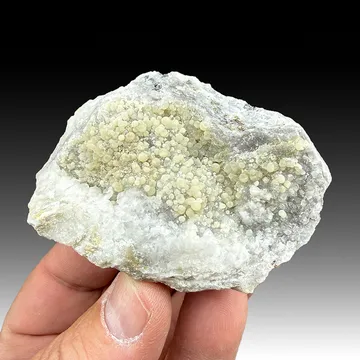
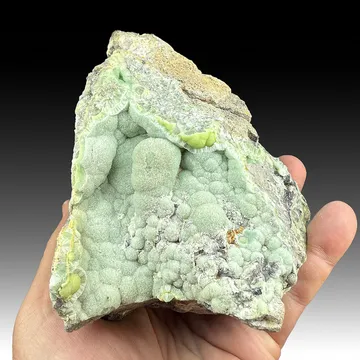
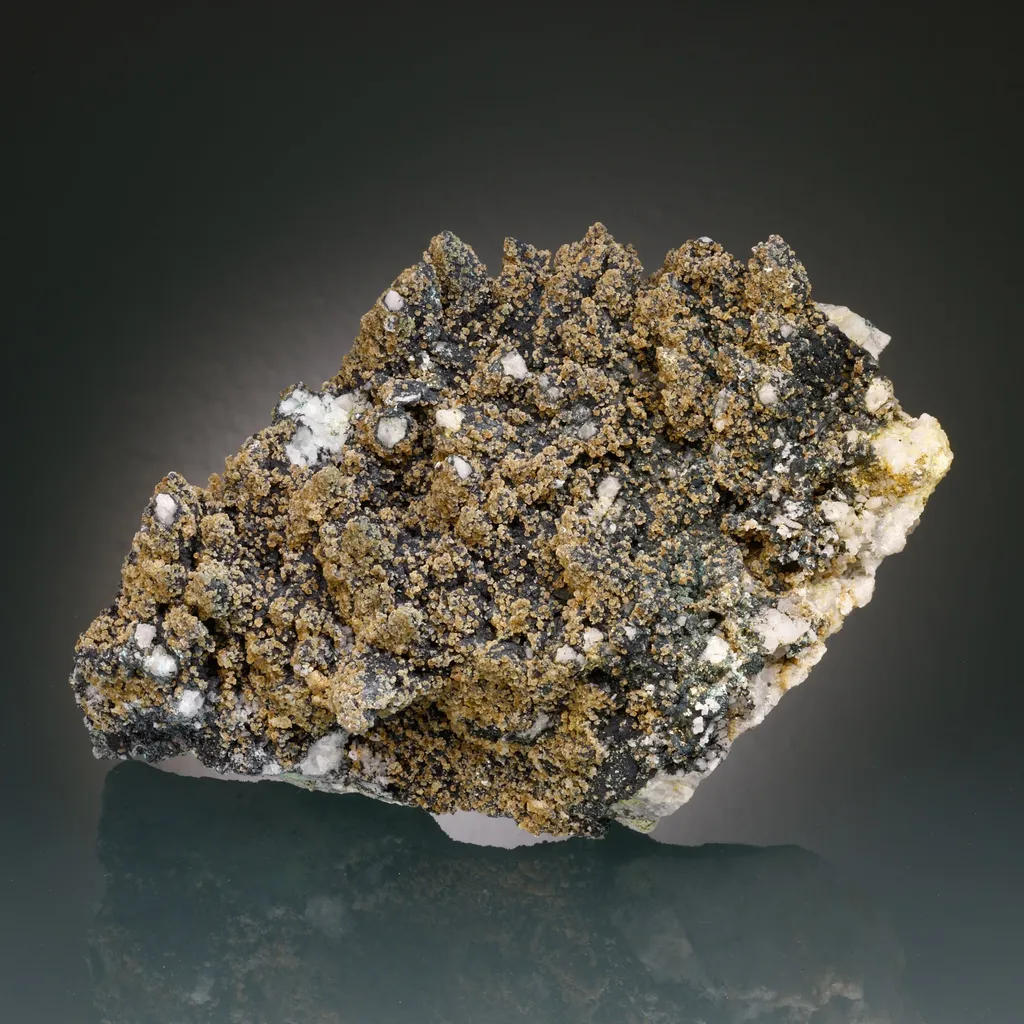
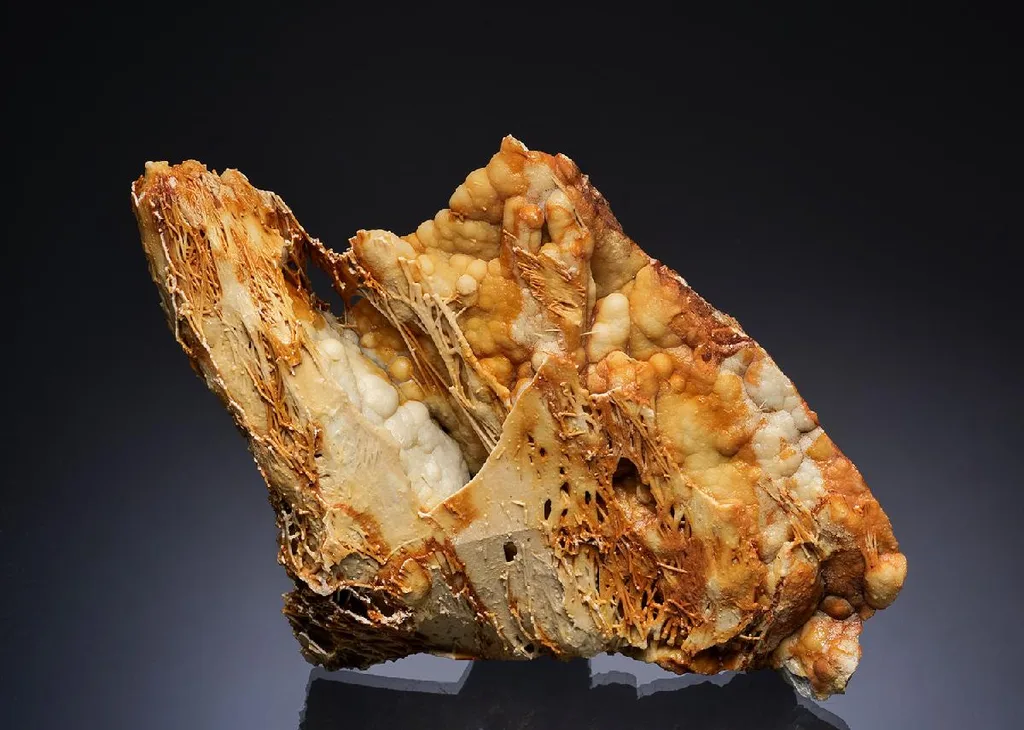
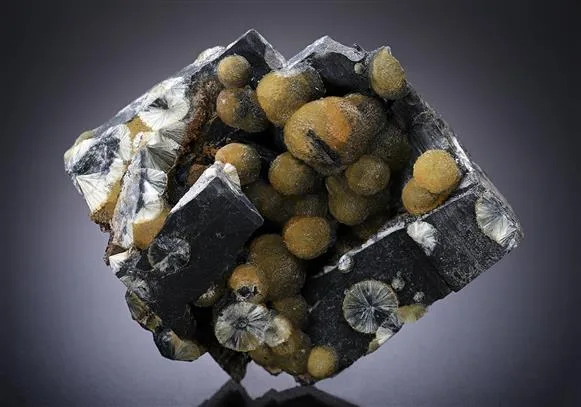
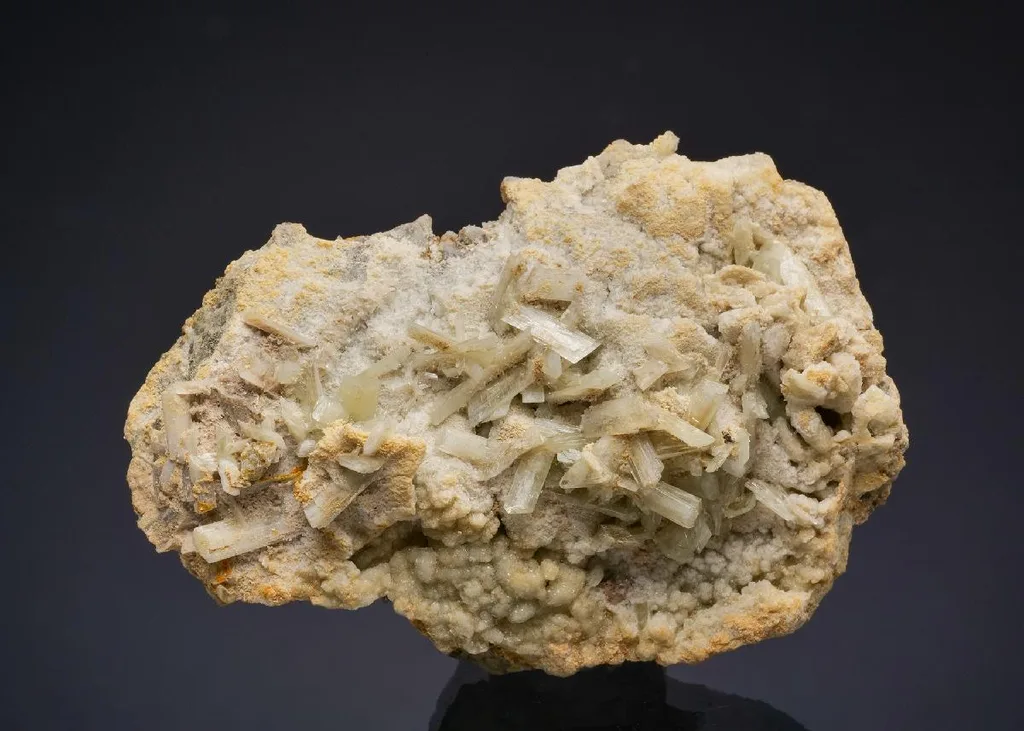
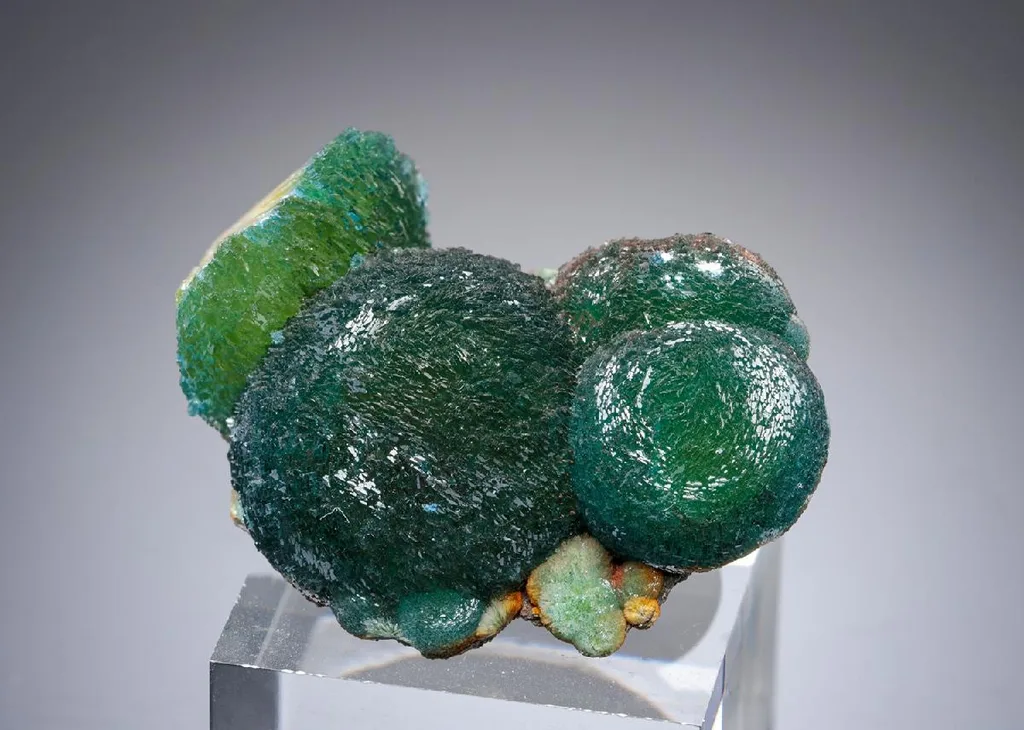
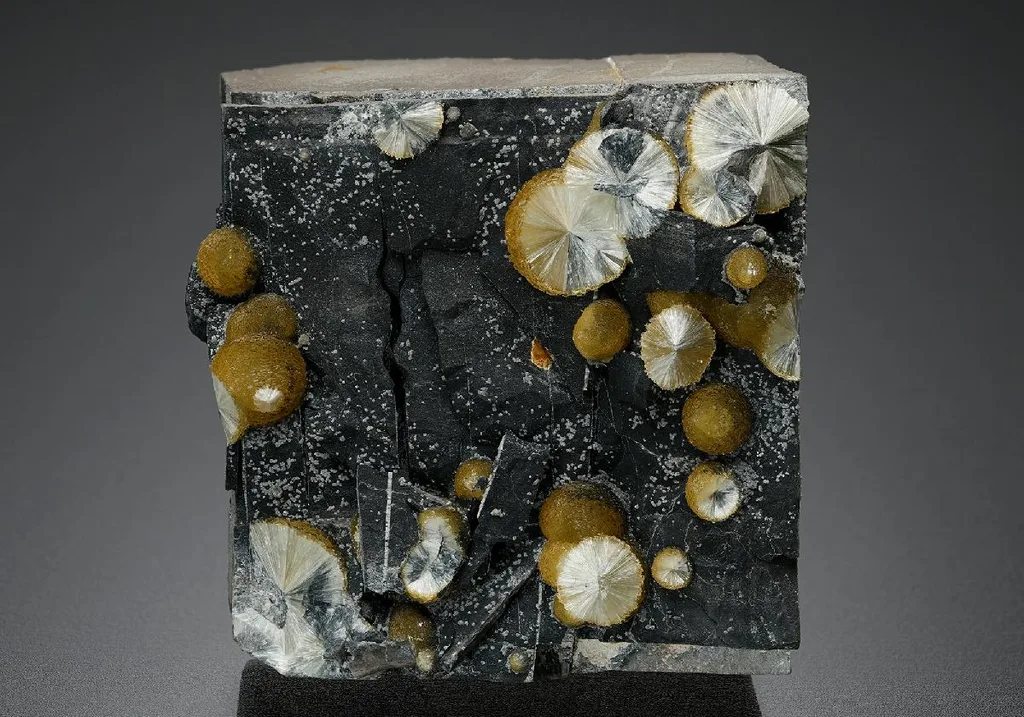
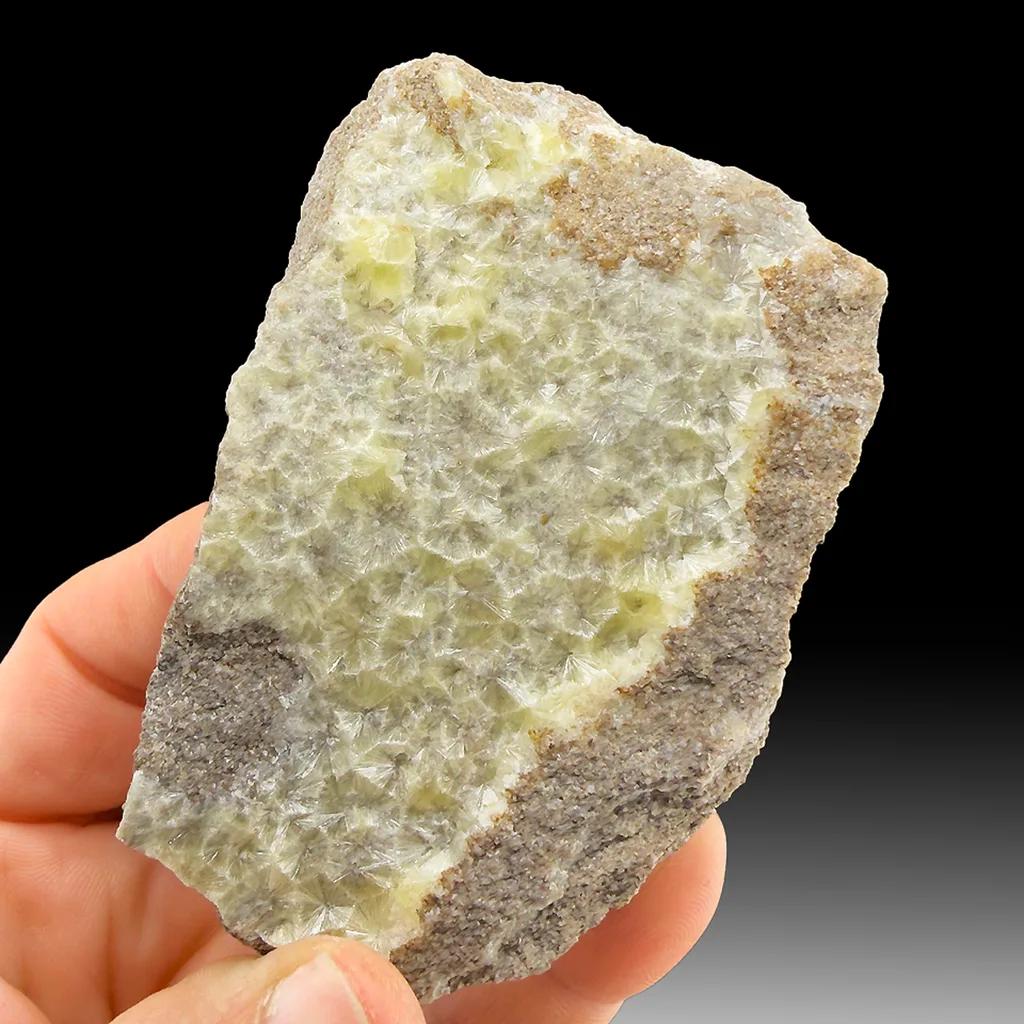
Wavellite is a hydrous phosphate mineral that forms as radiating, often botryoidal or acicular aggregates. It typically displays a yellow-green to green color and a vitreous to pearly lustre, with crystals arranged in fan-like or needle-like groups that can create striking textures. The mineral commonly occurs in secondary phosphate veins and nodules within alkaline rocks and pegmatites, and its well-formed radiating crystals are a hallmark of its appearance.
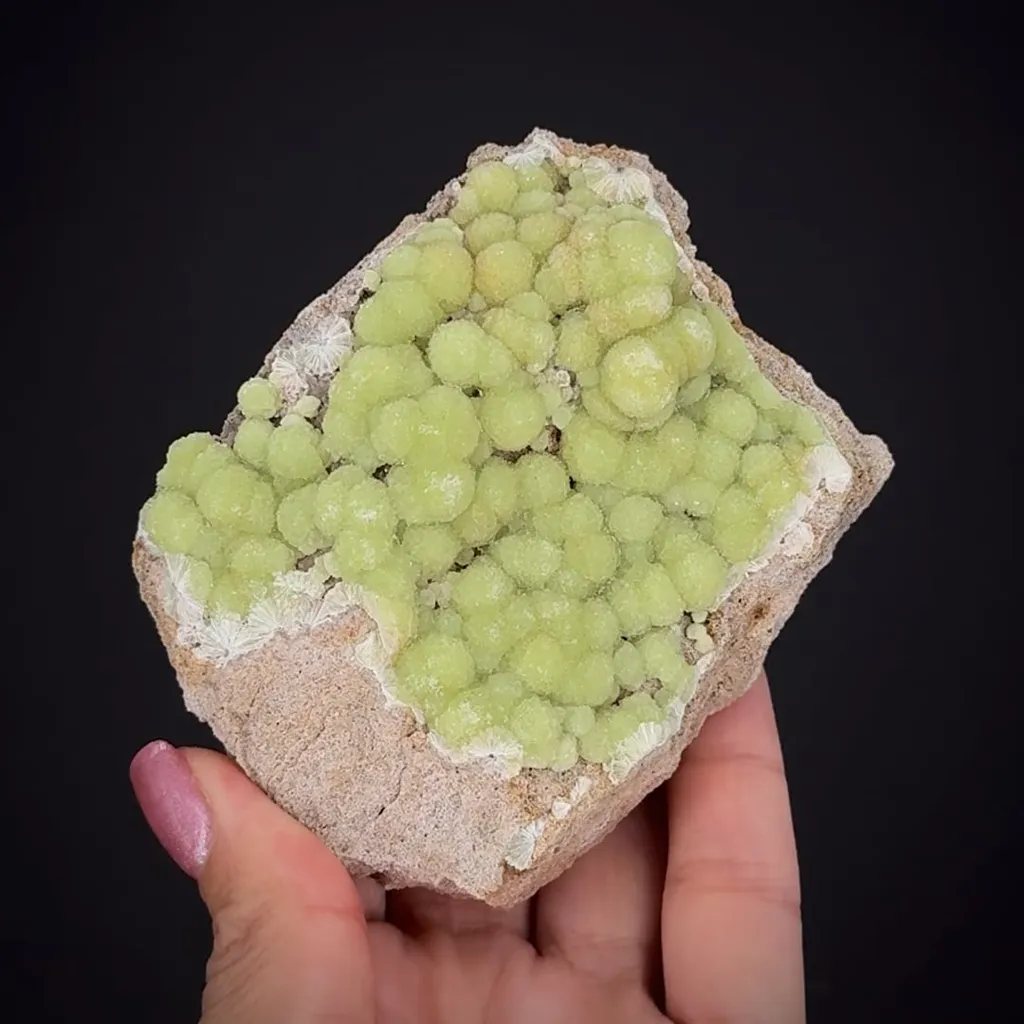
Notable specimens have come from a number of classic localities, including Bolivia, the United Kingdom, and the United States, with other important sources reported in Australia and Germany. These locations yield wavellite in vivid hues and intricate growth patterns, making attractive display pieces and subjects for careful crystallographic study. Collectors prize wavellite for its bright color, variety of habit, and the way it fills cavities and fractures, producing characteristic starburst or feather-like clusters that photograph well under good light.