

Guide
81 for sale · $17–$3,500 USD
200 in the gallery
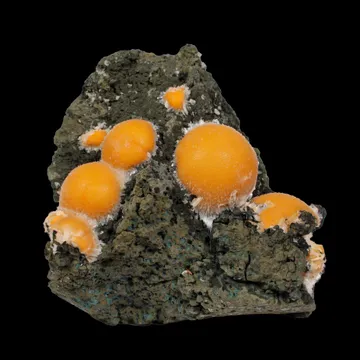
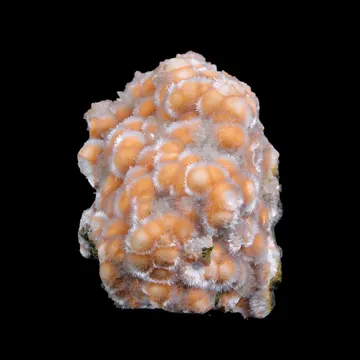
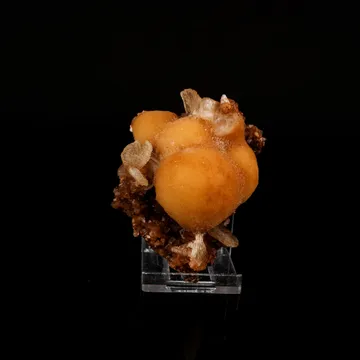
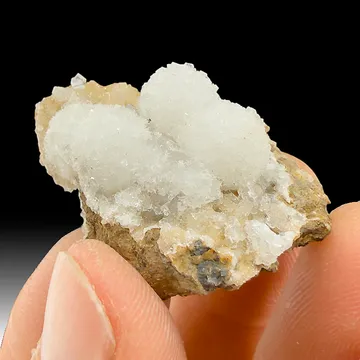
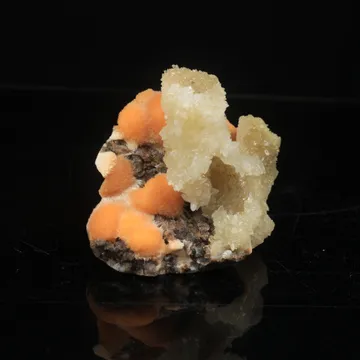
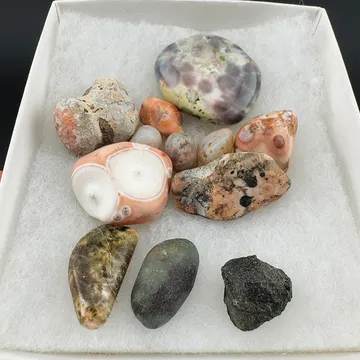
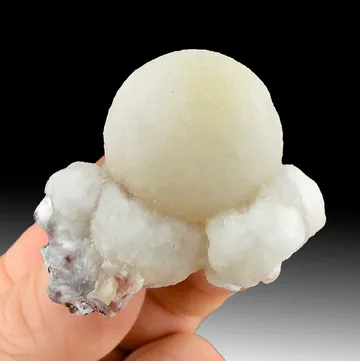
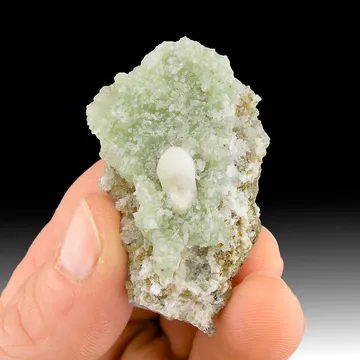
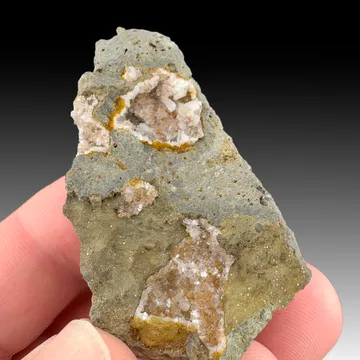
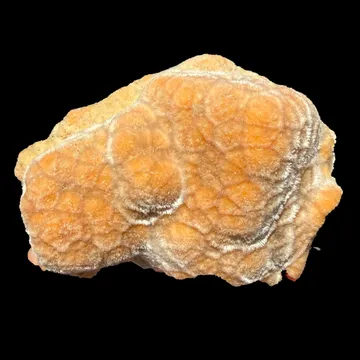
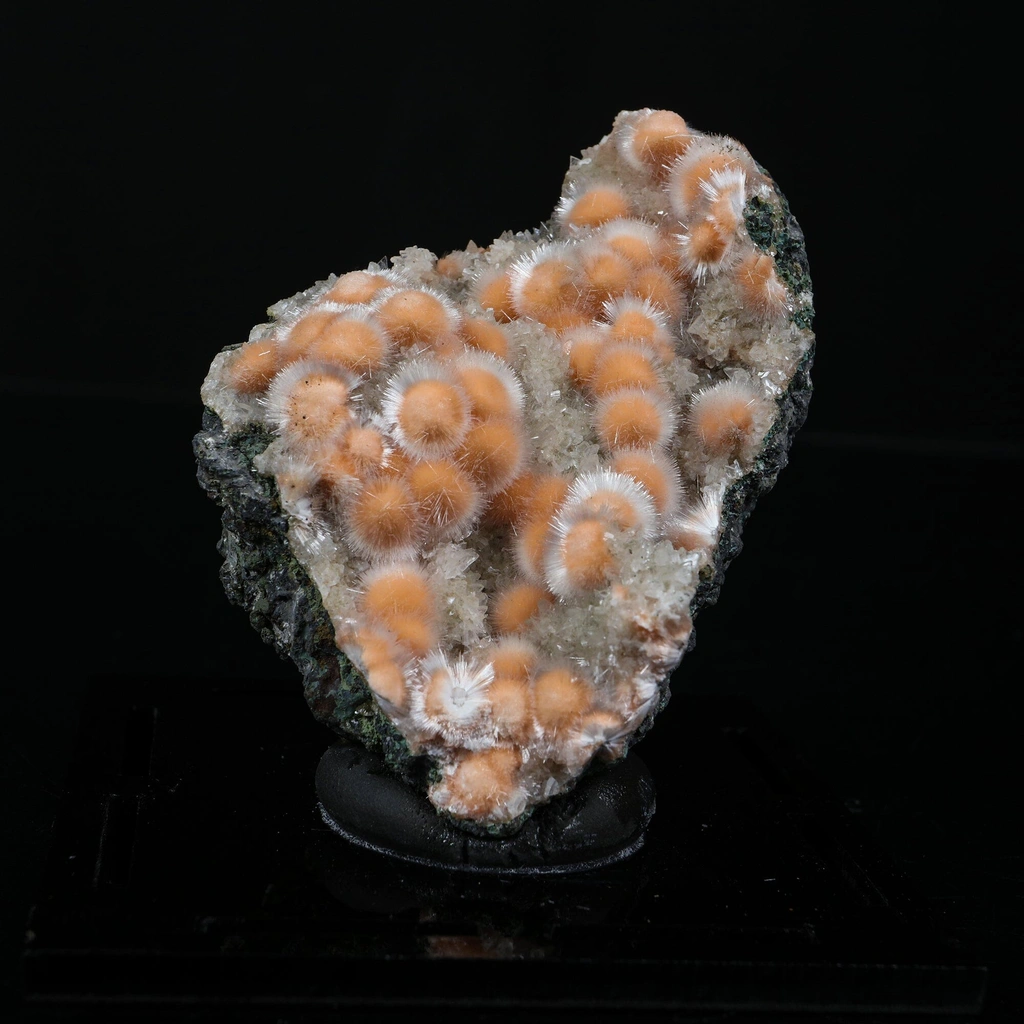
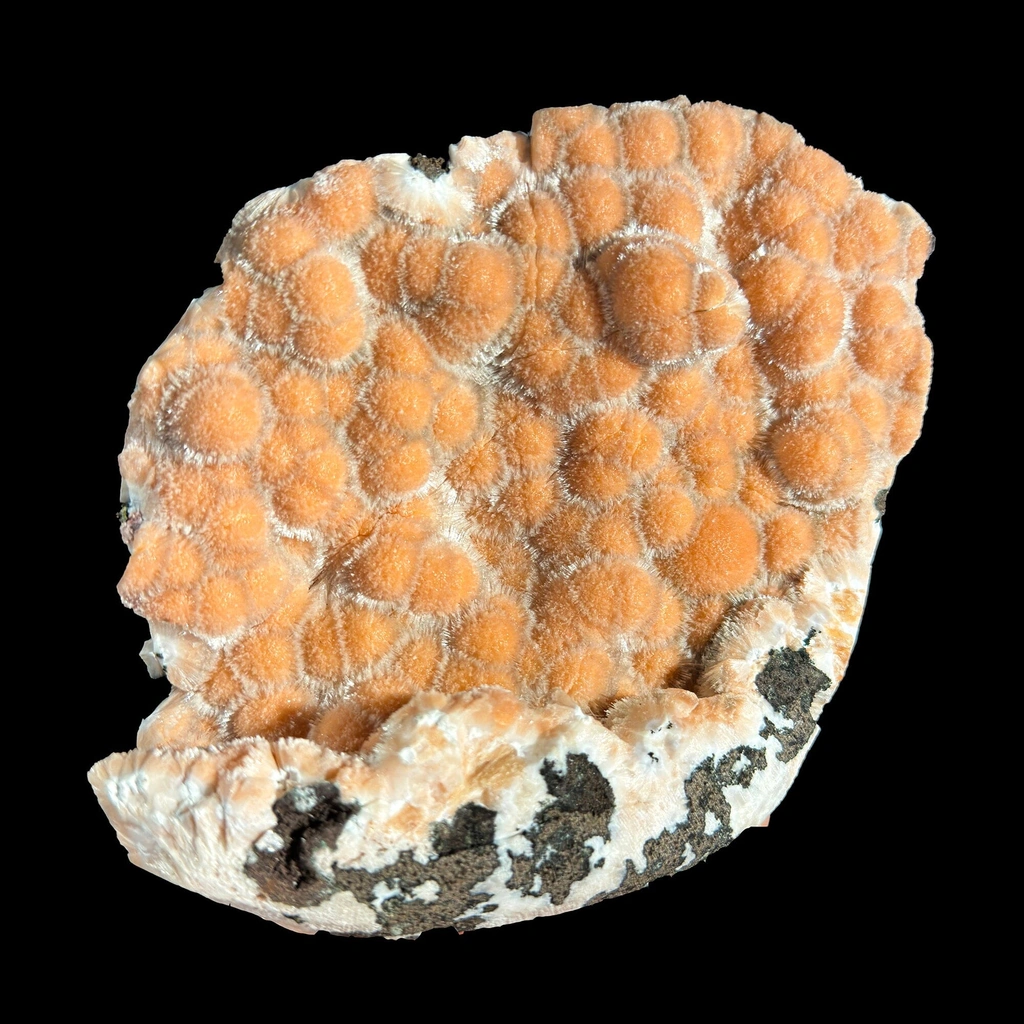
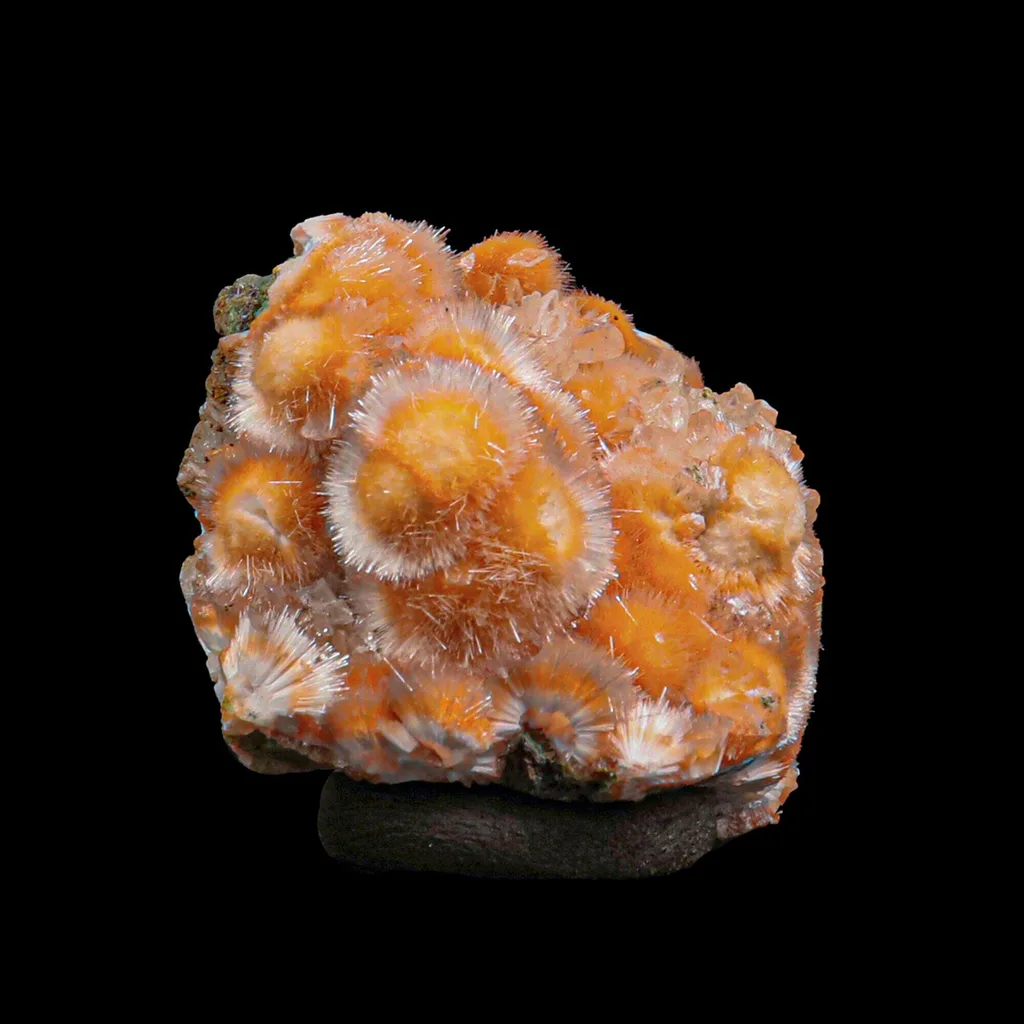
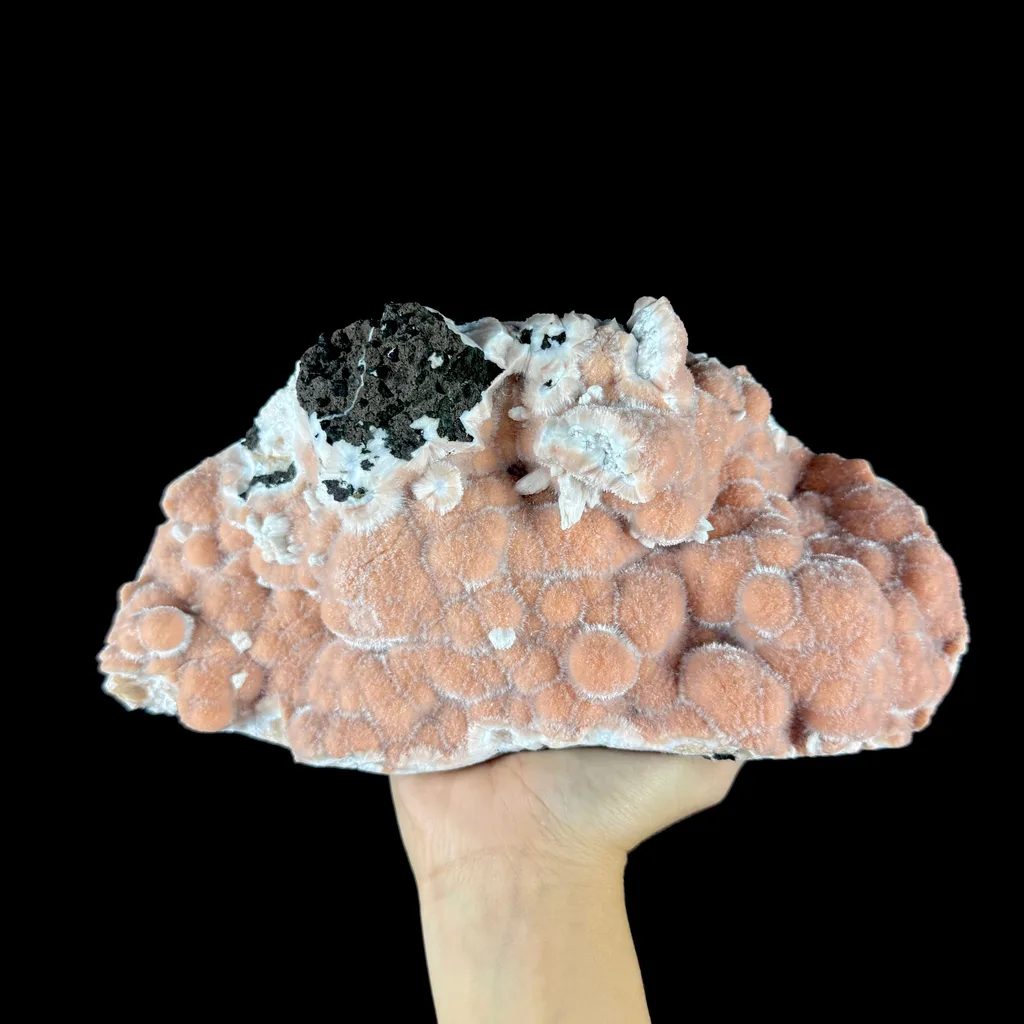
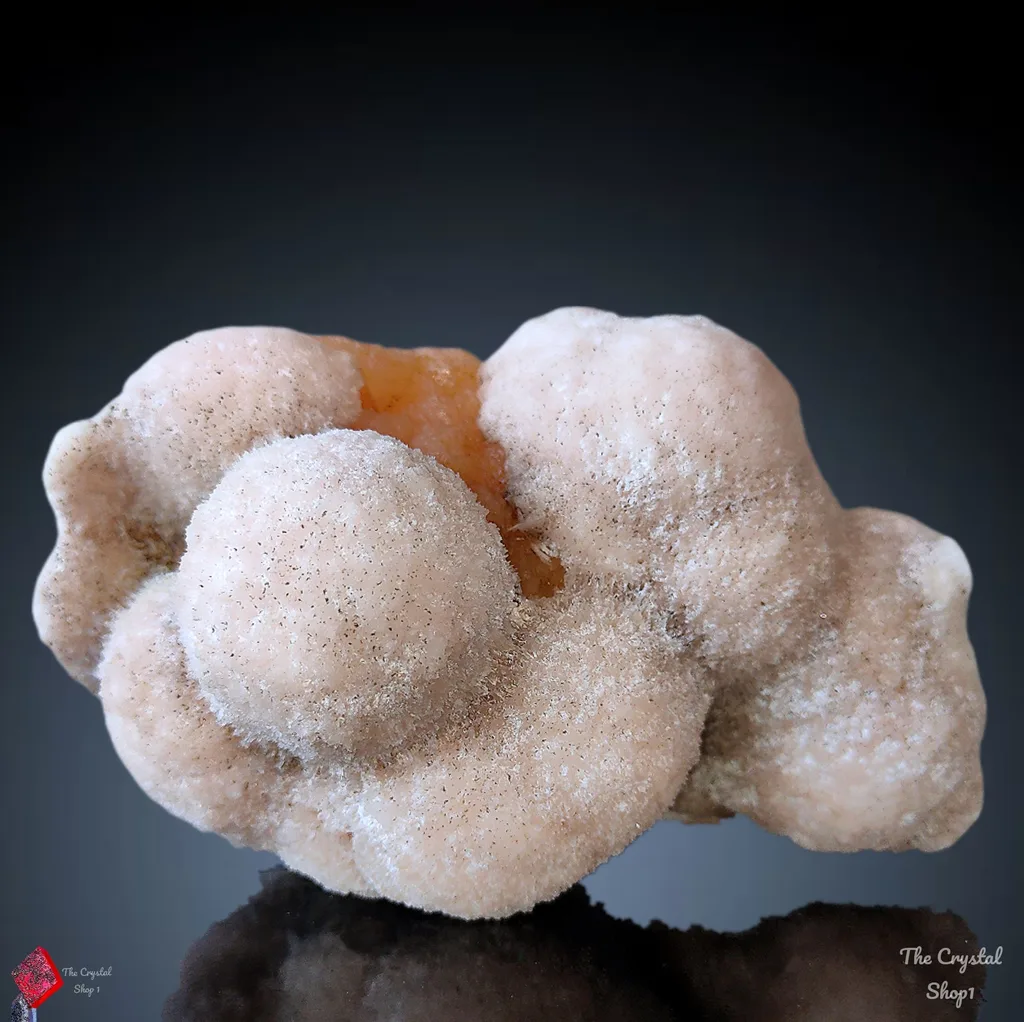
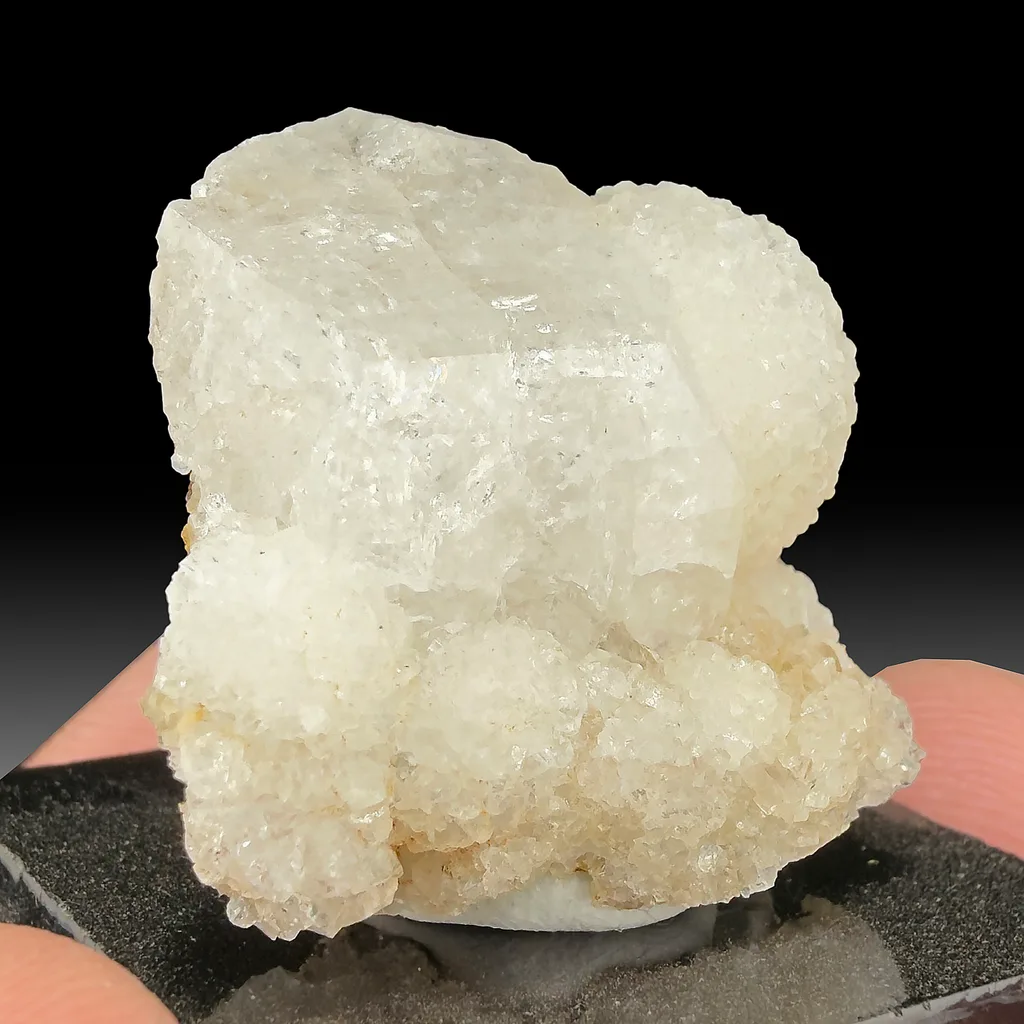
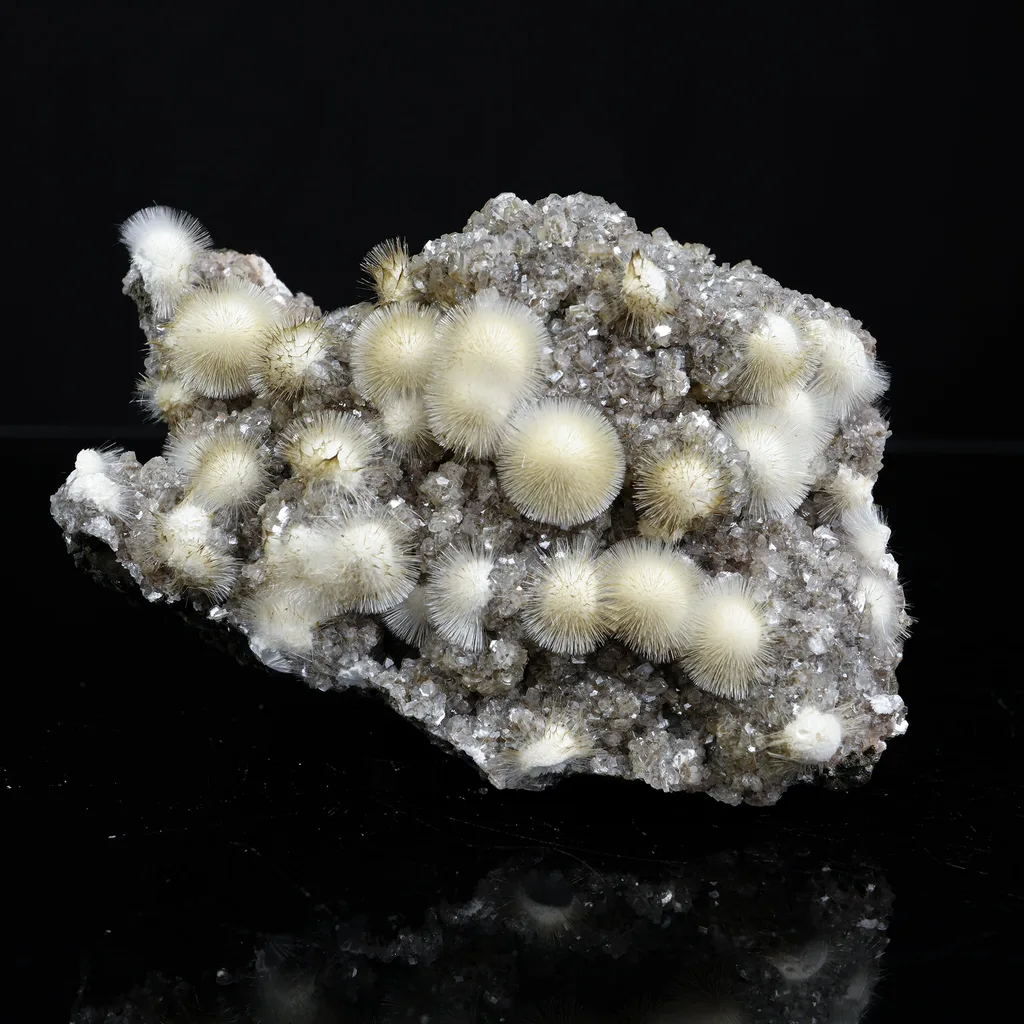
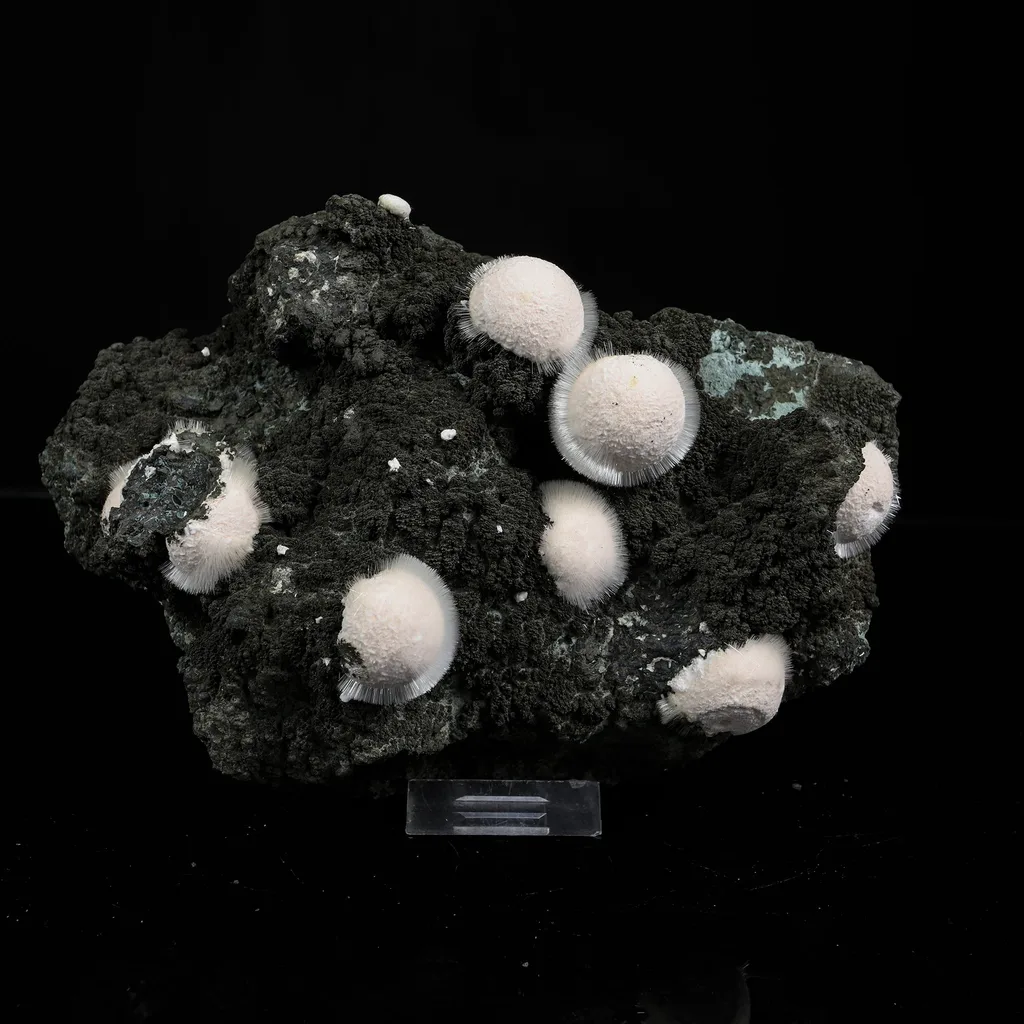
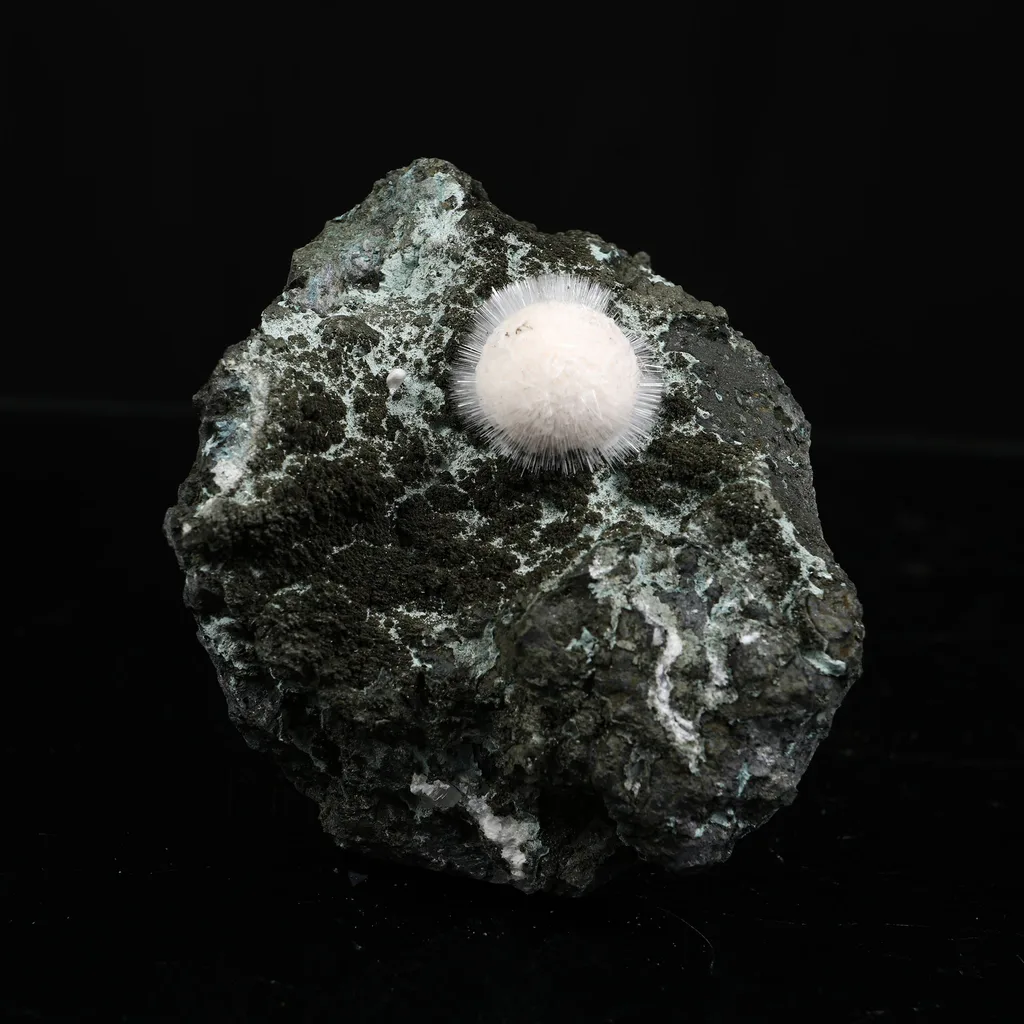
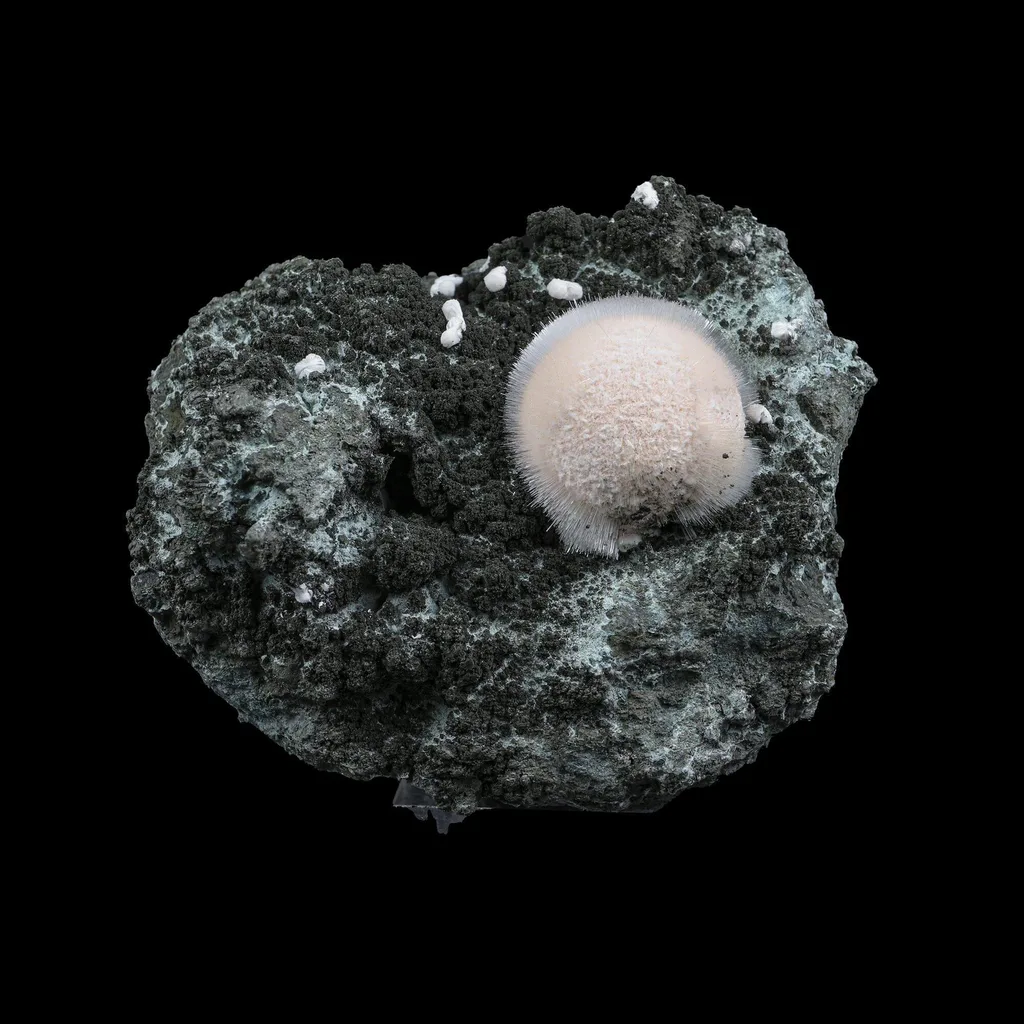
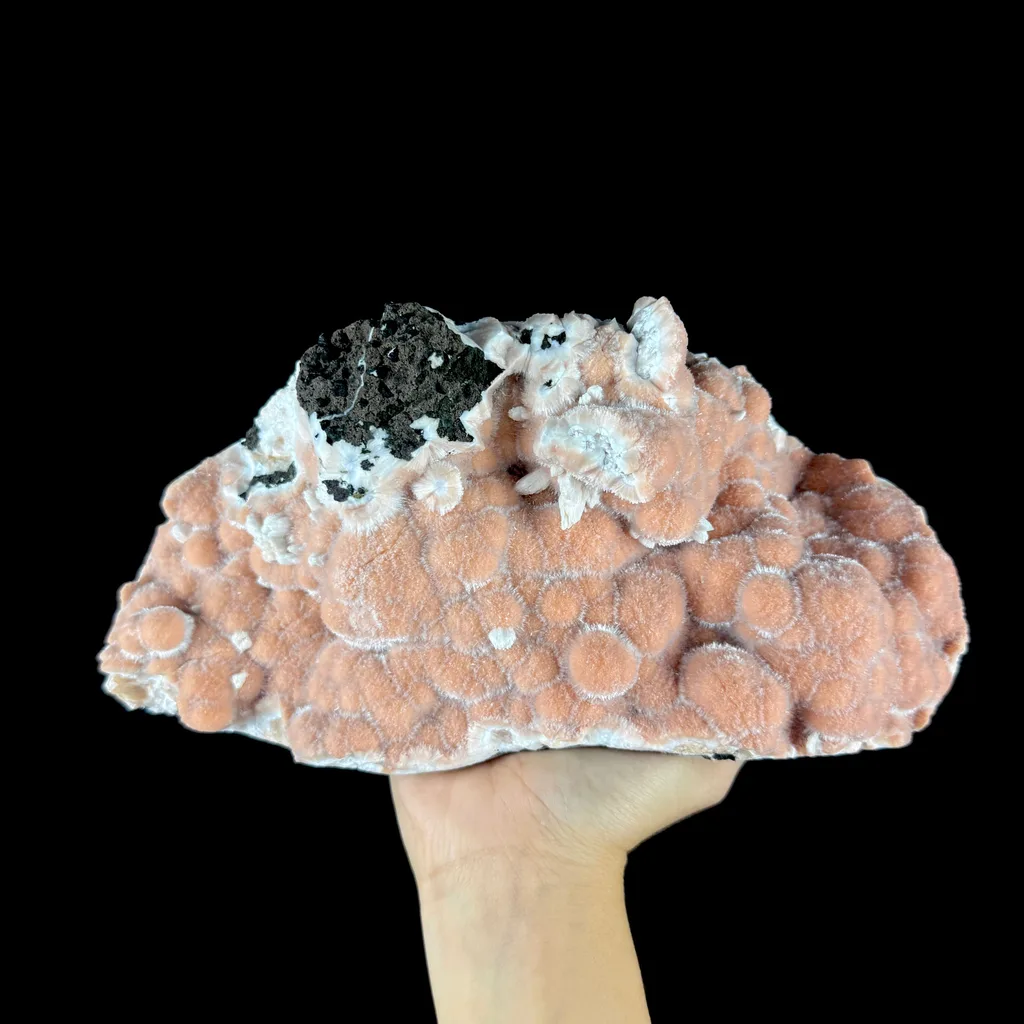
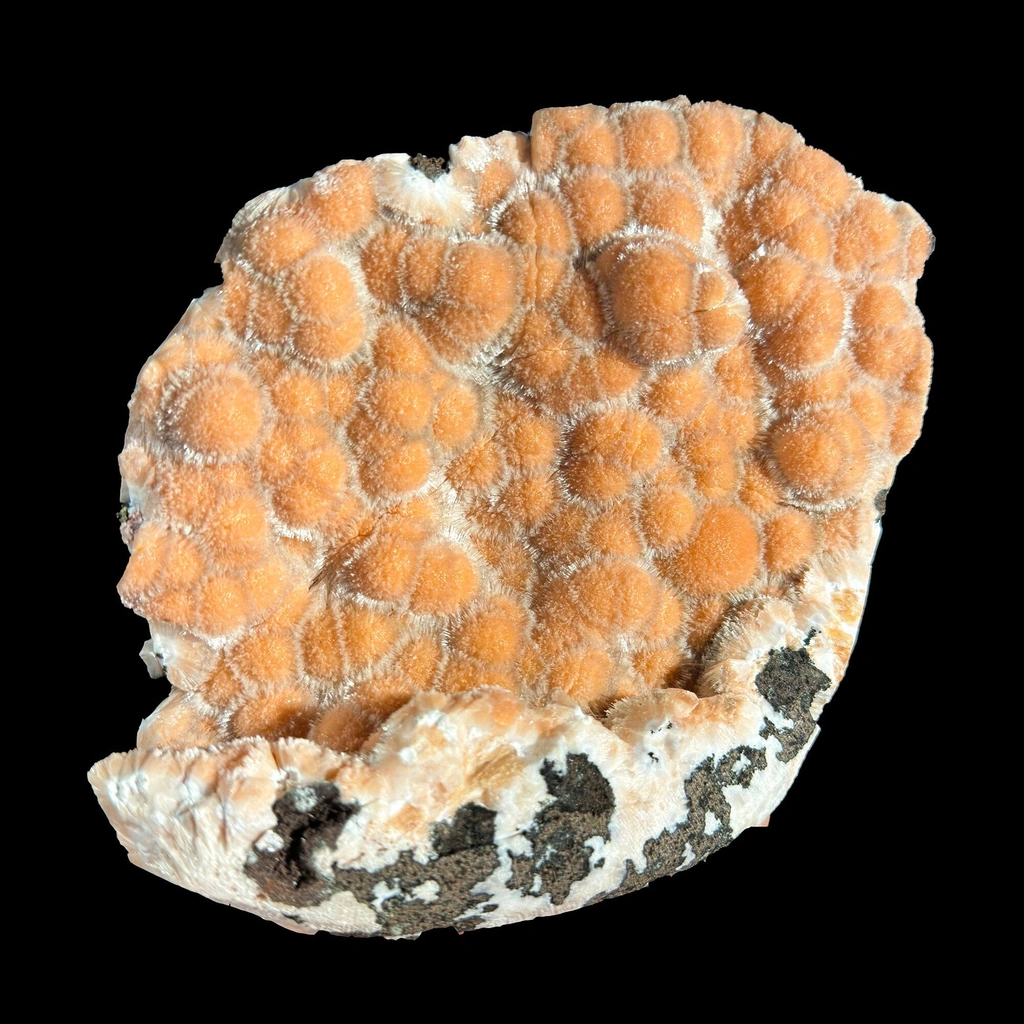
Thomsonite is a hydrated sodium calcium aluminosilicate that forms as clear to white crystals or fibrous aggregates. It typically displays a vitreous to silky luster and a light, sometimes pearly sheen when intergrown with other minerals. Crystals can appear prismatic to acicular, but many specimens present as radiating masses or fibrous bundles, reflecting its preference for low-temperature hydrothermal environments.
Prominent collections often feature thomsonite from classic localities such as India and several sites in the United States, where slender, transparent to translucent crystals have been described. Other productive regions include Germany, Canada, and South Africa, contributing specimens that range from delicate single crystals to well-developed crusts. The mineral’s hydration makes some samples susceptible to alteration, but when well-preserved, thomsonite shows a clean, colorless to white presentation with a subtle glassy to silky luster that set it apart in hand samples.
Collectors value thomsonite for its rarity in certain sizes and crystallographic habits, the aesthetic appeal of fibrous and radiating aggregates, and its place in classic silicate assemblages. Associated minerals and inclusion patterns can enhance its display quality, offering both scientific interest and decorative appeal for crusts and cabinet displays alike.