$250Median
1Sold (12 mo)
$250Last sale
3 for sale · $450–$13,500 USD
8 in the gallery
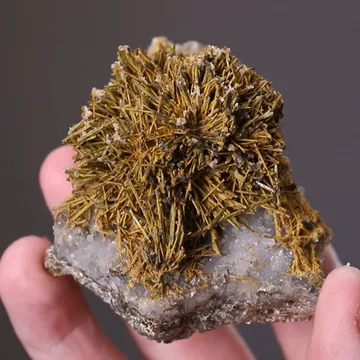
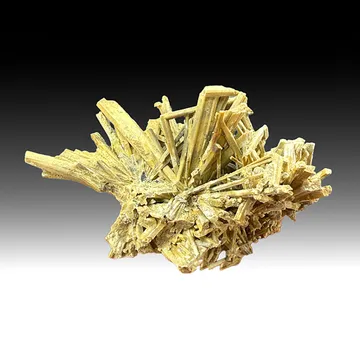
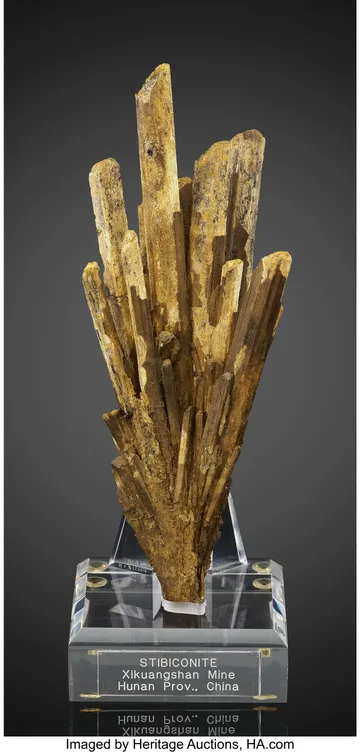
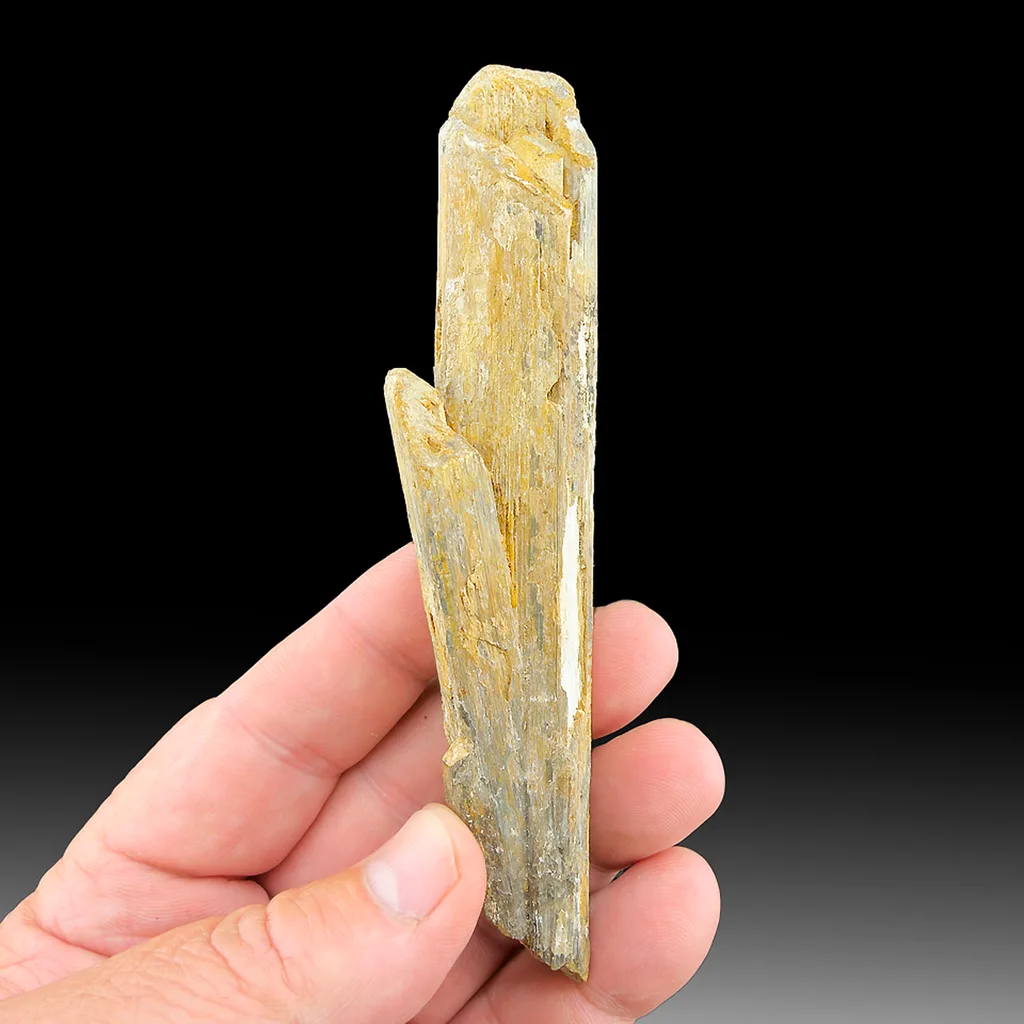
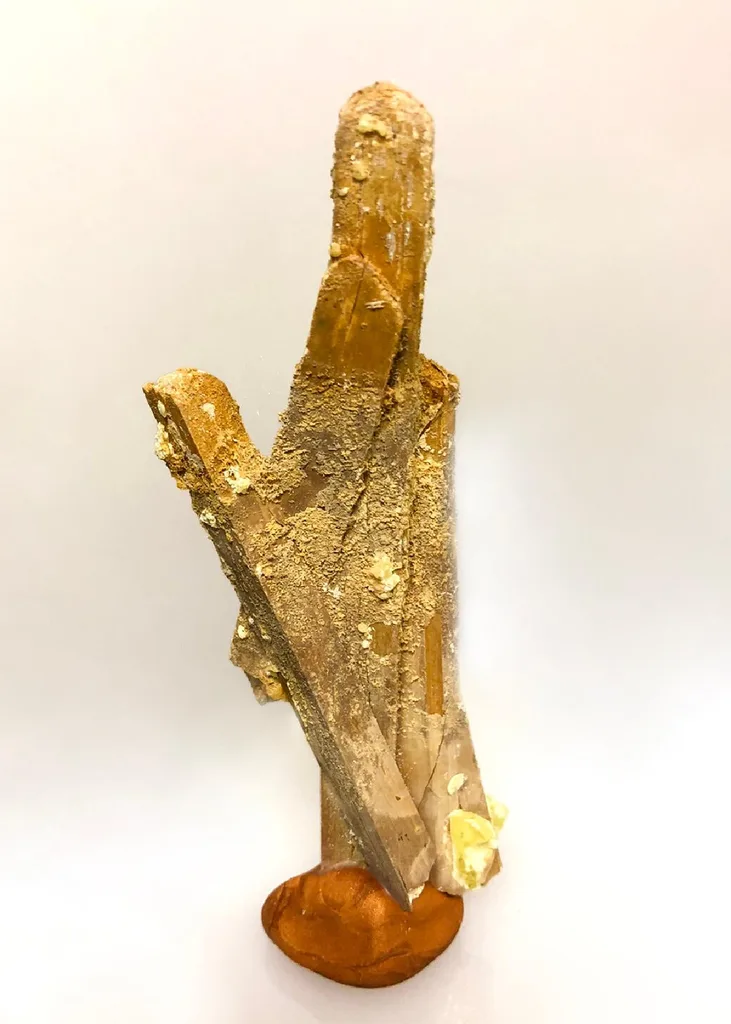
Stibiconite is a secondary oxide mineral that forms from the oxidation of antimony-bearing ore deposits. It commonly occurs as tabular, platy, or botryoidal aggregates and often displays a brown to yellow-brown color with a dull to resinous surface sheen. Crystals are typically small and can form delicate radiating or layered habits, while some specimens exhibit a luster that hints at its mineralogical origin in oxidized zones. Distinctive localities include Mexico and Bolivia where higher-quality specimens have been described, alongside occurrences in China, Brazil, and Romania which contribute to a broader global distribution.
Collectors prize stibiconite for its texture and historical association with antimony ore deposits, as well as its ability to form intricate surface patterns on matrix. While not typically a bright or highly lustrous mineral, the variety and habit can be quite attractive when contrasted with associated minerals or host rock. Careful handling is advised to preserve delicate aggregates, and specimens are often valued for their descriptive color range and the insight they provide into oxidation processes in antimony-rich systems.