
$105Median
21Sold (12 mo)
$100Last sale
56 for sale · $60–$4,500 USD
171 in the gallery
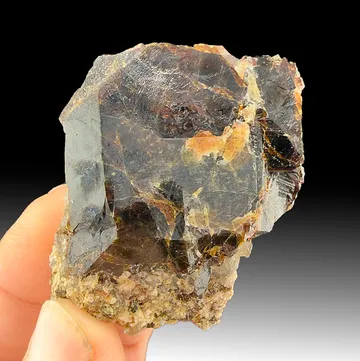
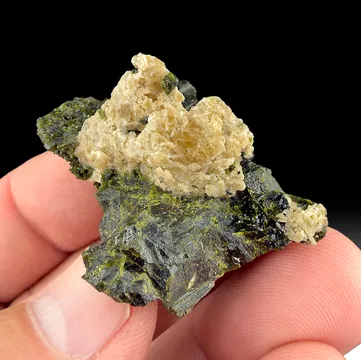
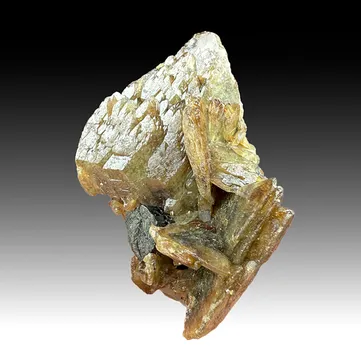
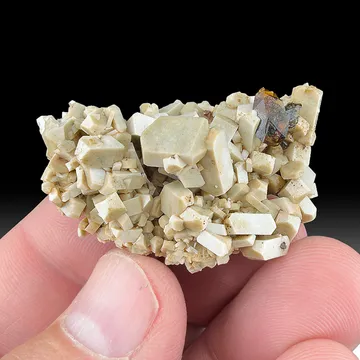
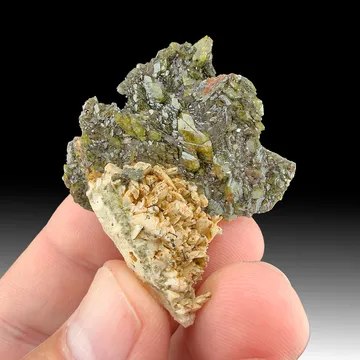
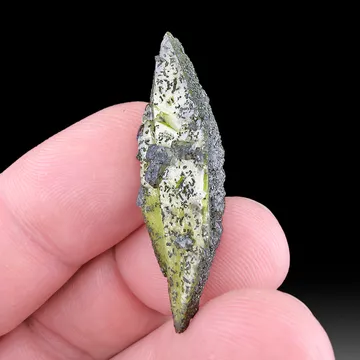
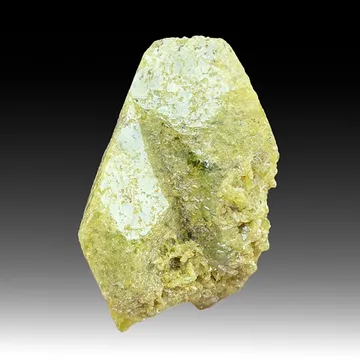
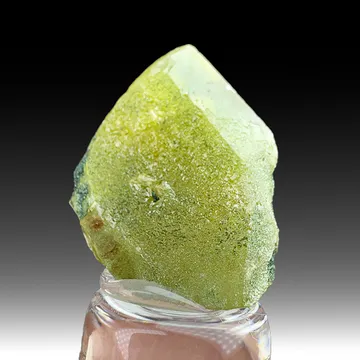
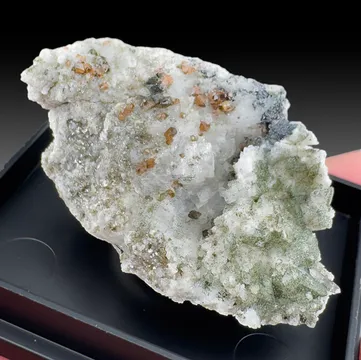
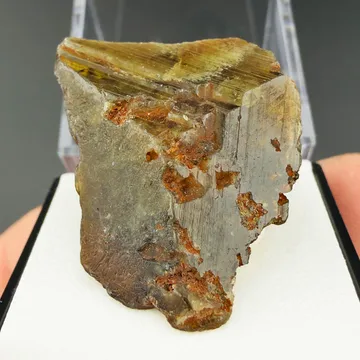
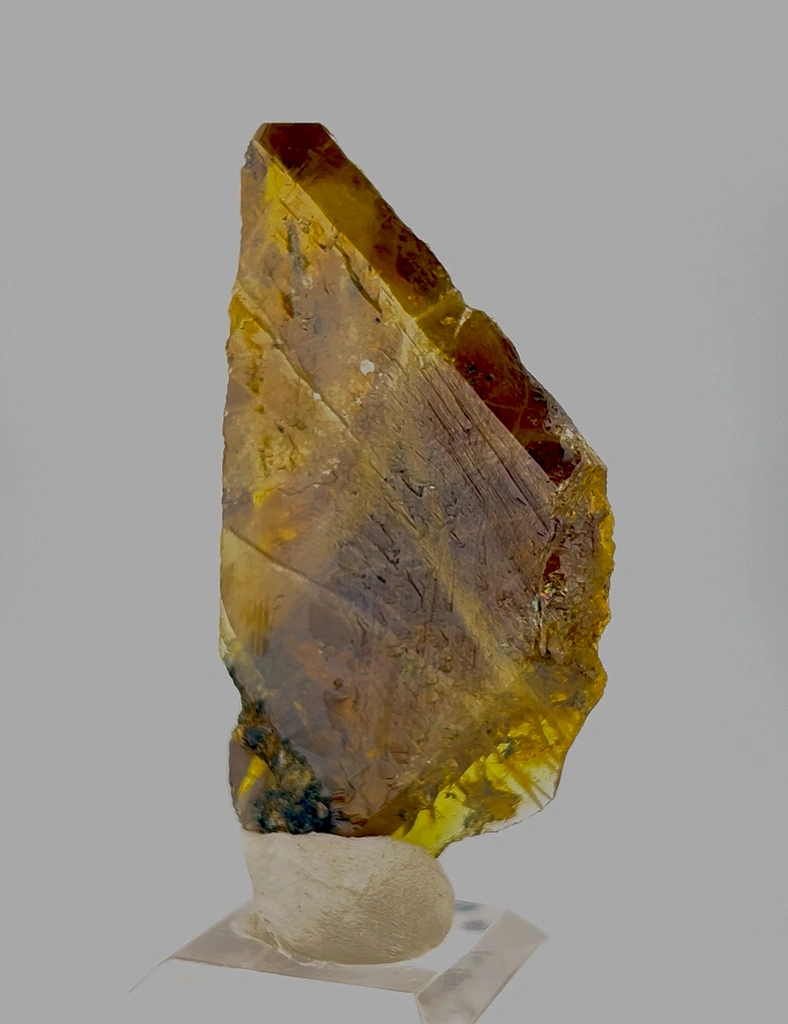
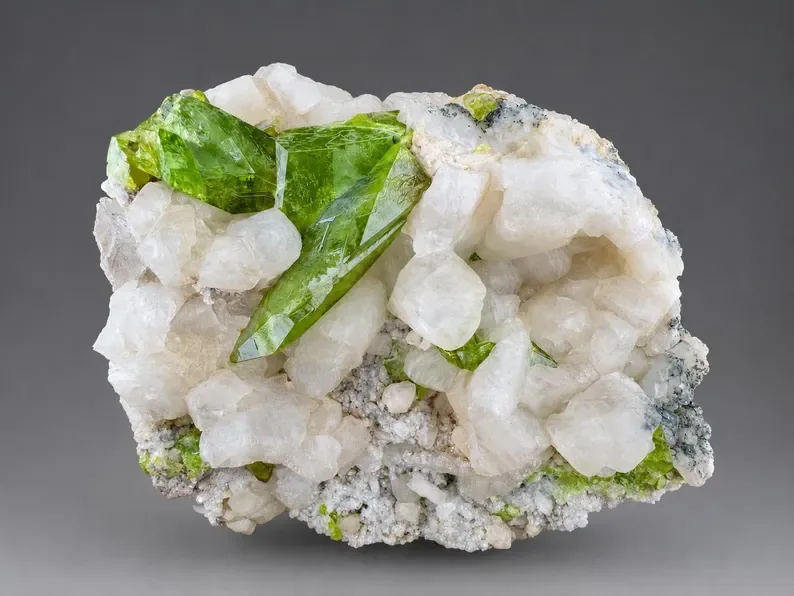
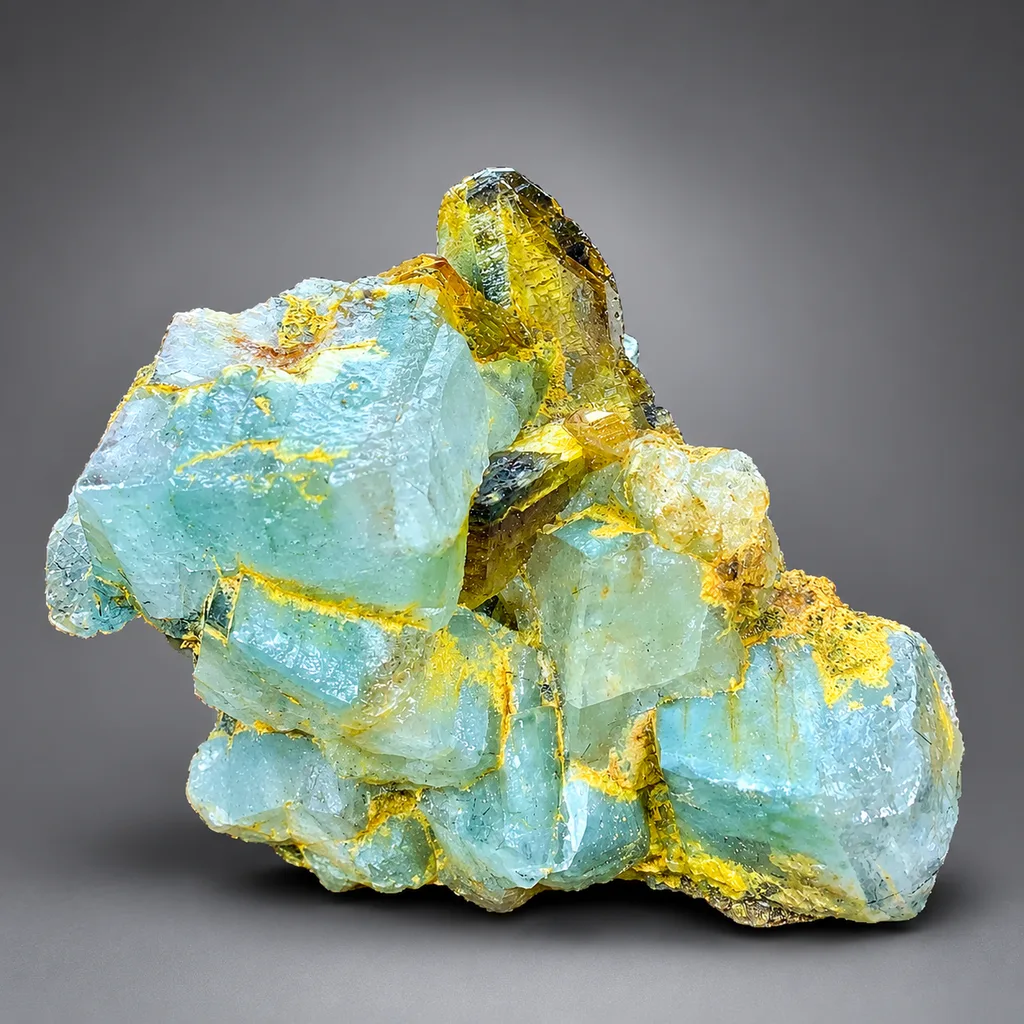
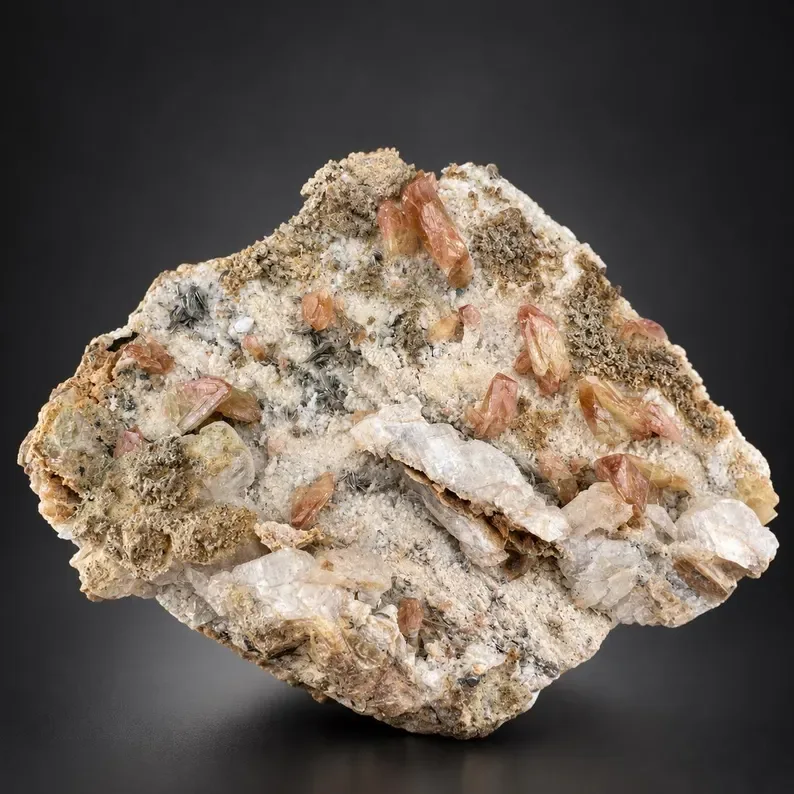
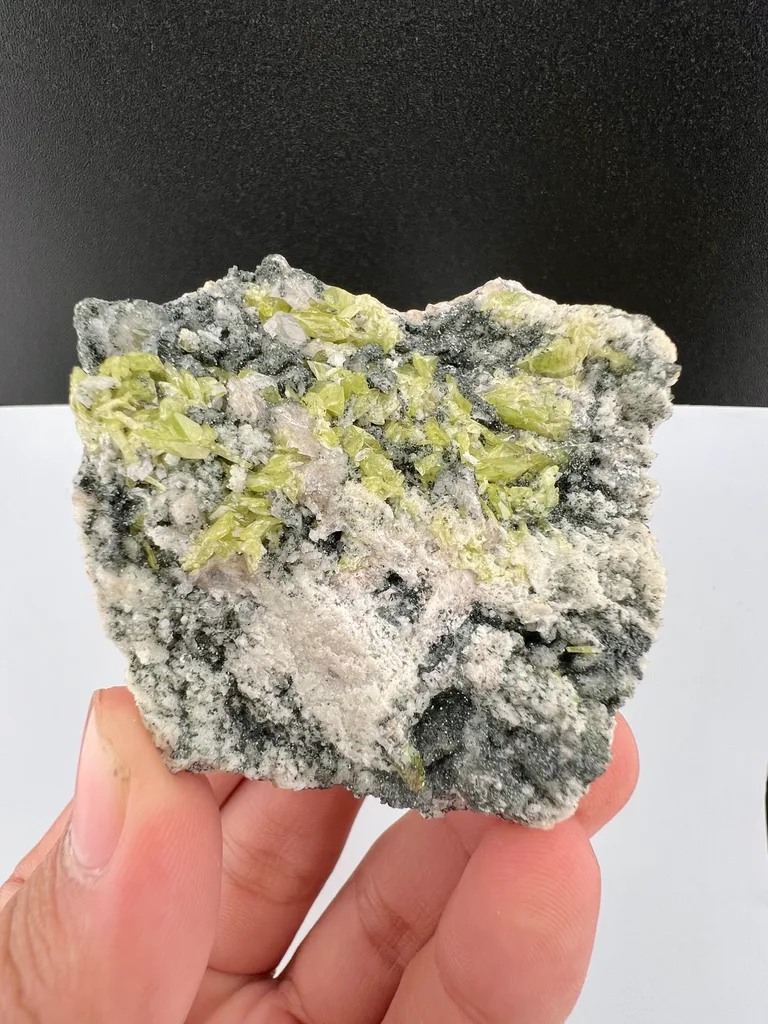
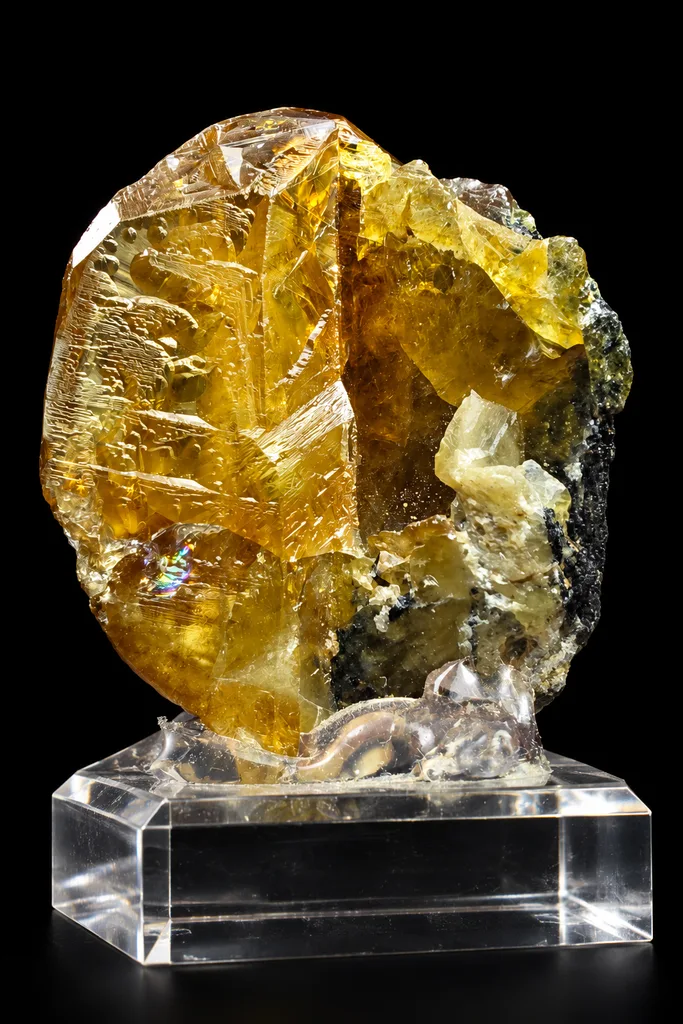
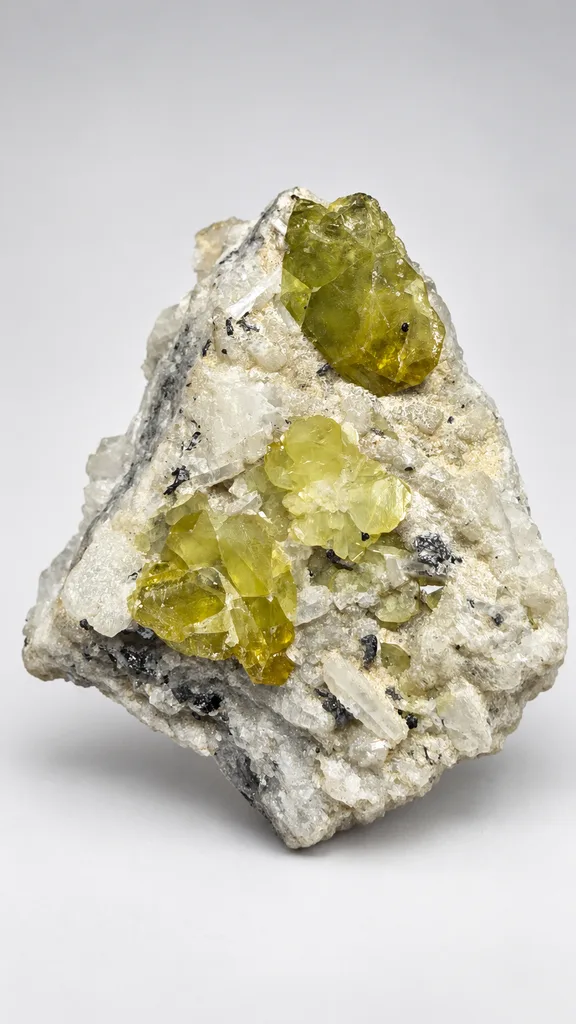
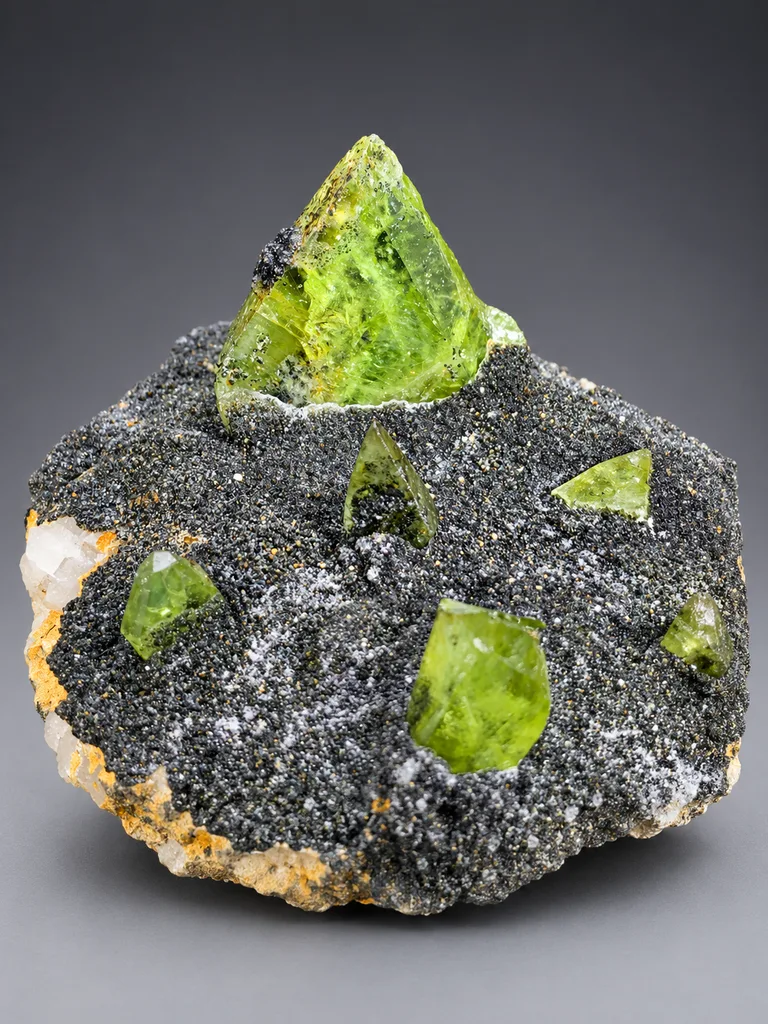
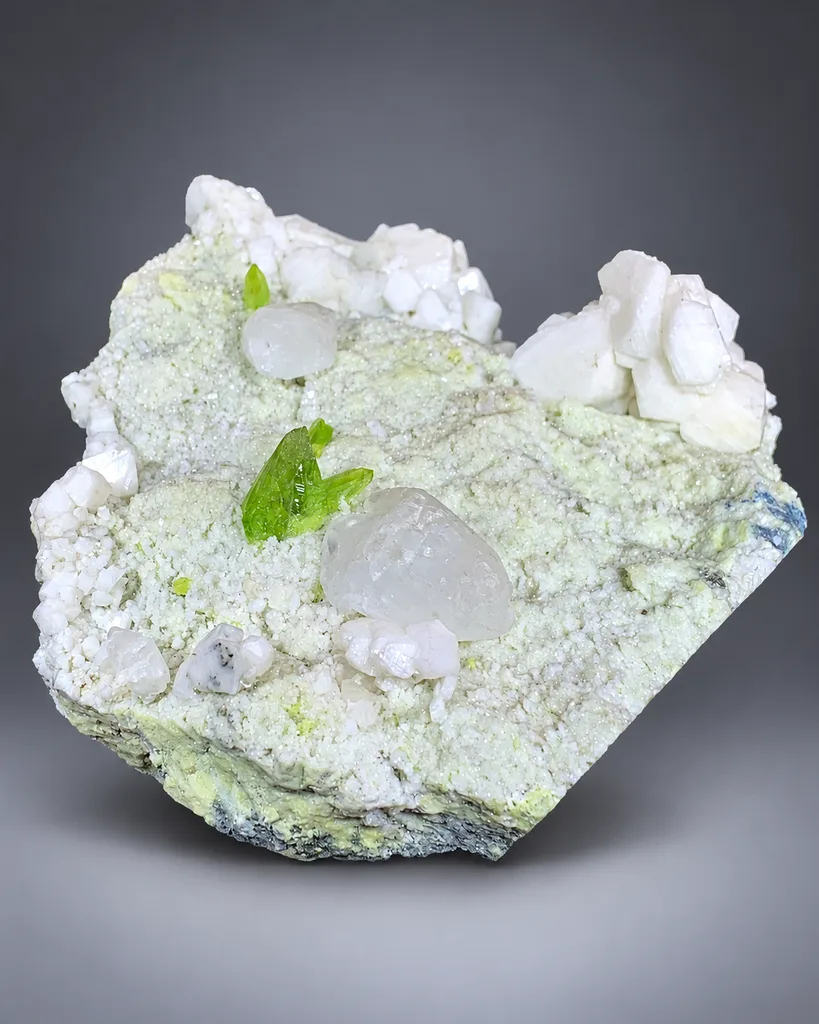
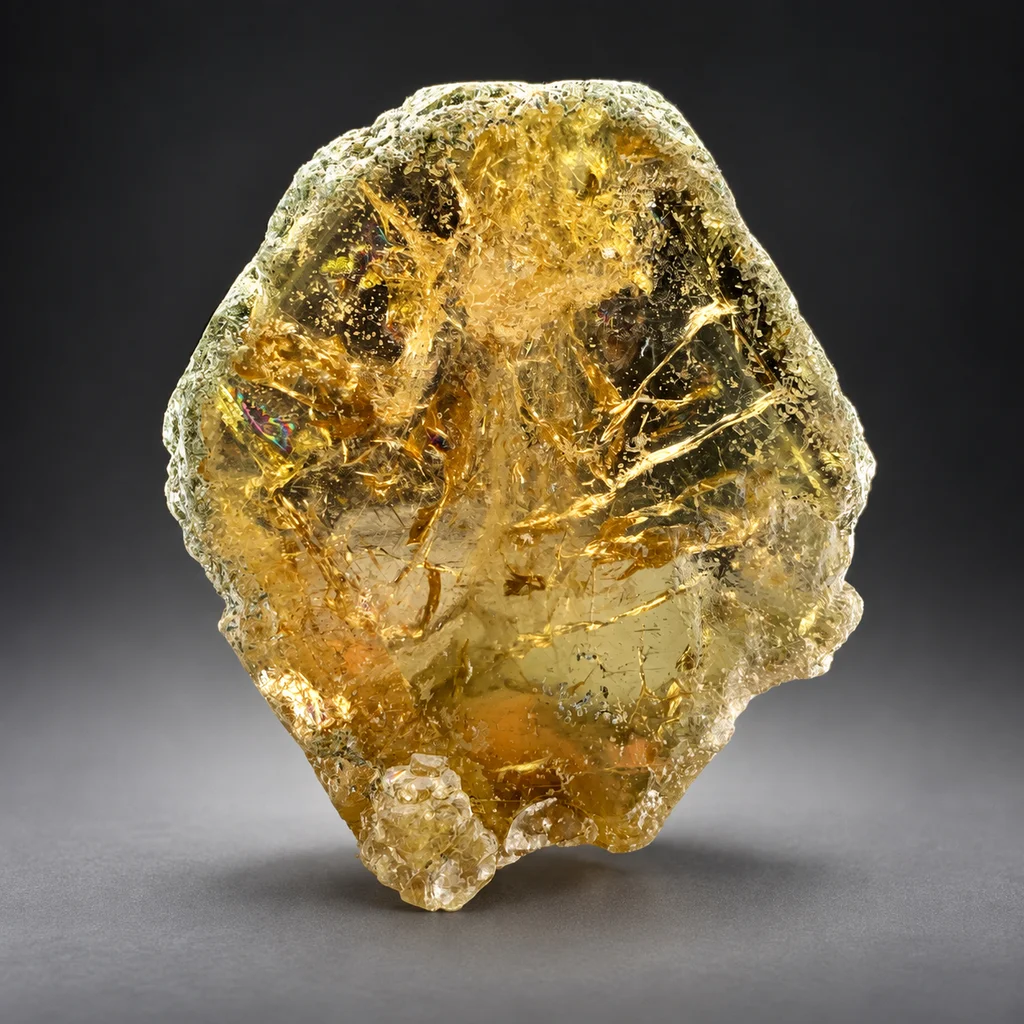
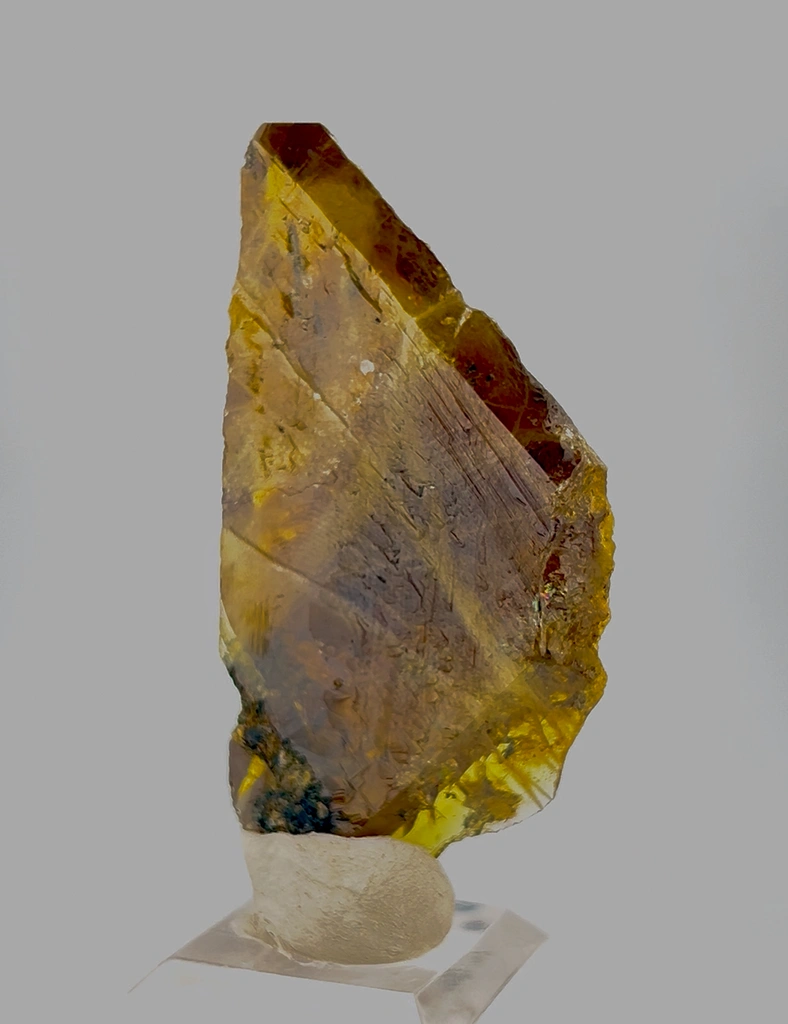
Sphene, also known as titanite, is a calcium titanium silicate mineral that commonly forms short to tabular crystals and pale to vibrant greenish-yellow to brown varieties. It often shows a vitreous to resinous luster and a vitreous transparency in finer crystals, with a color range that can shift from yellow-green to brown depending on impurities and oxidation states. The mineral frequently occurs in silicic igneous rocks and associated pegmatites, and it can appear in metamorphic slices as well, sometimes forming notable elongated crystals that display characteristic cleavage and a silky sheen in reflected light.
Significant specimens come from places like Pakistan, Brazil, Austria, Switzerland, and Namibia, where sphene crystals can appear in well-formed prisms or as inclusions within other minerals. Collectors prize sphene for its bright refractive heat and the way the crystals catch and refract light, producing lively color and a strong glassy appearance. Its relative rarity in well-formed crystals and the appeal of its high dispersion add to its desirability, especially when crystals are well-preserved and display crisp termination edges.