Serandite specimens for sale
7 for sale · $250–$6,000 USD
83 in the gallery
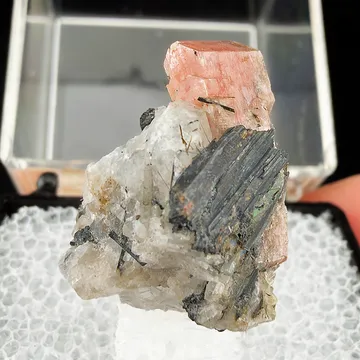
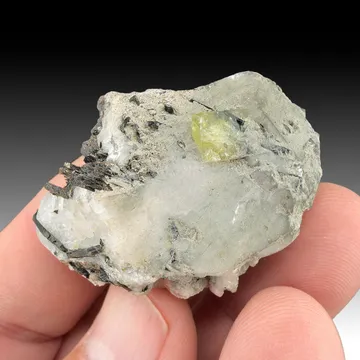
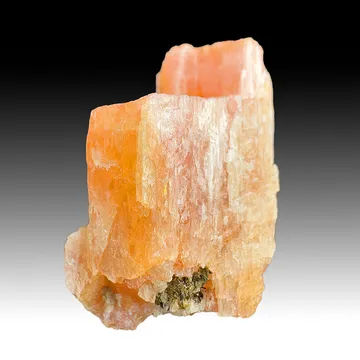
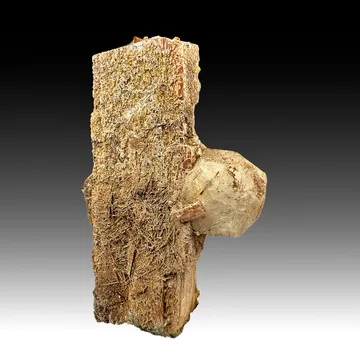
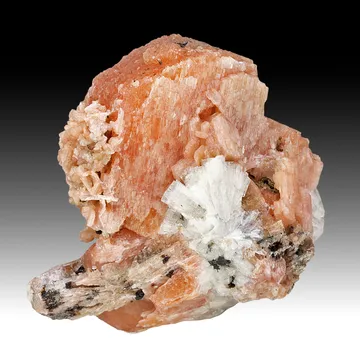
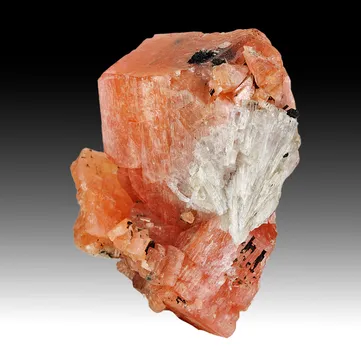
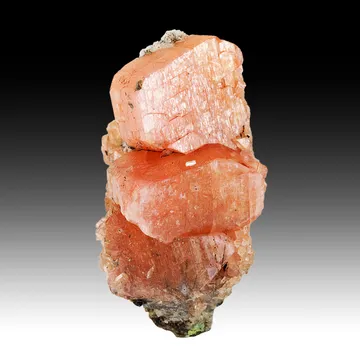
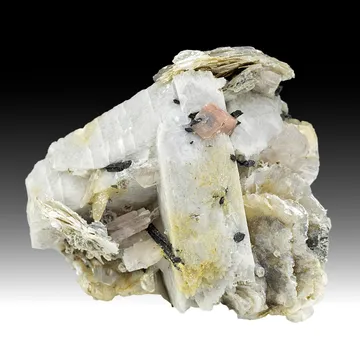
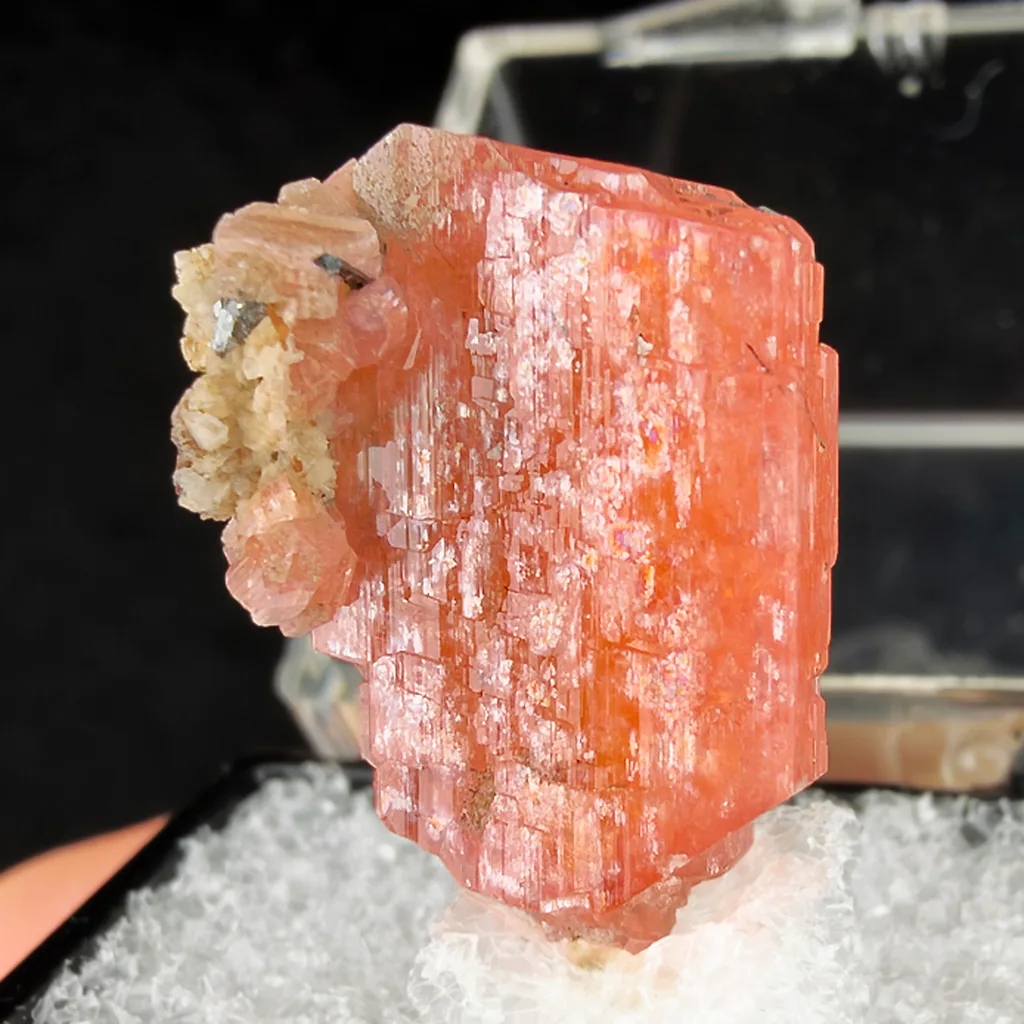
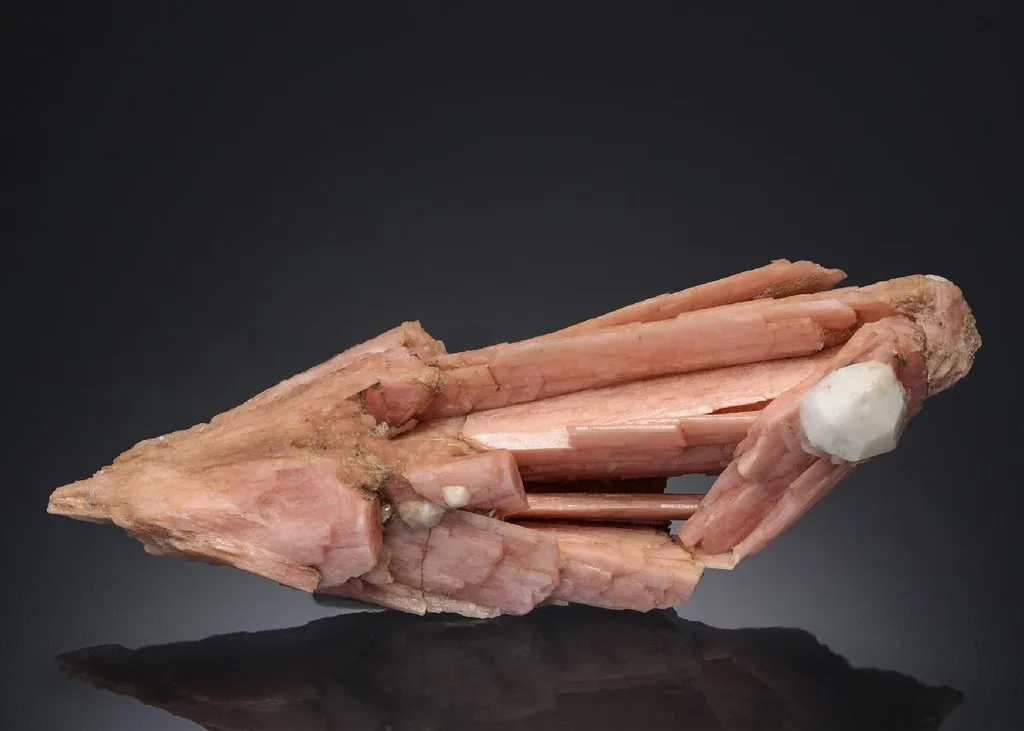
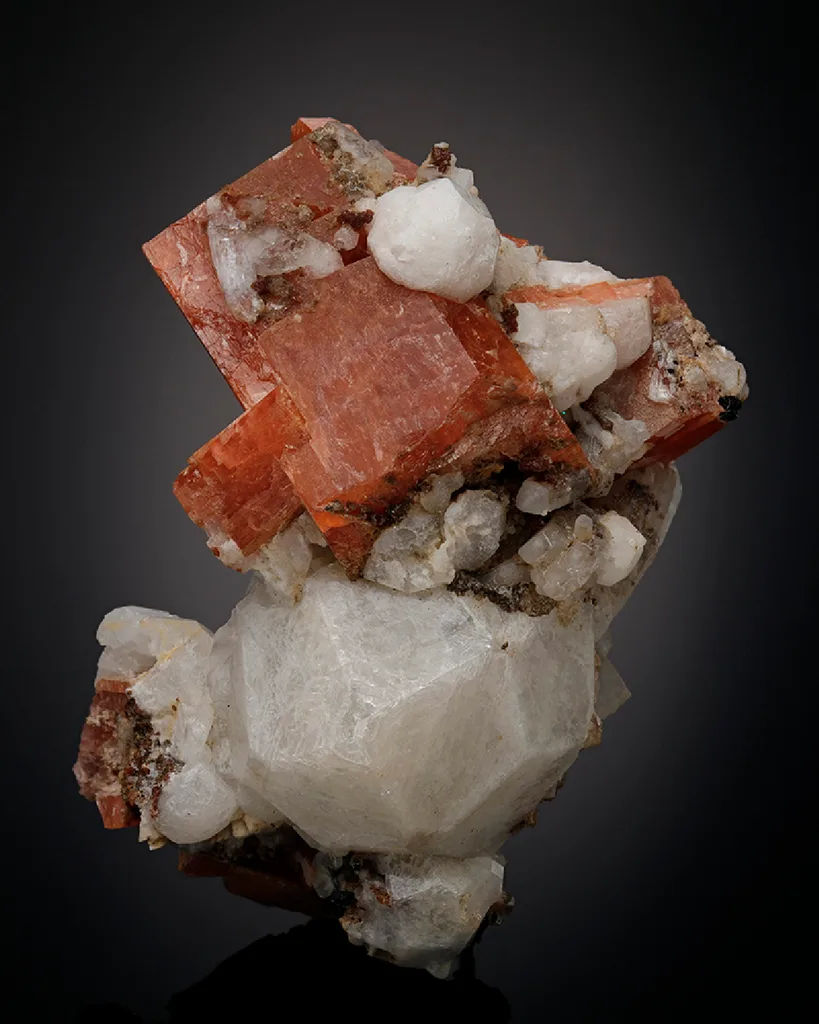
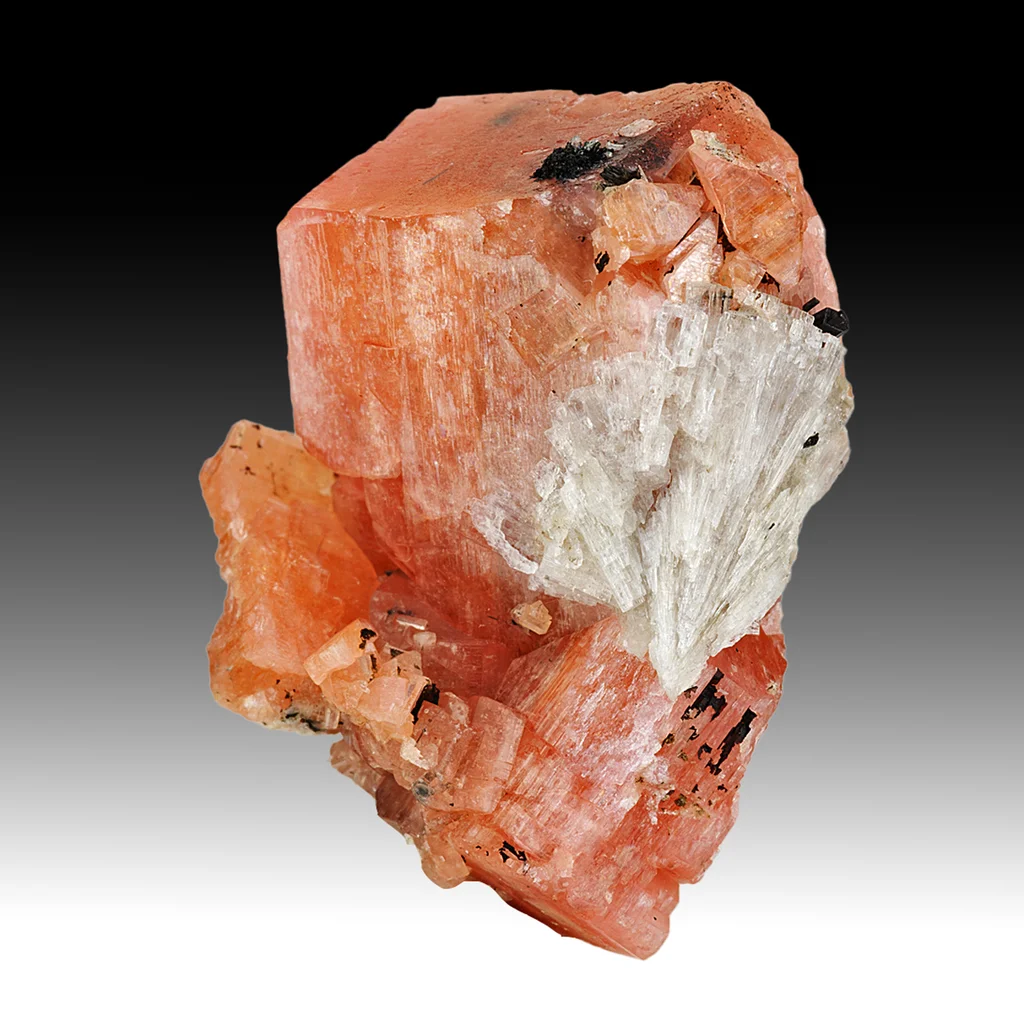
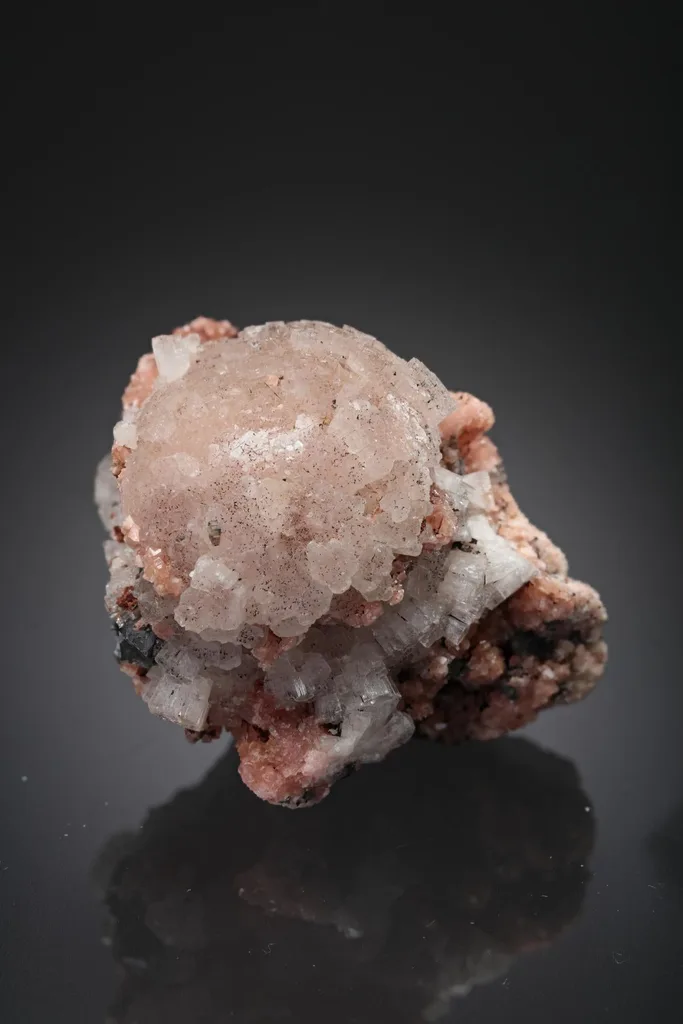
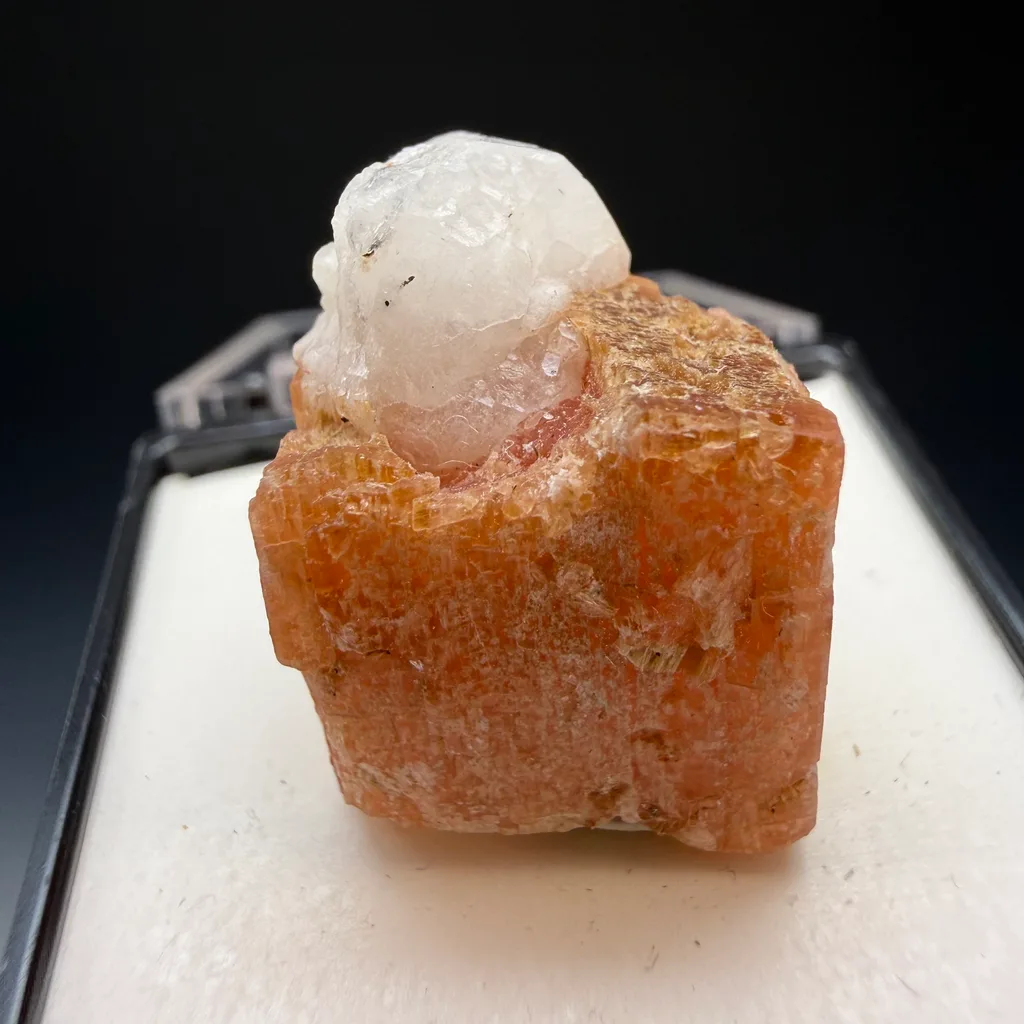
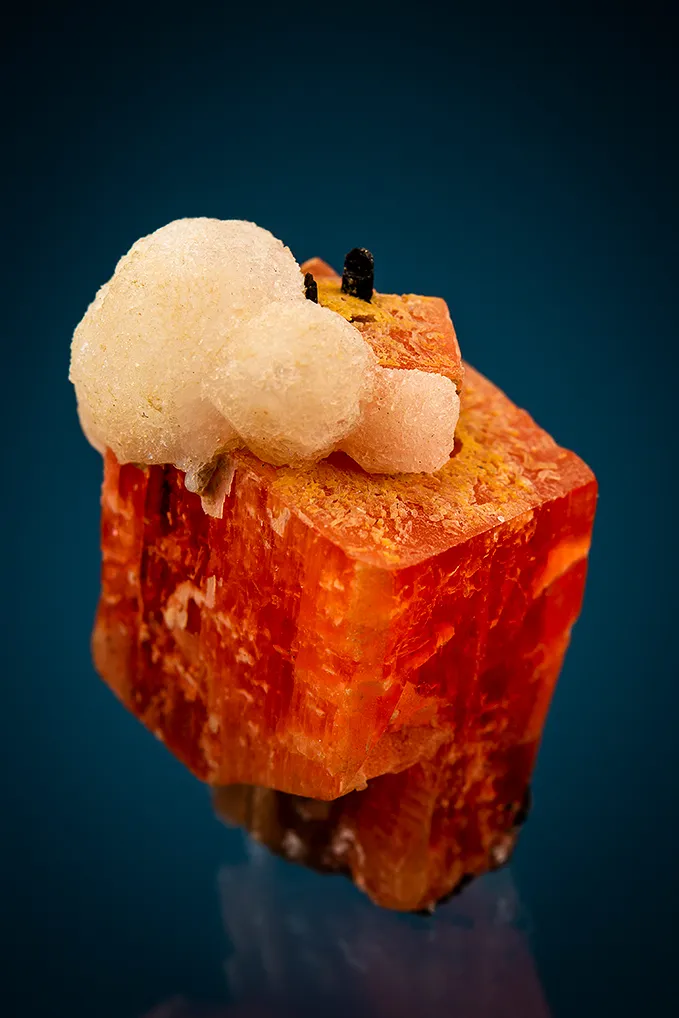
Serandite is a manganese-rich silicate mineral with the chemical formula NaMn2+2Si3O8(OH). It typically forms short prismatic to tabular crystals and can display a vitreous to pearly luster. Color ranges from pinkish-orange to brownish-orange, with zones of pale hues in some specimens; crystals may occur in aggregates or blades within alkaline pegmatites and associated mineral assemblages. Notable localities include regions in Canada and the United States where well-formed crystals have been recovered, often from alkaline or nepheline-syenite related environments.
- Formula
- NaMn2+2Si3O8(OH)
- Rarity
- Rare
- Stability
- Stable
- Collector interest
- Moderate Interest
- Classification notes
- Inosilicate pyroxenoid, pectolite group; Strunz 9.DG.05
Key characteristics
- Crystal system
- triclinic
- Mohs hardness
- 5–5.5
- Specific gravity
- 3.2–3.33
- Luster
- vitreous, pearly
- Transparency
- transparent, translucent
- Color
- pink, red, orange, brown
- Streak
- white
- Cleavage
- perfect
- Fracture
- uneven
- Crystal habit
- prismatic, tabular, massive, granular
- Gem mineral
- Classic / historic
Buy Serandite specimens
View all 7Where Serandite is found
Top localities
- Poudrette Quarry38 specimens
- Mont Saint-Hilaire18 specimens
- Carrière Poudrette4 specimens
- Québec2 specimens
Guides
All guides

Serandite from Poudrette Quarry, Mont Saint-Hilaire, Canada
Serandite from Poudrette Quarry, Mont Saint-Hilaire, Canada — iconic salmon-pink crystals, sculptural forms, and locality-first appeal prized by collectors.Read guide
Serandite from Mont Saint-Hilaire, Canada
Mont Saint-Hilaire serandite: salmon-pink to orange crystals with glassy luster, iconic open-space growth; a signature Canadian locality prized by collectors.Read guideAbout Serandite
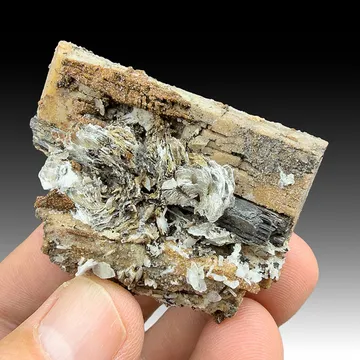
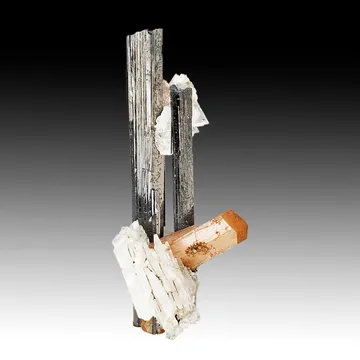
Collectors prize serandite for its distinctive color and crystal morphology, as well as its occasional zoning and association with minerals such as nepheline and aegirine. Fine samples often show sharp faces and clean terminations, making them attractive display pieces for mineral drawers and cabinets. The mineral’s relative rarity and the historical significance of classic Canadian and North American finds contribute to its appeal for specimen enthusiasts seeking colorful, well-crystallized examples.