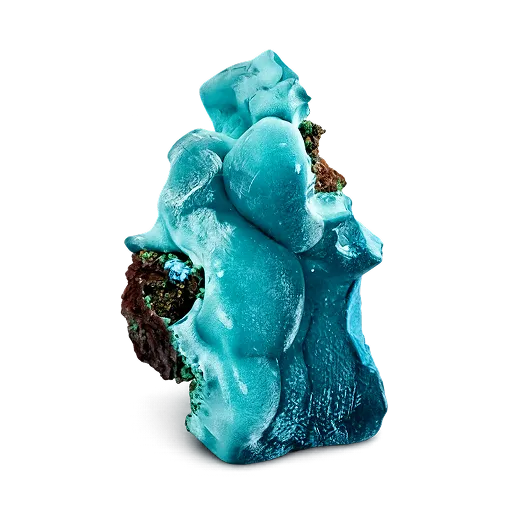
Guide
36 for sale · $75–$7,500 USD
188 in the gallery
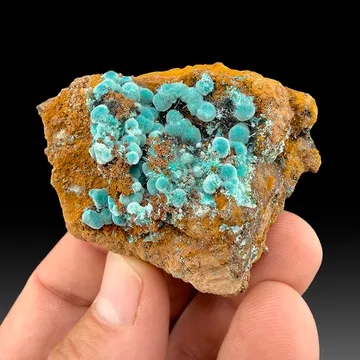
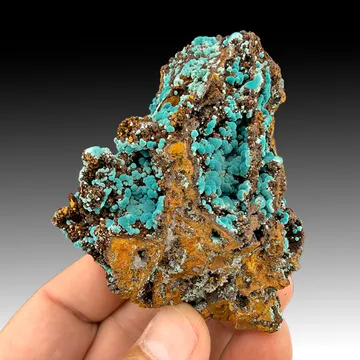
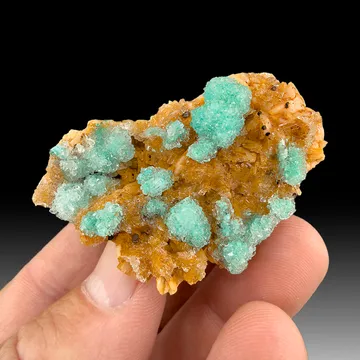
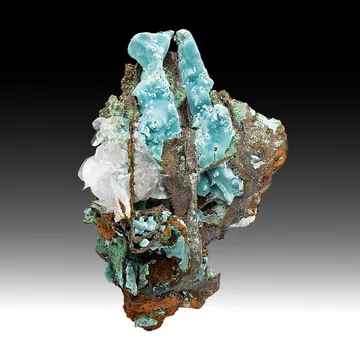
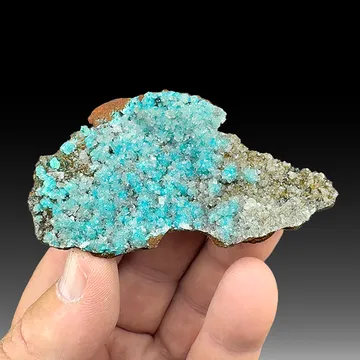
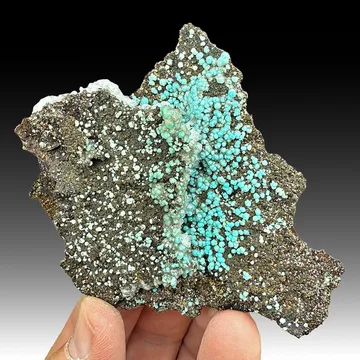
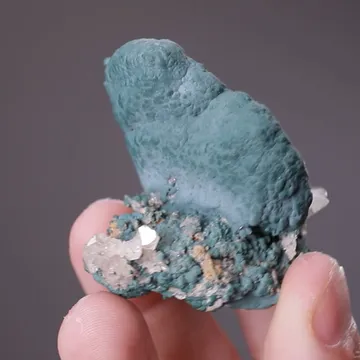
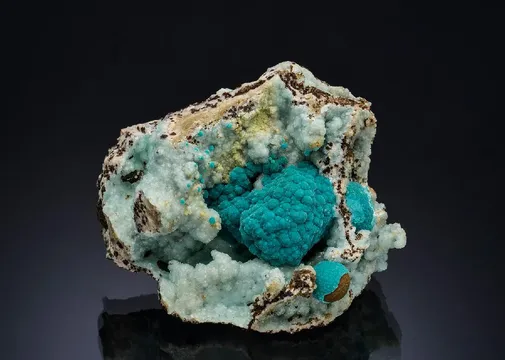
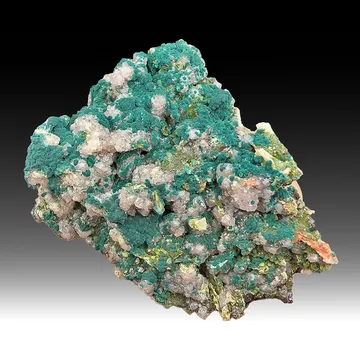
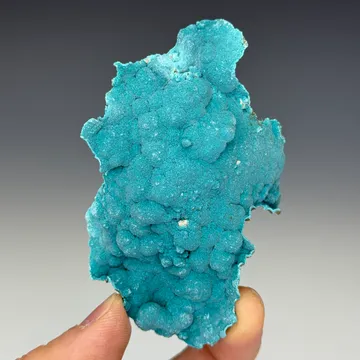
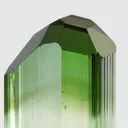
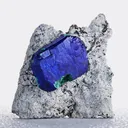
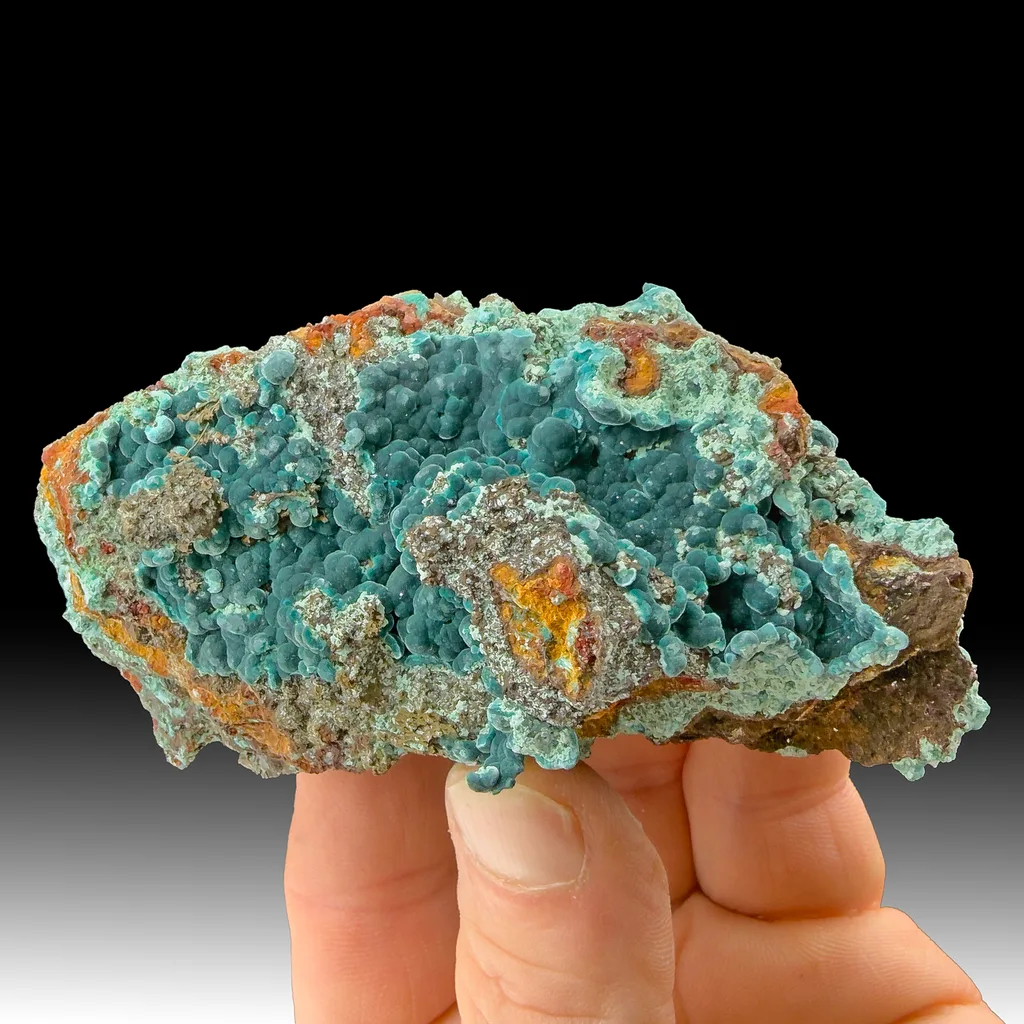
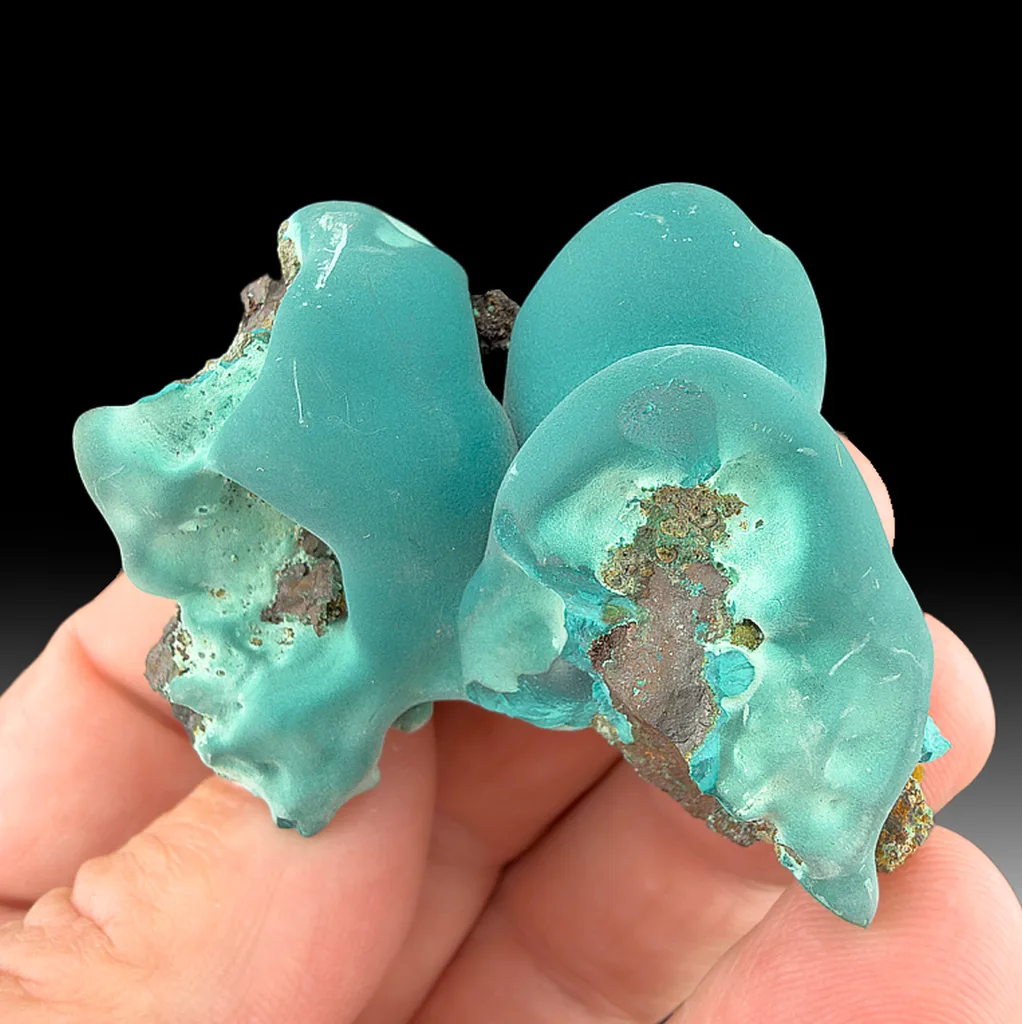
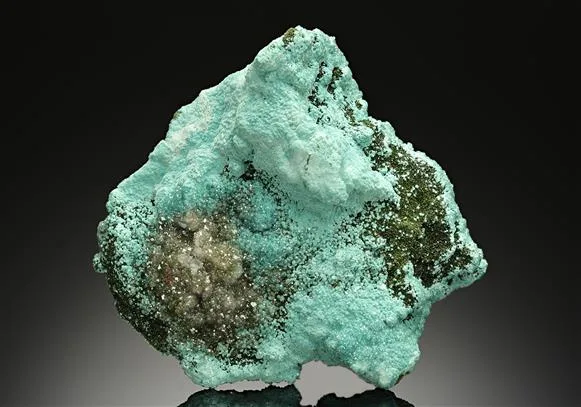
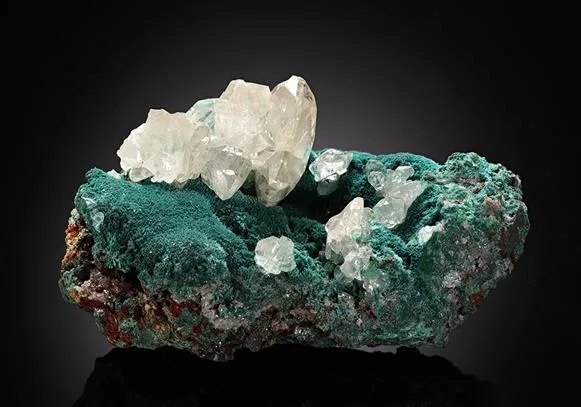
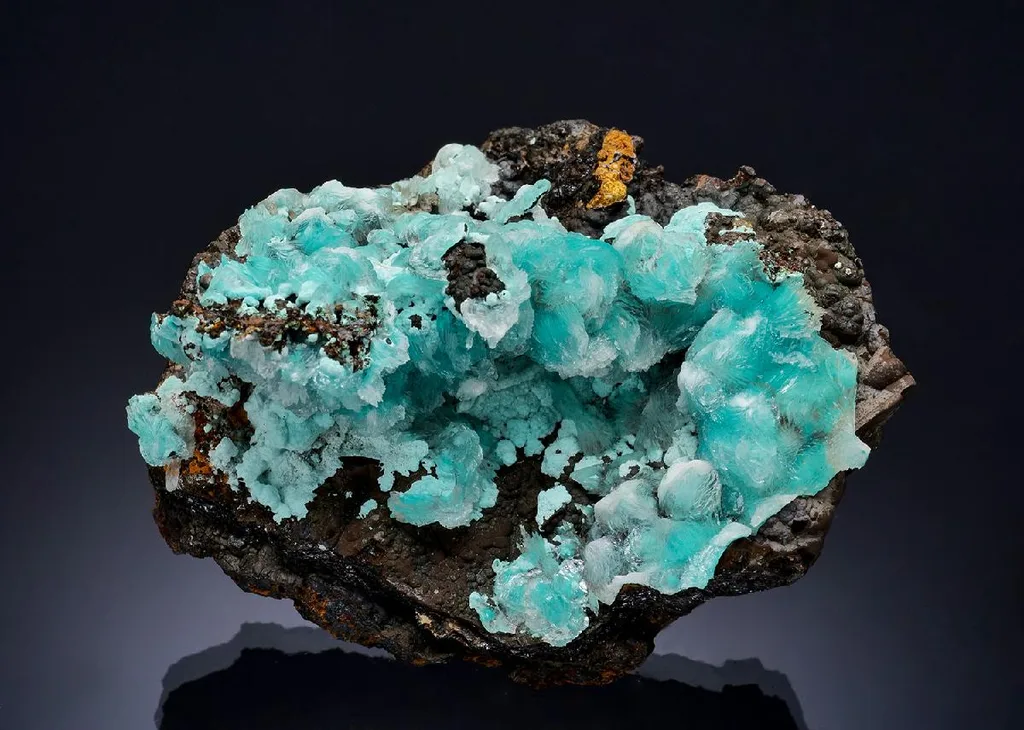
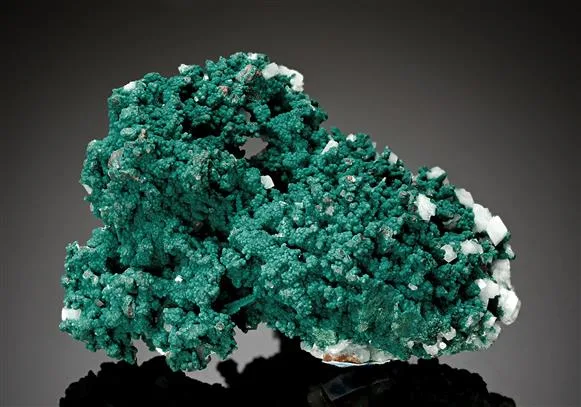
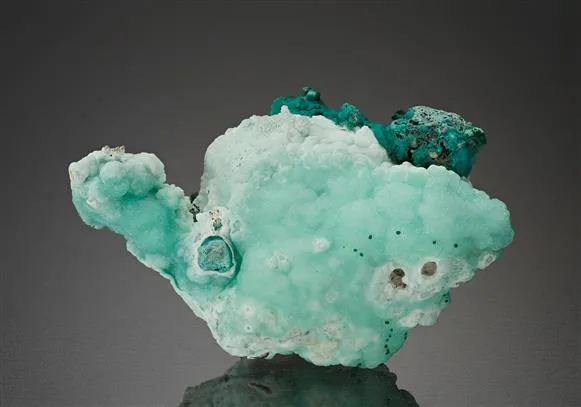
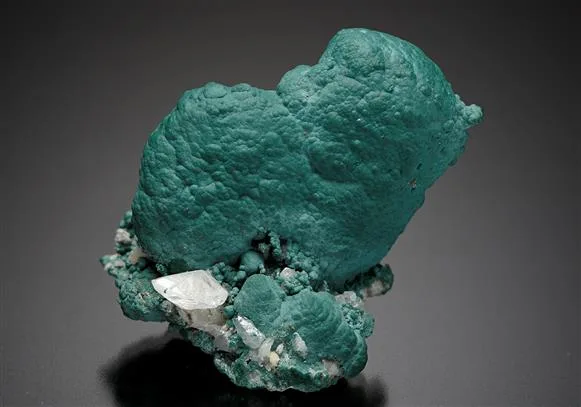
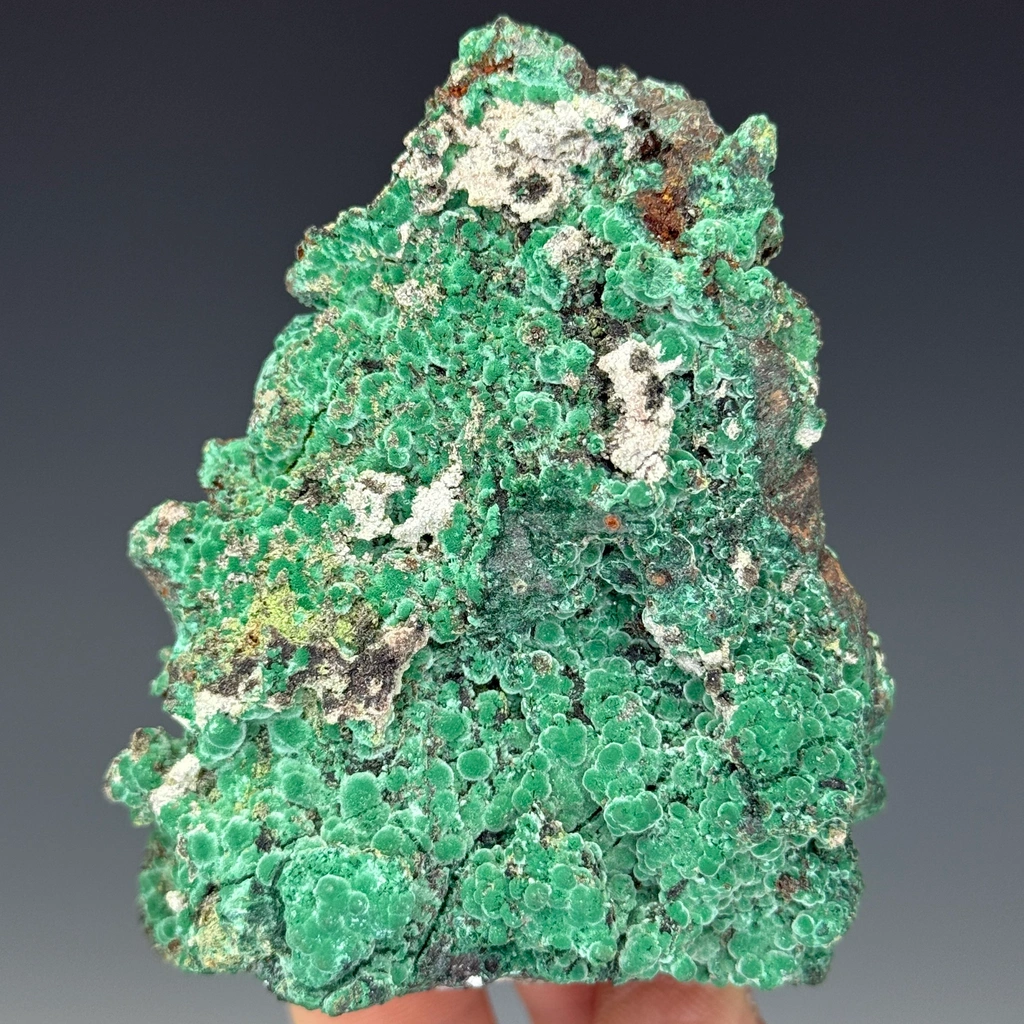
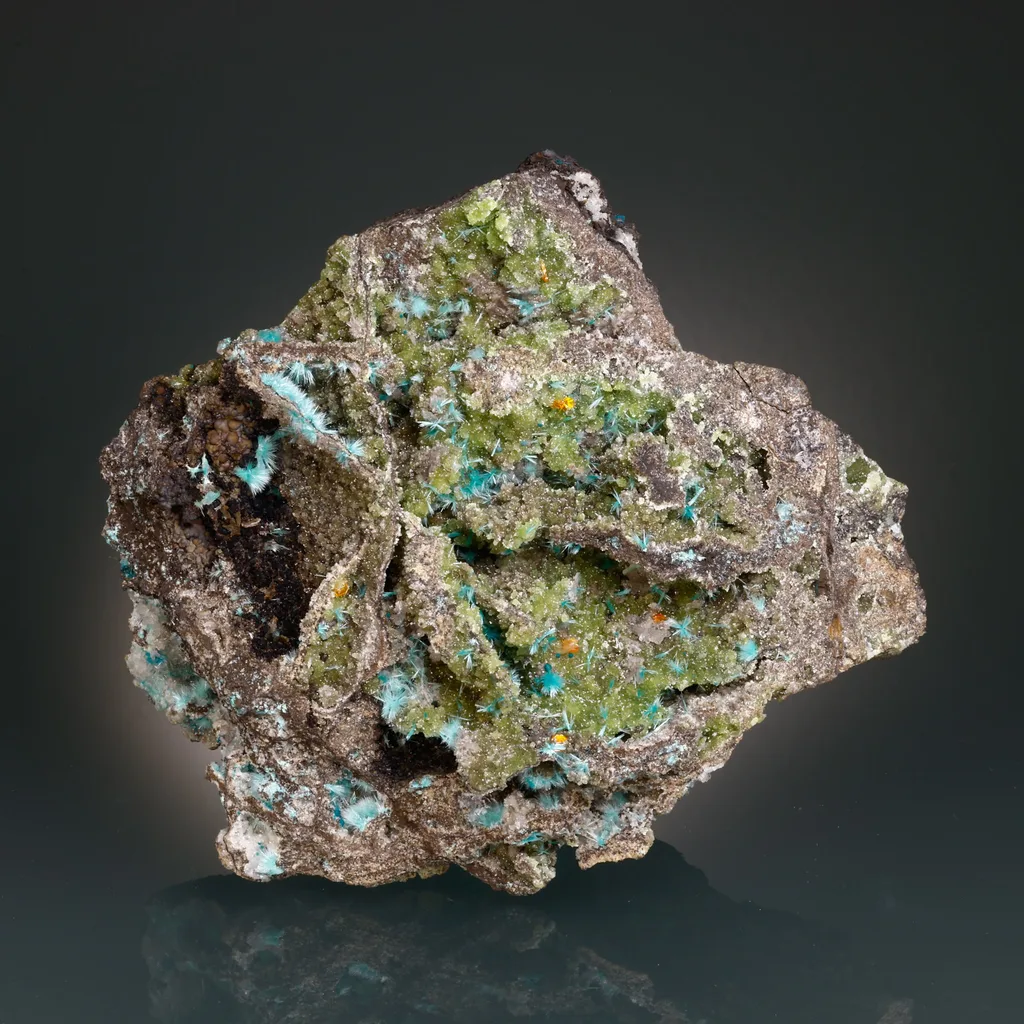
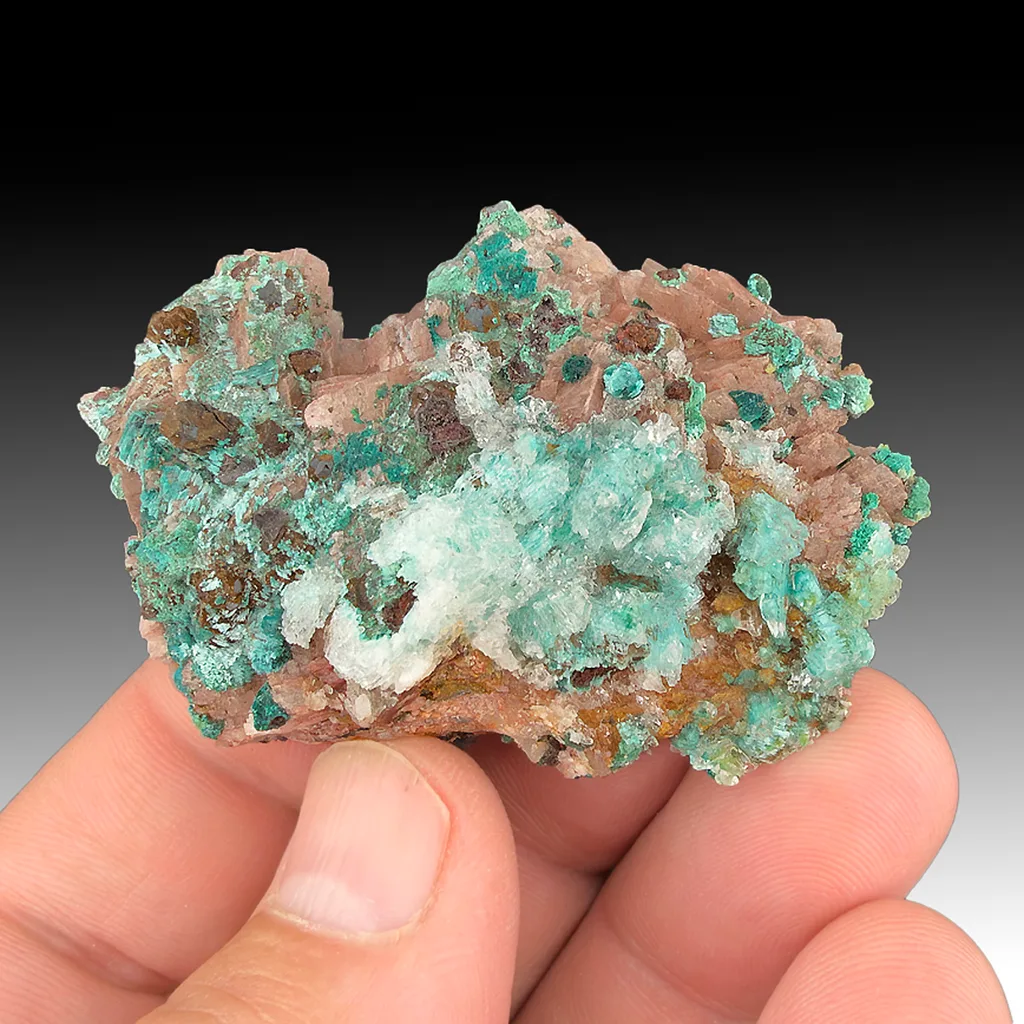
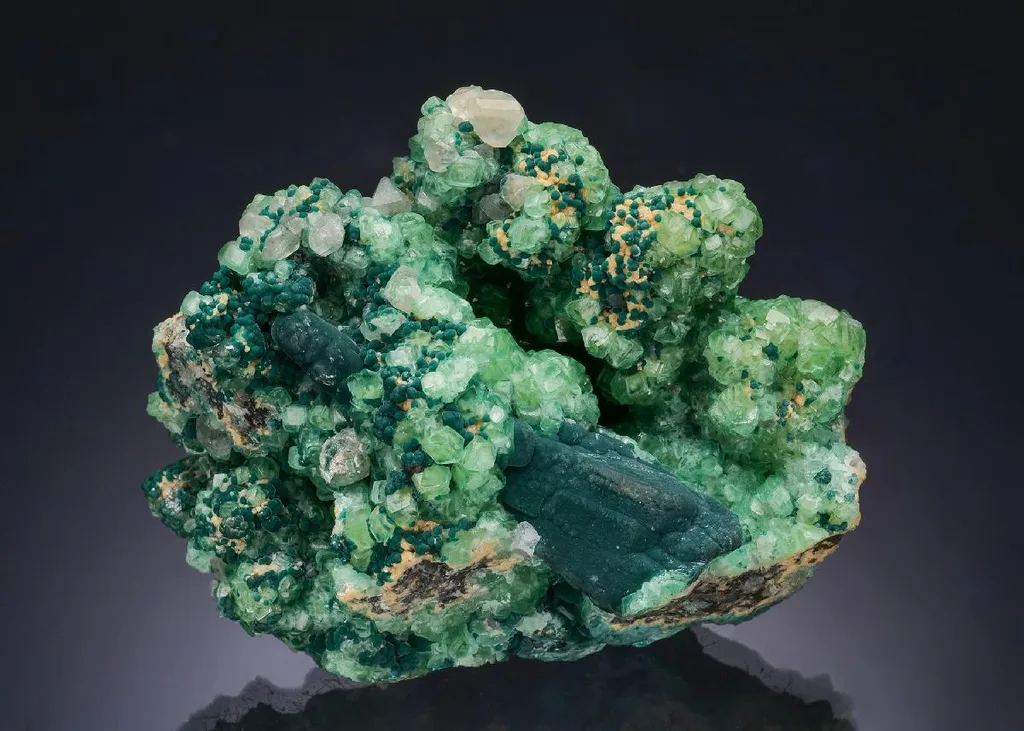
Rosasite is a copper zinc carbonate hydroxide mineral that forms primarily as botryoidal or tabular crystals and thin sheets. It typically presents a green to blue-green color, often with a vitreous to waxy luster and a platy or acicular habit when well-formed. The mineral commonly occurs in oxidized zones of copper- and zinc-bearing deposits, frequently associated with other carbonates and secondary copper minerals, and it can form attractive microcrystals that are prized by collectors. Notable specimens have been recovered from several world-class localities, including classic sites in Namibia, Mexico, the United States, the Republic of the Congo, and Morocco, where Rosasite can appear in vivid contrasting aggregates and occurs in vuggy pockets or veinlets within carbonate-rich host rocks.
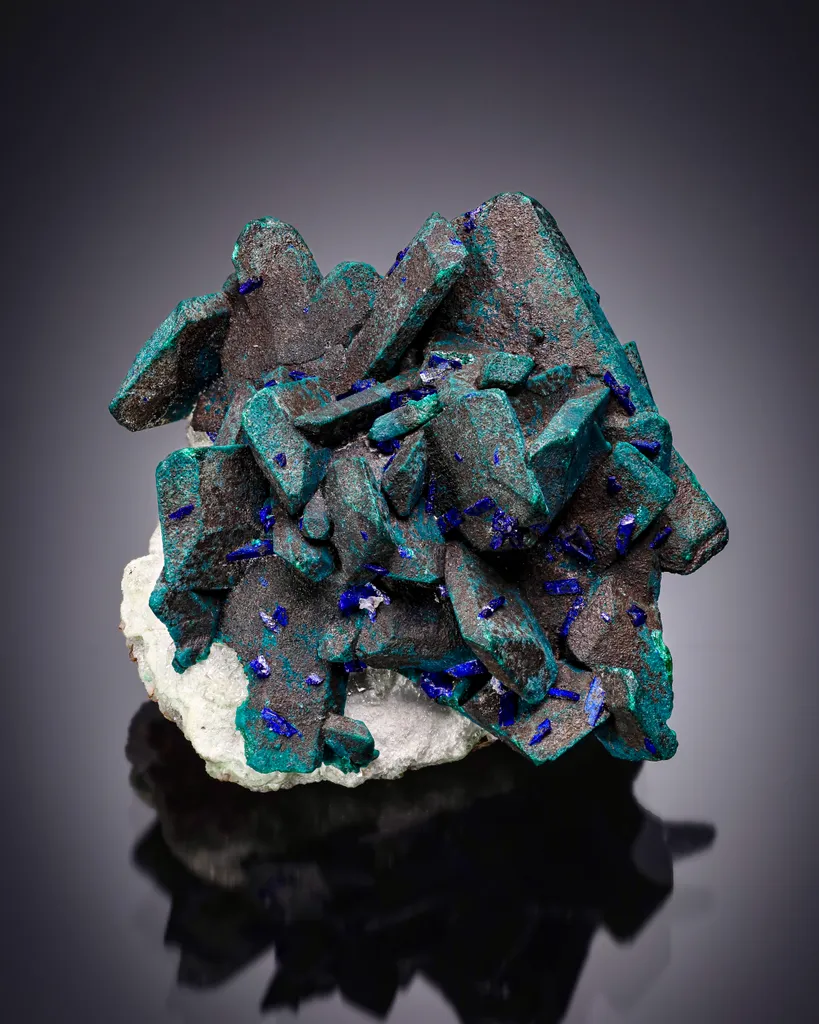
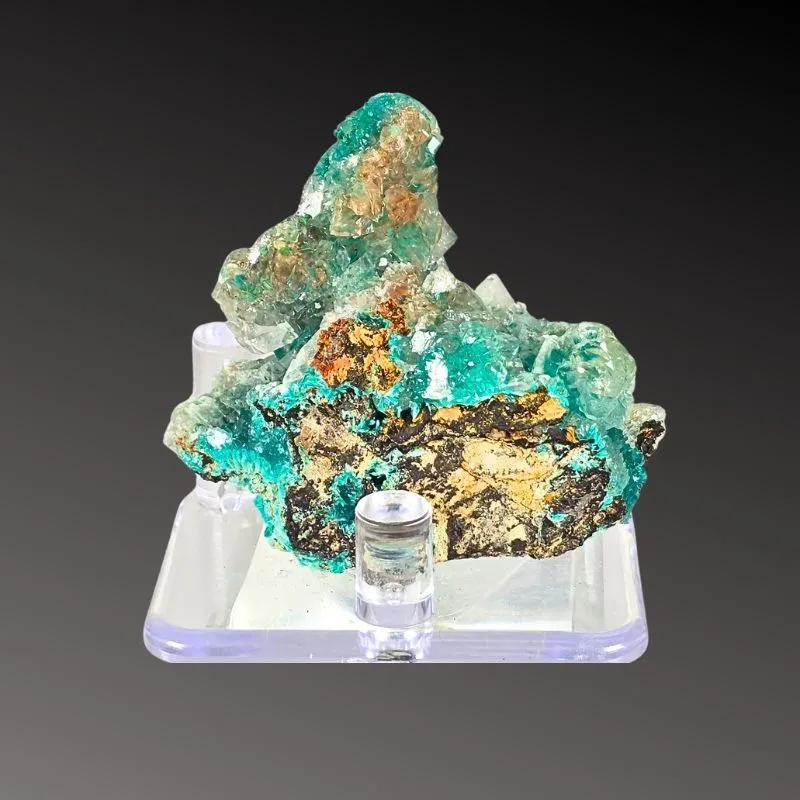
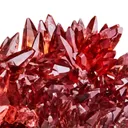
Collectors prize Rosasite for its striking color range and the way its crystals can cluster into colorful, drusy surfaces or delicate sprays. The mineral's pleasing palette and relatively distinctive habit make it a standout in cabinet displays and mineral cabinets alike. While often obtained as secondary crusts on matrix rather than pristine single crystals, particularly fine specimens with well-formed, gemmy faces are sought after by enthusiasts who appreciate secondary copper minerals and the diversity of carbonate minerals formed in oxidized environments.