






Richterite specimens for sale
5 for sale · $300–$5,500 USD
16 in the gallery
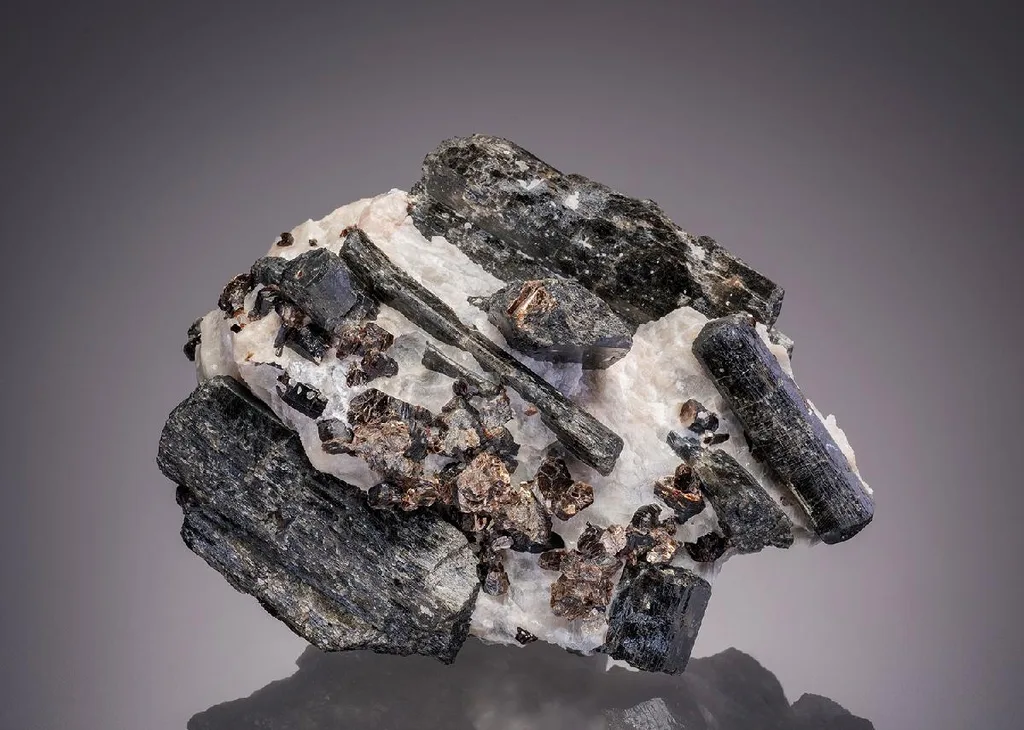
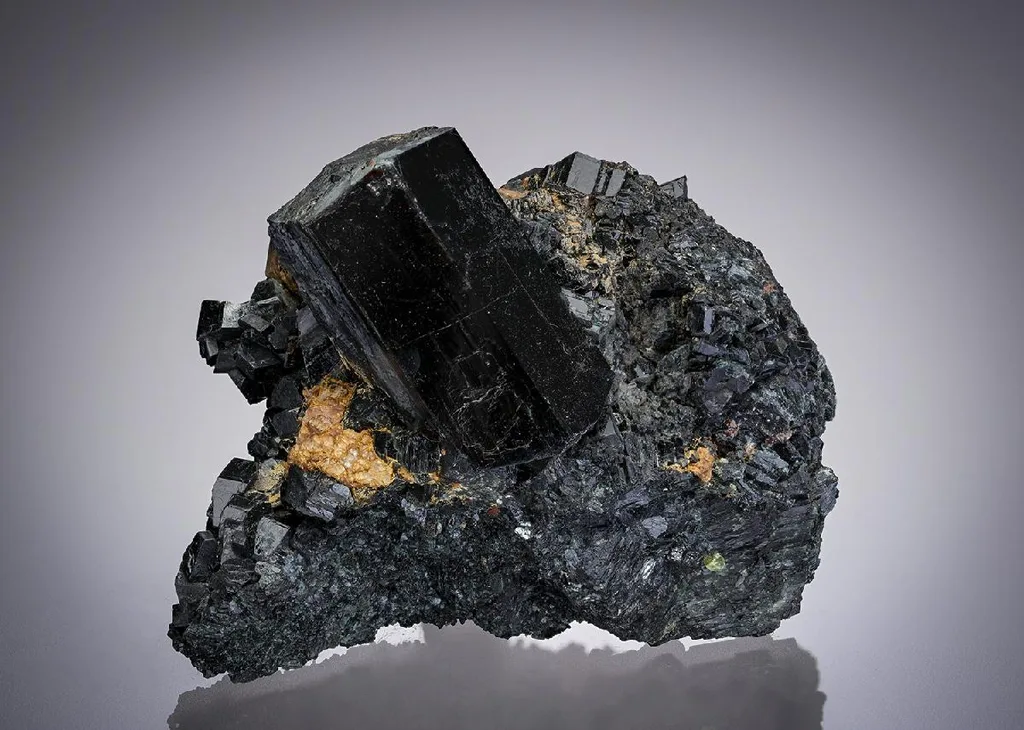
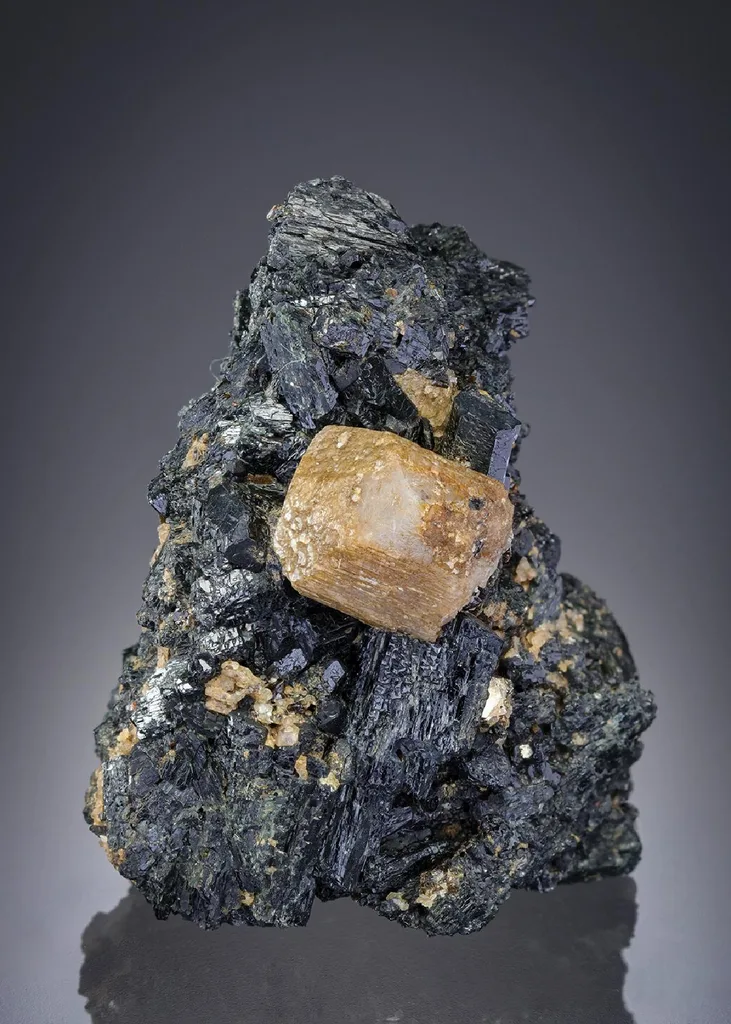
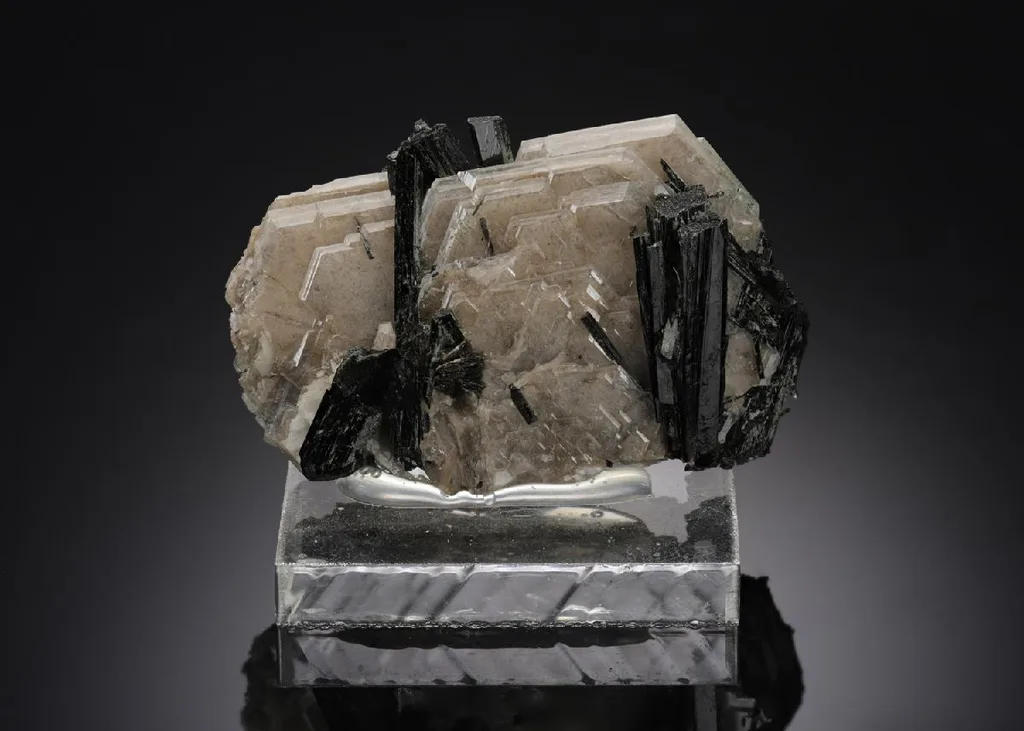
Richterite is a layered silicate mineral that forms in amphibole-group structures, commonly presenting elongated prismatic crystals with a glassy to satin lustre. The color ranges from pale to greenish or brownish tones, often showing a light to medium translucence depending on the specimen. Habit varies from slender needles to firm, course prisms, and it can occur in aggregates that emphasize their elongated, striated faces.
- Formula
- Na(NaCa)Mg5(Si8O22)(OH)2
- Rarity
- Uncommon
- Stability
- Stable
- Collector interest
- Moderate Interest
- Classification notes
- Inosilicates; Amphibole group, double chain silicate (Si8O22(OH)2)
Key characteristics
- Crystal system
- monoclinic
- Mohs hardness
- 5–6
- Specific gravity
- 2.97–3.45
- Luster
- vitreous, silky
- Transparency
- transparent, translucent, opaque
- Color
- colorless, white, gray, brown, red, yellow, green, blue, pink
- Streak
- white, gray
- Cleavage
- perfect
- Fracture
- uneven, splintery
- Crystal habit
- prismatic, bladed, acicular, fibrous, radiating, granular, massive
Buy Richterite specimens
View all 5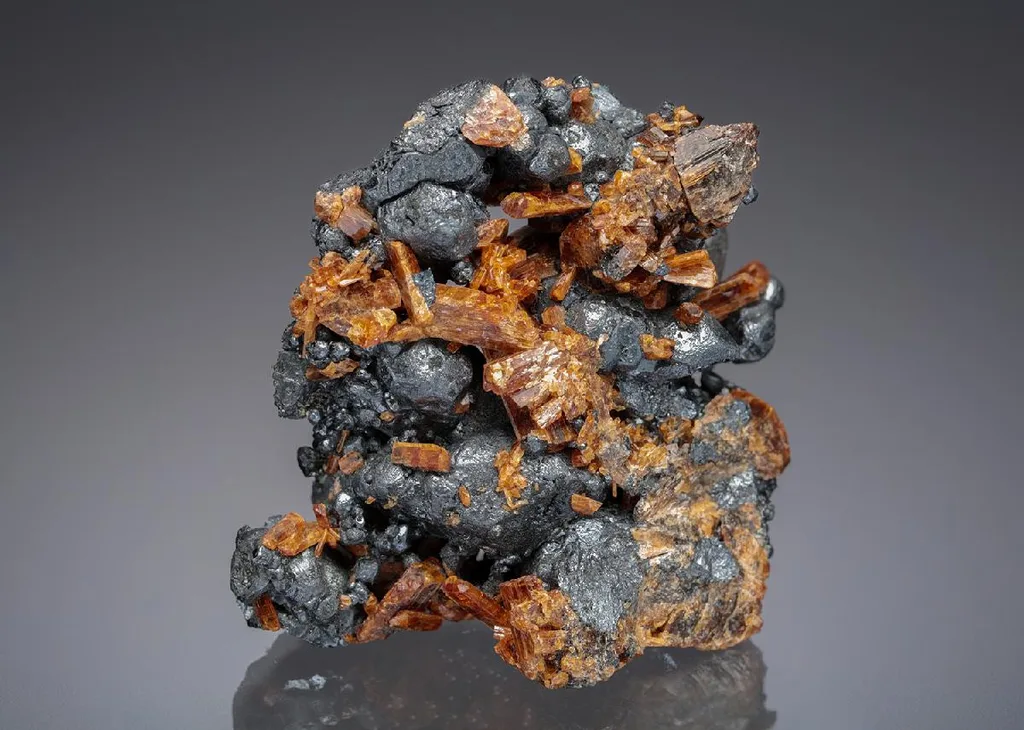
Where Richterite is found
Top localities
- Ladjuar Medam6 specimens
- Badakhshan1 specimen
- Wilberforce area1 specimen
About Richterite
Notable specimens come from classic locales such as Canada and Madagascar, with other important collections reporting finds in Afghanistan, Sweden, and Brazil. Richtersite-bearing rocks typically form in metamorphosed ophiolitic and skarn environments, where high-temperature, low-pressure conditions promote amphibole crystallization. The mineral is commonly associated with other amphiboles and silicate minerals in mineral-rich veins and contact metamorphic zones, yielding specimens that display precise crystallography and a pleasing, gleaming surface.
Collectors value richterite for its crisp crystal forms, subtle coloration, and the way light interacts with its prismatic faces. The species adds diversity to amphibole suites, offering a window into the geologic processes of the environments where it grows and the aesthetic appeal of its elongated habit when displayed with complementary minerals.