
Guide
31 for sale · $200–$4,500 USD
152 in the gallery
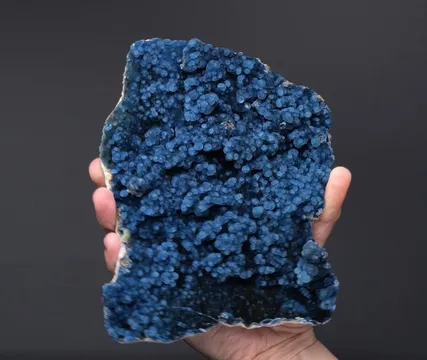
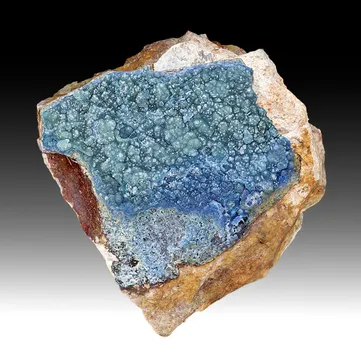
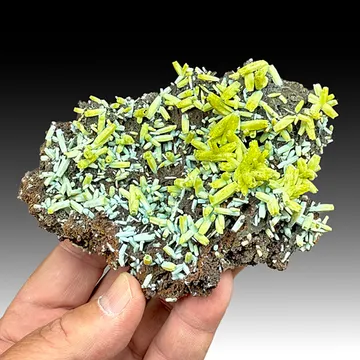
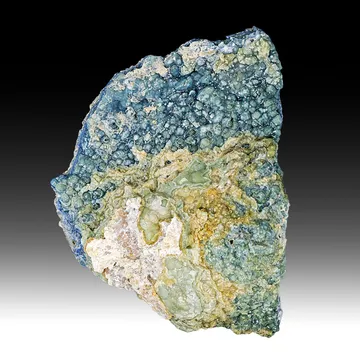
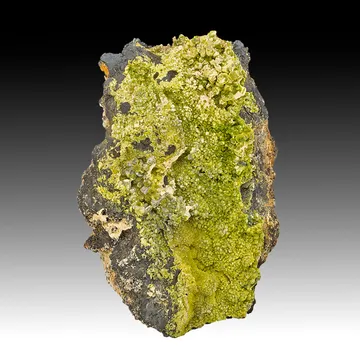
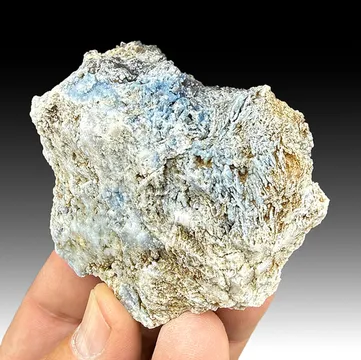
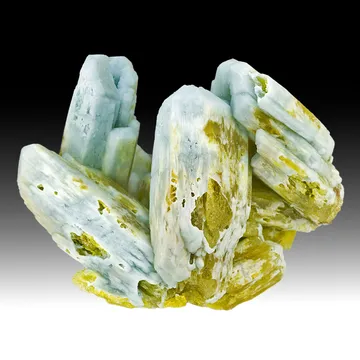
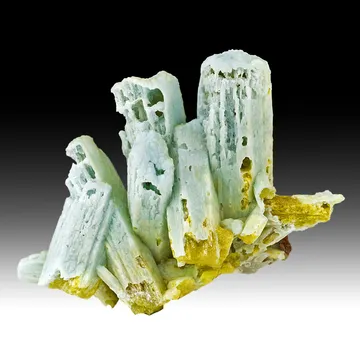
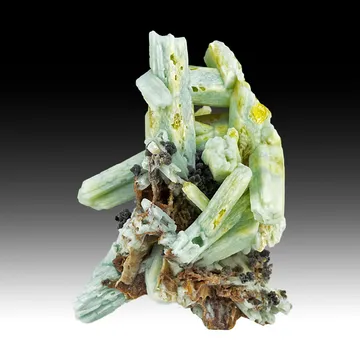
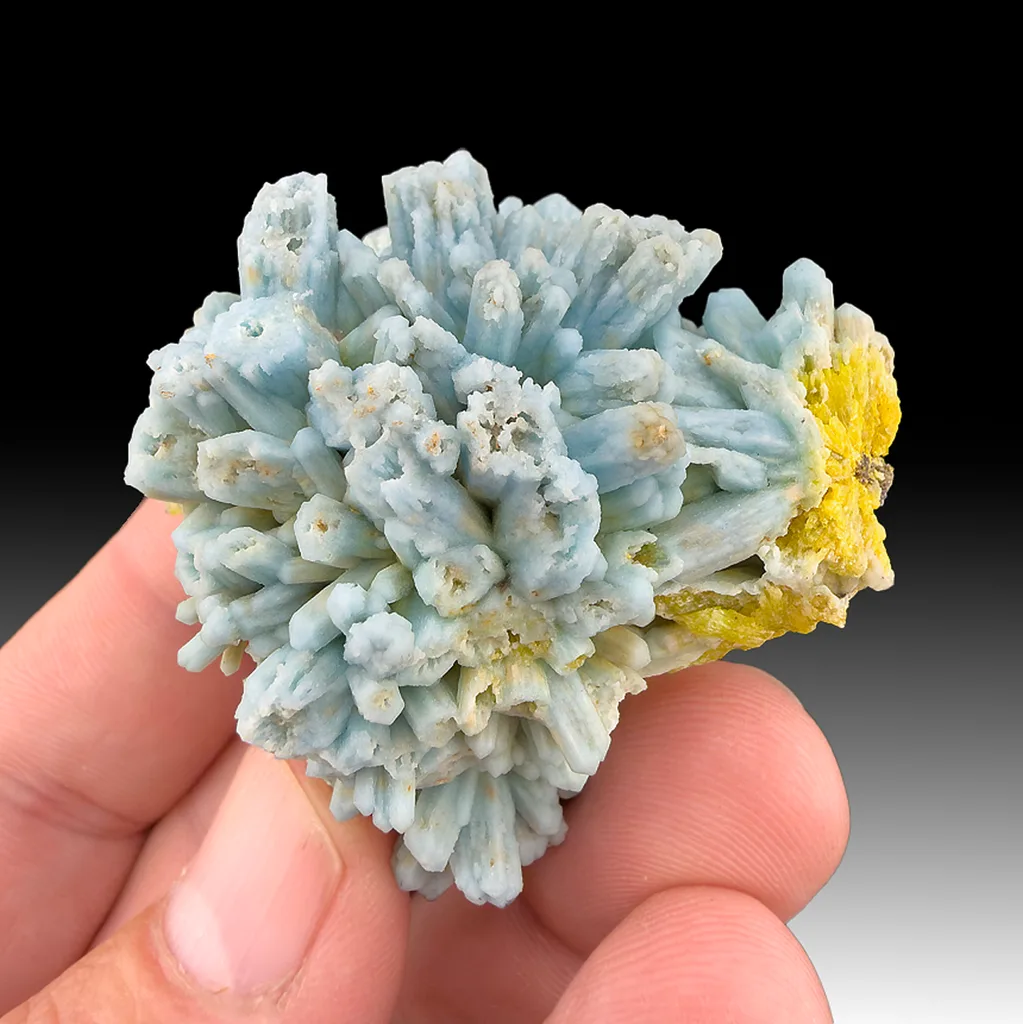
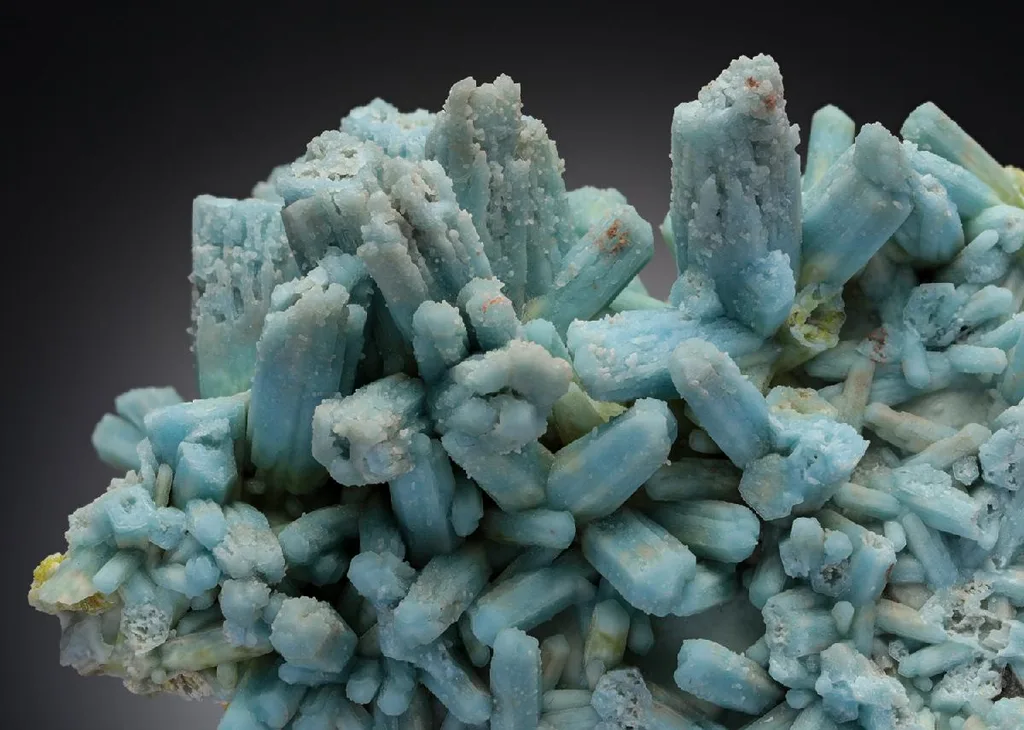
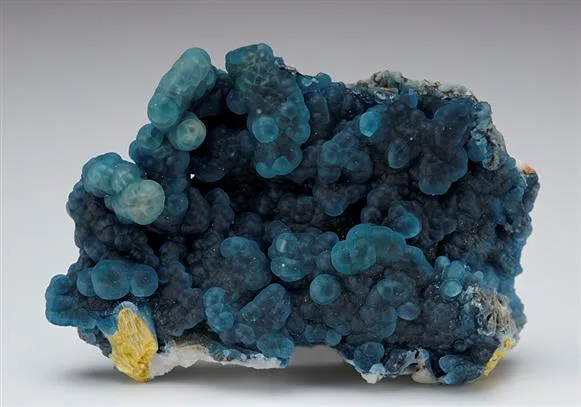
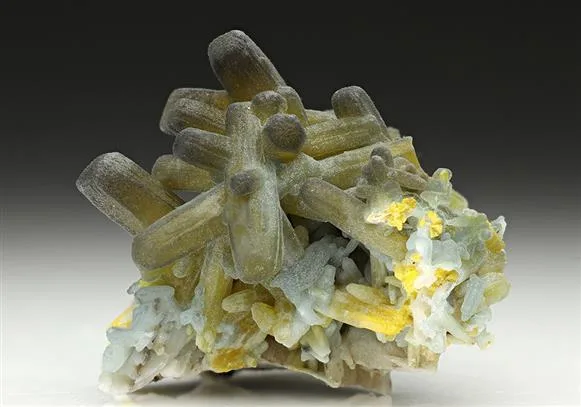
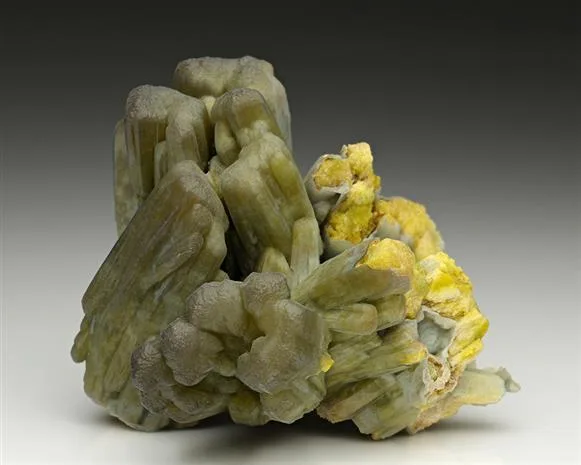
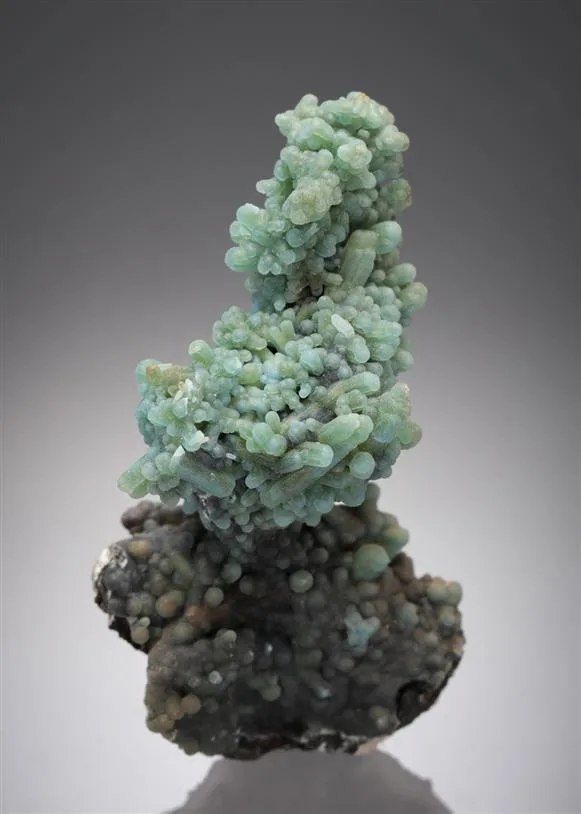
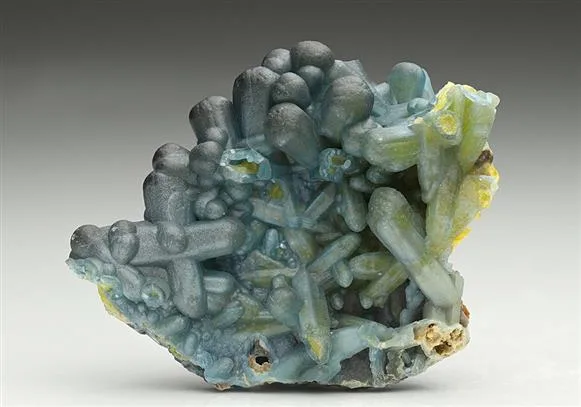
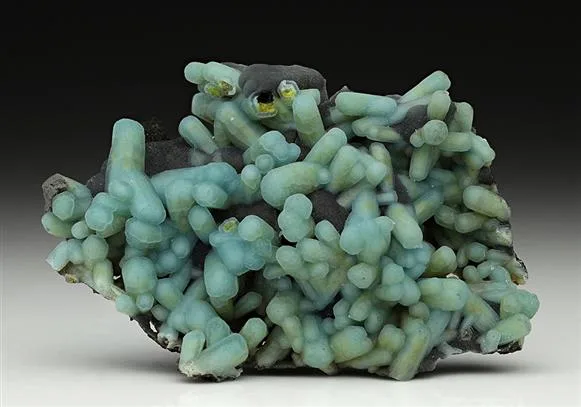
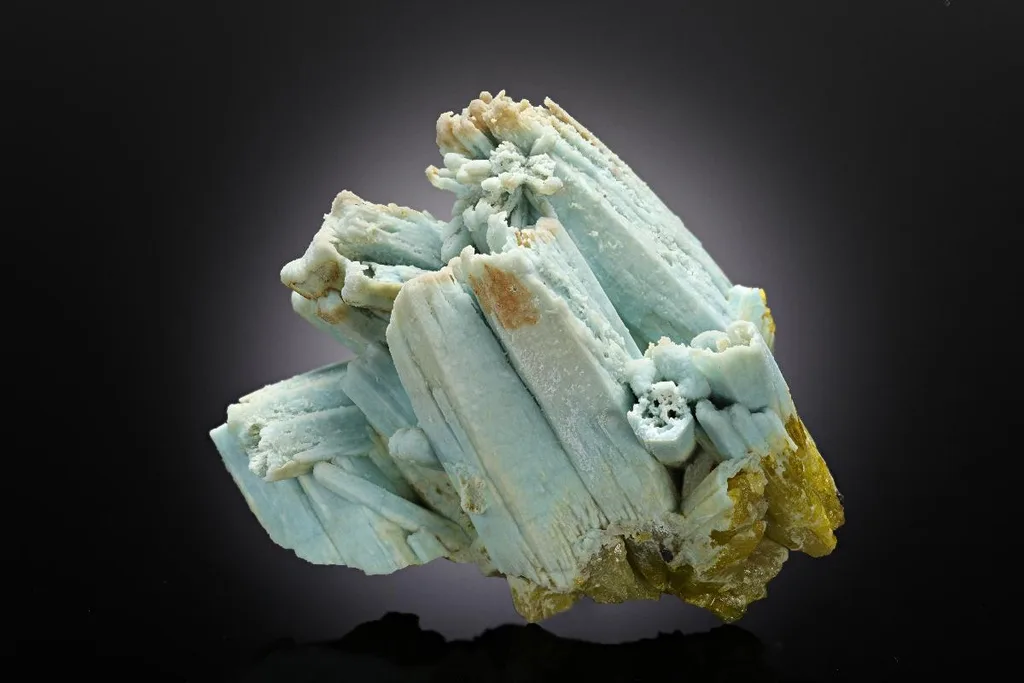
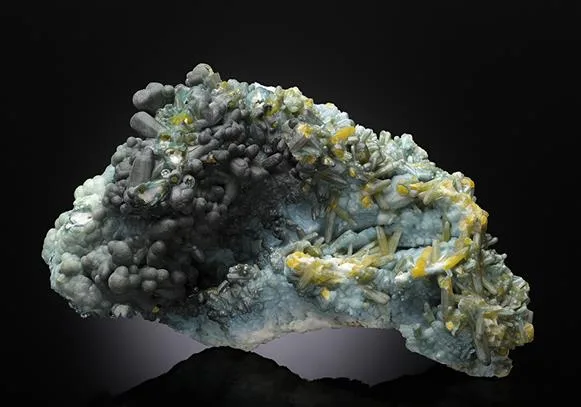
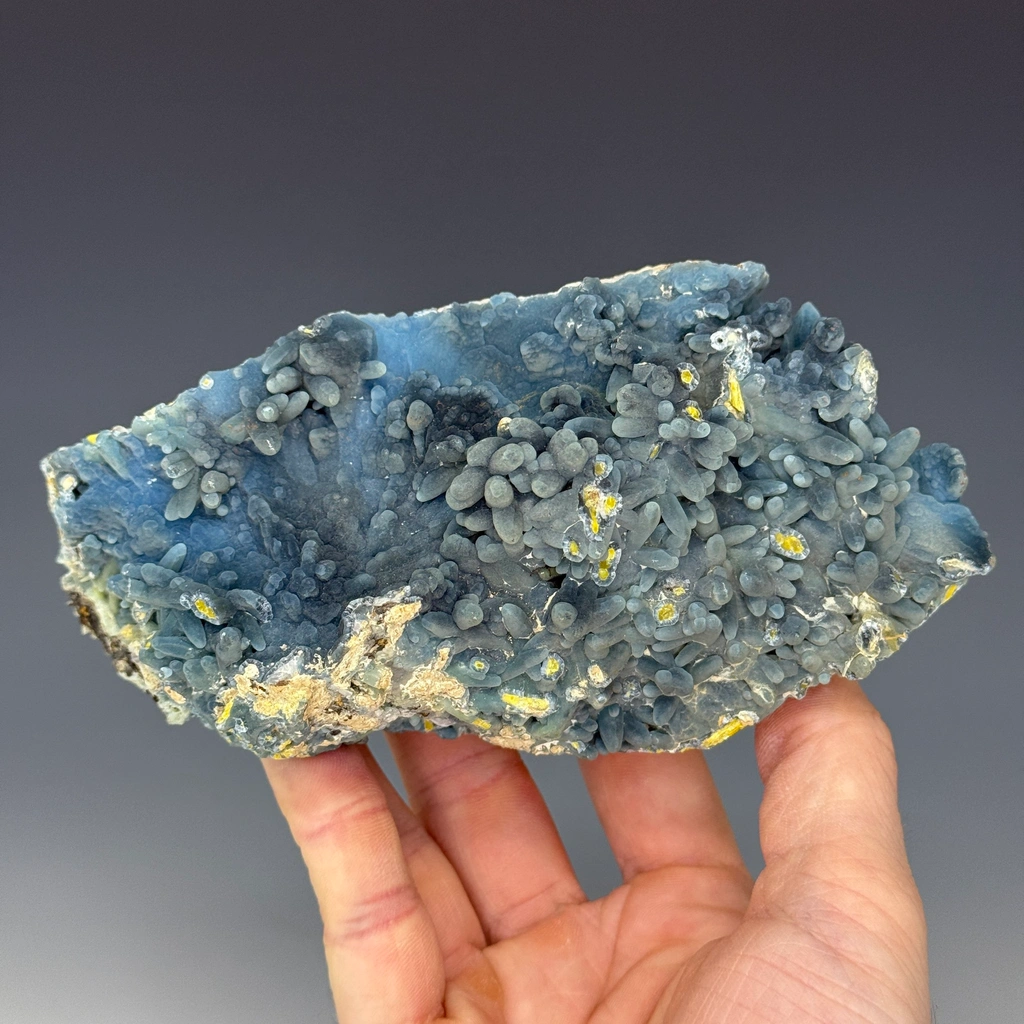
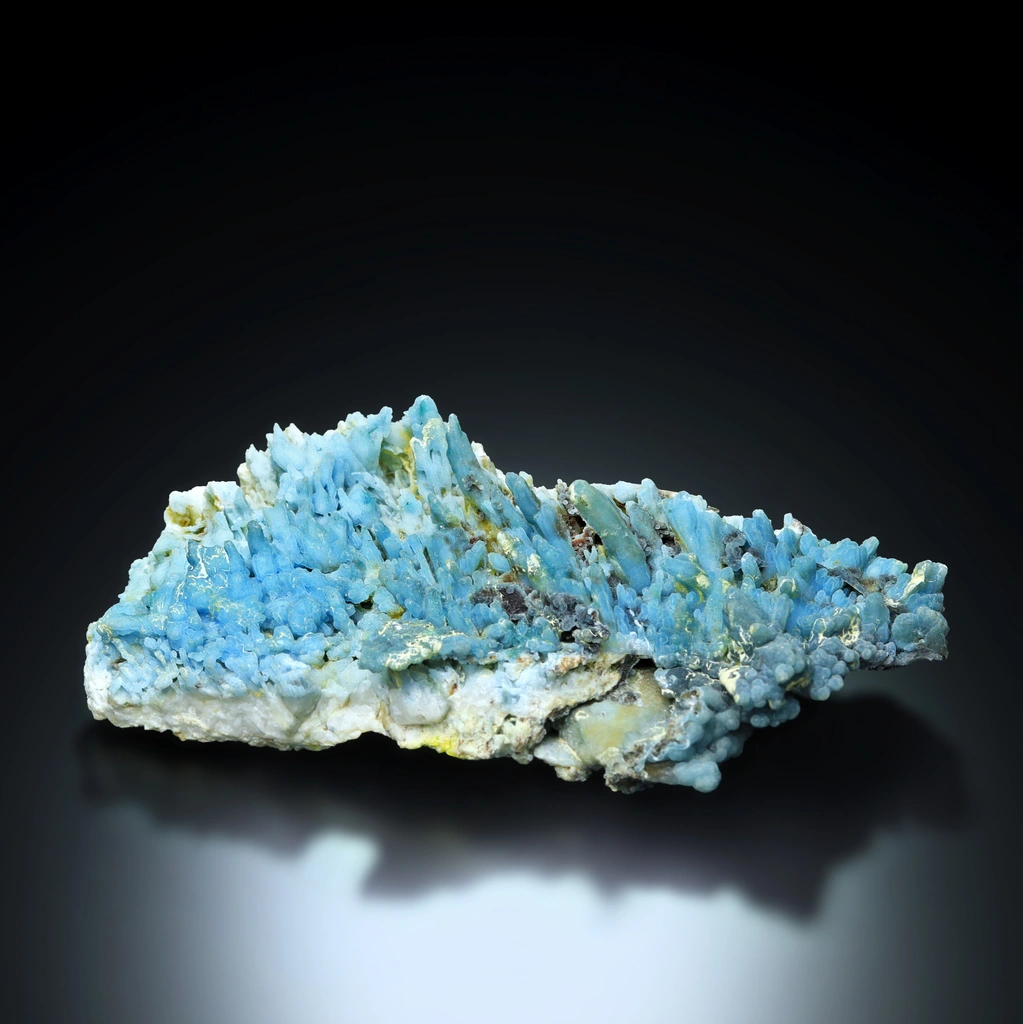
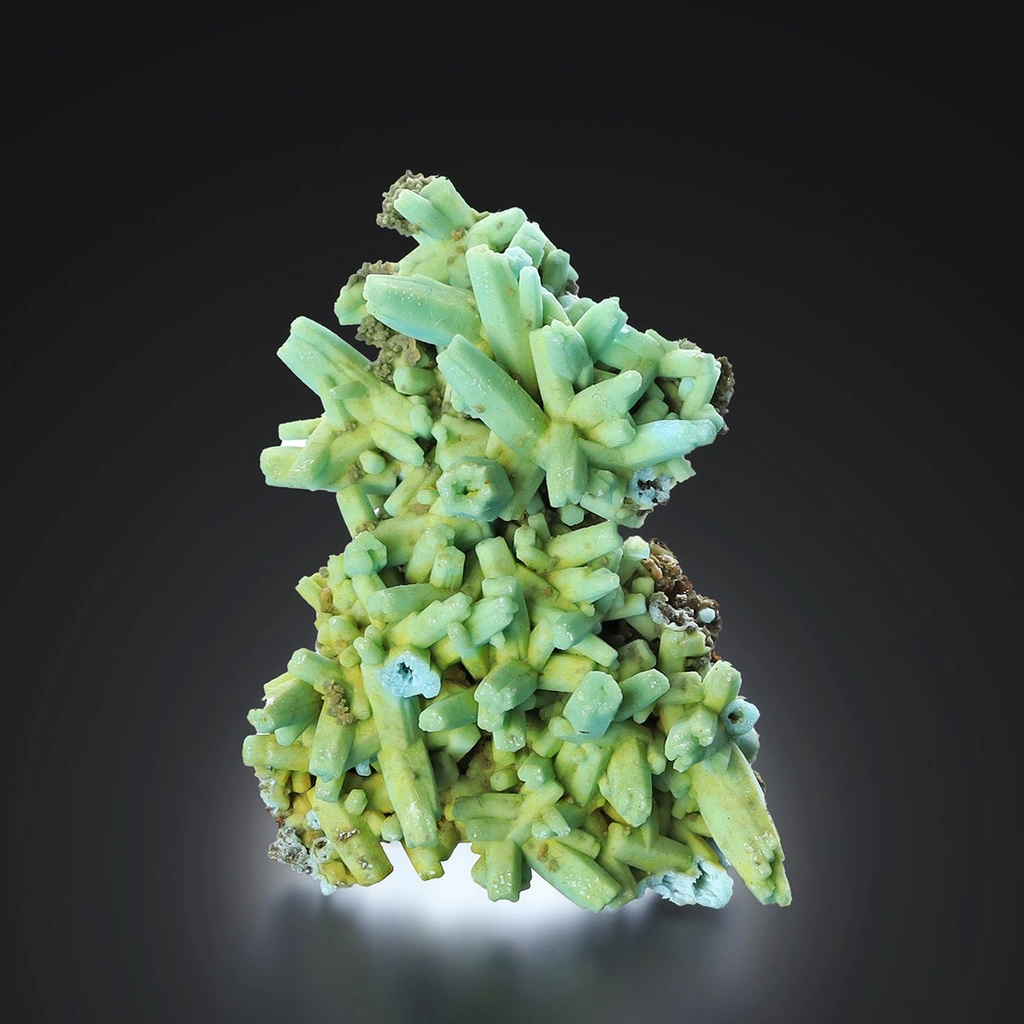
Plumbogummite is a lead aluminum phosphate mineral that forms as tabular, prismatic crystals and aggregates with a distinctive blue to green to pale chartreuse coloration. It commonly occurs as well-formed crystals on matrix or as botryoidal to layered masses, displaying a resinous to vitreous luster that highlights its sharp faces and stepped terraces. Notable localities include China, Spain, Morocco, the UK, and Australia, where it has appeared in copper- and phosphate-rich deposits and on hydrothermal veins, often associated with other lead phosphates and secondary minerals. Collectors value Plumbogummite for its unusual crystal habit, range of colors, and the way it can form delicate, fabric-like aggregates or robust, larger crystals suitable for display. The mineral’s chemistry and reflective surfaces contribute to striking, metallic blue sheen under proper lighting, making specimens attractive for showcases and study alike.
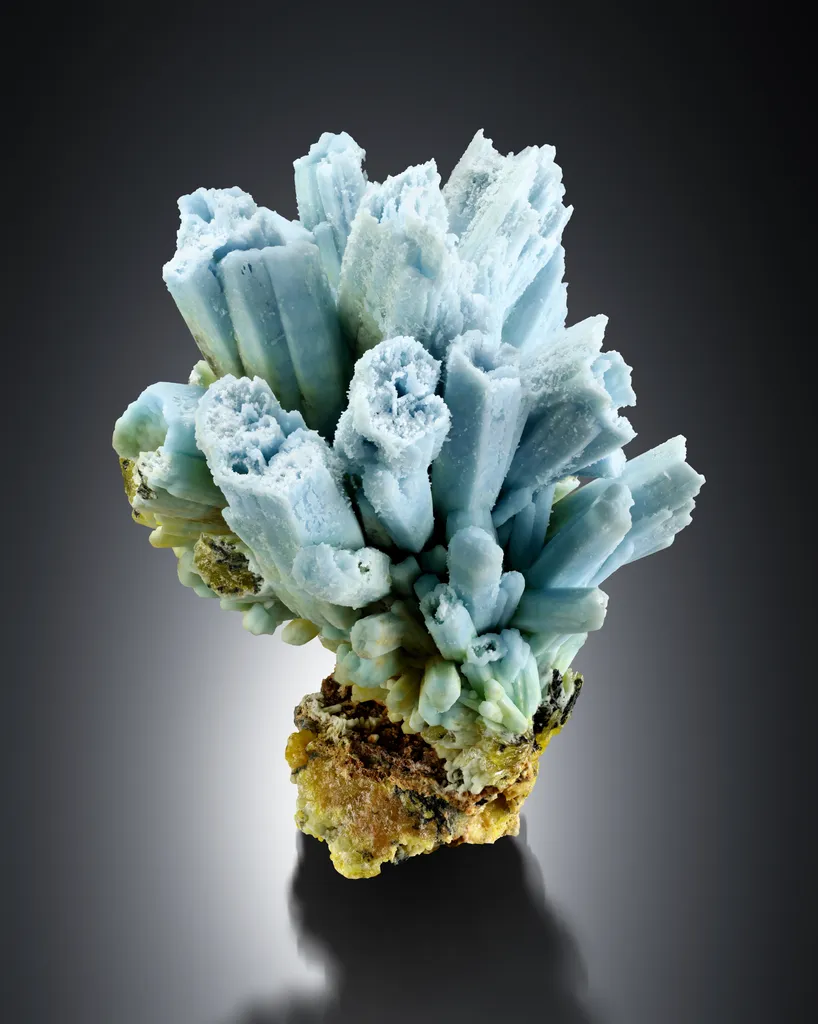
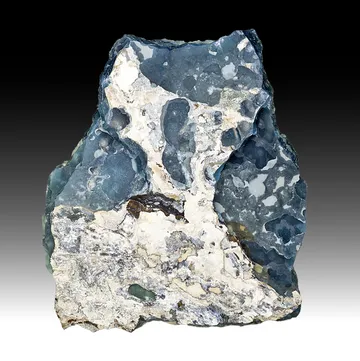
In hand samples, Plumbogummite can exhibit a soft, waxy to vitreous luster and a fairly compact to platy habit, sometimes presenting pale yellow or cream intergrowths that contrast with deeper blue-green tones. Fine specimens typically come from well-documented hydrothermal or secondary environments where lead, aluminum, phosphate, and water-rich conditions promote crystallization. For collectors, the appeal lies in its visual diversity, locality-driven variation, and the way even small crystals contribute color and texture to a cabinet of minerals.