Guide
51 for sale · $55–$12,500 USD
94 in the gallery
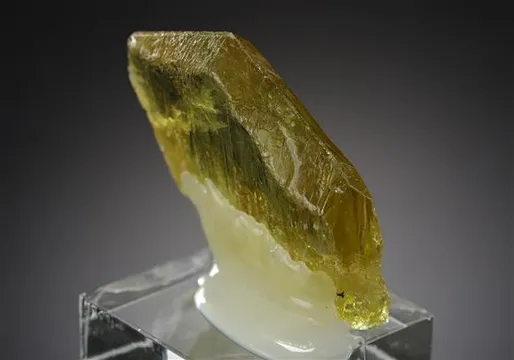
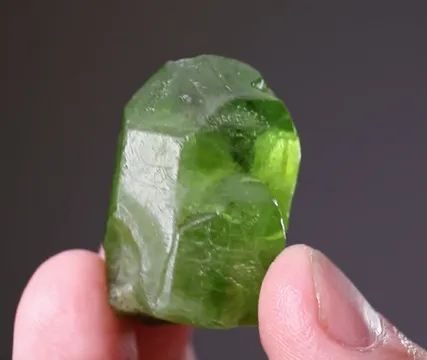
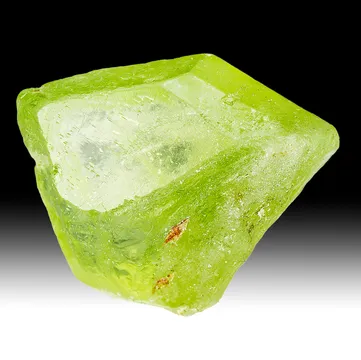
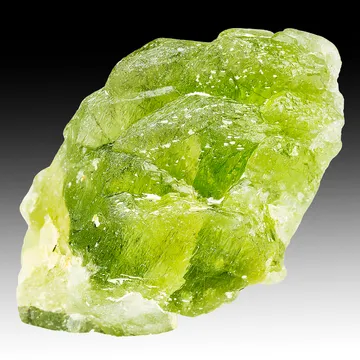
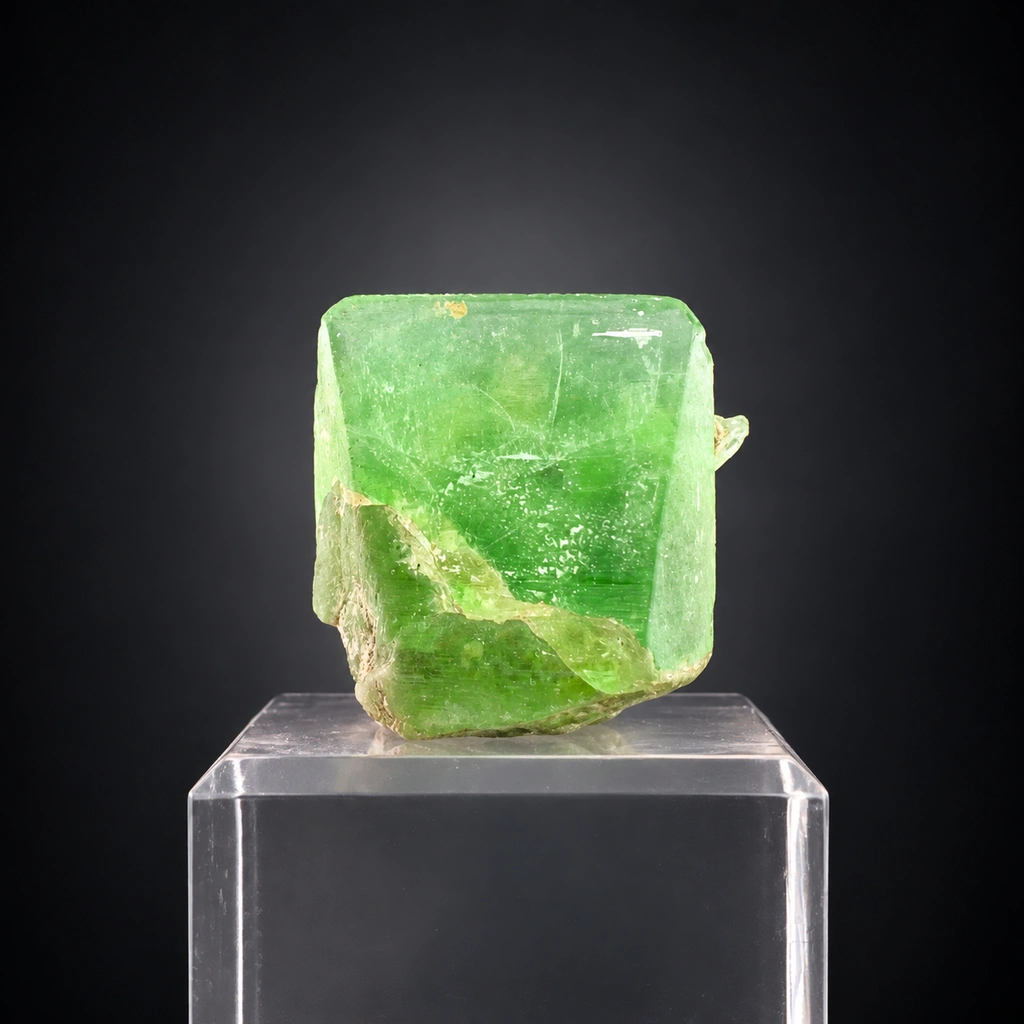
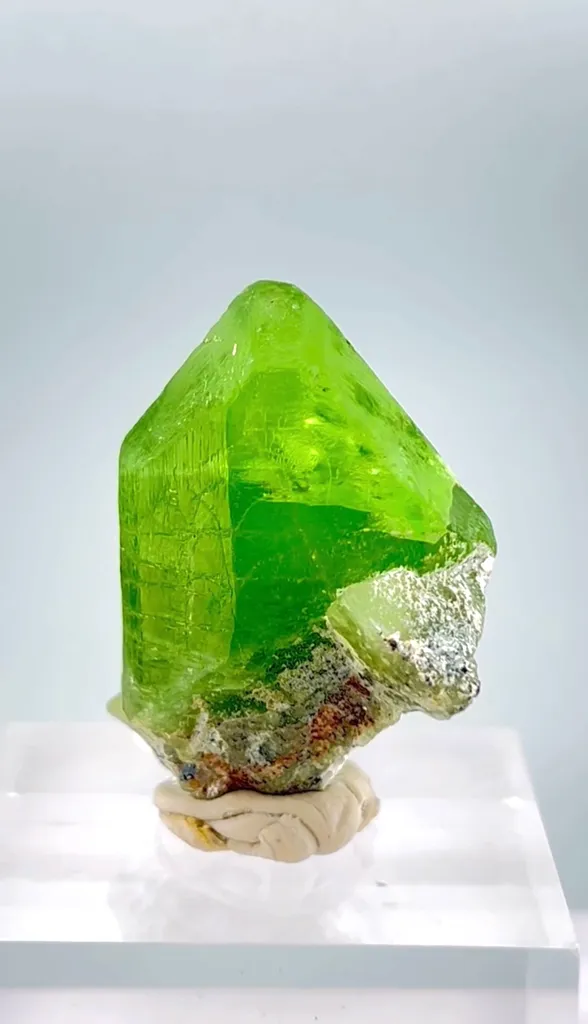
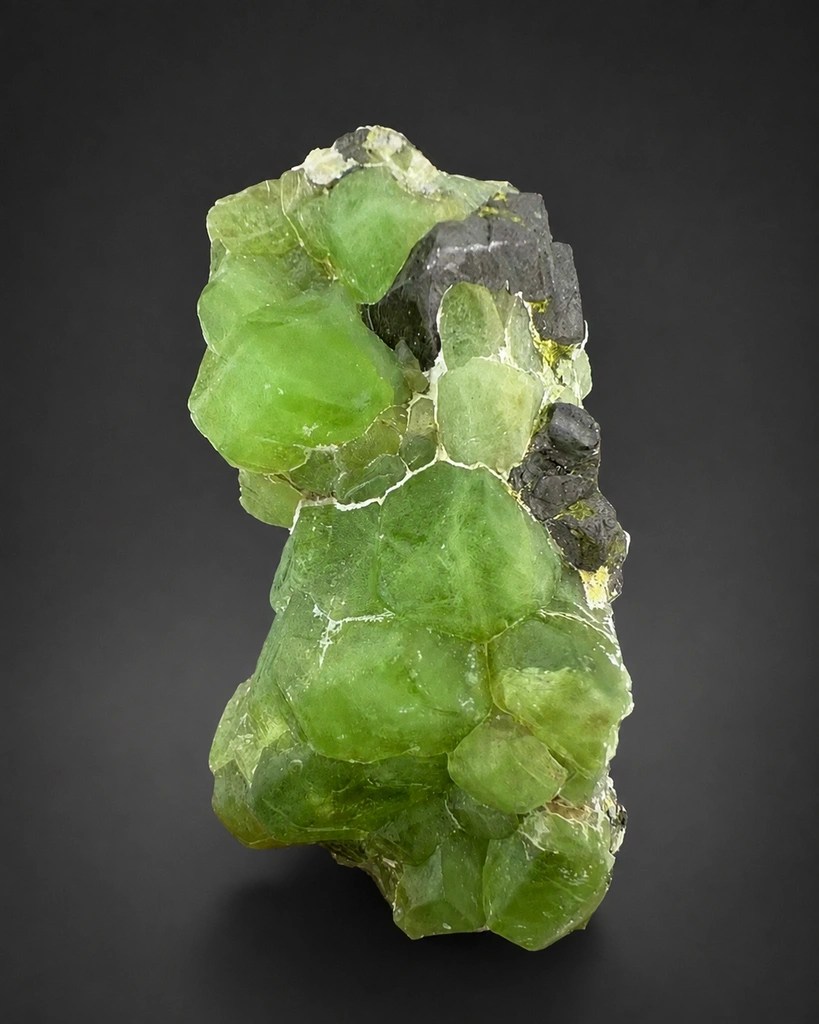
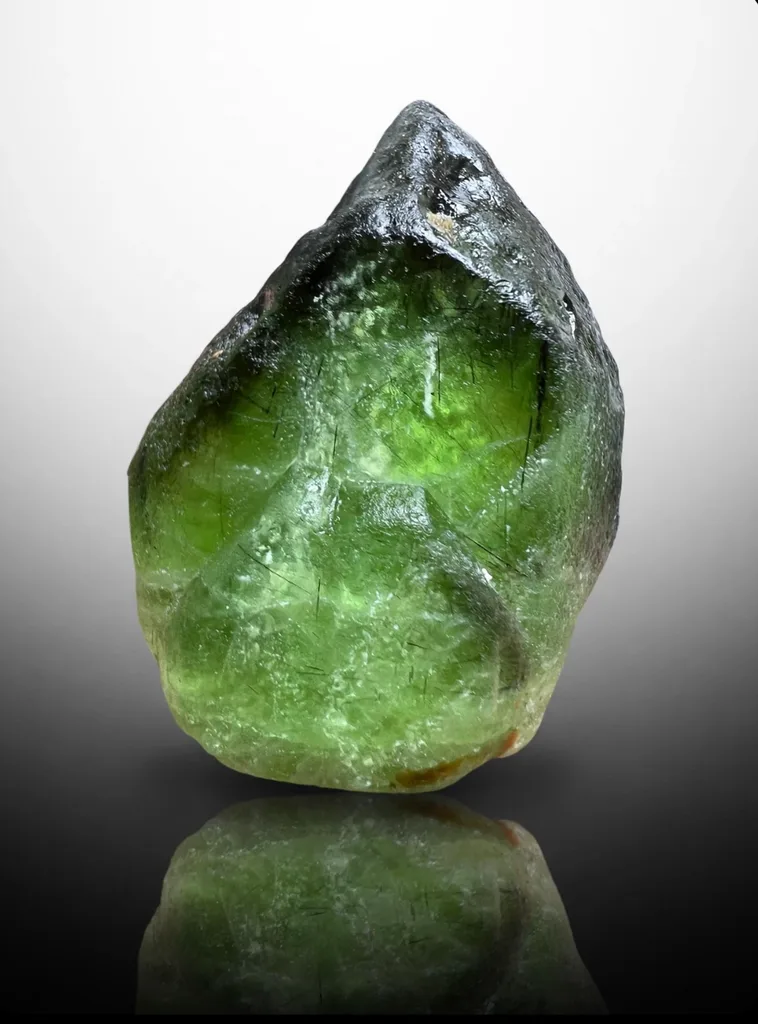
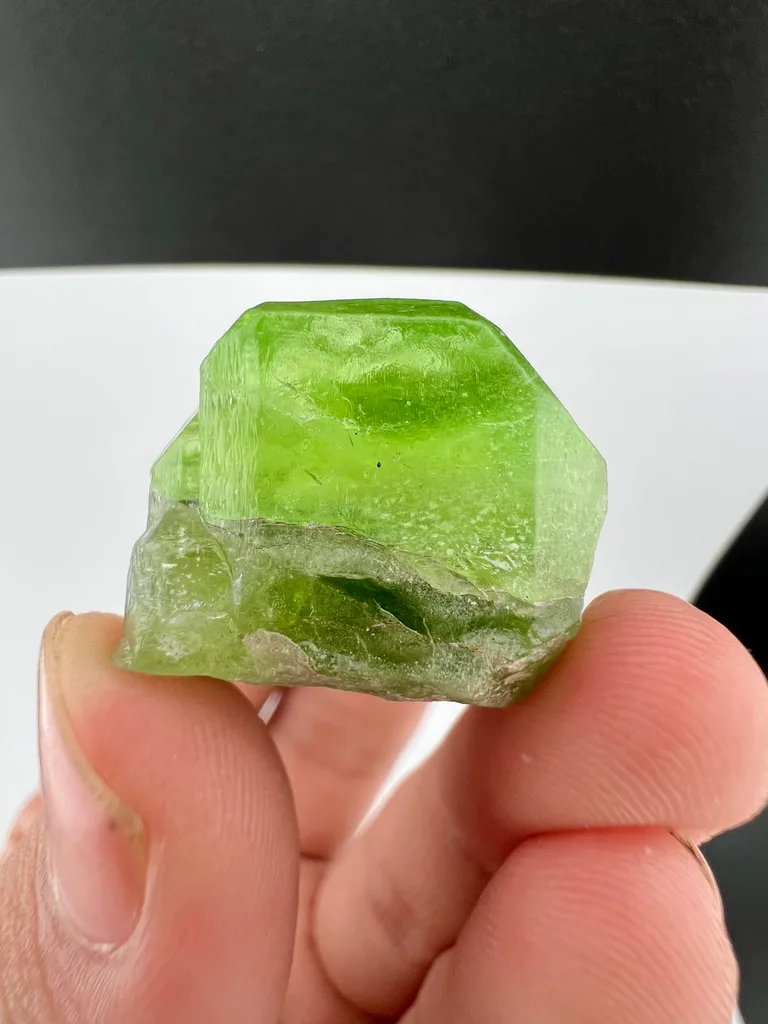
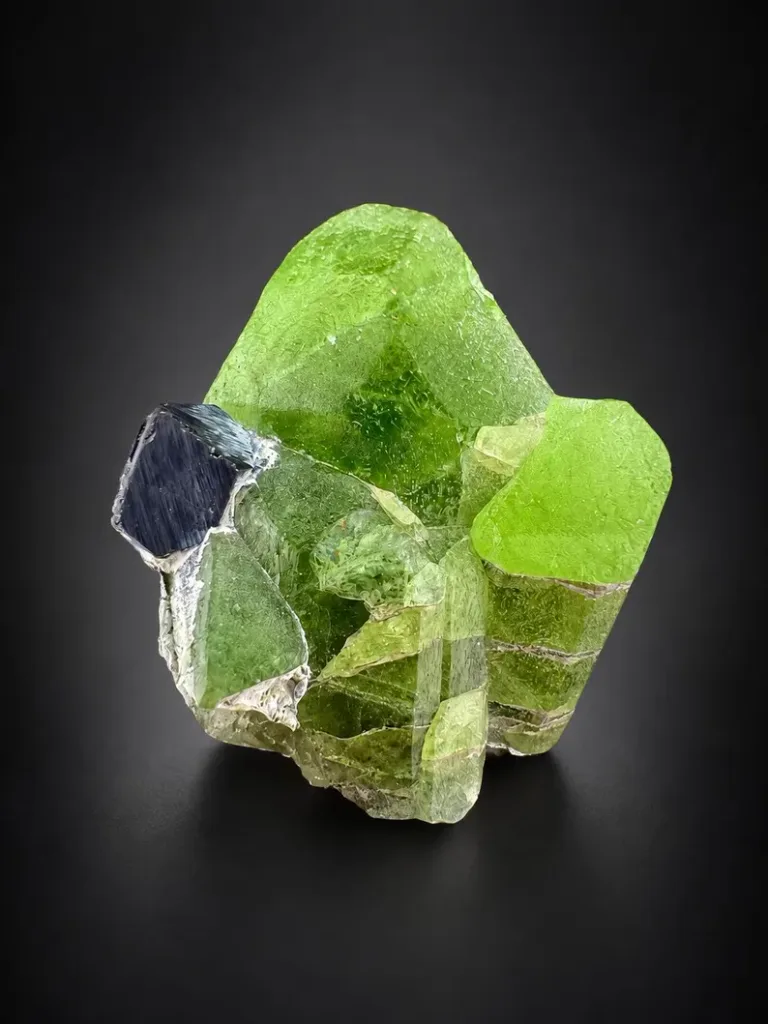
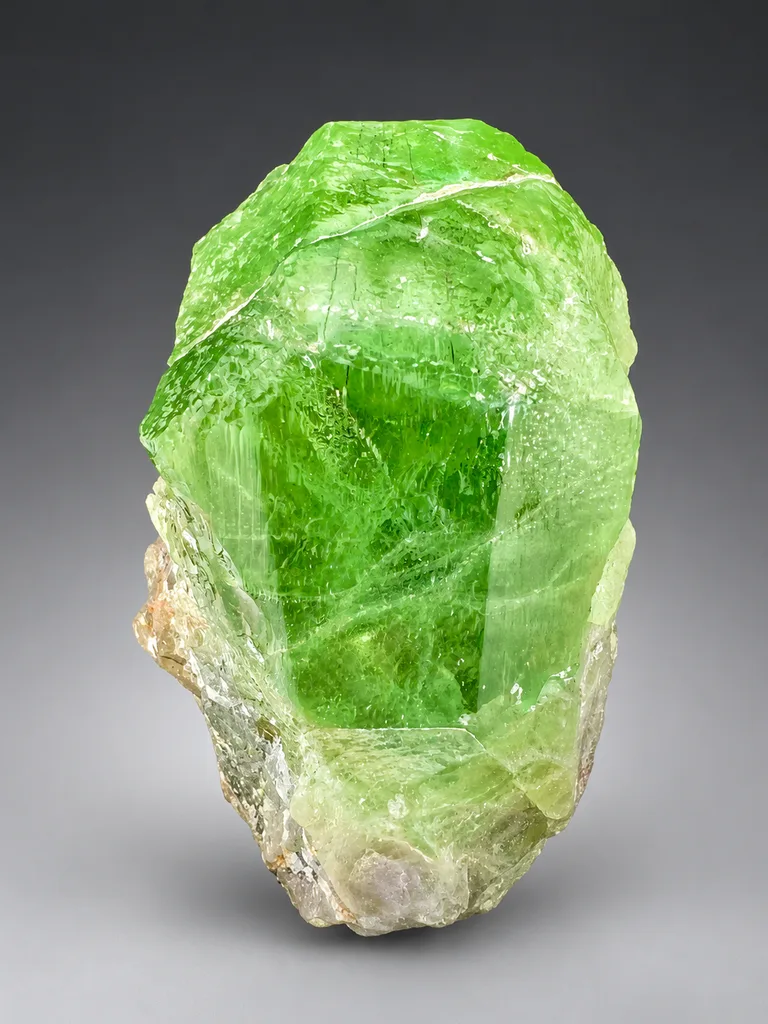
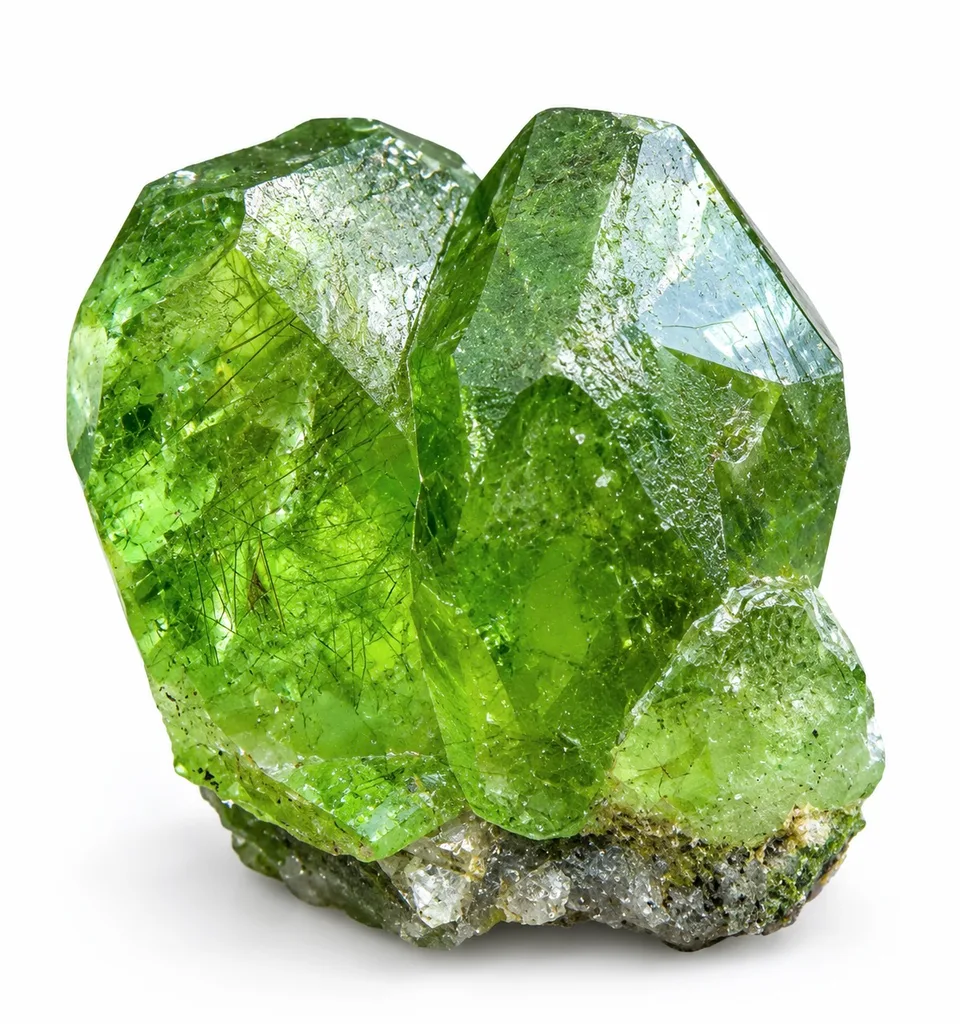
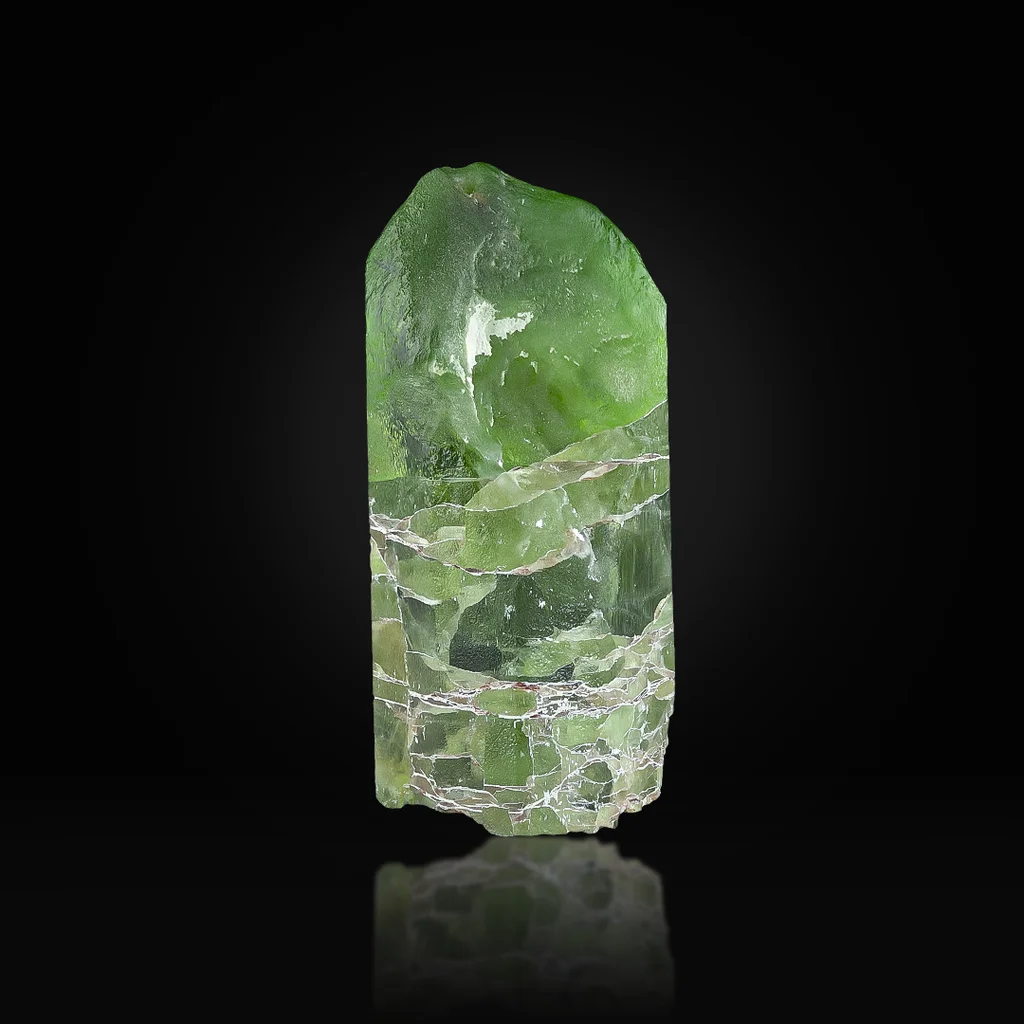
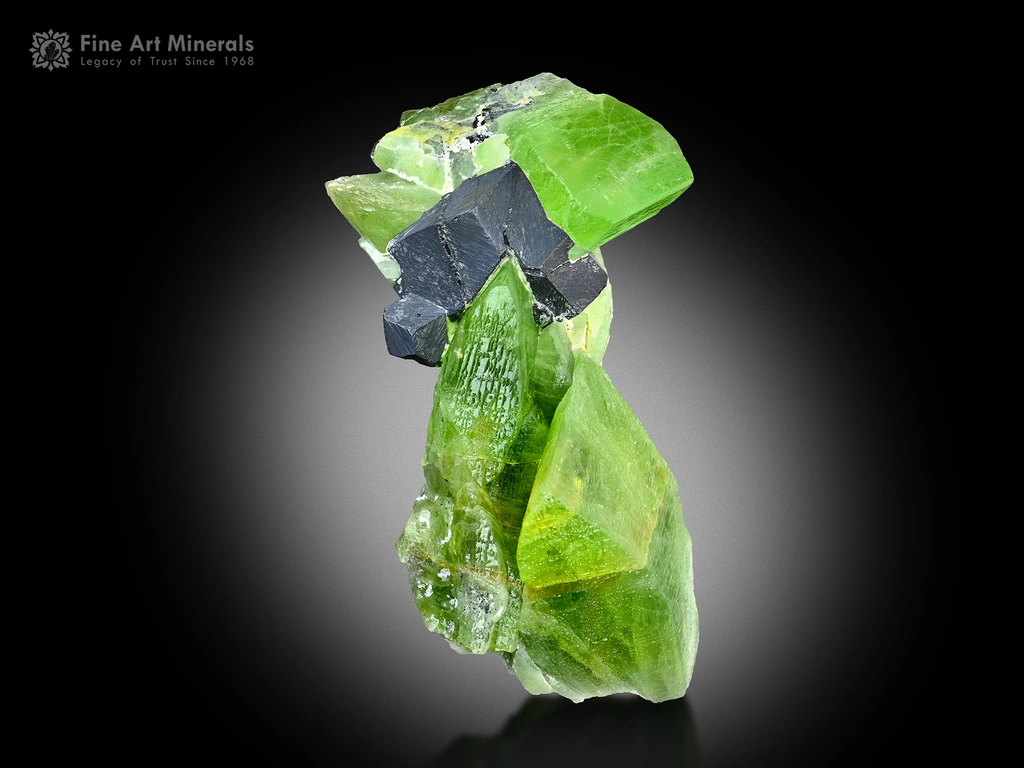
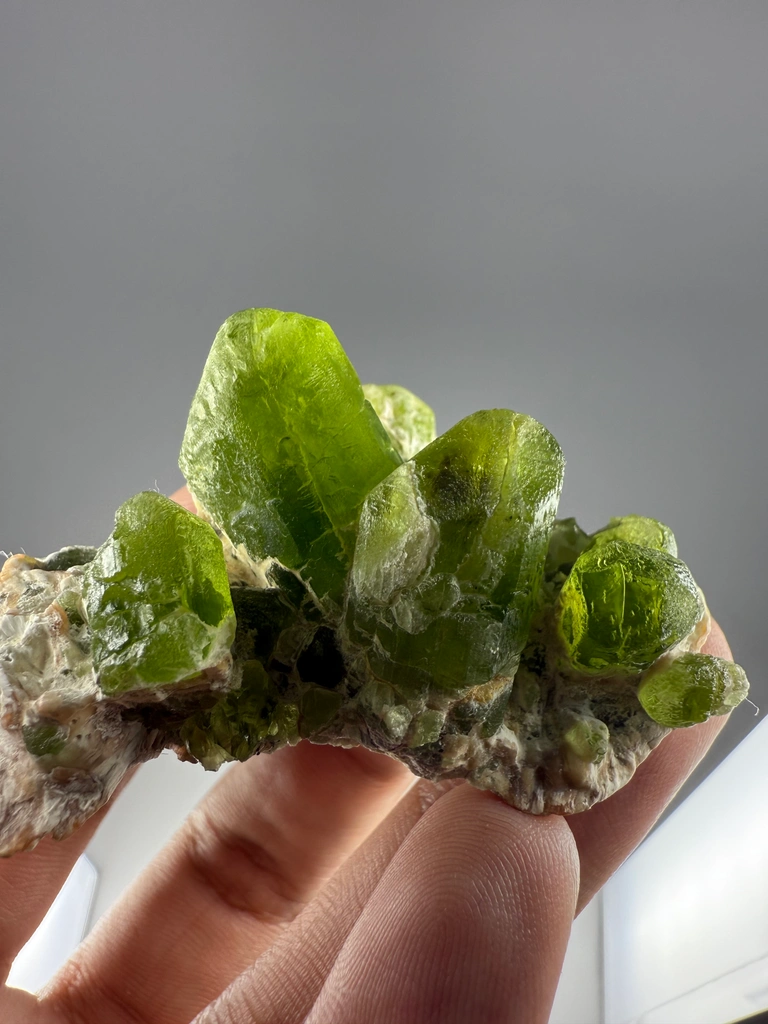
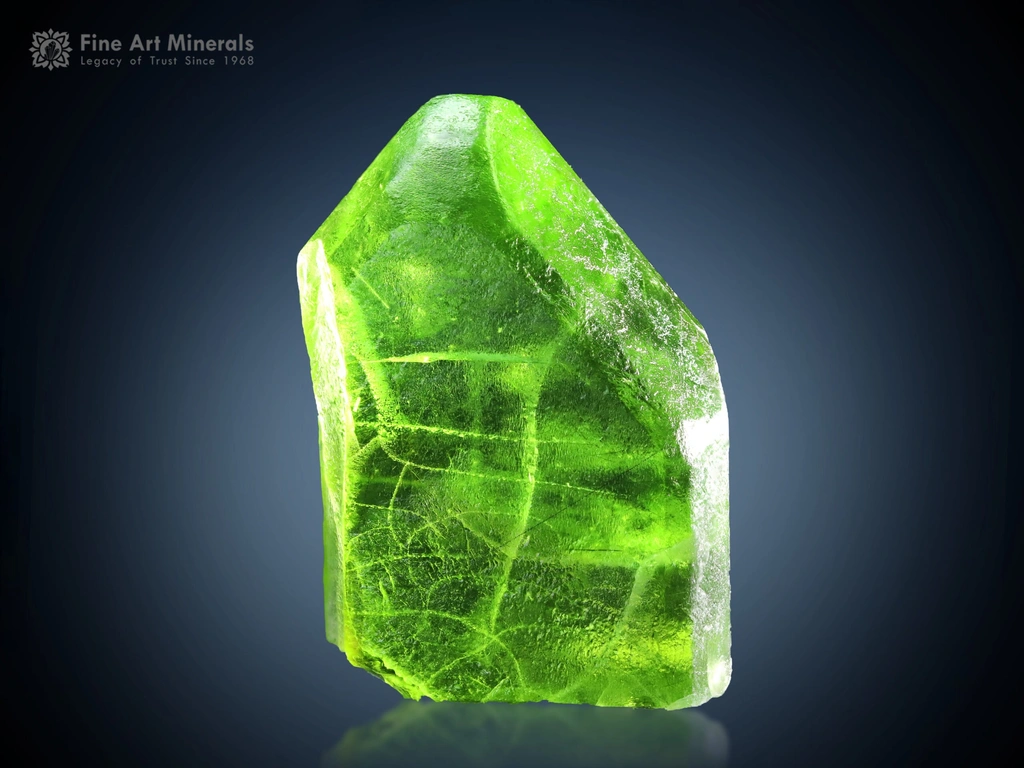
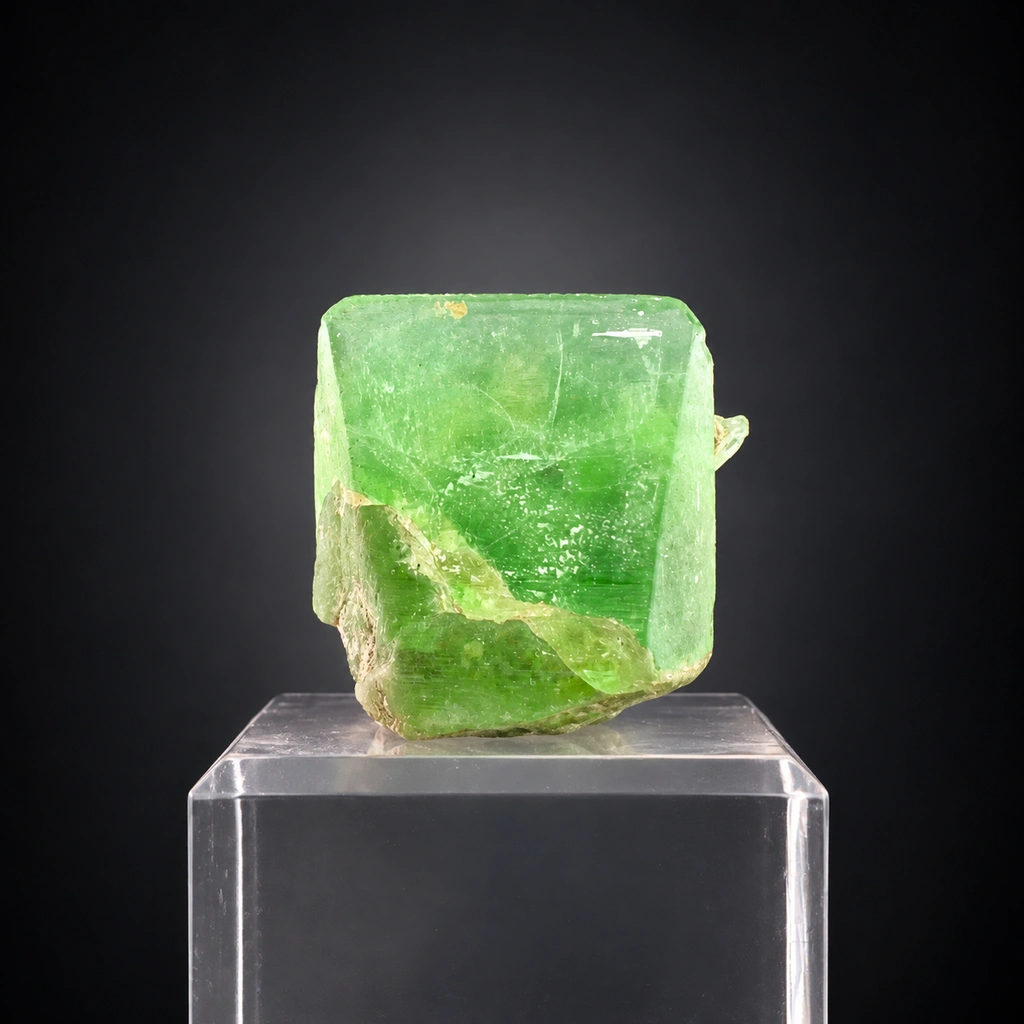
Peridot is the green variety of the mineral forsterite, a magnesium-rich olivine. It forms in igneous rocks and is famous for its characteristic olive to brownish-green color, often displaying a vitreous to subadamantine luster. Crystals can be stubby prismatic to blocky, and the mineral commonly occurs in basalt pockets and peridotite-rich environments, where high-temperature conditions promote its stability. Notable specimens have come from diverse localities, with rich collections from Pakistan, Egypt, Myanmar, the United States, and China contributing to both specimen diversity and size.
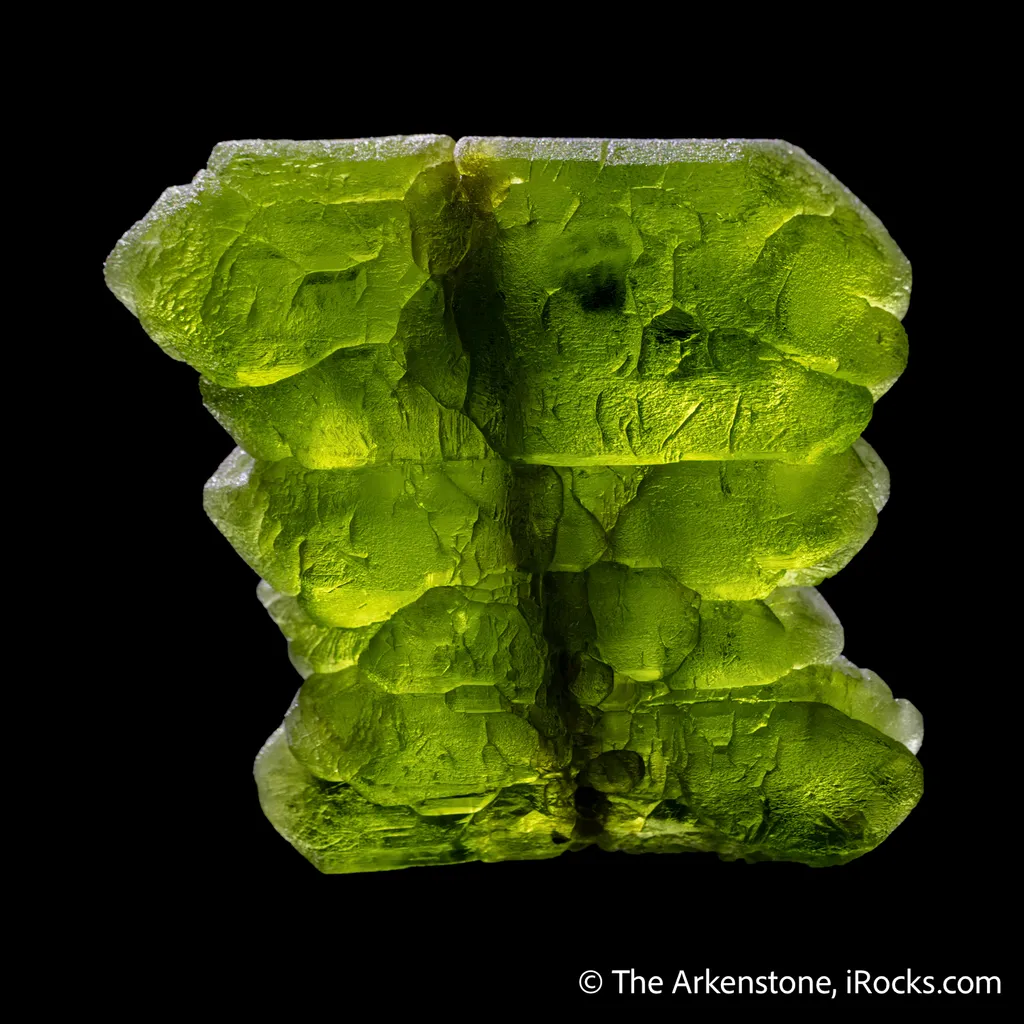
Collectors value peridot for its vibrant color, rarity of large, flawless crystals, and the way light interacts within the mineral’s transparent to translucent body. Fine crystals exhibit sharp terminations and attractive crystal faces, making them appealing for display and study. While often found as simple euhedral crystals, exceptionally well-formed specimens with attractive zoning or inclusions can be particularly sought after by avid collectors. Peridot also provides a tangible link to basaltic and ultramafic geological settings, adding scientific interest to its aesthetic appeal.