Oligoclase
5 in the gallery
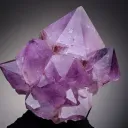
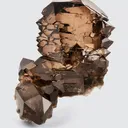
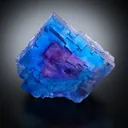
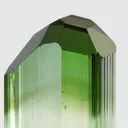
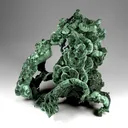
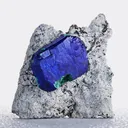
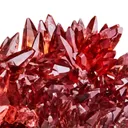
Oligoclase is a plagioclase feldspar in which sodium substitutes for calcium, giving a chemical range between albite and orthoclase end-members. It typically forms in triclinic crystals or tabular to wedge-shaped habits with vitreous to pearly luster and a pale, often white to gray color. Cleavage in two directions at near 90 degrees is a hallmark, and twinning is common in this mineral, which helps distinguish it from related feldspars.
- Formula
- (Na,Ca)[Al(Si,Al)Si2O8]
- Rarity
- Common
- Stability
- Stable
- Collector interest
- Moderate Interest
- Classification notes
- Tectosilicate; feldspar group; plagioclase series (Na,Ca)[Al(Si,Al)Si<sub>2</sub>O<sub>8</sub>]
Key characteristics
- Crystal system
- triclinic
- Mohs hardness
- 6–6.5
- Specific gravity
- 2.64–2.66
- Luster
- vitreous, pearly
- Transparency
- transparent, translucent
- Color
- colorless, white, gray, green, yellow, orange, pink
- Streak
- white
- Cleavage
- perfect
- Fracture
- conchoidal, uneven
- Crystal habit
- prismatic, tabular, granular, massive
- Gem mineral
Where Oligoclase is found
Top localities
- Norway1 specimen
About Oligoclase
Notable specimens come from classic feldspathic rocks in countries where plagioclase-rich granitoids and metamorphic belts are exposed, including the United States, Mexico, and Norway. In these locales, carefully collected crystals can display clean faces, sharp terminations, and occasional zoning that reveals chemical variation along the crystal. Collectors prize oligoclase for its utility in petrographic studies and its aesthetic, subtly colored crystals that pair well with other minerals in well-formed specimens.