Guide
18 for sale · $120–$5,000 USD
128 in the gallery
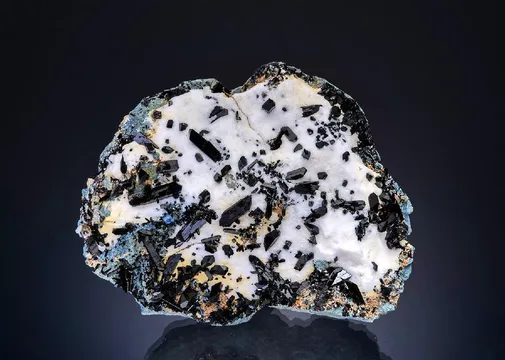
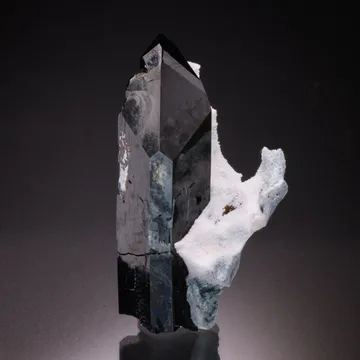
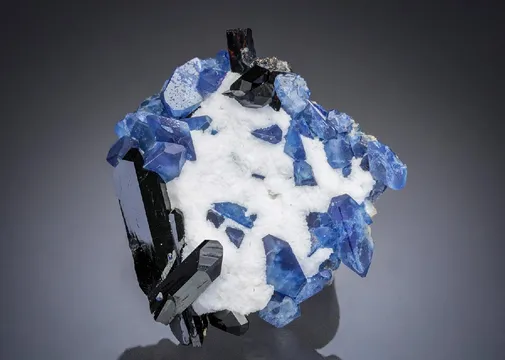
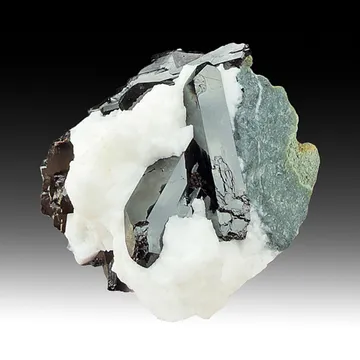
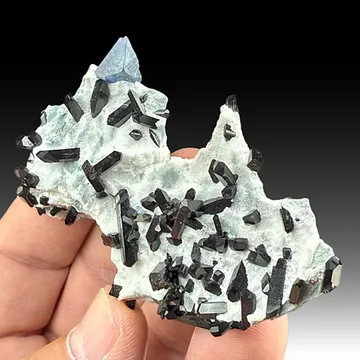
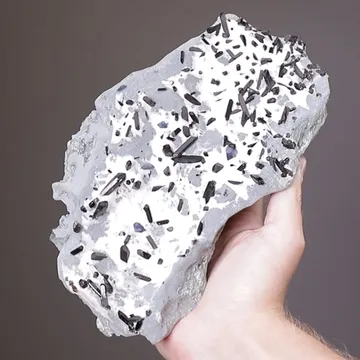
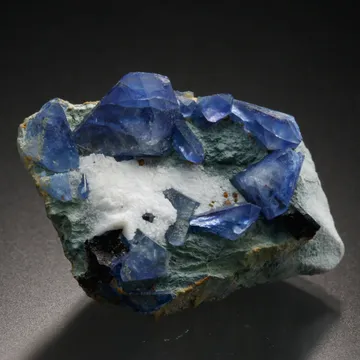
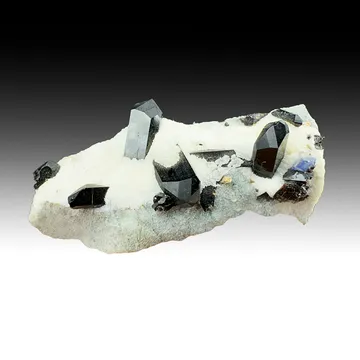
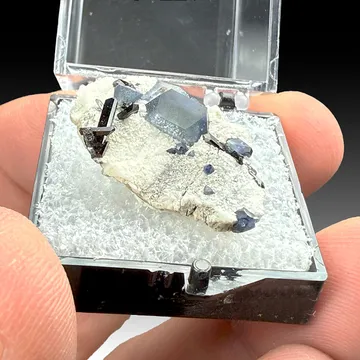
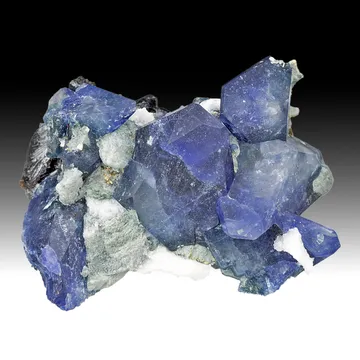
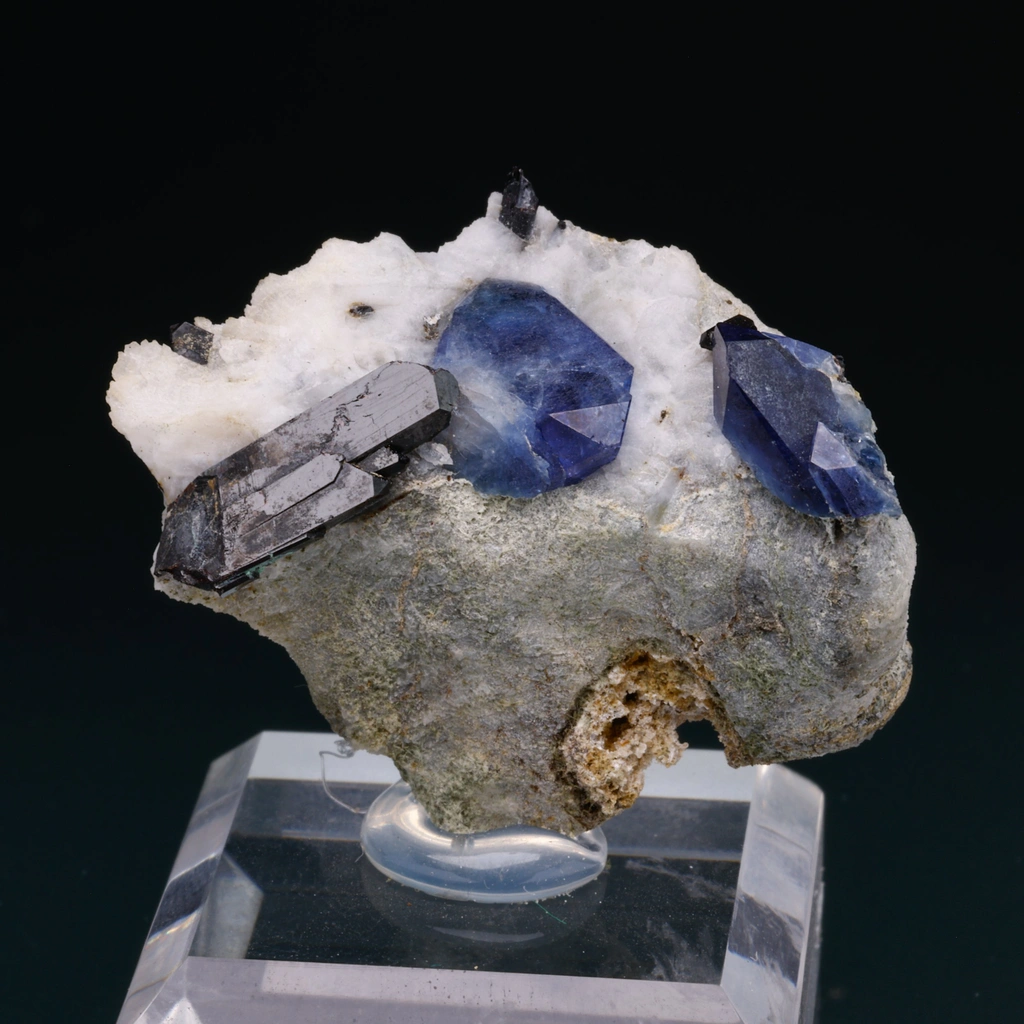
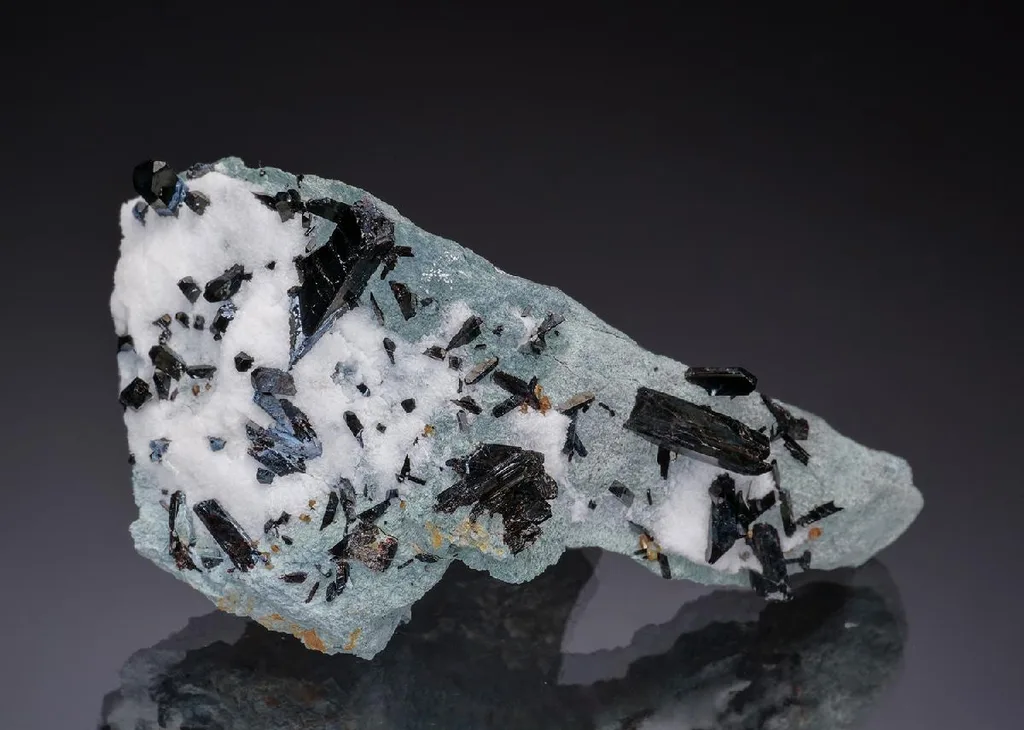
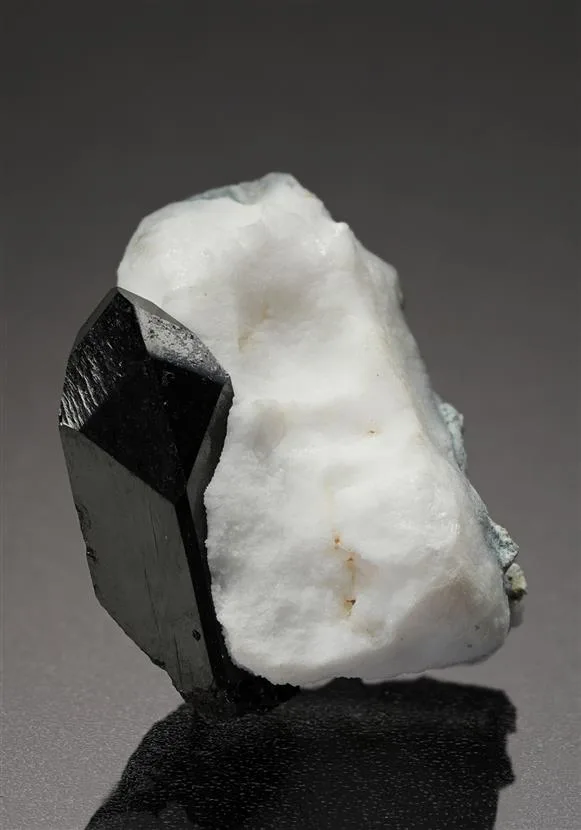
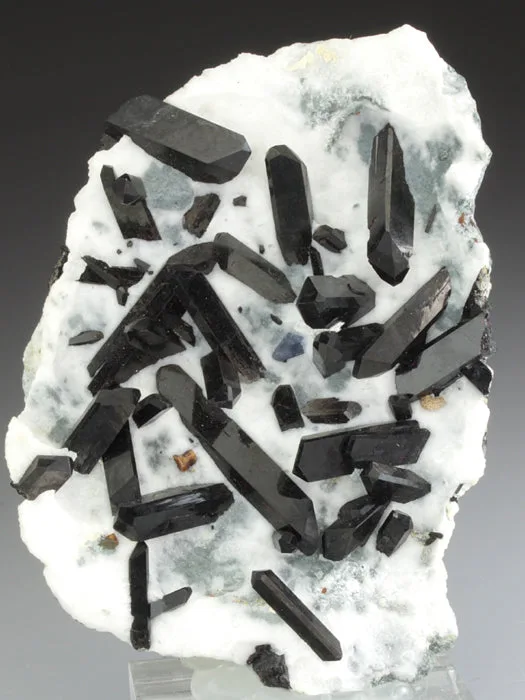
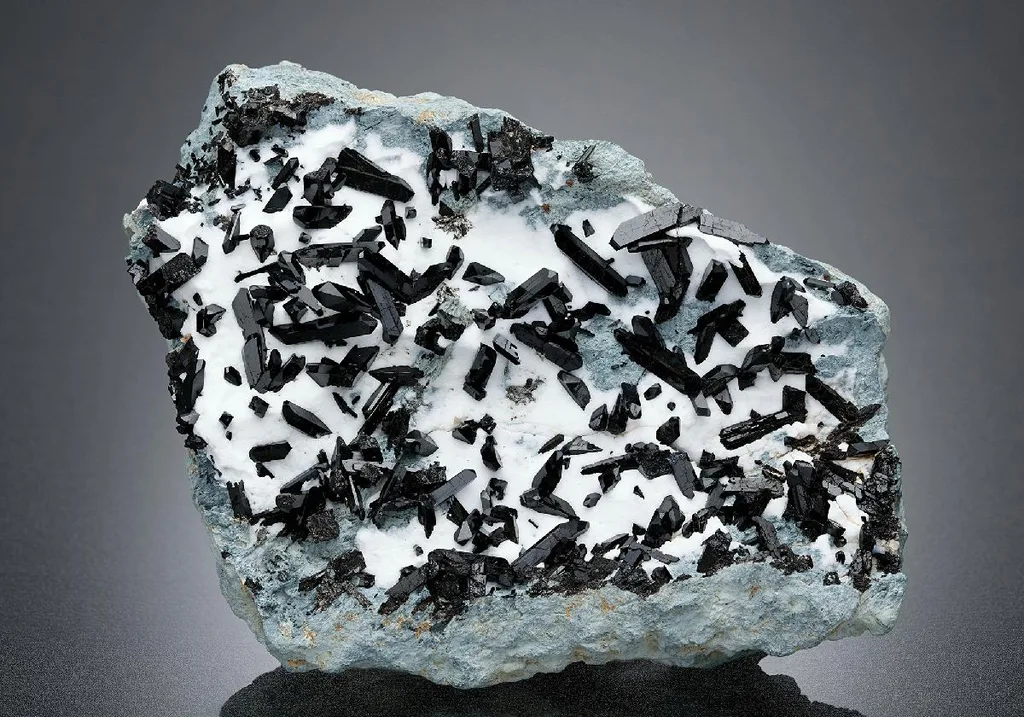
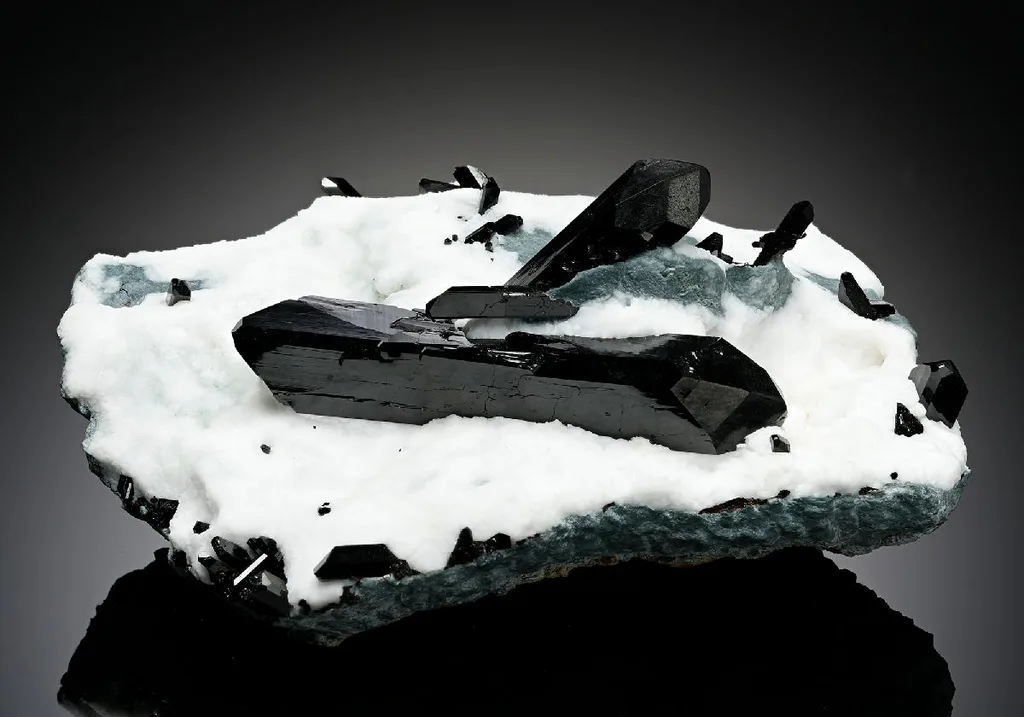
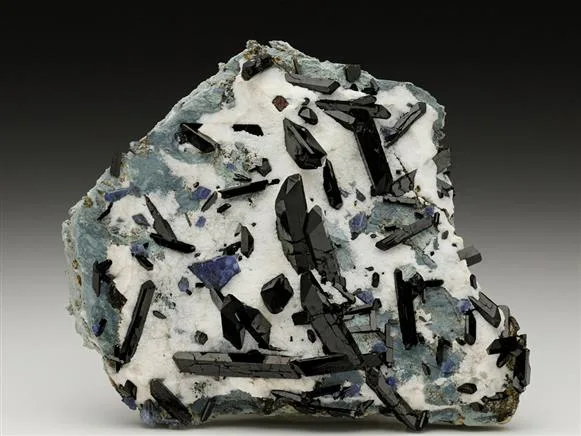
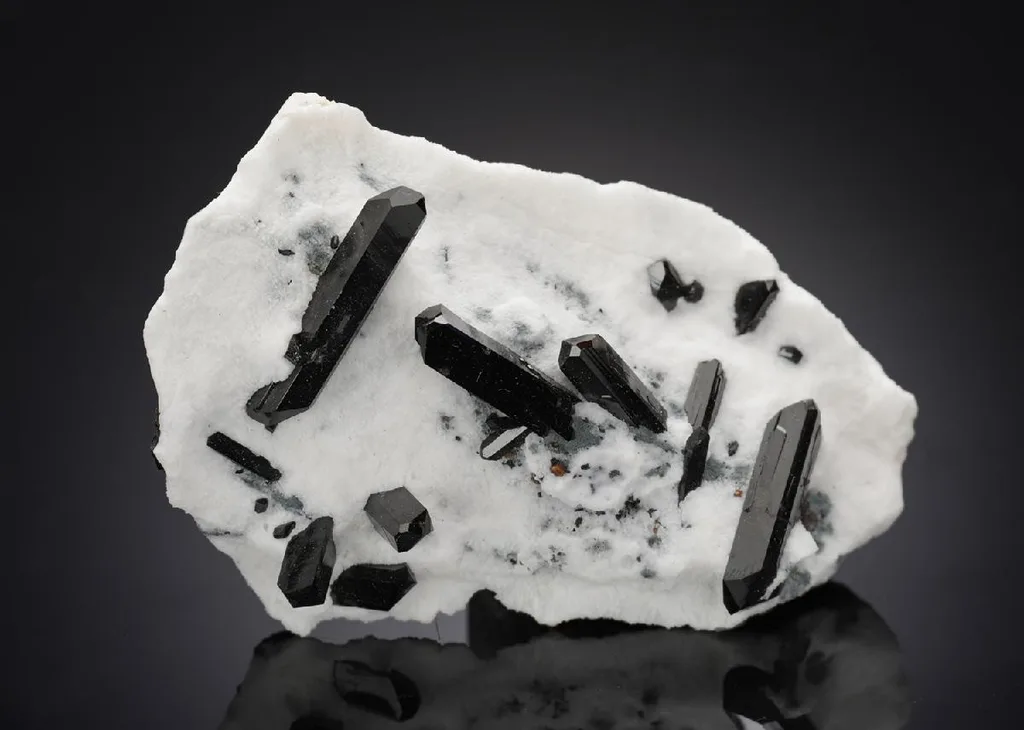
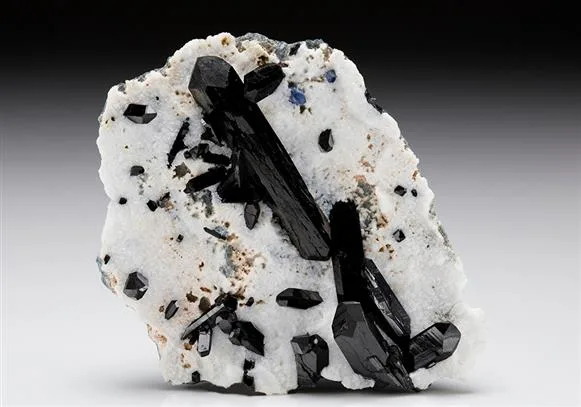
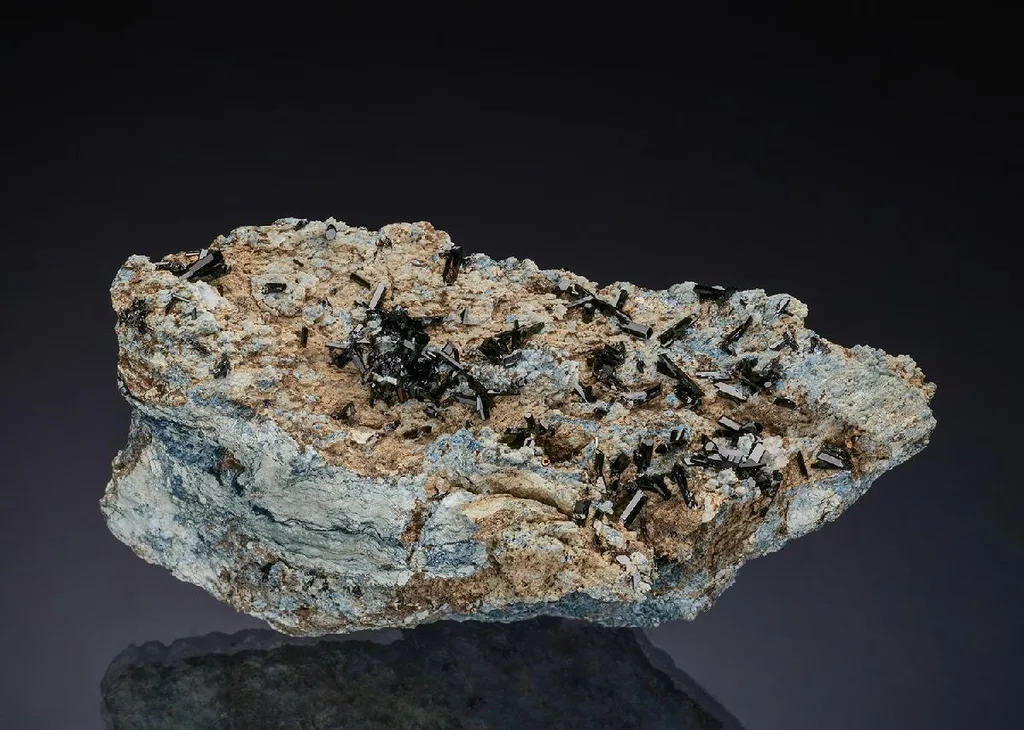
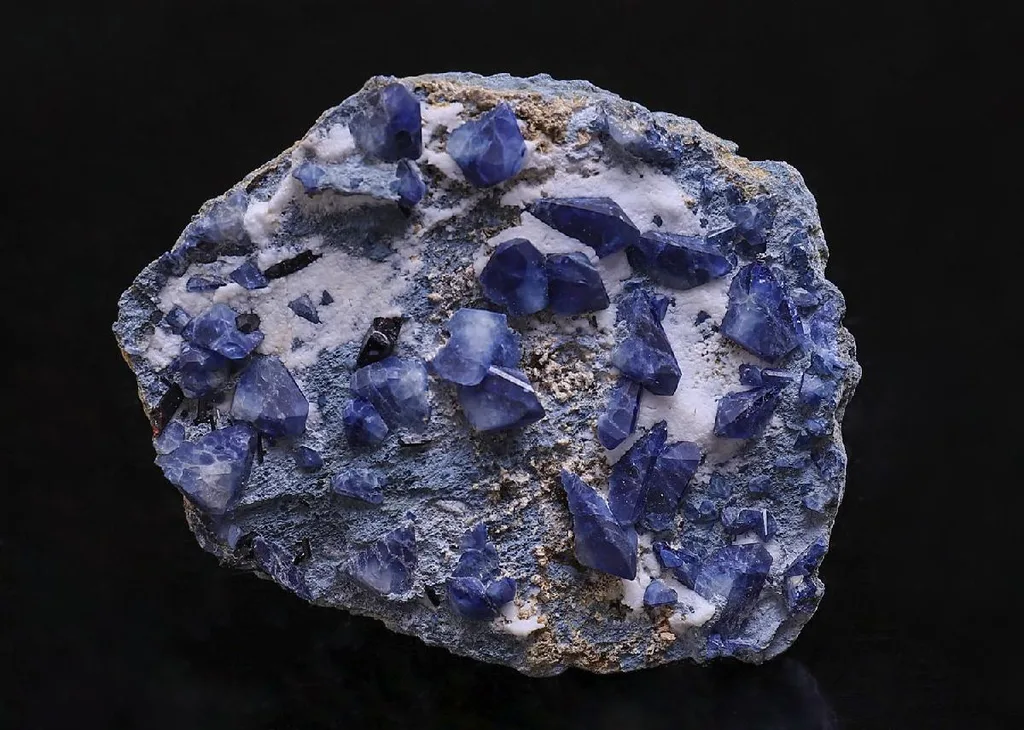
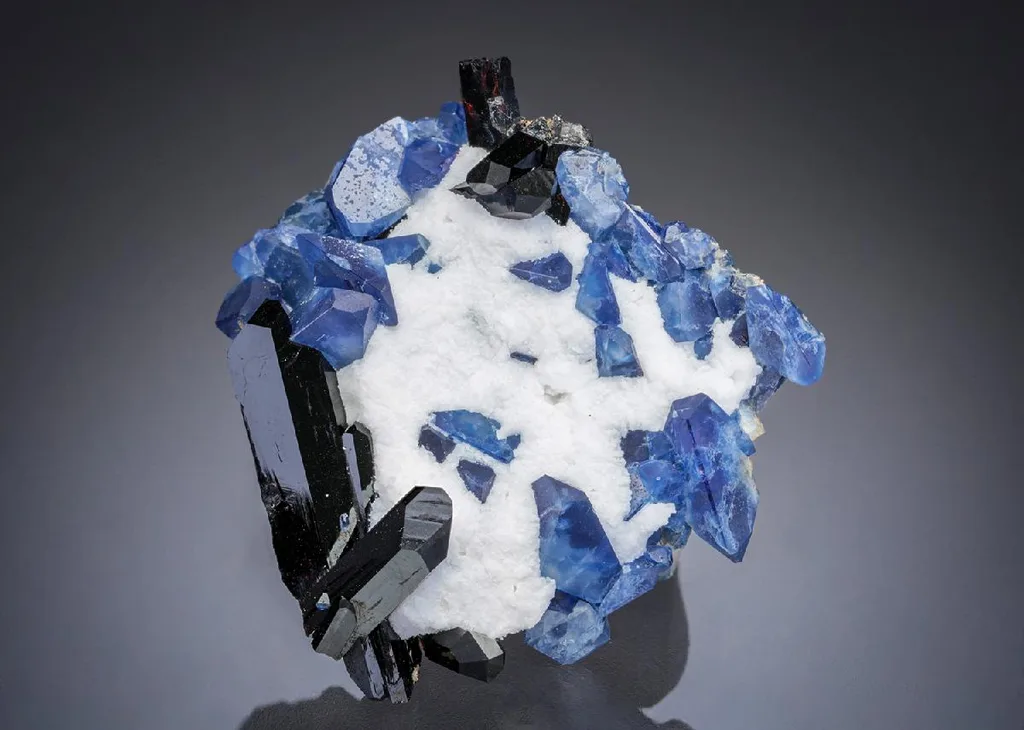
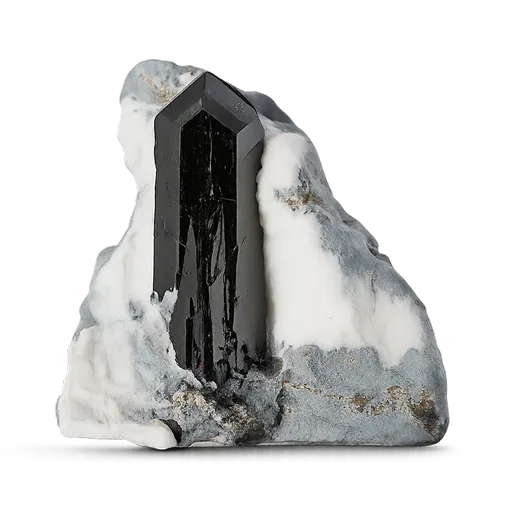
Neptunite is a silicate mineral that typically forms dark, contrasting crystals with a glassy to resinous luster. It commonly occurs in prismatic to tabular habit, often intergrown with other minerals such as natrolite or johannsenite, and can display a deep greenish‑black to reddish‑brown color depending on impurities and intergrowths. Clear to translucent crystals are prized when they survive in robust, well‑formed aggregates from alkaline igneous environments.
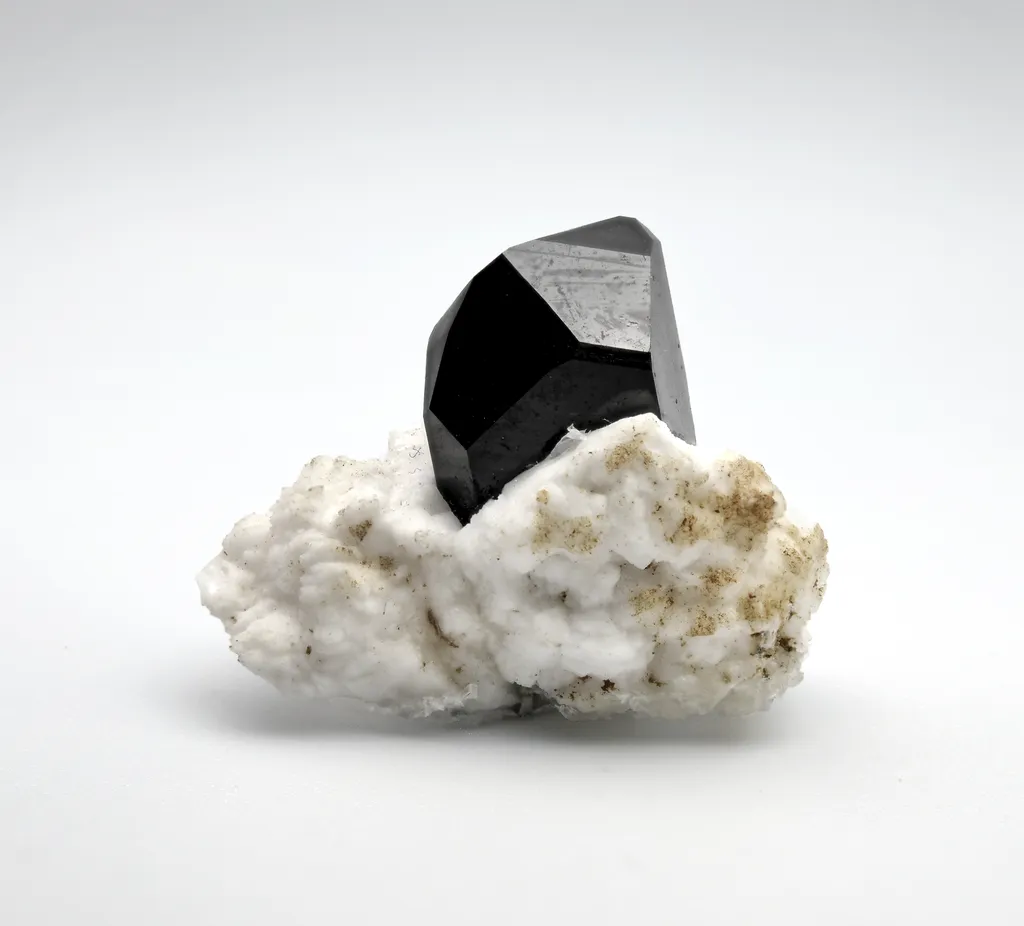
Notable specimens have come from classic alkaline complexes and nepheline syenites in North America, including prolific finds in the United States and Canada, where Neptunite is frequently associated with other distinctive minerals. Distinctive aggregates are often found in veins and cavities within peralkaline rocks, and bright, lustrous crystals can occur as isolated prisms or clusters that catch light from multiple angles.
Collectors value Neptunite for its striking contrast against associated minerals and its rarity in well‑formed crystals. The mineral’s unusual chemistry and association with other distinctive silicate minerals add to its appeal, rewarding careful preparation and detailed study of crystal forms and color zoning found in high‑quality specimens.