$270Median
2Sold (12 mo)
$390Last sale
2 for sale · $150–$200 USD
33 in the gallery
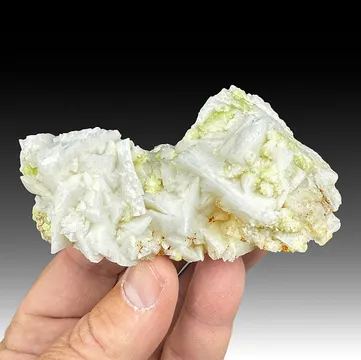
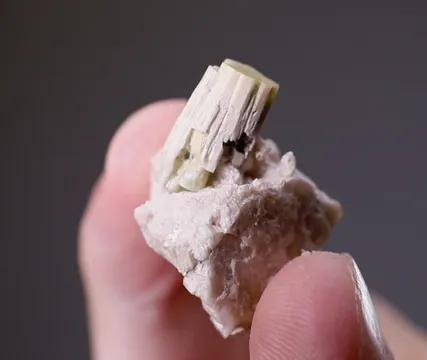
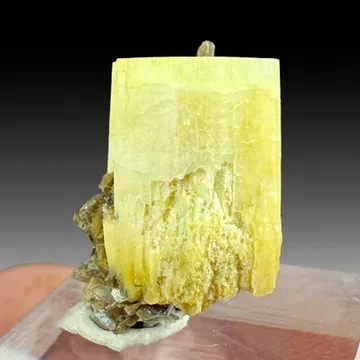
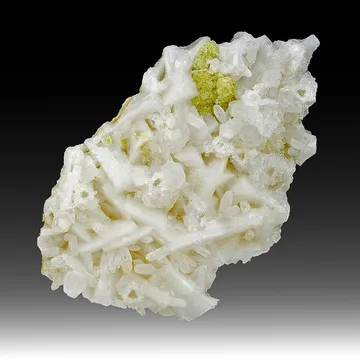
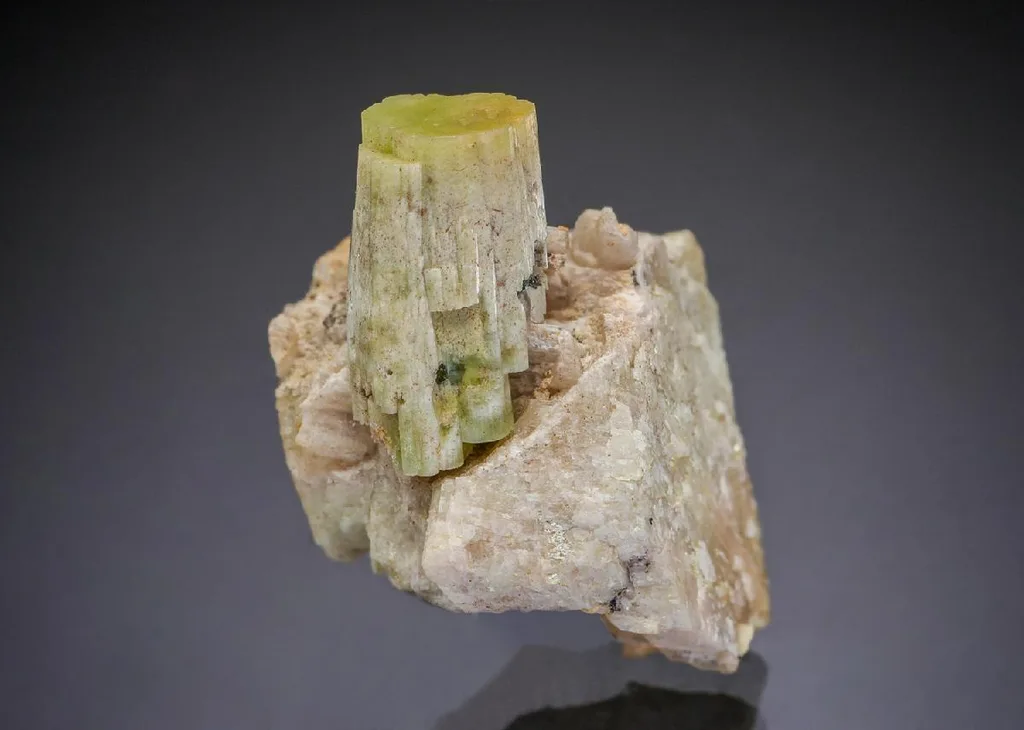
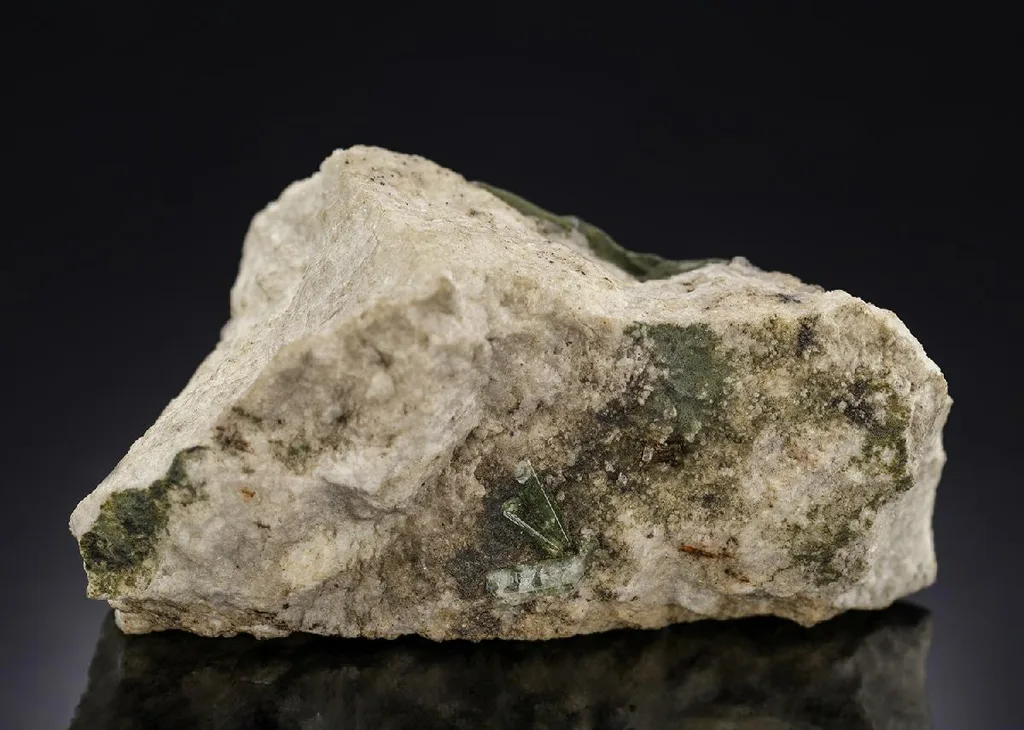
Milarite is a mineral of the cyclosilicate group that forms colorless to pale olive-green crystals with a characteristic prismatic habit and a vitreous to silky lustre. It typically occurs in pegmatites and alpine hydrothermal veins, often associated with beryl, quartz, and feldspar, and it can form elongated crystals that grow as single crystals or in small clusters. Notable specimens come from classic pegmatite localities in Brazil, Mexico, and Switzerland, with additional finds in Namibia and the United States contributing to the species’ modern repository of crystal shapes.
Collectors prize milarite for its clean, transparent to translucent crystals and its appealing interplay of luster and hue. Although not as abundant as some common silicates, milarite crystallizes into well-formed prisms that are visually striking under 10x to 20x magnification, and its associations with other gem-quality minerals enhance display value. High-quality specimens from the listed countries are sought after for slab cut, cabinet display, and mineralogical study, offering a distinctive addition to a curated collection.