
$40Median
1Sold (12 mo)
$40Last sale
Recent salesSee more
18 for sale · $50–$16,000 USD
34 in the gallery
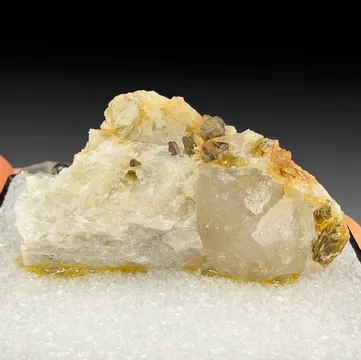
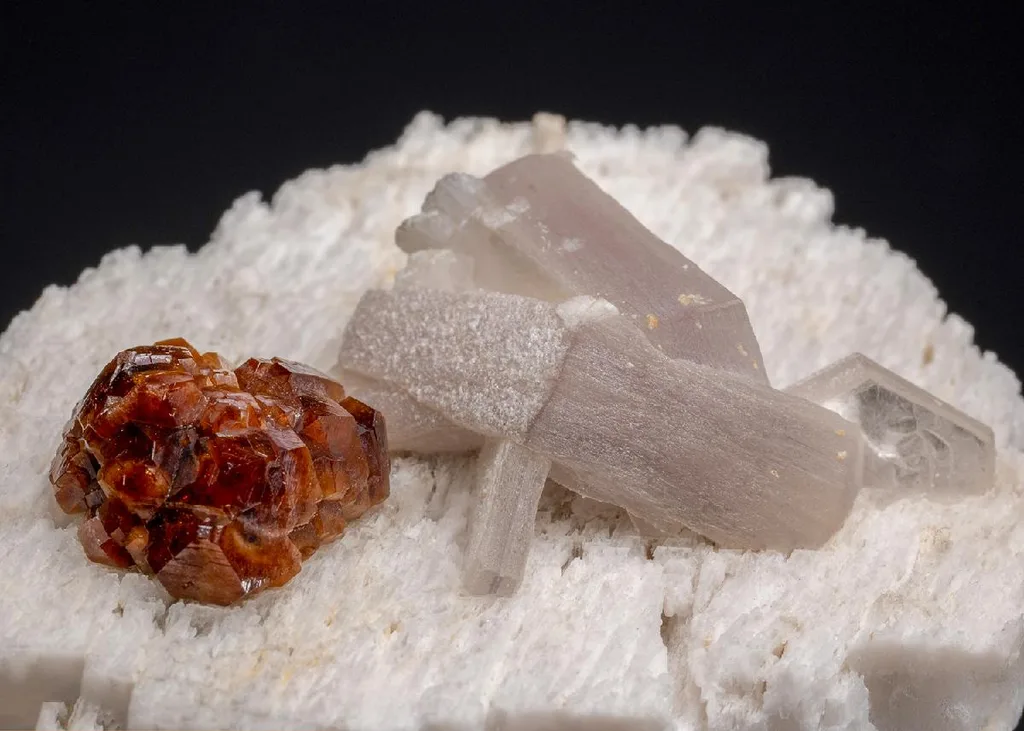
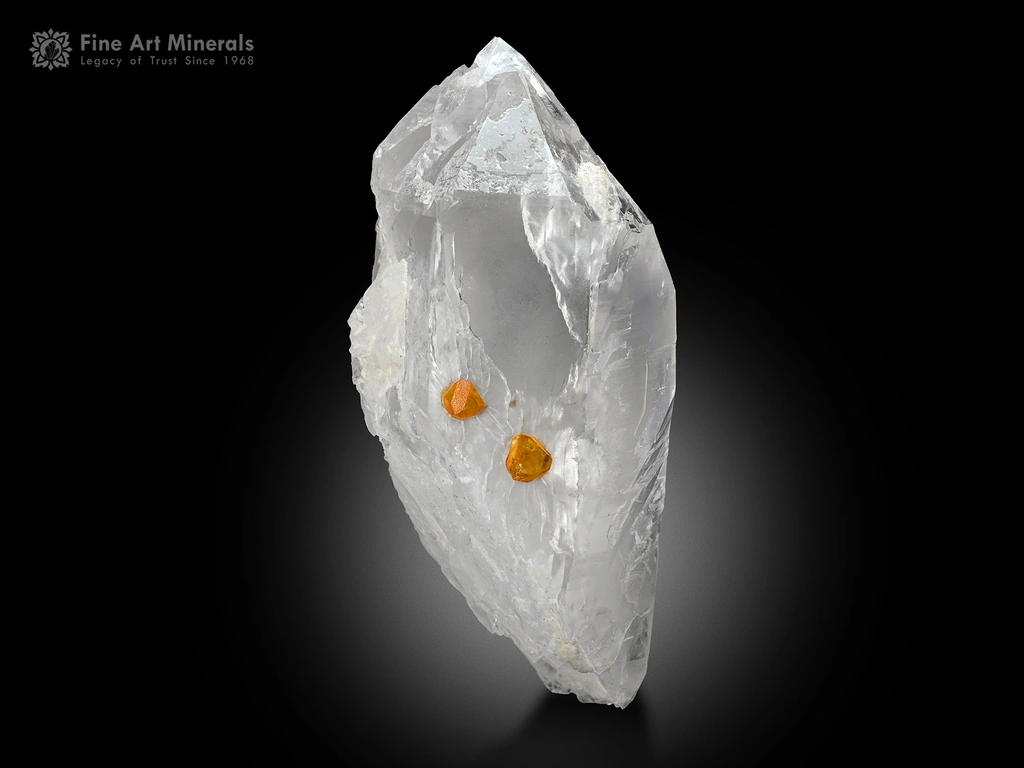
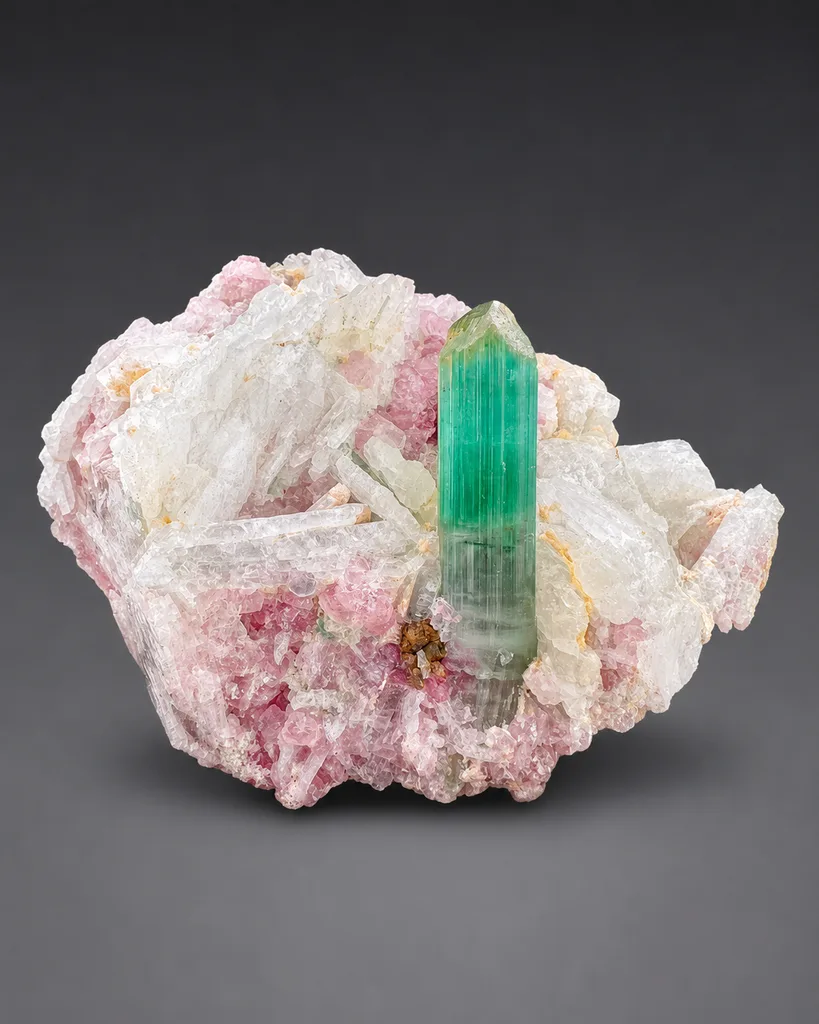
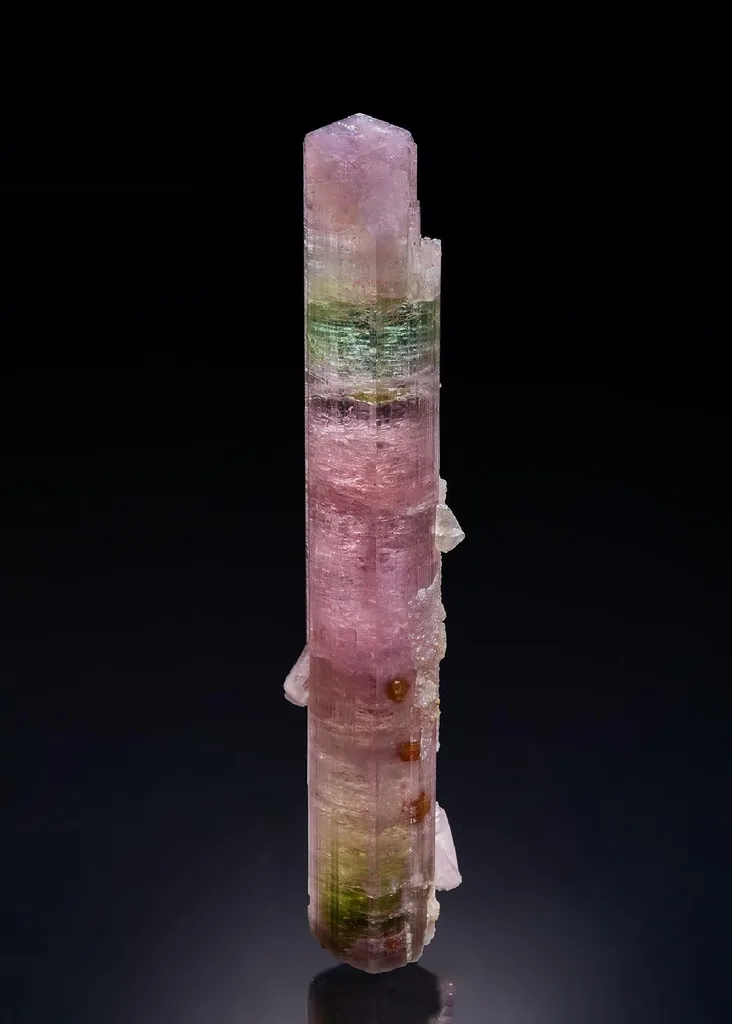
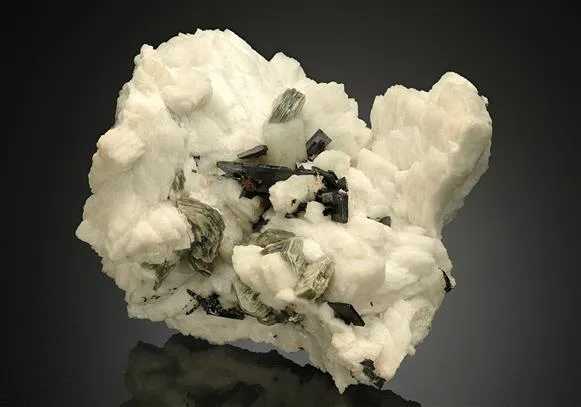
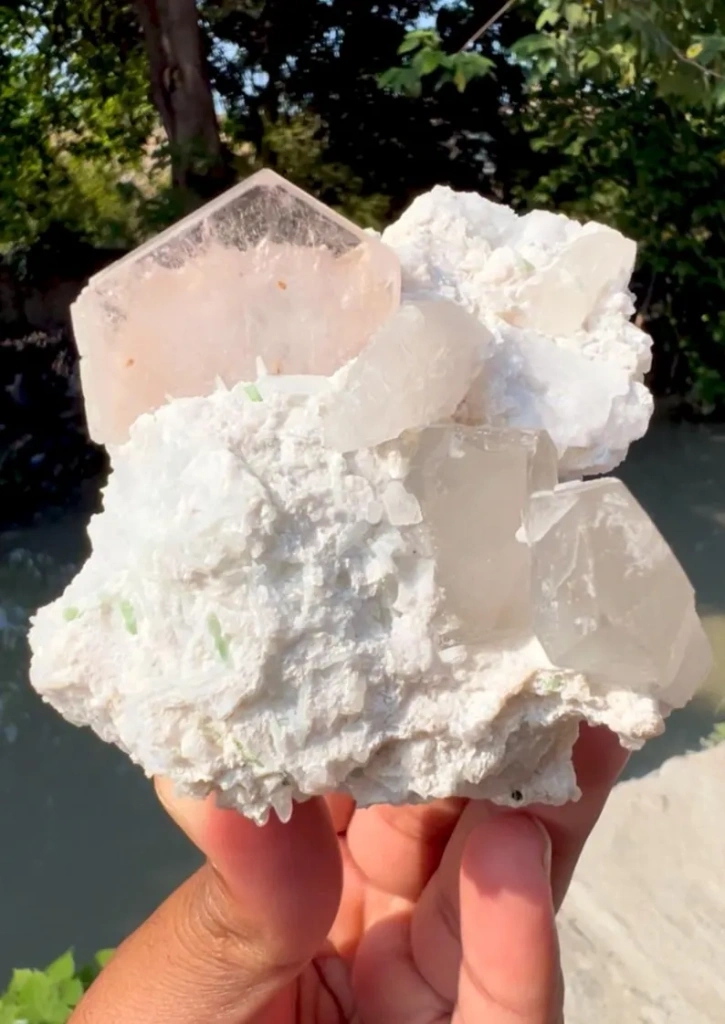
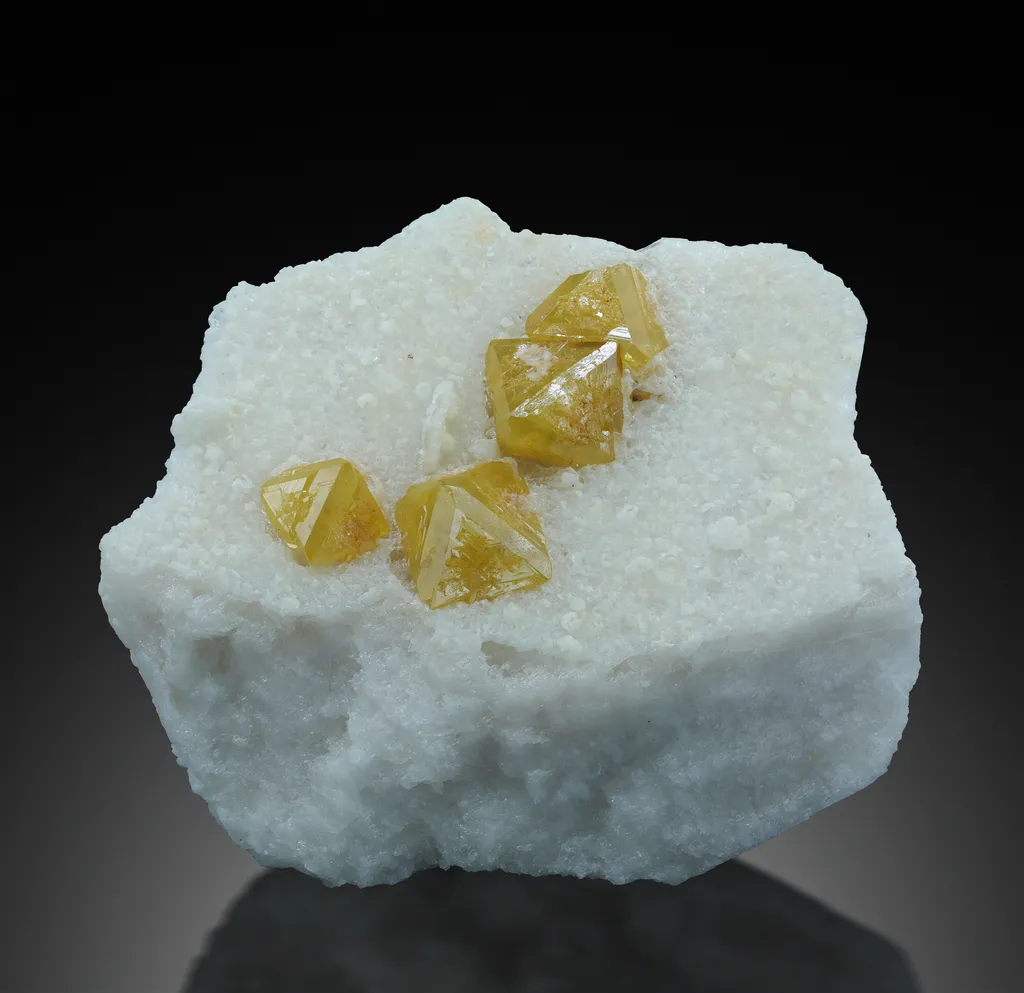
Microlite is a tetragonal mineral that forms in small, often imperfect crystals and granular masses. It typically appears as colorless to brownish or grayish varieties with a vitreous to submetallic luster and a pale to dark appearance depending on impurity content. Crystals are usually diminutive, and habit can range from acicular to platy, frequently occurring in hydrothermal ore veins alongside other tin- and tungsten-rich minerals.
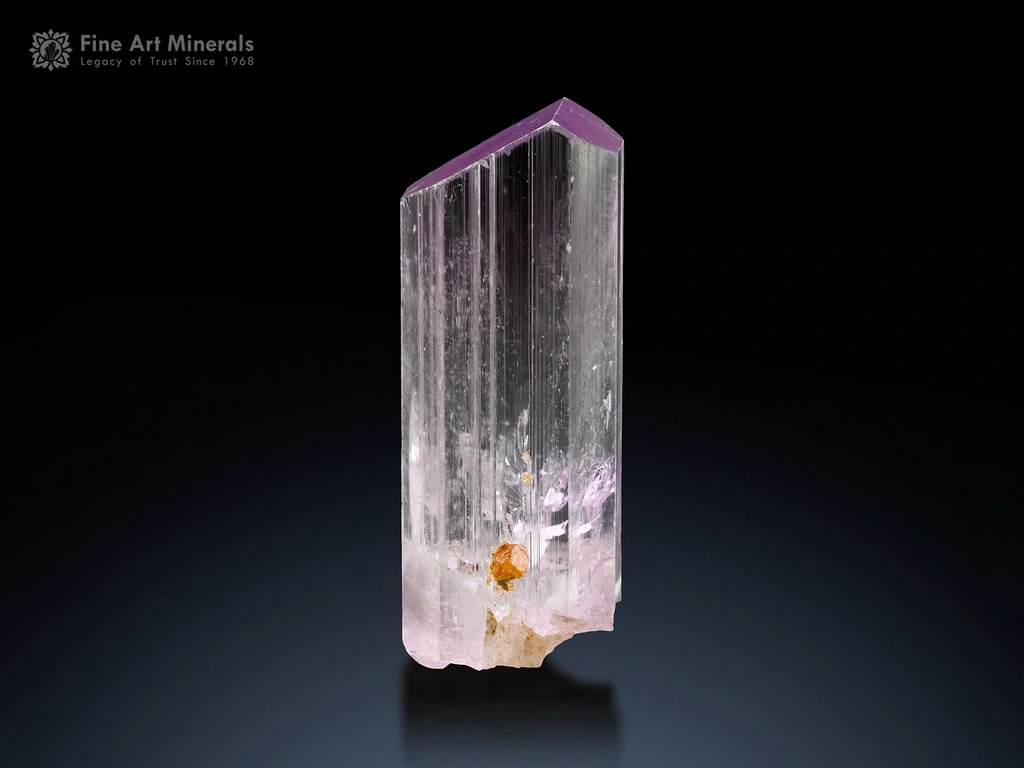
Notable localities include Afghanistan, Brazil, Pakistan, the United States, and Mozambique, where microlite specimens are found in hydrothermal veins and pegmatites associated with tin, tungsten, or rare-element mineralization. Collectors value microlite for its classic, understated crystal forms and its association with complex mineral assemblages typical of hydrothermal environments. It is commonly collected for cabinet displays rather than as a sole focal point, with specimens often appreciated for their matrix context and provenance.
Overall, microlite offers a compact, intriguing glimpse into high-temperature hydrothermal processes, inviting collectors to study crystal habit, luster, and locality chemistry within a concise mineral suite.