$700Median
1Sold (12 mo)
$700Last sale
2 for sale · $200–$1,750 USD
27 in the gallery
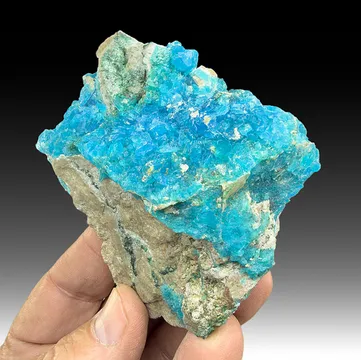
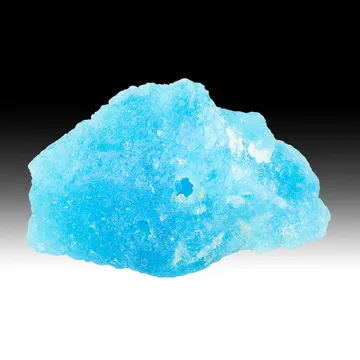
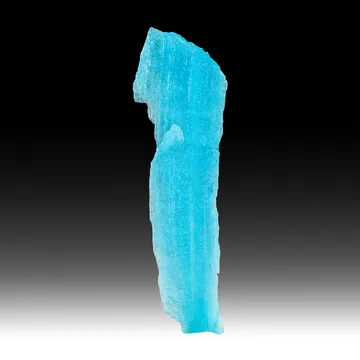
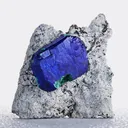
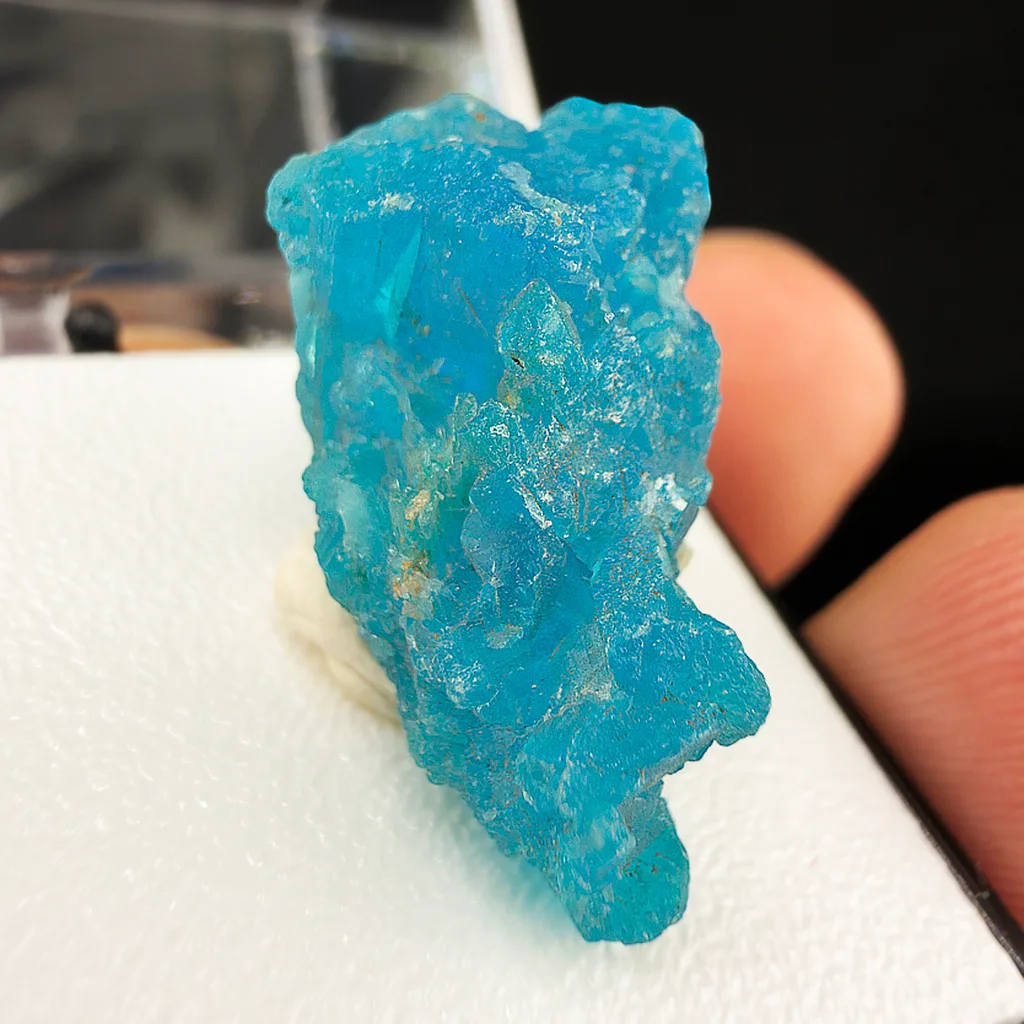
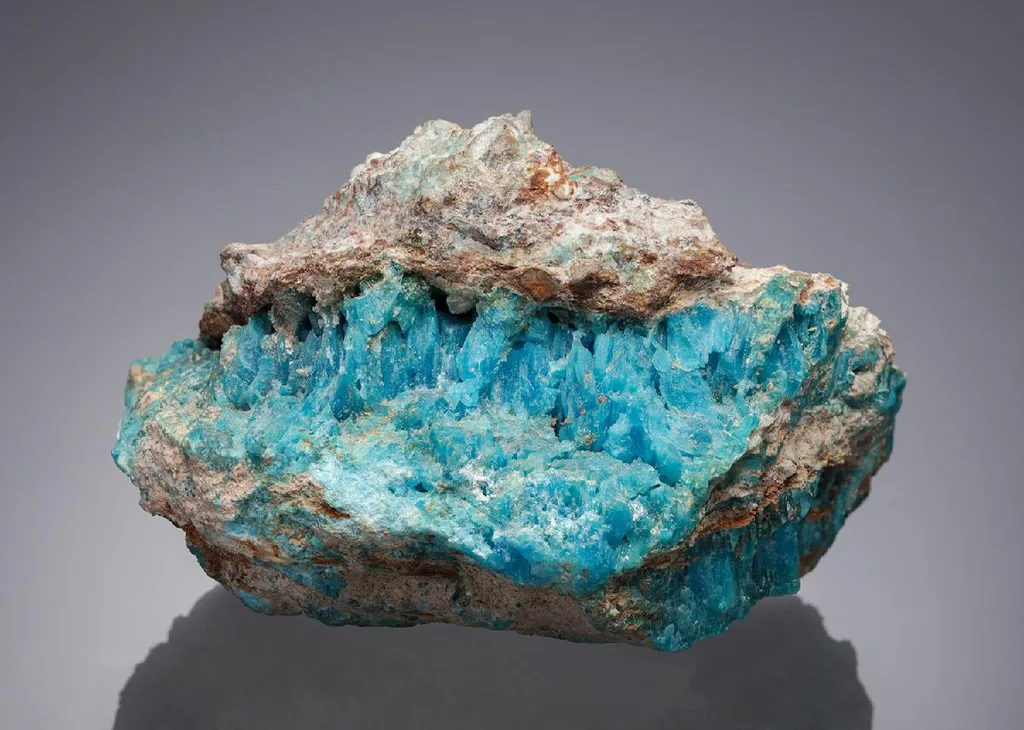
Kröhnkite is a hydrated copper sulfate mineral with the chemical formula Na2Cu(SO4)2·2H2O. It forms in blue to green hues and typically exhibits a vitreous to lustrous appearance. The mineral crystallizes in the monoclinic system and commonly occurs as equant, prismatic, granular, or massive aggregates, sometimes fibrous in habit. Its refractive clarity ranges from transparent to translucent, and it has a white streak, a conchoidal to sub-conchoidal fracture, and a Mohs hardness around 2.5 to 3, making it relatively soft and delicate for handling.
Notable specimens have been reported from Chile, where secondary copper sulfates can crystallize in oxidized zones and arid environments. Kröhnkite’s association with other sulfate minerals and its vivid blue-green colors make it a recognizable specimen among mobile collectors and field silicites alike, especially when well-formed crystals or sizeable granular masses are recovered. Collectors value Kröhnkite for its mineralogical contrast against darker matrixes and its distinctive hydrated composition, which provides insight into the weathering and secondary mineralization processes that transport copper into sulfate forms. Its uncommon rarity adds to its appeal for those seeking distinctive, structurally informative minerals in hydration-rich copper systems.