$100Median
3Sold (12 mo)
$150Last sale
2 for sale · $150–$699 USD
21 in the gallery
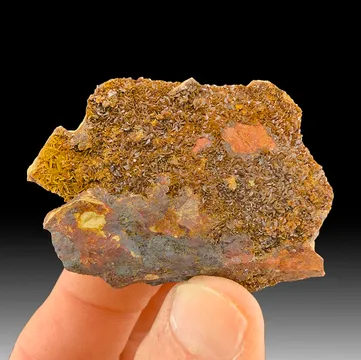
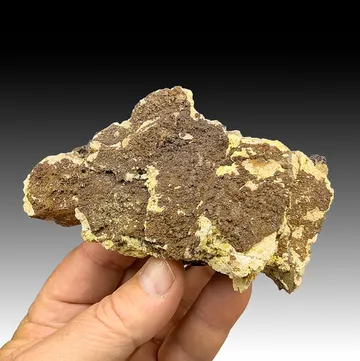
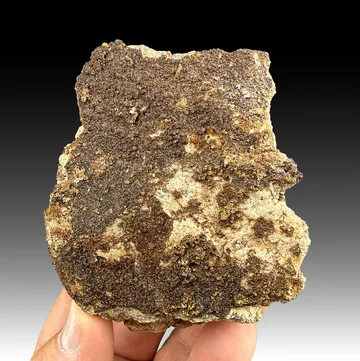
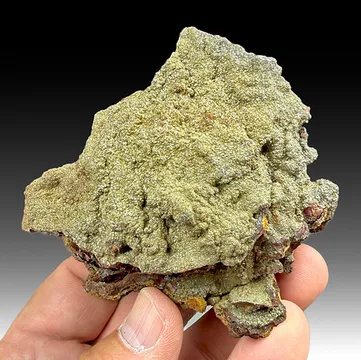
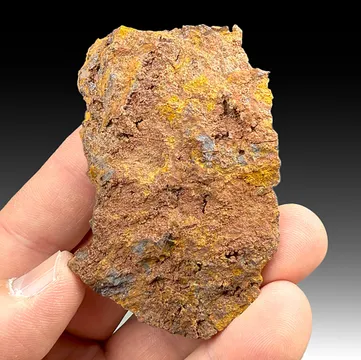
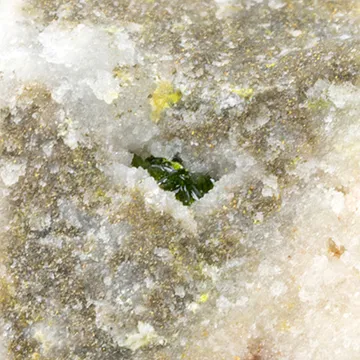
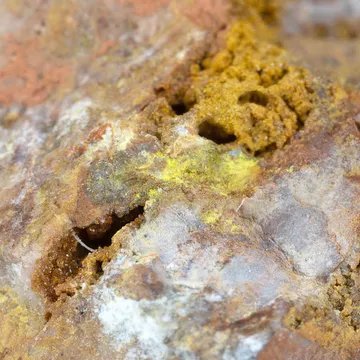
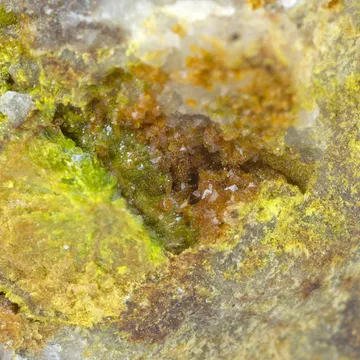
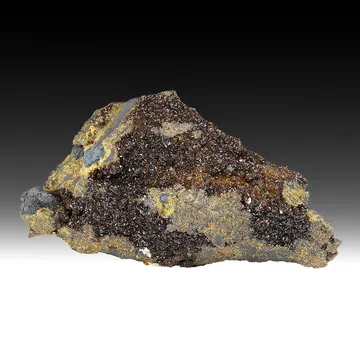
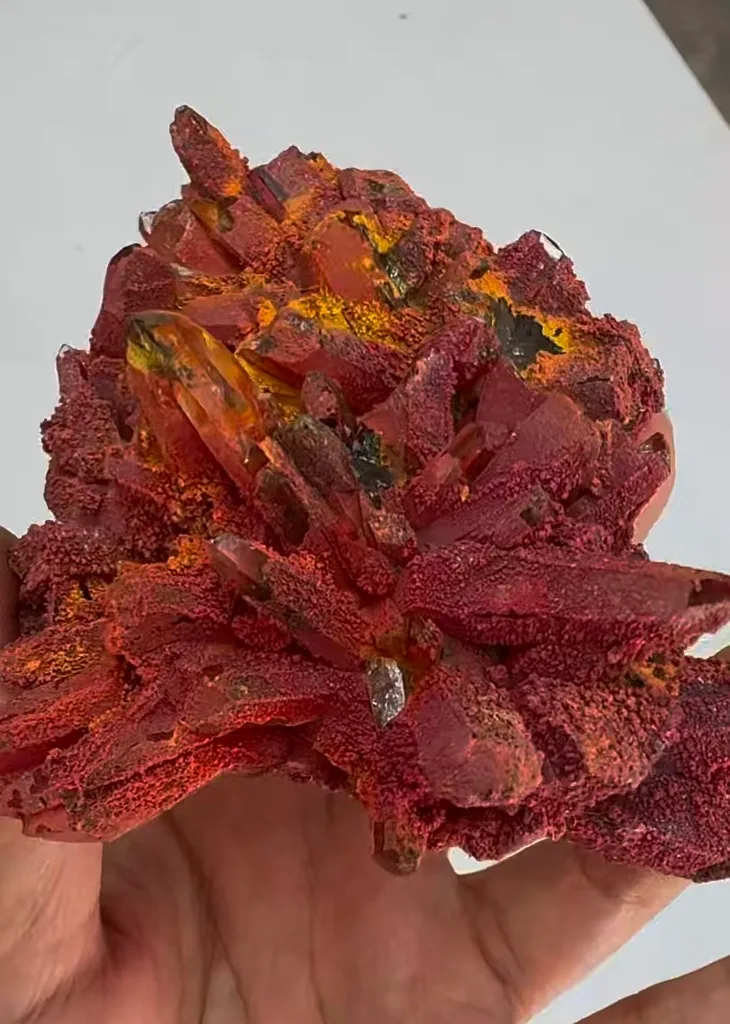
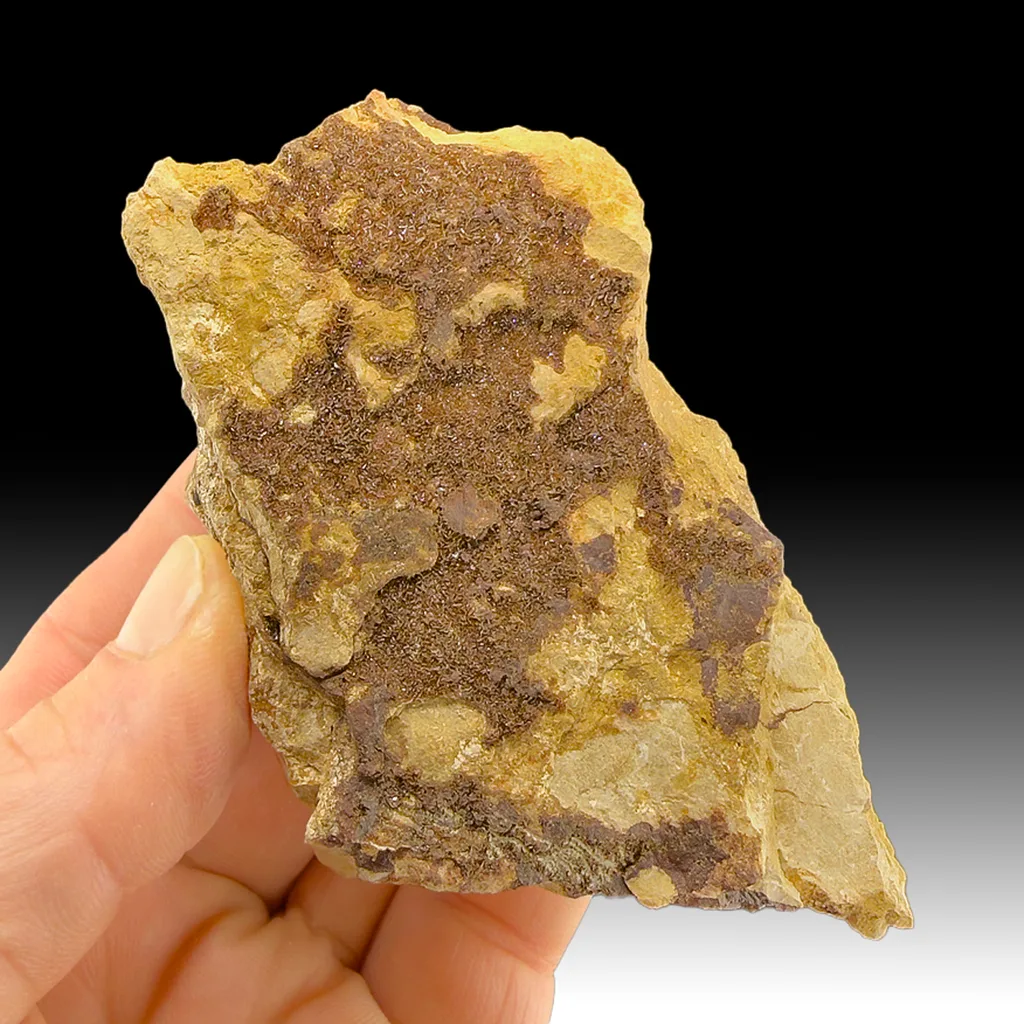
Jarosite is a hydrous potassium iron sulfate mineral that forms in acid-sulfate environments, typically as earthy to ferruginous aggregates and sometimes as well-formed crystals. It commonly occurs in oxidized zones of sulfide deposits and mine dumps, where cloudy brown to yellow-brown masses reflect its iron- and sulfate-rich chemistry. Crystallography ranges from granular masses to plate-like or prismatic habits, and it often exhibits a dull to resinous luster. Notable specimens come from a variety of localities, including classic deposits in the United States, Spain, Mexico, Bolivia, and Greece, making it a familiar sight in many mineral collections.
Collectors prize jarosite for its distinctive color and its visibility in oxidized zones, as well as its association with late-stage, secondary mineral parageneses. While individual crystals may be modest in size, aggregates can be striking in appearance, especially when contrasted with quartz or goethite in a matrix. As a mineral that signals a specific geochemical milieu, jarosite provides context for the oxidation history of a deposit and often accompanies other iron sulfates, making it a practical and aesthetically engaging addition to a cabinet or display. Its presence across several well-documented localities helps collectors track provenance and diversify specimen suites.