$330Median
16Sold (12 mo)
$265Last sale
20 for sale · $80–$12,500 USD
65 in the gallery
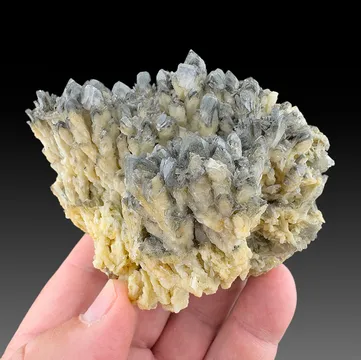
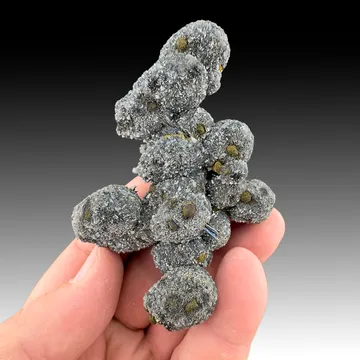
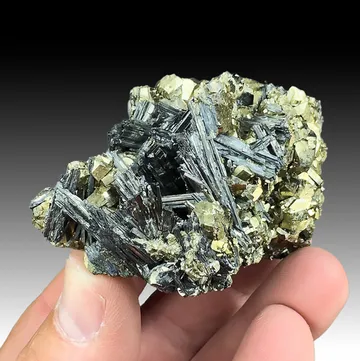
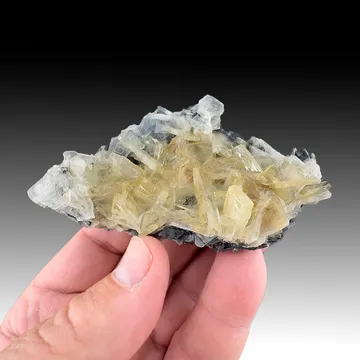
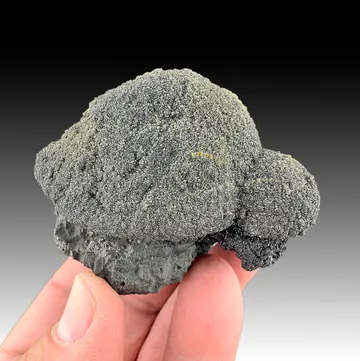
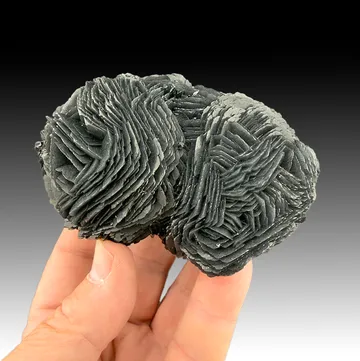
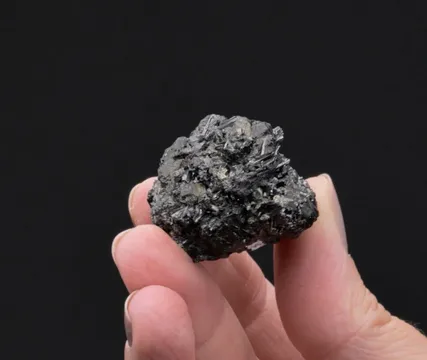
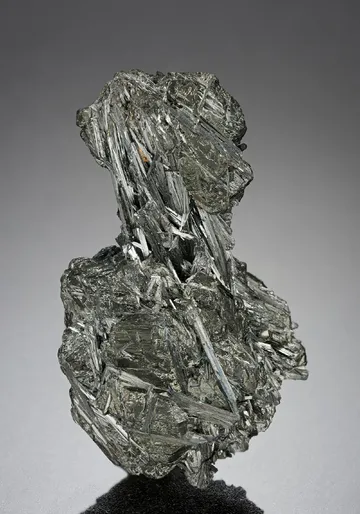
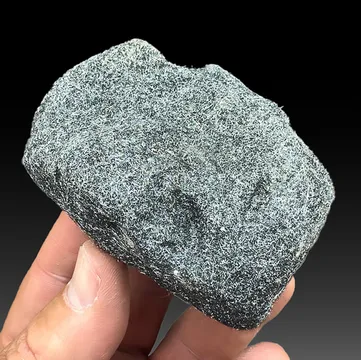
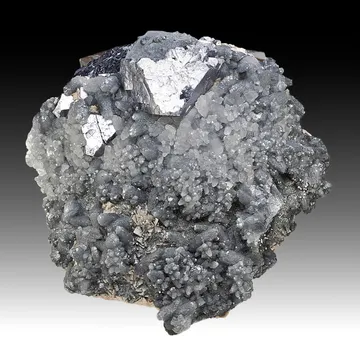
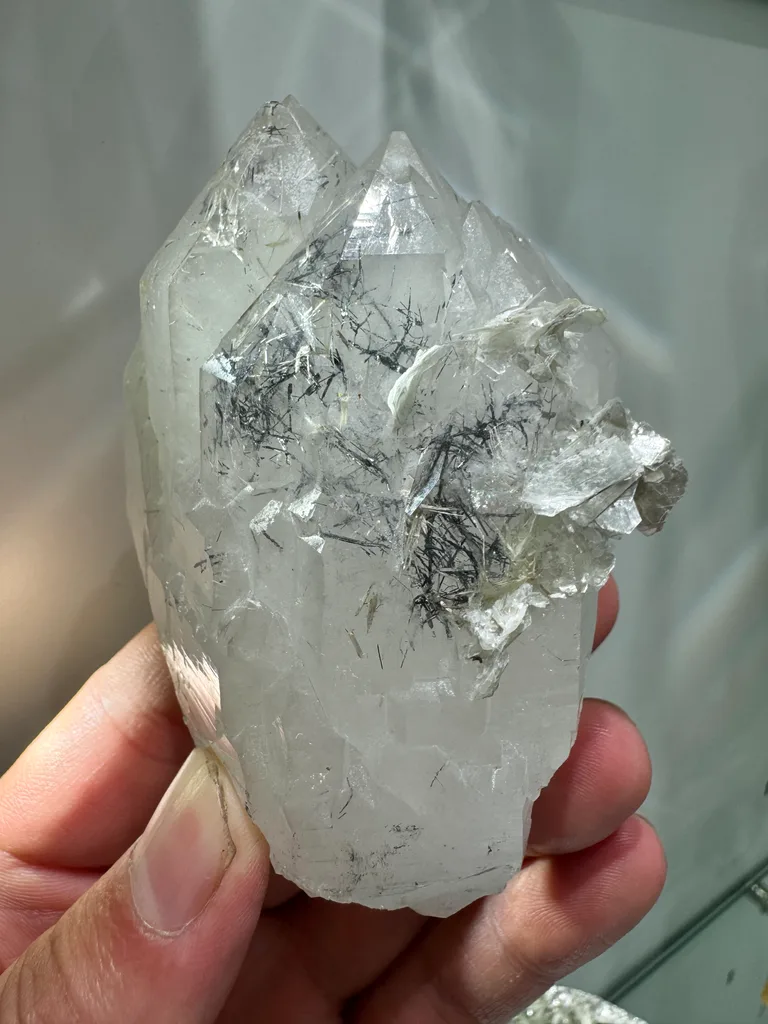
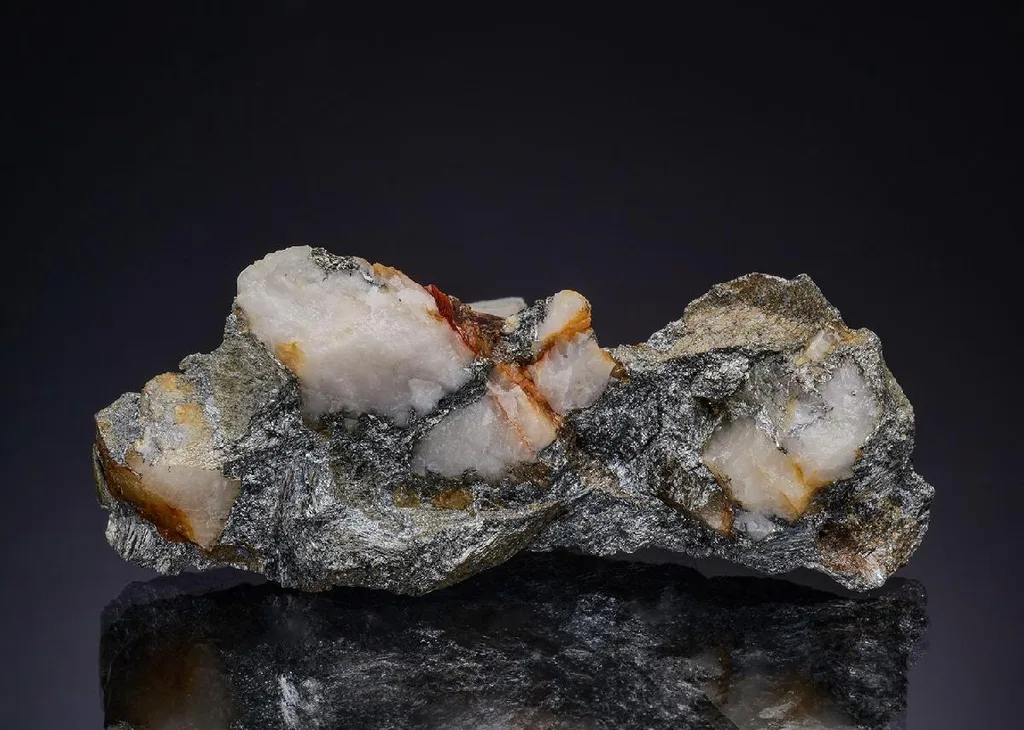
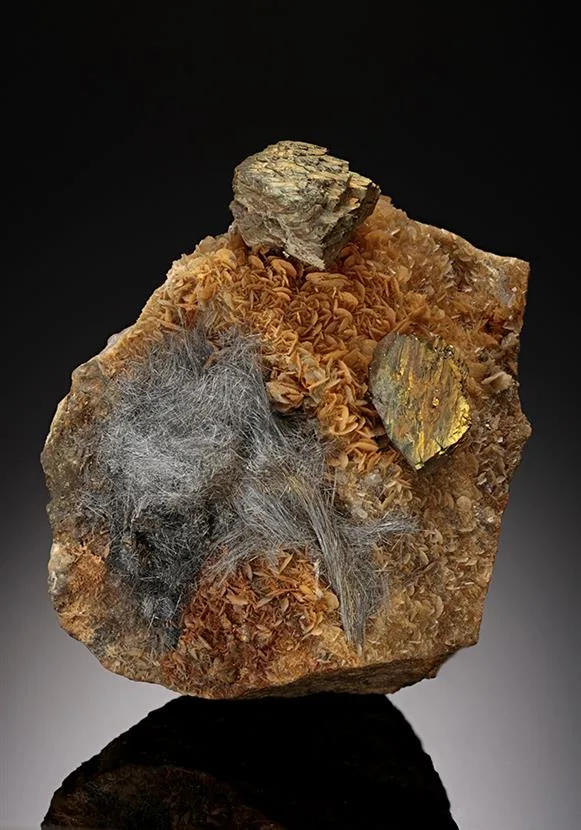
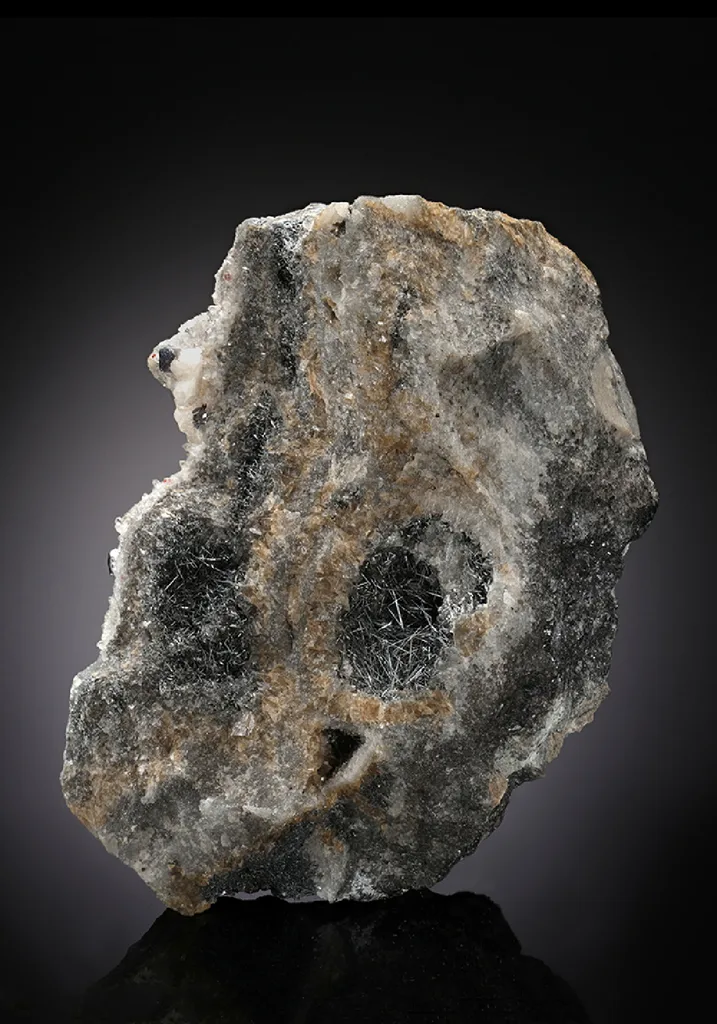
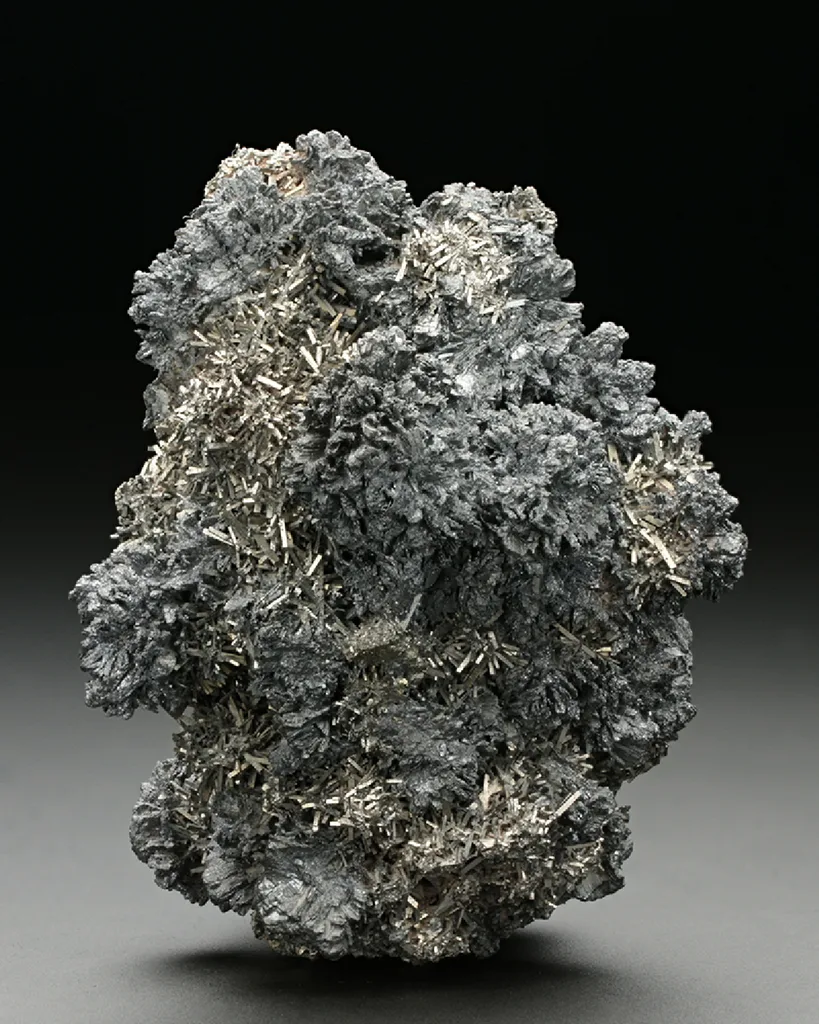
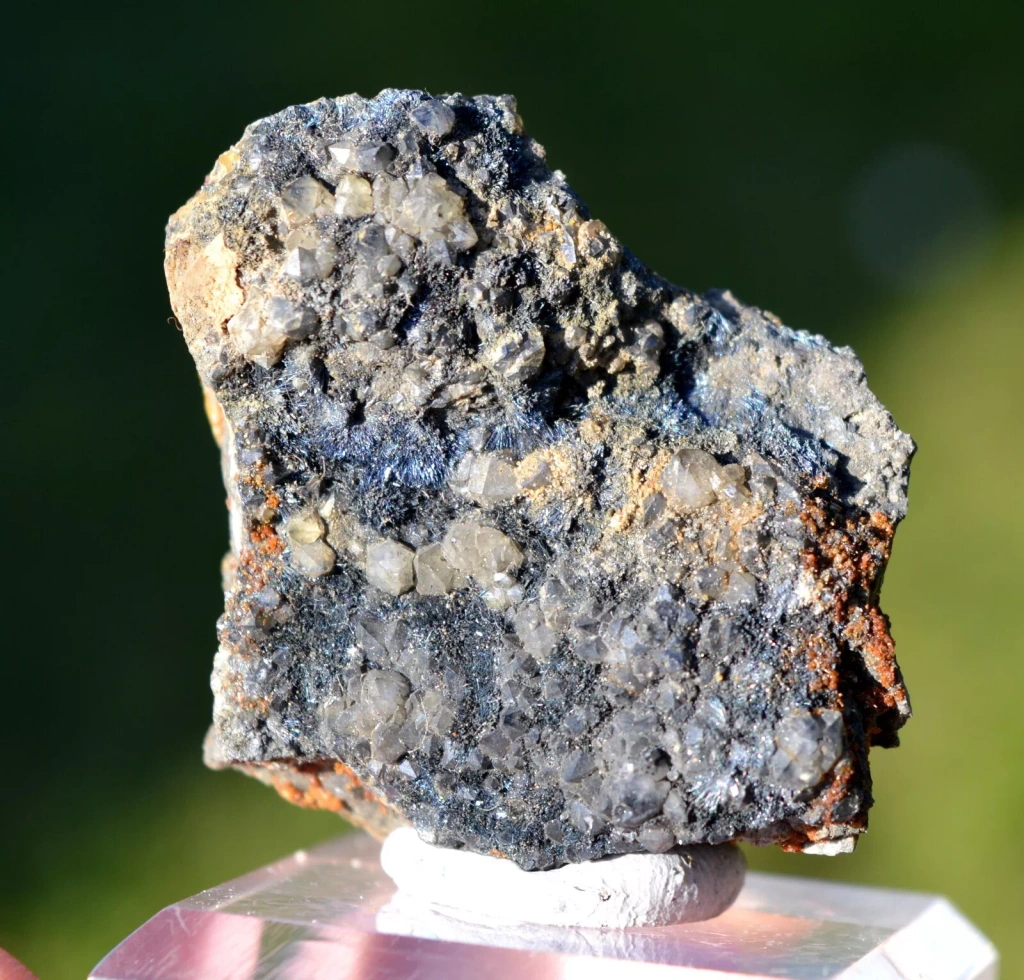
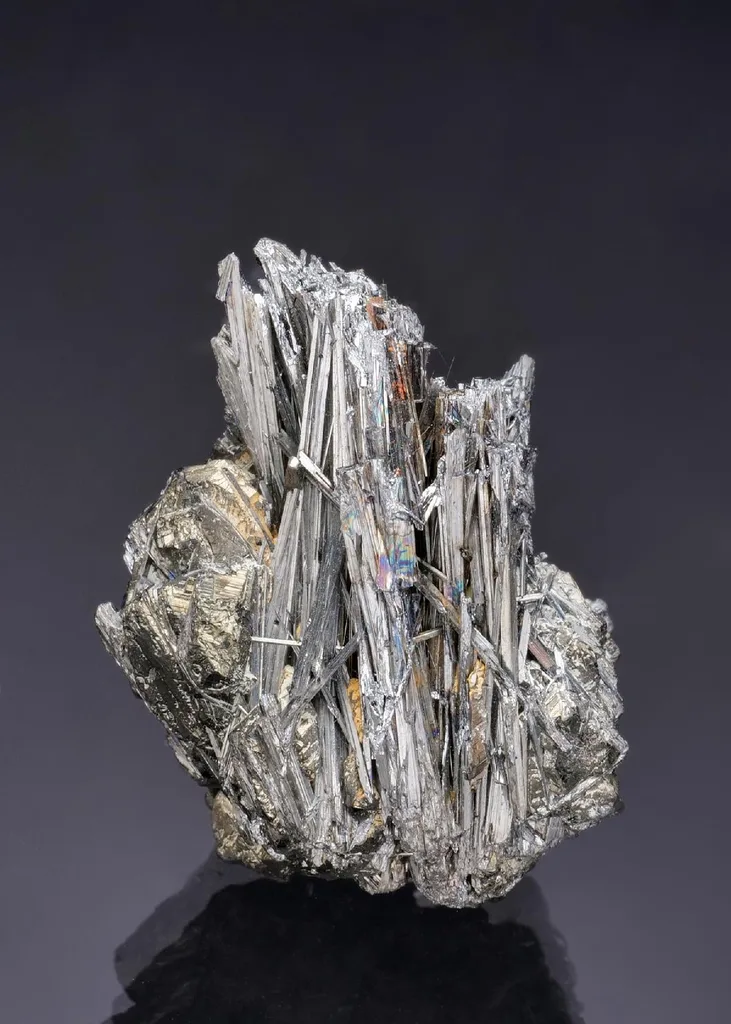
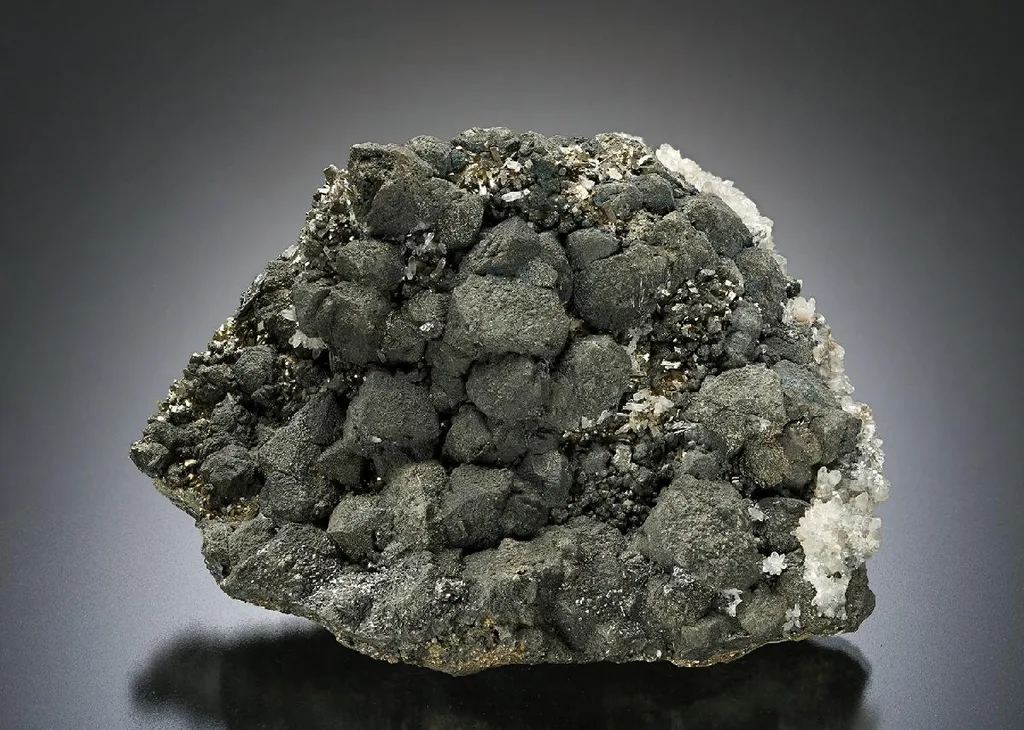
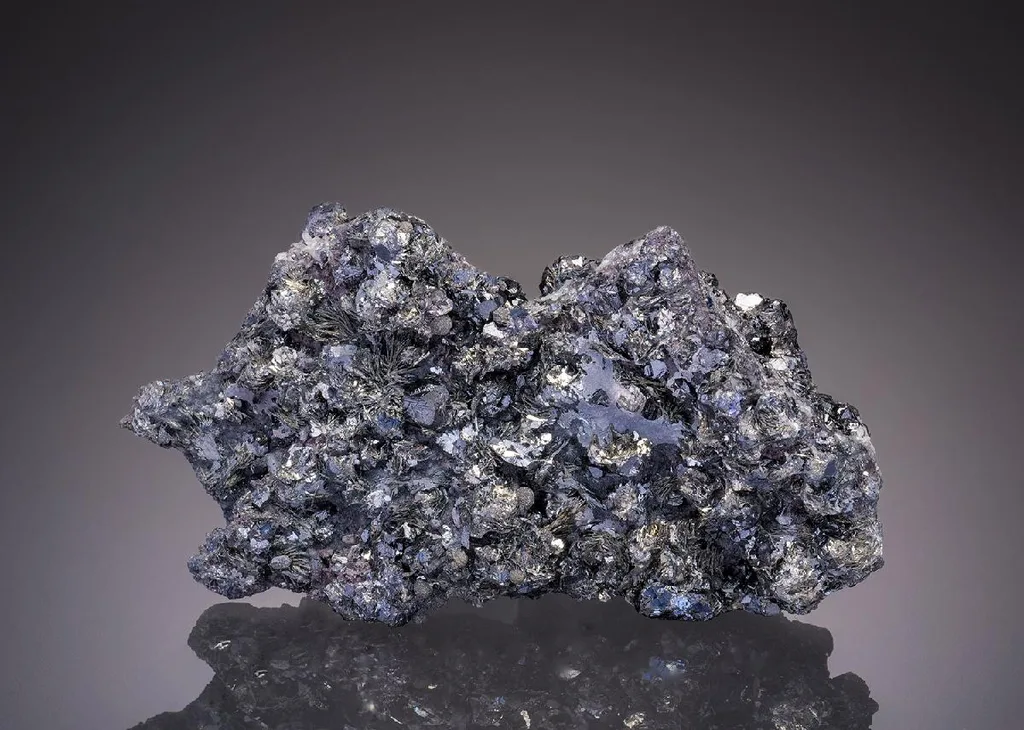
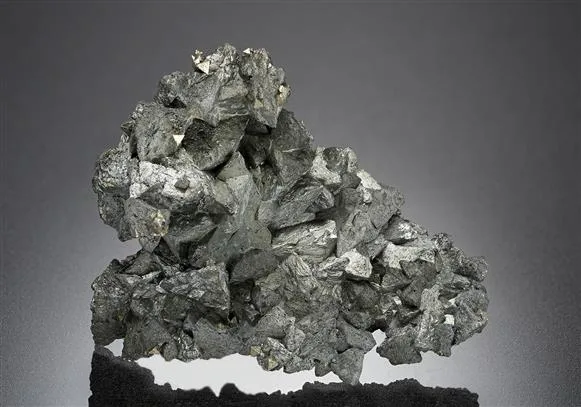
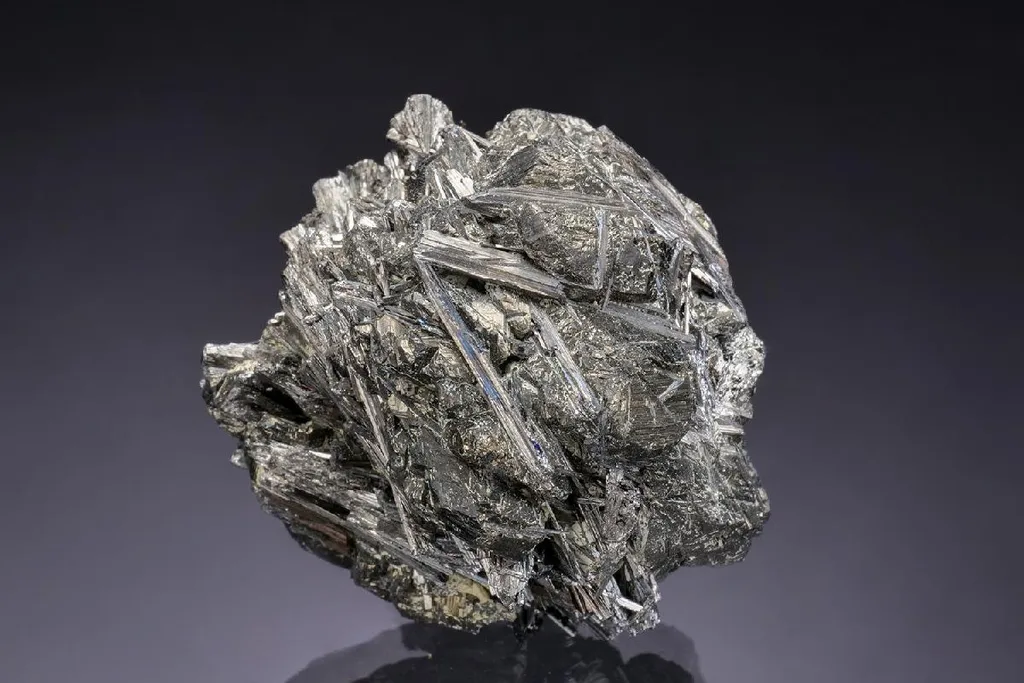
Jamesonite is a sulfosalt mineral with a metallic to submetallic luster, typically forming slender, tabular to needle-like crystals or radiating aggregates. Its color ranges from lead-gray to black, often with a silvery sheen on fresh surfaces. The mineral commonly displays a high specific gravity and a relatively brittle feel, with a habit that can include prismatic, bladed, or fibrous intergrowths. Crystallographic form is tetragonal, and crystals may form cohesive masses that are visually striking under reflected light.
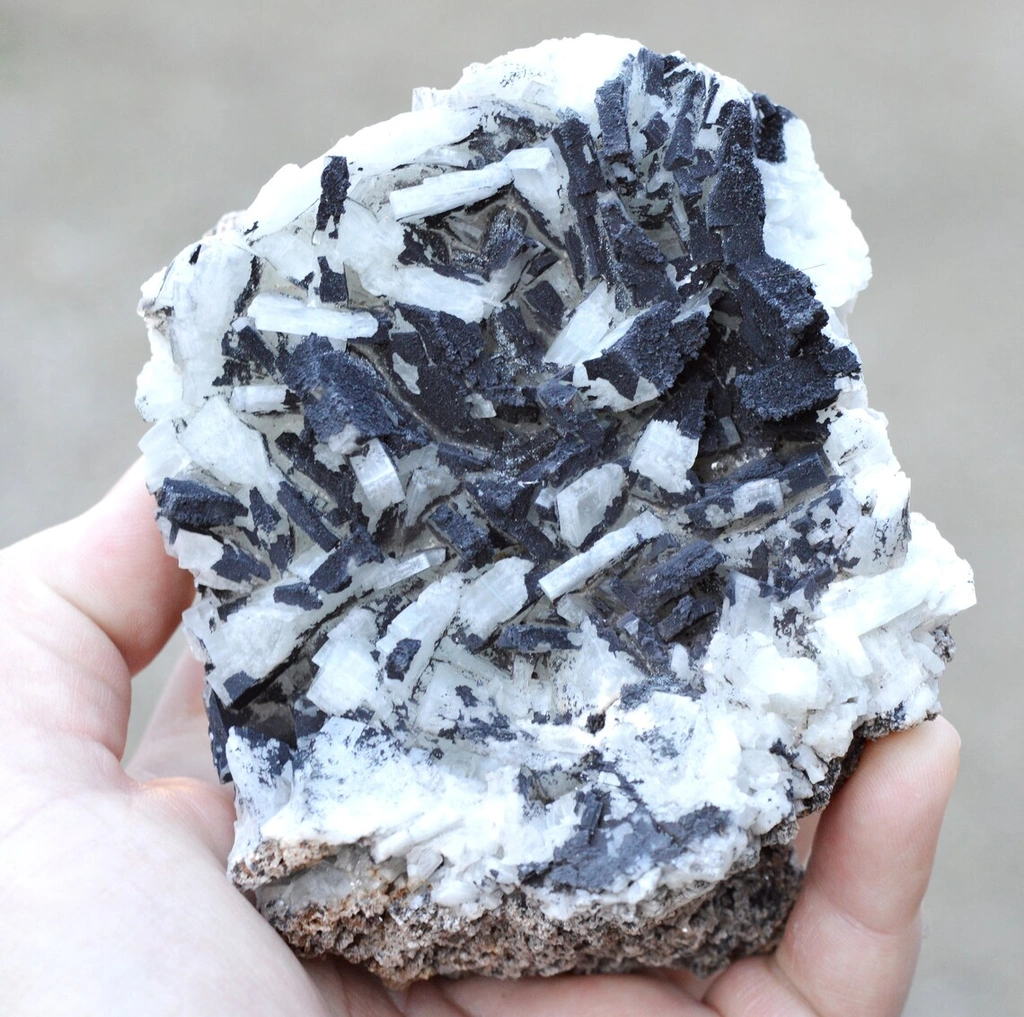
Notable specimens come from classic localities in Romania, Bolivia, Mexico, Kosovo, and China, where Jamesonite occurs in hydrothermal sulfide veins associated with other sulfide minerals. Collectors prize well-formed crystal faces and sharp, lustrous surfaces, sometimes showing complex intergrowths with related sulfide minerals that enhance the specimen’s overall character. The mineral’s dark metallic appearance, combined with its lustrous sheen and unique crystalline habit, makes it a compelling piece for cabinet displays and mineral studies.
Collectors value Jamesonite for its distinctive morphology and the historical significance of the localities it represents. While not among the rarest sulfides, well-preserved crystals and aesthetically arranged specimens offer strong visual appeal and educational insight into sulfosalt mineralogy and hydrothermal ore-forming environments.