$500Median
1Sold (12 mo)
$500Last sale
3 for sale · $400–$7,500 USD
6 in the gallery
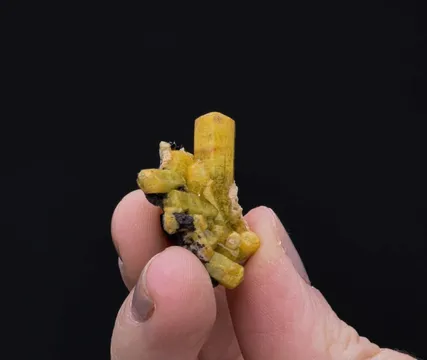
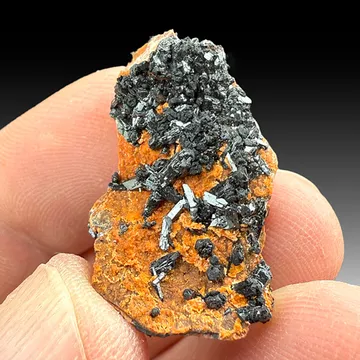
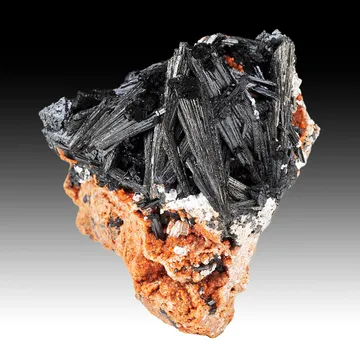
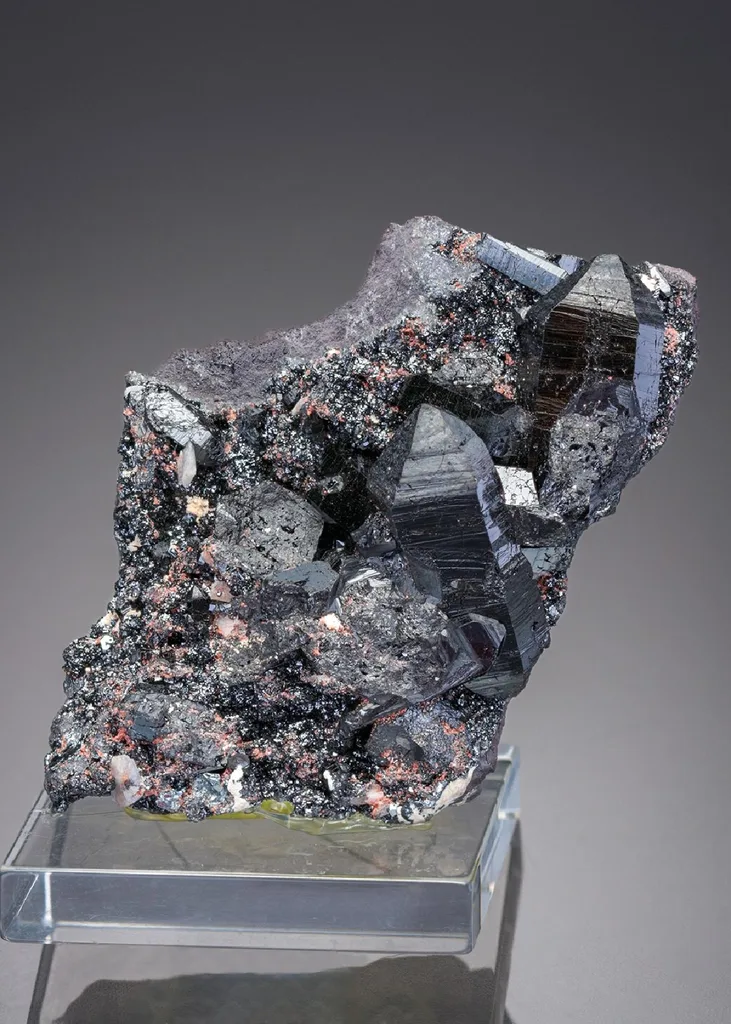
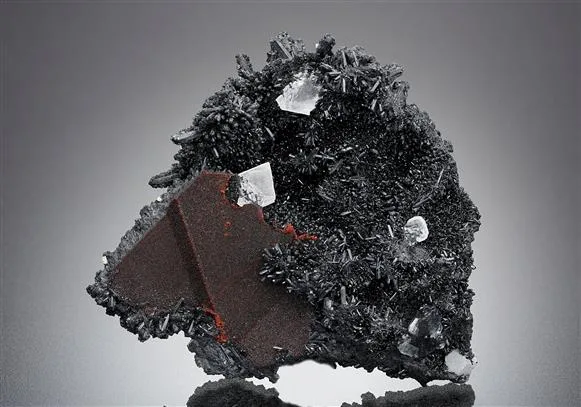
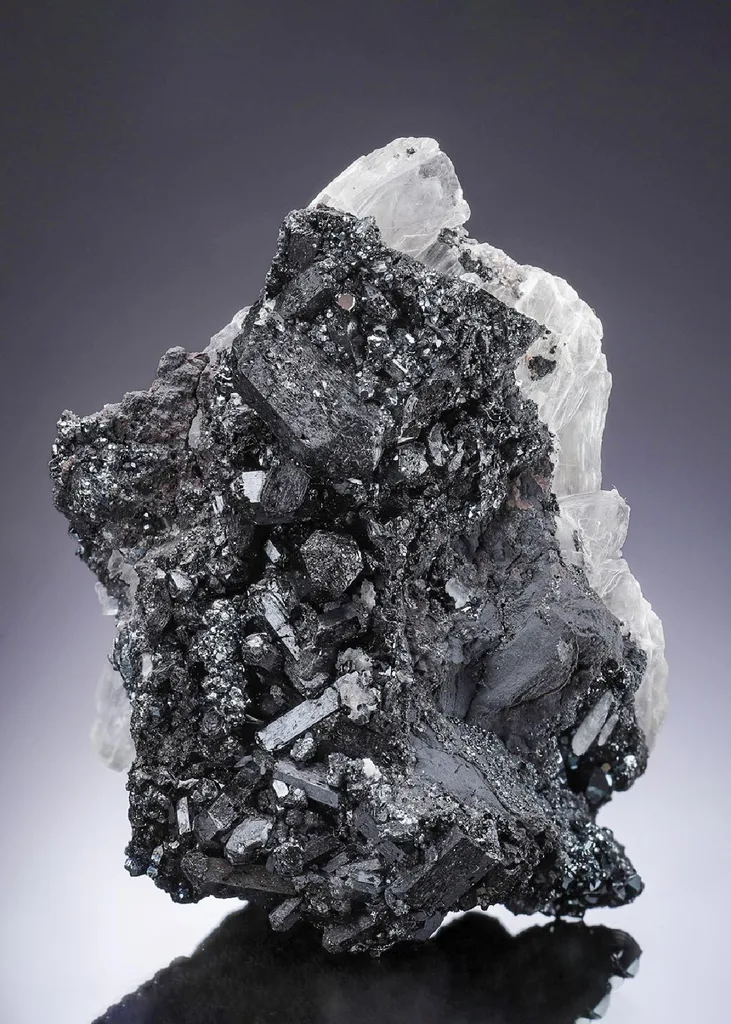
Gaudefroyite is a carbonate-oxide mineral that forms in silicate skarn and metamorphosed carbonate environments. It typically occurs as brown, prismatic to blocky crystals with a resinous to vitreous lustre and a relatively high relief on the crystal faces. The mineral’s structure features complex borate and carbonate groups, and its color ranges from olive-brown to dark brown, aiding visual identification in hand samples and thumbnails. Notable specimens have been reported from diamond-bearing districts and hydrothermal environments where calcium, manganese, boron, and carbonate components coexist, with collectors highlighting the mineral’s intricate crystal habit and rarity. These attributes make gaudefroyite an appealing piece for display and study, especially when accompanied by associated minerals that indicate its geological setting.
Collectors prize gaudefroyite for its distinctive morphology and the challenge of locating well-formed crystals from a limited number of localities. The specimens from South Africa and Morocco are particularly sought after due to their relatively pure coloration and well-developed crystals, which contrast with more common carbonate minerals. For many, gaudefroyite represents a window into complex geological processes that combine boron-rich fluids and carbonate-rich assemblages, offering an opportunity to study mineralogical relationships in a compact, collectible package.